Advanced racing strategies in 2026 revolve around energy management, active aerodynamics, and strategic overtaking mode deployment, fundamentally changing how drivers compete for position. The regulatory shift toward hybrid power units and driver-controlled systems requires racers to think like engineers while maintaining competitive speed. Sarah Moore, an ARDS Grade A instructor with extensive experience as a driver coach, offers expert insights through racing coaching into these advanced techniques.
Her background includes being the first female winner of the Ginetta Junior Championship and Britcar Endurance Championship, bringing real-world success to her coaching methodology. Understanding these strategies is essential for any driver aiming to compete at the highest levels.
- Modern racing systems use energy boosts for overtaking, requiring drivers to manage battery power strategically rather than relying on automatic zones.
- Defending positions now involves careful energy management to avoid running out of power, combined with tactical use of aerodynamic modes.
- Smaller, lighter cars with reduced downforce create new opportunities for overtaking in corners and require different positioning techniques.
Mastering Overtaking in 2026: Overtake Mode and Active Aero
Overtake Mode and Active Aero: The Core Mechanics
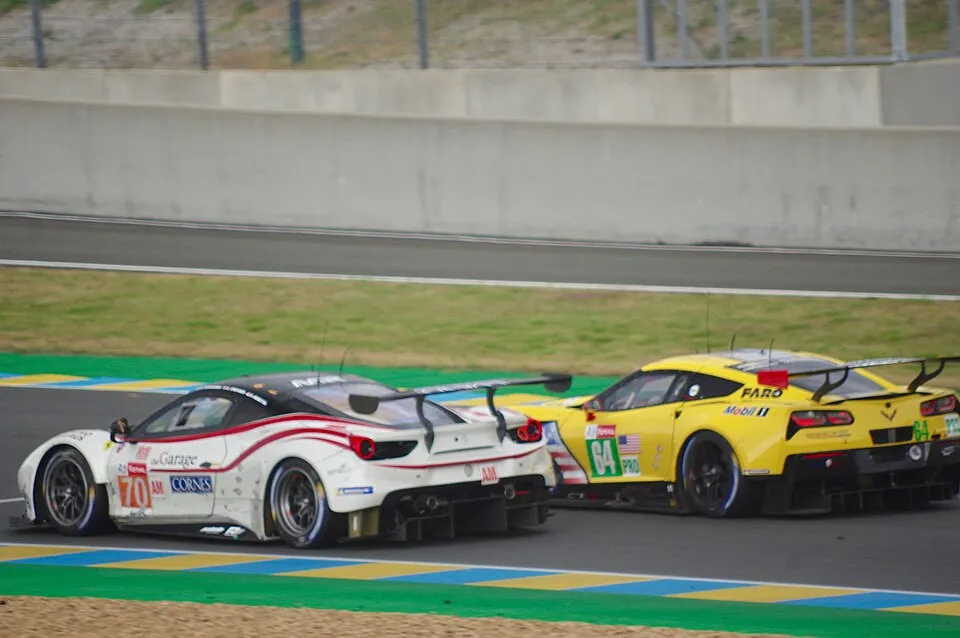
Modern racing cars feature sophisticated systems that control power delivery and aerodynamics. Understanding these systems is fundamental to executing successful overtakes. Drivers seeking to master these techniques should consider racing coaching to refine their approach with expert guidance.
Overtake Mode vs Standard Mode
| Feature | Overtake Mode | Standard Mode |
|---|---|---|
| Activation | Within 1 second of car ahead | Always available |
| Energy Boost | 0.5MJ battery boost | No boost |
| Max Power | 350kW electric | Lower power output |
| Top Speed | Up to 337 km/h | Tapers to 290 km/h |
Aerodynamic Modes: Z-Mode and X-Mode
| Mode | Purpose | Best Used |
|---|---|---|
| Z-Mode | High downforce | Cornering sectors |
| X-Mode | Low drag | Long straights |
These systems must work together. Drivers maximize exit speed in Z-Mode through corners, then switch to X-Mode earlier than their opponent to gain a straight-line advantage. The coordination between aerodynamic modes and overtaking energy determines success.
Successful overtaking requires precise timing. A driver must approach a corner in Z-Mode to achieve maximum grip and exit speed. As they transition to the following straight, they activate X-Mode earlier than the car ahead, reducing drag and allowing the overtake to complete before the straight ends.
The 0.5MJ energy boost from Overtake Mode provides additional power to capitalize on this advantage. Without this coordination, the overtake attempt will fail.
Strategic Overtaking: Energy Banking and Track Position
Modern overtaking requires careful planning and energy management. The process follows these key steps:
- Monitor battery State of Charge (SOC): Drivers constantly track their available energy to know when they can attack or need to defend.
- Plan attack 3-5 laps in advance: Successful overtakes are not spontaneous; drivers calculate when to recharge energy for a decisive move.
- Recharge to unleash ‘big battery’ attack: Rather than using small boosts, drivers save energy for a powerful, concentrated attack that ensures position gain.
- Execute when within 1 second: The Overtake Mode activates only when close enough, making the final approach critical.
The smaller car dimensions—200mm shorter and 100mm narrower—enable overtaking in locations previously impossible, such as slow corners or tight sections. This agility reduces reliance on traditional overtaking zones like DRS, which have become less effective with modern aerodynamics.
DRS-dependent strategies are now obsolete because energy management and car control provide more consistent advantages across the entire lap. Understanding these cornering techniques for racing drivers is essential for exploiting the new car dimensions effectively.
How Do You Defend Positions Effectively in 2026 Racing?
Defensive Boost and Energy Management: Avoiding Clipping
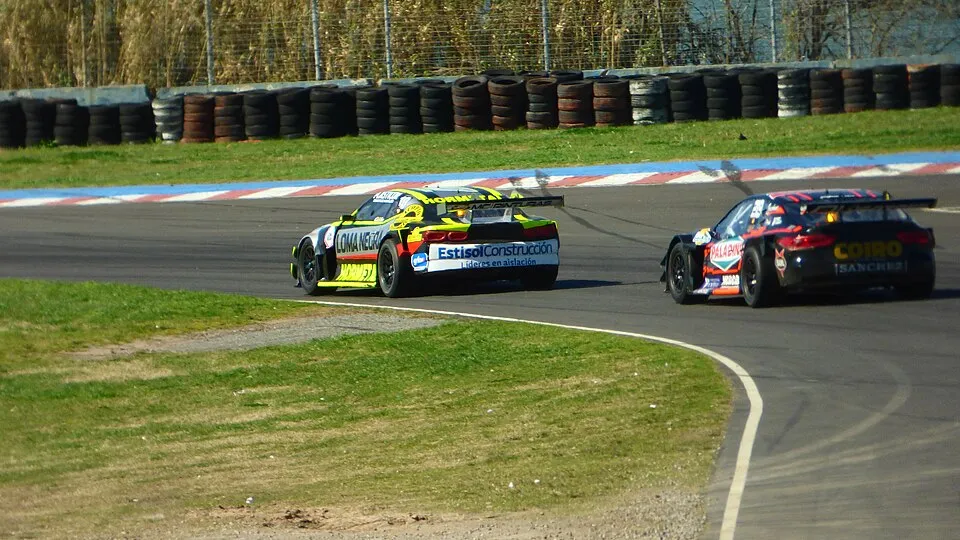
Defending in modern racing involves a delicate balance of using energy boosts while avoiding depletion. The comparison between attacker and defender strategies highlights the risks:
| Aspect | Attacker Strategy | Defender Strategy |
|---|---|---|
| Primary Goal | Gain position | Maintain position |
| Energy Use | Deploy Overtake Mode aggressively | Use boost sparingly and strategically |
| Risk | Attack fails if energy insufficient | Risk of ‘energy clipping’—running out of power before straight ends |
| Key Metric | Timing of activation | Battery State of Charge (SOC) management |
Defenders must follow strict guidelines: use boost only when absolutely necessary, continuously monitor SOC, and avoid overuse. A defender with low SOC becomes a ‘sitting duck,’ vulnerable to any attack. The psychological pressure of managing limited energy while maintaining race pace makes defense one of the most challenging aspects of modern racing.
Energy clipping not only loses the current battle but can also impact multiple subsequent laps, as the car must recharge slowly through harvesting. This creates a cascade of disadvantage. Therefore, defenders must calculate precisely when to use their limited boost, often saving it for critical moments when an attack is imminent.
The best defenders appear effortless, using just enough energy to neutralize threats while preserving enough for later laps. Proper budgeting for motorsports training ensures drivers have the resources to develop these nuanced skills.
Psychological and Positional Defense: Dummy Tactics and Aero Modes
Defense in modern racing extends beyond car control into psychological warfare. Attackers often employ a ‘dummy’ tactic, activating Overtake Mode early in the lap to provoke defenders into using their own boost prematurely. This psychological ploy leaves the defender with depleted energy when the real attack comes later, turning the tables on what seemed like a secure position.
The lead car also uses aerodynamic modes strategically. X-Mode, with its low drag setting, helps maintain straight-line speed and neutralizes the attacker’s advantage on long straights. However, the true defensive work happens in corners.
By using Z-Mode to maximize downforce, the lead car can carry more speed through corners and create a gap before the next straight. This combination of tactical aero usage and energy management creates a complex mental game where each driver tries to anticipate the other’s moves while conserving their own resources.
The mental game of energy warfare requires drivers to think several laps ahead. A defender must decide whether to use boost now or save it for a known overtaking zone later. This decision-making under pressure separates elite drivers.
The constant calculation of remaining energy, opponent behavior, and track position creates a high-stakes environment where one mistake can lose multiple positions. Sarah Moore emphasizes in her coaching that defensive driving is as much about mental resilience as it is about technical skill. Drivers interested in improving these aspects should explore holistic training for racing drivers to build the necessary psychological fortitude.
Optimizing Track Positioning with Modern Car Dynamics
Car Dynamics: Smaller Dimensions and Reduced Downforce
Modern racing cars have undergone significant design changes that directly impact track positioning. These changes affect how drivers approach overtaking and defending.
| Specification | Change |
|---|---|
| Weight | -30kg |
| Length | -200mm |
| Width | -100mm |
| Downforce | -15% to -30% |
| Drag | -40% |
The weight reduction and smaller dimensions make cars more agile. Drivers can take tighter lines through corners and follow opponents more closely without losing as much time. The reduced downforce means cars are less stable in high-speed corners but also produce less ‘dirty air’ that disrupts following cars.
The dramatic drag reduction improves straight-line speed efficiency. Together, these changes mean overtaking is less about finding specific DRS zones and more about using the car’s improved agility throughout the lap. Drivers must adapt their positioning strategies to exploit these new dynamics, focusing on corner exit speeds and early acceleration.
These dimensional changes also affect tire wear and brake temperatures. Lighter cars put less stress on tires, allowing for more consistent performance over a stint. The reduced downforce requires drivers to be more precise with steering inputs, as the car is less forgiving.
However, the improved agility rewards drivers who can carry speed through corners, making track positioning in the mid-corner phase more critical than ever. The combination of factors creates a more driver-focused series where skill in car management directly translates to better race results. For drivers transitioning to these new dynamics, braking techniques in racing become even more crucial for maintaining momentum.
Driver Techniques: Lift-and-Coast and Race Engineer Mindset
Modern racing demands new technical driving techniques alongside traditional skills. The lift-and-coast method is essential for energy recovery:
- Lift early: Before a corner, lift off the throttle sooner than normal.
- Coast: Allow the car to coast without throttle or brake input, recovering energy to the battery.
- Accelerate normally: After the corner, accelerate as usual but with additional energy stored.
This technique sacrifices minimal lap time while gaining valuable energy for later attacks or defenses.
The ‘race engineer’ mindset transforms how drivers approach each lap. They must:
- Continuously monitor battery State of Charge (SOC): Energy levels change with every acceleration and braking event.
- Plan energy usage over multiple laps: A strategic attack might require saving energy for three laps before execution.
- Make decisions that affect multiple positions: Poor energy management in one battle can lead to losing several positions over the next few laps.
Actionable tips:
- Practice energy management in simulators to develop intuition.
- Always plan attacks 3-5 laps ahead, not just the immediate lap.
- Avoid energy clipping by never using the last 10% of battery unless absolutely necessary.
This shift requires a new training approach. Traditional driver development focused on physical fitness and car control. Now, drivers must also develop strategic thinking and energy management skills.
Working with a qualified coach like Sarah Moore can accelerate this learning process. Her ARDS Grade A certification and championship experience provide the expertise needed to master these advanced racing strategies.
The future of racing belongs to those who can harmonize speed with strategy. Understanding how to select a racing driver coach is the first step toward acquiring these cutting-edge skills.
The most surprising evolution in modern racing is that drivers must now function as race engineers, managing complex energy systems with the same precision as their speed. A single miscalculation in energy usage can cost multiple positions, transforming racing from pure instinct to strategic chess. The specific action step is to practice energy management in simulators, focusing on planning attacks 3-5 laps ahead and avoiding energy clipping.
As Sarah Moore emphasizes, “Mastering these strategies will give you the edge on track.” Drivers who embrace this dual role of athlete and strategist will dominate the 2026 season and beyond. Those looking to accelerate their development should explore the benefits of personalized racing coaching to gain a competitive advantage.
