
Harrogate tourism offers far more than the town’s famous spa waters—it’s a cultural treasure trove waiting to be explored. As a Harrogate native and professional racing driver, I’ve watched my hometown’s artistic and historical side flourish alongside its wellness reputation.
From the Mercer Art Gallery’s 2,000+ works to the Turkish Baths’ Victorian grandeur, this guide reveals the must-visit museums, historic sites, and 2026 events that define Harrogate’s cultural landscape. Whether you’re a first-time visitor or returning, these attractions showcase the depth and diversity of this Yorkshire gem.
- Mercer Art Gallery houses over 2,000 works, focusing on 19th and 20th-century art, making it a regional art hub.
- The Turkish Baths (built 1897) and Royal Pump Room Museum (strongest sulfur well in Europe) showcase Harrogate’s Victorian spa heritage.
- Fountains Abbey (UNESCO site) and Ripley Castle offer nearby historic estate experiences within easy reach of Harrogate.
- The 2026 Fusion Art Fair is a premier event for decorative antique and art enthusiasts, scheduled in Harrogate.
- Valley Gardens (Grade II listed) and RHS Garden Harlow Carr provide culturally significant green spaces with historical and horticultural value.
Must-Visit Museums and Galleries in Harrogate
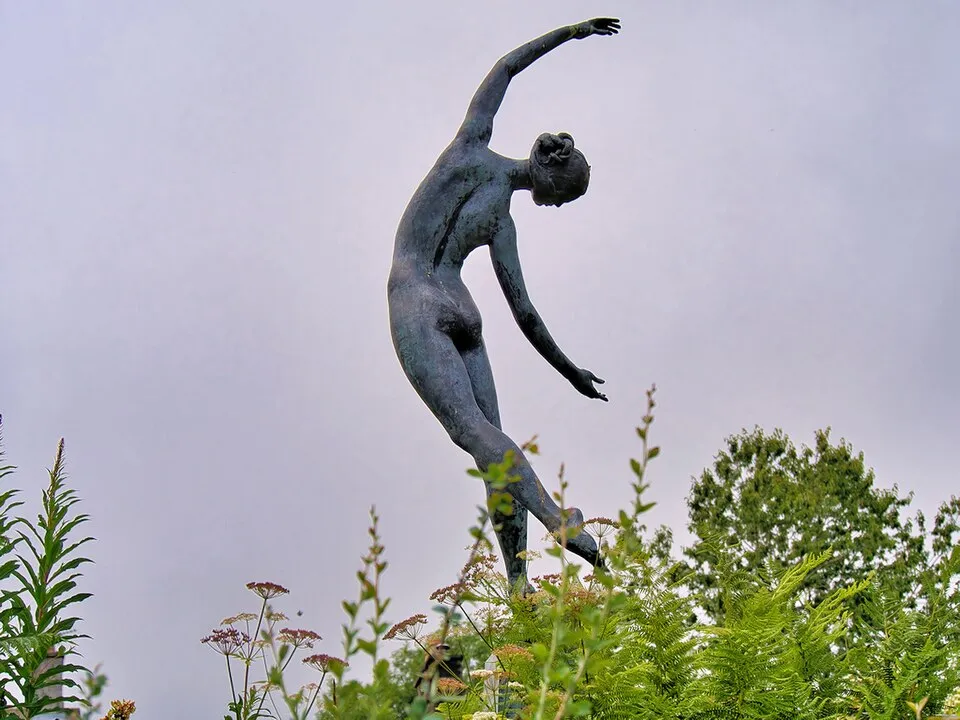
Mercer Art Gallery: A 19th and 20th Century Art Hub
The Mercer Art Gallery is Harrogate’s premier art institution, located near the town centre. Its collection exceeds over 2,000 works, with a strong emphasis on 19th and 20th-century British art. This focus makes it an essential destination for understanding the region’s artistic heritage.
The gallery regularly rotates its exhibitions, ensuring there’s always something new to see. For art lovers, it provides a sophisticated yet accessible experience.
Sarah Moore’s tip: Allow at least two hours to fully appreciate the collection and any temporary exhibitions that may be on display during your 2026 visit.
Key highlights from the collection include:
- Works by local Yorkshire artists capturing the region’s landscapes and industrial heritage
- Significant pieces from the Arts and Crafts movement
- Contemporary exhibitions that dialogue with the historical collection
The gallery also offers educational programs and artist talks, making it a living cultural hub rather than just a repository. Its central location means you can easily combine it with other town centre attractions.
Royal Pump Room Museum: The Heart of Harrogate’s Spa History
The Royal Pump Room Museum tells the story of Harrogate’s identity as “The English Spa.” Its centerpiece is the potent sulfur well, recognized as the strongest sulfur well in Europe. This remarkable fact underscores why Harrogate became a fashionable spa destination in the 19th century.
The museum’s exhibits explore the social history of spa culture, showing how visitors from across Britain and beyond came to “take the waters.” Displays include original bathing equipment, costumes, and medical instruments used in spa treatments.
Sarah Moore reflects: “Growing up in Harrogate, I always knew the Pump Room was special, but understanding the science behind that sulfur well—and how it shaped the entire town—gave me a deeper appreciation for my hometown’s unique place in history.” The museum provides context for the many spa-related buildings you’ll see around town, including the Turkish Baths and the Old Magnesia Well.
Visitor tip: The well itself is viewable behind glass, and the museum often has demonstrations of how the water was historically served to bathers. Check their 2026 schedule for any special exhibitions on Victorian medicine or social history. For those planning a spa-focused trip, our guide to luxury spa breaks in Harrogate offers package deals that include museum visits.
Local History Gems: Knaresborough Castle and Washburn Heritage Centre
For a broader perspective on the region’s past, venture slightly beyond Harrogate to these two complementary history sites.
Knaresborough Castle and Courthouse Museum
- Location: Knaresborough, a short drive or train journey from Harrogate (approximately 15 minutes)
- Highlights: Dramatic castle ruins overlooking the River Nidd, plus a fully preserved courthouse museum with original cells and courtroom
- Focus: Medieval and early modern local history, including the castle’s role in regional conflicts and the courthouse’s Victorian justice system
- Experience: Climb the castle keep for panoramic views, then explore the courthouse to see how justice was administered in the 19th century
Washburn Heritage Centre
- Location: In the Washburn Valley, about 20 minutes from Harrogate
- Focus: Social history and landscape of the Washburn Valley, from prehistoric times to the present
- Exhibits: Rural life, textile industry, and the impact of water management on the valley
- Setting: Beautiful rural location with walking trails connecting to other heritage sites
Sarah’s recommendation: “Combine these two with a lunch in Knaresborough’s charming market town for a full day out. The castle and courthouse give you the grand narrative of power and law, while the Washburn Centre shows how ordinary people lived. Together, they paint a complete picture of North Yorkshire’s heritage.”
Historic Sites and Architectural Landmarks of Harrogate
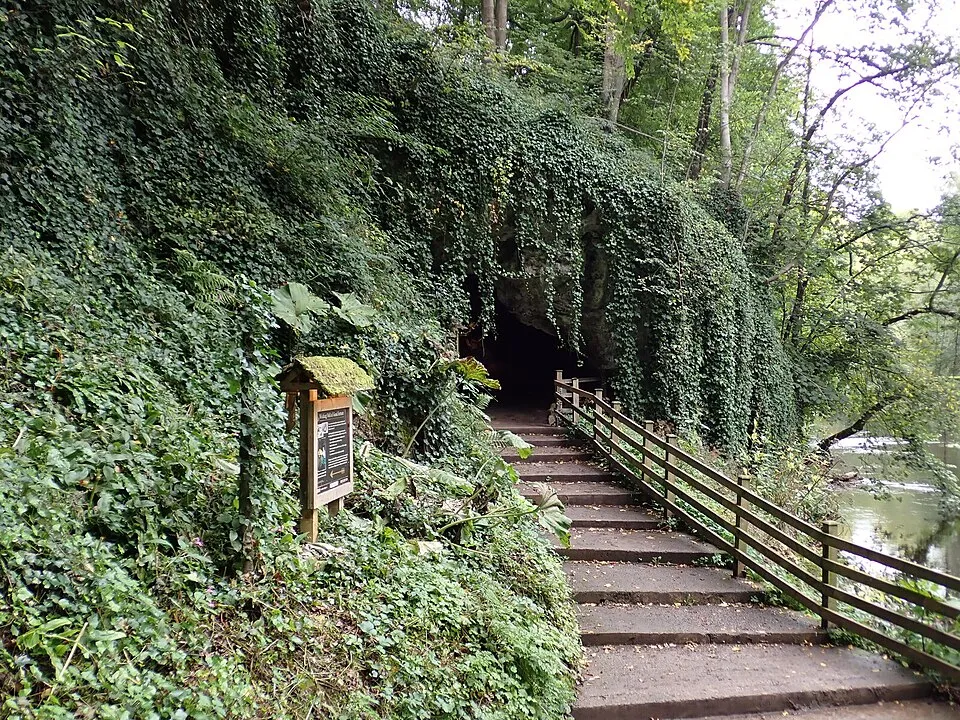
Turkish Baths: A Remarkably Preserved Victorian Spa
The Turkish Baths stand as one of Harrogate’s most atmospheric historic attractions. Built in 1897, they represent the pinnacle of Victorian health spa architecture, inspired by the Ottoman Empire’s bathing traditions. The building itself is a masterpiece of ironwork, ceramic tiles, and stained glass, creating an environment that transports visitors back to the era when spa treatments were a luxury pursuit.
Today, the baths operate much as they did over a century ago, offering traditional hot rooms, plunge pools, and relaxation areas. The experience is both historical and therapeutic—you’re not just learning about Victorian spa culture, you’re living it.
Sarah Moore notes: “The moment you step into the hot rooms, with the scent of eucalyptus and the sound of dripping water, you understand why Harrogate was a magnet for the aristocracy. It’s a sensory journey through time.”
Operational details for 2026: The baths remain open year-round with varying hours. Booking is recommended, especially for weekend sessions. They offer traditional treatments and private hire for special occasions.
The facility is meticulously maintained, preserving its original character while meeting modern safety standards. For an in-depth look at the baths’ history and practical visitor information, see our dedicated guide to Turkish Baths Harrogate.
Royal Hall: Edwardian Theatre and Performance Venue
The Royal Hall is Harrogate’s cultural crown jewel—a beautifully restored Edwardian theatre that continues to serve as a vibrant performance venue. Its architecture is a celebration of Victorian opulence, with ornate plasterwork, gilded details, and an impressive auditorium that seats over 1,000. The hall hosts a diverse program including West End musicals, classical concerts, comedy shows, and community events.
Sarah Moore, who has attended numerous performances there, says: “The Royal Hall isn’t just a theatre; it’s the beating heart of Harrogate’s cultural scene. The acoustics are superb, and the atmosphere—whether for a play or a comedy night—is electric. It’s where the town comes together for shared experiences.”
For 2026, the hall’s schedule includes touring productions, local theatre company performances, and the annual Harrogate International Festivals events. Check their website for specific dates and book in advance for popular shows. The venue also offers backstage tours, giving insight into its history and technical workings.
Ripley Castle and Fountains Abbey: Comparing Nearby Historic Estates
When exploring Harrogate’s surroundings, two historic estates stand out for their proximity and cultural significance. While both offer unforgettable experiences, they cater to slightly different interests.
| Site | Era/Type | Key Highlight | Visitor Experience | Travel from Harrogate |
|---|---|---|---|---|
| Ripley Castle | 16th-century country house | Guided tours of the castle interior and gardens | Intimate, personal tours with historical anecdotes; beautiful estate grounds | 15-minute drive |
| Fountains Abbey & Studley Royal | Medieval monastic ruins + Georgian water garden (UNESCO World Heritage) | Vast ruins of a Cistercian abbey plus an 18th-century water garden | Extensive exploration across multiple sites; dramatic architecture; peaceful gardens | 20-minute drive |
How to choose: If you prefer a more personal, narrative-driven experience with a focus on family history and domestic architecture, Ripley Castle is ideal. If you’re drawn to monumental ruins, UNESCO heritage, and expansive landscapes, Fountains Abbey will captivate you.
Sarah’s insider tip: “You can actually visit both in one day with careful planning. Start at Ripley Castle in the morning for the guided tour, then head to Fountains Abbey for an afternoon of exploration. Both have excellent cafés, so you can refuel between sites.
In spring 2026, Fountains’ water garden will be particularly stunning with the seasonal blooms. For those interested in exploring more of the Yorkshire Dales, our day trips from Harrogate to Yorkshire Dales National Park provide itineraries that include these estates.”
Valley Gardens and Old Magnesia Well: Historic Park and Spa Remnant
Valley Gardens is a beloved green space in the heart of Harrogate, designated as a Grade II listed park. It’s more than just a park—it’s a living piece of the town’s spa history. The gardens feature the elegant Sun Pavilion, a Victorian-era structure that hosts community events and provides a picturesque focal point.
Throughout the year, floral displays change with the seasons, from spring bulbs to summer roses and autumn chrysanthemums.
Within the gardens lies the Old Magnesia Well Pump Room, a small historic building that once served one of Harrogate’s medicinal springs. It’s a tangible reminder of the town’s wellness heritage, standing quietly among the flowerbeds.
Sarah Moore shares: “Valley Gardens is my go-to spot for a peaceful stroll. Whether I’m watching the flowers or sitting by the well, I feel connected to the generations of Harrogate residents who’ve enjoyed this space. It’s accessible for everyone—families, seniors, and those with mobility needs.”
The park is free to enter and open year-round. It’s an ideal place to relax between museum visits or enjoy a picnic. The combination of natural beauty and historical elements makes it a unique cultural attraction that doesn’t appear on every tourist map but is cherished by locals.
Cultural Events and Local Experiences in 2026
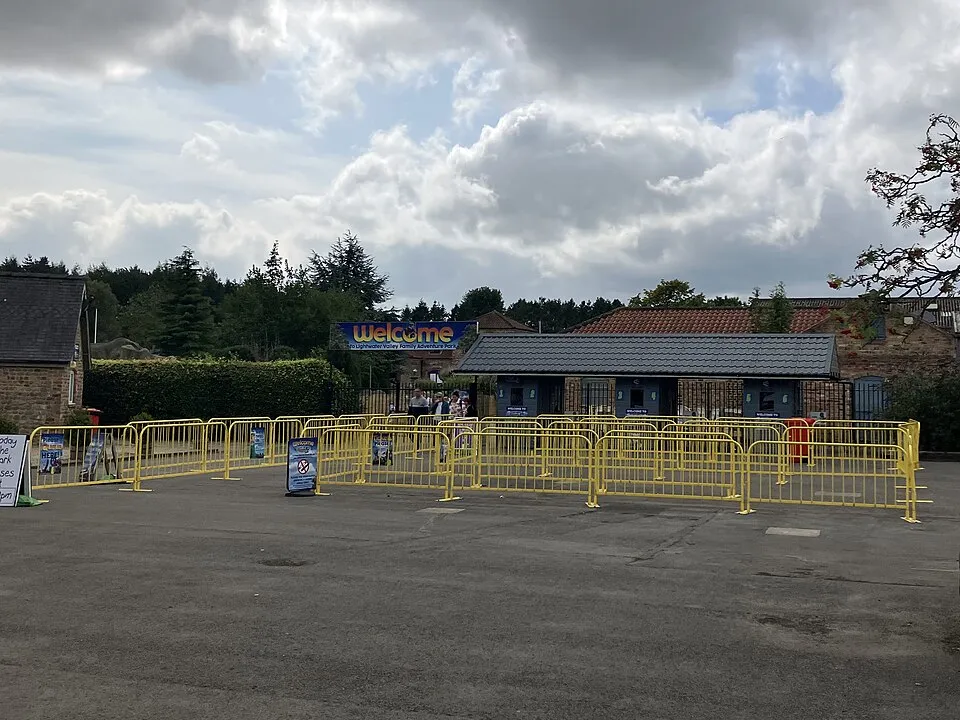
RHS Garden Harlow Carr: Premier Northern Horticulture
RHS Garden Harlow Carr represents the Royal Horticultural Society’s commitment to showcasing gardening in northern climates. Located just outside Harrogate, it’s one of the RHS’s five premier gardens and a must-visit for plant enthusiasts.
The garden demonstrates what thrives in cooler, wetter conditions, with extensive borders, woodland areas, and a stunning walled garden.
Seasonal highlights for 2026 include:
- Spring: Daffodil and tulip displays in the woodland and borders
- Summer: Rose garden at its peak, with over 2,000 varieties
- Autumn: Vibrant foliage and late-season perennials
- Winter: Structural plants and the popular Christmas light trail
Sarah Moore recommends: “Even if you’re not a serious gardener, Harlow Carr is worth the visit for its beauty and tranquility. The garden also offers excellent facilities—café, shop, and guided tours. Check their 2026 events calendar for plant fairs and specialist talks.”
Harrogate Theatre: Live Performances and Creative Workshops
Harrogate Theatre is a cornerstone of the town’s contemporary cultural scene. This intimate venue hosts a diverse program that caters to all tastes:
- Plays: From classic dramas to new writing
- Comedy: Stand-up nights and sketch shows
- Workshops: Acting classes, playwriting courses, and community projects
- Children’s theatre: Family-friendly productions during school holidays
The theatre’s community engagement is particularly strong. It runs outreach programs with local schools and hosts amateur dramatics societies, making it a truly inclusive space.
Sarah Moore notes: “Harrogate Theatre feels like a second home to many locals. I’ve seen productions there that rival West End shows, and the workshop program means you can be more than just an audience member—you can create.”
For 2026, the theatre’s schedule will be announced in early spring. Book tickets online or via the box office.
Consider becoming a member for priority booking and discounts. The theatre also offers backstage tours on select days, giving insight into the production process.
Montpellier Quarter: Boutiques and Dining with Cultural Flair
Montpellier Quarter is Harrogate’s chic shopping and dining district, where independent businesses create a vibrant cultural atmosphere. Unlike typical high streets, this area is characterized by:
- Independent boutiques selling designer clothing, jewelry, and homeware
- Specialty food shops offering local produce, cheeses, and artisan chocolates
- Cafés and restaurants with al fresco seating, many with outdoor dining
- Art galleries and craft studios tucked into side streets
Sarah Moore’s favorite spots include:
- A boutique that features local Yorkshire designers
- A family-run café known for its afternoon tea with a modern twist
- A bookshop that hosts author events and readings
The quarter’s layout encourages leisurely exploration, with cobbled streets and seasonal decorations adding to its charm. It’s perfectly located near the town centre and Valley Gardens, making it easy to combine shopping with cultural sightseeing.
For a post-museum coffee or a pre-theatre meal, Montpellier Quarter offers the most atmospheric options in Harrogate. For more recommendations on Harrogate’s best boutiques and restaurants, see our dedicated guide.
Fusion Art Fair & Decorative Antique and Art Fair: 2026’s Premier Art Event
The Fusion Art Fair & Decorative Antique and Art Fair is Harrogate’s flagship cultural event for art collectors and enthusiasts. Scheduled for 2026 (exact dates to be confirmed on the official Harrogate tourism website), this fair transforms the town’s exhibition spaces into a marketplace of high-quality art and antiques.
What to expect:
- Over 100 dealers showcasing paintings, sculpture, ceramics, and decorative arts
- A mix of established galleries and emerging artists
- Expert talks and valuation sessions
- A curated selection that balances traditional and contemporary works
Why it’s a highlight: The fair attracts national and international dealers, making it a key date in the UK art calendar beyond just local interest. For visitors, it’s an opportunity to see and purchase art in a convivial setting, with the expertise of dealers available to guide purchases.
Sarah Moore’s must-see recommendation: “Even if you’re not buying, the fair is a feast for the eyes. The quality is exceptional, and you’ll discover artists you might not encounter elsewhere.
Plan your visit around the fair’s opening weekend to catch the special events and avoid the busiest periods. Those attending should also consider our guide to the Great Yorkshire Show 2026 for another major cultural event in the region.”
Check the official Harrogate tourism website for the 2026 dates and venue details as they are announced.
Harrogate’s cultural attractions reveal a town with surprising depth. Beyond the spa waters lies a rich tapestry of art, history, and contemporary creativity that rivals larger cities. The Mercer Art Gallery’s 2,000+ works, the Turkish Baths’ Victorian grandeur, and the annual Fusion Art Fair demonstrate a community deeply invested in its cultural heritage.
For the best 2026 experience, visit the official Harrogate tourism website in early spring to check updated event schedules. Book tickets for the Royal Hall or Fusion Art Fair well in advance, as these popular venues sell out quickly.
Consider a combined ticket for Ripley Castle and Fountains Abbey to maximize your historical exploration. Harrogate isn’t just a spa destination—it’s a cultural journey waiting to be discovered.
