
Mental preparation accounts for up to 40% of racing performance, yet most drivers focus only on physical training. Sarah Moore, with 25 years of racing experience and 8 years coaching at More Than Equal, has developed a systematic approach to mental preparation that’s transforming how drivers approach race day.
Key takeaway
- Mental preparation techniques like visualization and breathing exercises can improve race performance by up to 40%
- Sarah Moore’s framework combines data analytics with psychological strategies for female drivers
- Elite drivers use specific pre-race routines and positive self-talk to manage anxiety
- Race sectioning and focus on controllables are proven strategies for maintaining concentration
What Are the Core Mental Preparation Techniques for Racing Drivers?
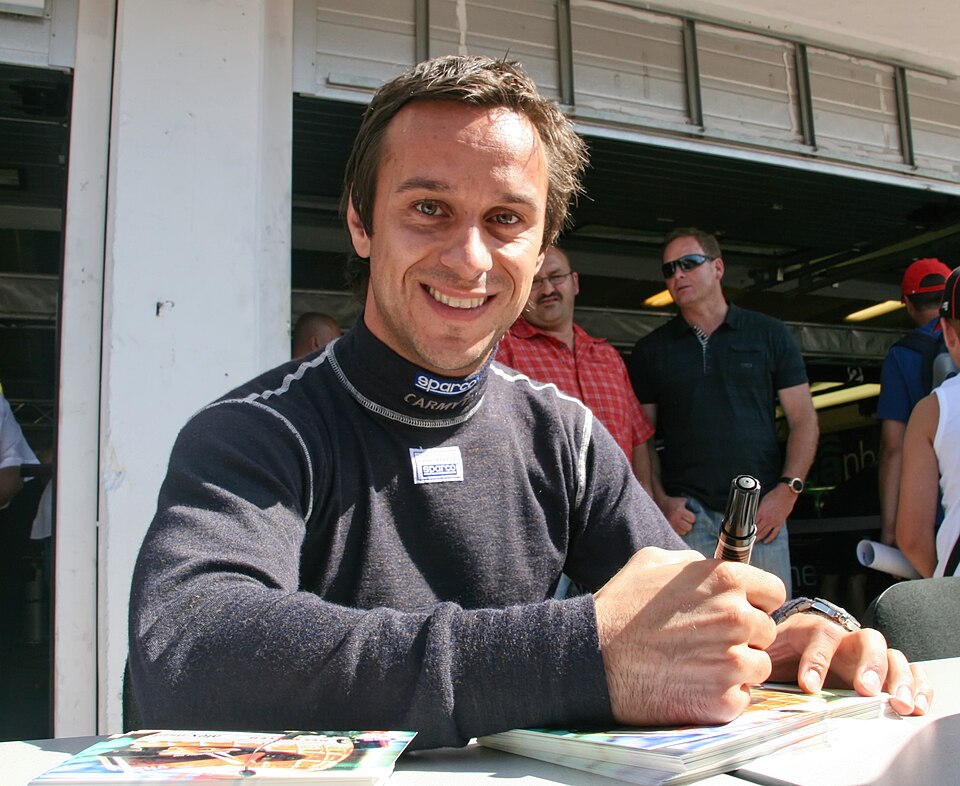
Mental preparation separates good drivers from great ones. Professional racers use specific psychological techniques to gain competitive advantages that physical training alone cannot provide.
Visualization and Mental Lap Rehearsal: The Foundation of Race Day Success
Mental lap rehearsal creates neural pathways that mirror physical practice. Drivers mentally walk through every corner, braking point, and acceleration zone before race day.
Visualization timing and process:
- Start 20 minutes before entering the car
- Include all five senses: engine sounds, tire grip, steering feedback
- Practice race scenarios: wet conditions, traffic situations, pit stops
- Common mistakes: rushing through corners, skipping difficult sections
Sensory details to include:
- Visual: track lines, reference points, competitor positions
- Auditory: engine RPM changes, crowd noise, tire squeal
- Kinesthetic: G-forces in corners, brake pedal pressure, steering weight
- Olfactory: rubber smell, fuel fumes, brake dust
Advanced visualization techniques:
- Progressive muscle relaxation before visualization
- Color-coding different racing lines for various conditions
- Mental rehearsal of specific competitor behaviors
- Visualization during physical warm-up exercises
Visualization timing optimization:
- Morning session: 10 minutes of general track familiarization
- Pre-qualifying: 15 minutes of specific lap strategy
- Race day morning: 20 minutes of complete race scenario rehearsal
- Post-session review: 5 minutes of mental correction
Breathing Exercises and Mindfulness for Anxiety Control
Controlled breathing transforms pre-race anxiety into focused energy. Professional drivers use specific breathing patterns to maintain heart rate and mental clarity.
Breathing techniques:
- 4-7-8 method: inhale 4 seconds, hold 7 seconds, exhale 8 seconds
- Box breathing: 4 seconds each for inhale, hold, exhale, hold
- Pre-race routine: 5 minutes of controlled breathing before helmet on
- Recovery breathing: 2-3 minutes between sessions
Mindfulness basics:
- Focus on present moment sensations
- Acknowledge anxiety without judgment
- Transform nervous energy into excitement
- Practice during training sessions, not just race day
Anxiety-to-excitement transformation techniques:
- Label physical sensations as “excitement” rather than “anxiety”
- Use positive reframing: “I’m ready for this challenge”
- Focus on controllable elements: preparation, effort, attitude
- Practice acceptance of uncertainty
Mindfulness integration with racing:
- Track awareness meditation during cooldown laps
- Present-moment focus during pit stops
- Non-judgmental observation of mistakes
- Acceptance of external factors beyond control
Pre-Race Routines and Positive Self-Talk Strategies
Consistent routines create mental stability and confidence. Elite drivers follow specific sequences that trigger optimal performance states.
Music selection for focus:
- Choose tracks with 120-140 BPM for energy
- Avoid lyrics that distract from concentration
- Create playlists for different track types and conditions
- Use instrumental versions of favorite songs
Stretching routines:
- Neck and shoulder rolls for head movement freedom
- Wrist and forearm stretches for steering control
- Core activation exercises for stability
- Leg swings for pedal responsiveness
Positive affirmation examples:
- “I am prepared for this challenge”
- “Every corner is an opportunity”
- “I trust my training and instincts”
- “Pressure creates diamonds”
Routine timing and sequence:
- 60 minutes before: light physical warm-up
- 45 minutes before: breathing exercises and visualization
- 30 minutes before: final equipment check and affirmations
- 15 minutes before: quiet focus time in the car
Pre-race routine customization:
- Track-specific adjustments based on layout complexity
- Weather condition modifications for wet vs. dry conditions
- Opponent analysis integration for championship battles
- Personal energy level adaptations
How Sarah Moore’s Mental Toughness Framework Transforms Driver Performance
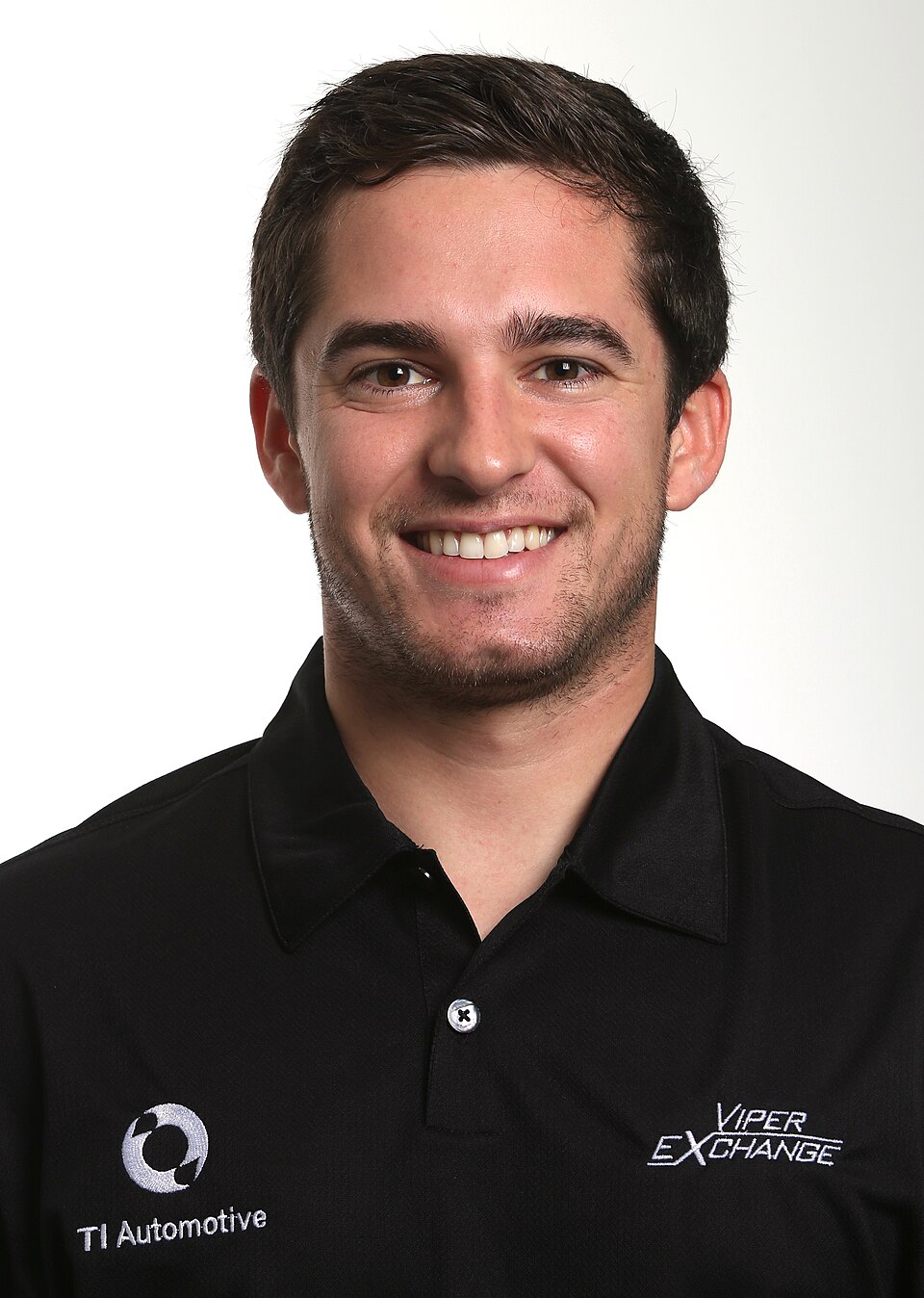
Sarah Moore’s 25 years of racing experience and 8 years coaching at More Than Equal have created a unique mental toughness framework that addresses specific challenges female drivers face — racing driver.
Data-Driven Mental Training Through Hintsa Performance Partnership
Hintsa Performance methodology combines physiological data with psychological training. Performance metrics tracking helps drivers understand their mental state patterns.
Data analytics in mental training:
- Heart rate variability monitoring
- Sleep quality tracking
- Stress response measurement
- Performance correlation analysis
Female driver-specific adaptations:
- Confidence-building exercises tailored to early career challenges
- Addressing imposter syndrome through data validation
- Creating supportive peer networks
- Career development planning with mental milestones
Hintsa Performance methodology specifics:
- Six-dimensional wellness assessment
- Biometric data collection during training
- Mental energy management strategies
- Recovery optimization protocols
Data integration benefits:
- Objective performance measurement
- Pattern recognition in mental state
- Evidence-based confidence building
- Targeted improvement areas
Coaching Young Female Drivers: Addressing Early Career Gaps
More Than Equal coaching approach focuses on the unique mental barriers female drivers encounter in male-dominated motorsport.
Common mental barriers:
- Lack of female role models in early career stages
- Confidence gaps in high-pressure situations
- Different coaching expectations from teams
- Balancing assertiveness with team dynamics
Confidence-building exercises:
- Progressive exposure to challenging situations
- Success visualization with specific metrics
- Peer mentoring programs
- Public speaking and media training
Early career development strategies:
- Foundational mental skills assessment
- Goal-setting with measurable outcomes
- Progressive challenge introduction
- Support network building
Career transition support:
- Junior to senior category mental preparation
- International competition adaptation
- Sponsorship pressure management
- Media and public relations training
Building Mental Toughness Through Structured Development Programs
Structured programs create systematic mental toughness development over time. Moore’s 8-year coaching experience shows consistent improvement through progressive training.
Program structure:
- Foundation phase: basic anxiety management
- Development phase: race scenario visualization
- Advanced phase: pressure situation handling
- Mastery phase: consistent performance under stress
Skill progression:
- Week 1-4: basic breathing techniques
- Month 2-3: visualization fundamentals
- Month 4-6: race-specific mental rehearsal
- Month 7+: advanced pressure management
Structured development timeline:
- First 3 months: establishing baseline mental skills
- Months 4-6: integrating mental training with physical practice
- Months 7-12: race-specific mental preparation
- Year 2+: advanced mental toughness development
Success metrics and outcomes:
- Consistency improvement in qualifying results
- Reduced error rates under pressure
- Improved recovery from setbacks
- Enhanced decision-making speed
Elite Driver Mental Routines Compared: Hamilton vs. Moore vs. Gasly
Hamilton’s pre-race routine includes 20-minute visualization sessions that create mental readiness before physical preparation begins.
Hamilton’s mental preparation philosophy:
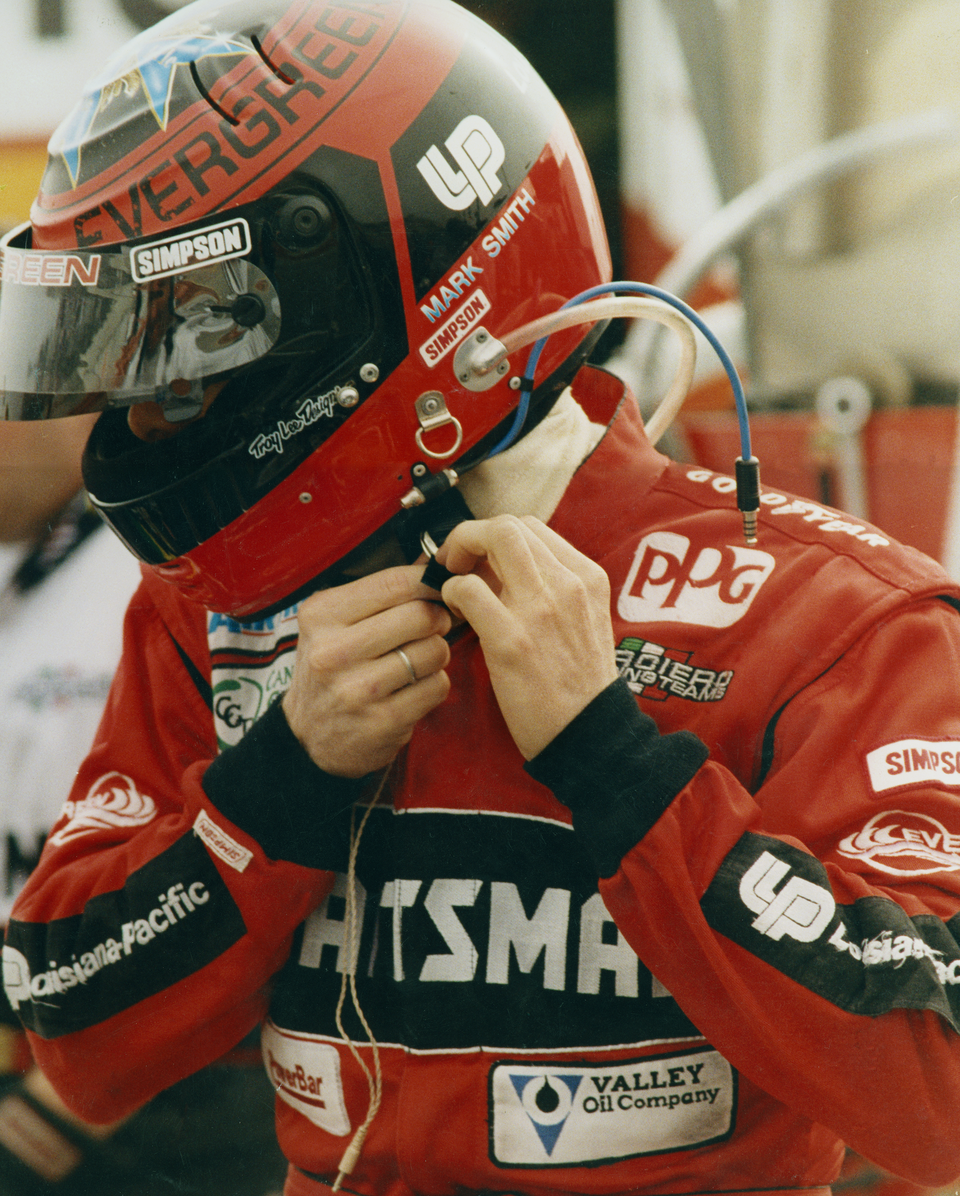 Lewis Hamilton’s 20-Minute Focus Sessions and Visualization Techniques
- Visualization as primary mental training tool
- Focus on process over outcome
- Consistent routine regardless of race importance
- Integration with physical warm-up
Specific techniques:
- 20-minute mental lap walk-through
- Focus on breathing rhythm during visualization
- Positive outcome visualization
- Process-oriented self-talk
Hamilton’s routine specifics:
- 45 minutes before: meditation and breathing exercises
- 30 minutes before: visualization of race scenarios
- 15 minutes before: final mental preparation in car
- Race start: focused breathing and positive affirmations
Visualization content:
- Perfect lap execution
- Race start scenarios
- Defensive and overtaking maneuvers
- Dealing with unexpected situations
Pierre Gasly’s Prayer and Focus Rituals for Race Day
Gasly uses personal rituals to create mental stability and focus. His pre-race prayer routine demonstrates how personal beliefs integrate with professional performance.
Gasly’s ritual approach:
- Prayer for focus and safety
- Specific timing before car entry
- Consistent sequence regardless of circumstances
- Integration with team routines
How rituals create mental stability:
- Predictable sequence reduces anxiety
- Personal meaning enhances focus
- Consistent timing creates rhythm
- Team awareness prevents conflicts
Gasly’s pre-race sequence:
- Morning: quiet reflection time
- Arrival at track: team meeting and strategy discussion
- Pre-session: personal prayer and focus ritual
- Post-session: mental review and adjustment
Ritual benefits:
- Creates psychological safety
- Provides consistent anchor points
- Enhances team cohesion through shared understanding
- Improves focus under varying conditions
Sarah Moore’s Growth Mindset and Data Integration Approach
Moore’s approach combines growth mindset principles with data integration, creating a systematic framework for mental development.
Growth mindset principles:
- Focus on learning from mistakes
- View challenges as opportunities
- Emphasize effort over innate ability
- Celebrate incremental improvements
Data integration benefits:
- Objective performance measurement
- Pattern recognition in mental state
- Evidence-based confidence building
- Targeted improvement areas
Moore’s coaching philosophy:
- Individualized approach for each driver
- Progressive skill development
- Emphasis on long-term growth
- Integration of technical and mental training
Growth mindset application:
- Reframing failures as learning opportunities
- Setting process-oriented goals
- Celebrating effort and improvement
- Building resilience through challenges
The most counter-intuitive finding is that mental preparation techniques are most effective when practiced consistently during training, not just on race day. Start with a 5-minute visualization routine this week, tracking your focus levels before and after each session to measure improvement.
