
Most professional racing drivers begin karting at age 4, following a structured progression through junior championships to potentially reach Formula 1. This career path requires significant financial investment, exceptional talent, and strategic development through competitive racing categories.
- Professional racing careers typically begin with karting at age 4+ and progress through structured junior championships
- The path to success can cost millions of dollars, requiring significant financial backing or sponsorship
- Achievements like winning junior championships and endurance titles mark critical career milestones
- Modern driver development includes coaching, data analysis, and mental preparation
How racing drivers progress from karting to professional racing
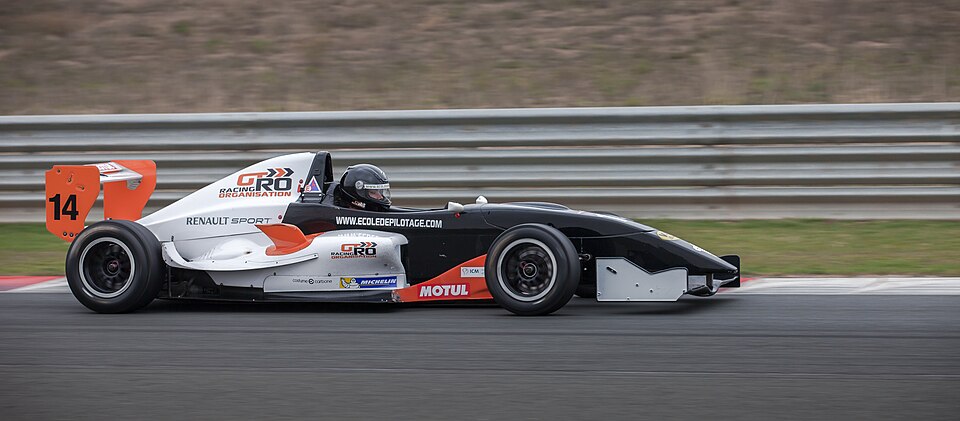
Starting in karting at age 4 and progressing to car racing
The racing career path typically begins with karting at age 4, as demonstrated by Sarah Moore’s journey. Moore started karting at age 4 and progressed to car racing in 2007 when she joined the Ginetta Junior Championship. This early start provides essential foundation skills in vehicle control, racecraft, and competitive mindset.
The Ginetta Junior Championship serves as a crucial stepping stone, offering young drivers their first experience in single-make racing cars on professional circuits. Moore’s success in this category culminated in winning the 2009 title, becoming the first woman to win a mixed-gender, national-level junior series in the UK. This achievement marked a significant milestone in her career progression and demonstrated the potential for female drivers in competitive motorsport.
Moving through junior championships and development programs
Racing drivers progress through structured junior championships that provide competitive experience and exposure to professional racing environments. The Ginetta Junior Championship represents one of the UK’s premier junior racing categories, offering young drivers the opportunity to compete in purpose-built racing cars on established circuits. Beyond junior championships, drivers often advance to endurance racing categories, where they develop skills in race strategy, team communication, and physical endurance.
Sarah Moore’s career exemplifies this progression, as she became the first female winner of the Britcar Endurance Championship in 2018, showcasing her ability to compete at higher levels of motorsport. Modern driver development also includes structured coaching programs, with Moore boasting 25 years of racing experience and eight years of coaching experience.
Development programs like More Than Equal focus on identifying and nurturing talented drivers, providing structured pathways from karting to professional racing. These programs offer comprehensive support including technical development, physical training, and mental preparation.
Breaking barriers in professional racing
Professional racing careers are marked by significant achievements that demonstrate progression through competitive categories. Sarah Moore’s career includes several historic milestones that highlight both her personal achievements and broader representation in motorsport. In 2018, she became the first female to win the overall Britcar Endurance Championship, breaking gender barriers in endurance racing — Sarah Moore Racing.
Her participation in the W Series in 2021 led to another historic achievement when she became the first openly LGBTQ+ driver to stand on a podium at an F1 Grand Prix weekend. These achievements represent critical career milestones that validate a driver’s progression through competitive categories and demonstrate their ability to compete at the highest levels of motorsport. Such barriers-breaking achievements also contribute to increased diversity and representation in professional racing.
The financial realities of pursuing a racing career

The multi-million dollar investment required
Pursuing a professional racing career requires substantial financial investment, with the path to success in motorsport often costing millions of dollars over a driver’s career. Unlike many professional sports where athletes receive salaries from teams, racing drivers frequently need to secure their own funding to compete, even at junior levels. The financial barrier to entry is significant, with costs including vehicle purchase and maintenance, race entry fees, travel expenses, equipment, and team support.
Sarah Moore’s career progression relied on family backing and sponsorships to fund her development through karting and junior championships. The financial demands increase substantially as drivers progress to higher categories, where competition for seats becomes more intense and the costs of running competitive campaigns escalate. This financial reality means that aspiring drivers must simultaneously develop their racing skills while building relationships with potential sponsors and managing complex budgets.
Salary ranges across different racing categories
The financial landscape of professional racing varies dramatically across different categories, with significant disparities between top-tier and lower-level competition. Formula 1 drivers represent the highest earners in motorsport, with salaries typically ranging from $1 million to $55 million per year for top performers. However, this represents only a small fraction of professional drivers, as most competitors in lower categories face different financial realities.
Drivers in junior categories, national championships, and lower-tier professional series often pay to race, covering their own expenses or securing personal sponsorships to fund their participation. The financial model in many racing categories means that drivers essentially invest in their own careers, hoping that success will lead to better opportunities and eventually to salaried positions in top-tier series. This financial structure creates a significant barrier to entry and means that career progression often depends as much on financial backing as on driving talent.
Funding strategies for aspiring drivers
Aspiring racing drivers employ various strategies to finance their careers, with success often depending on securing adequate funding throughout their development. Family backing remains one of the most common funding sources, with parents investing in their children’s racing careers from an early age. This support can extend through karting, junior championships, and into professional categories, though the costs often become prohibitive without additional funding sources.
Sponsorships represent another crucial funding strategy, with drivers seeking partnerships with businesses, brands, and individuals who support their racing ambitions. Prize money from race wins and championship results can provide some financial return, though this rarely covers the full costs of competition.
Development programs like More Than Equal offer structured support for talented drivers who might lack traditional funding sources, providing opportunities for those who demonstrate exceptional potential. These programs often combine financial support with comprehensive development services, helping drivers progress through the competitive ranks while managing the substantial costs involved.
Career milestones and achievements in professional racing
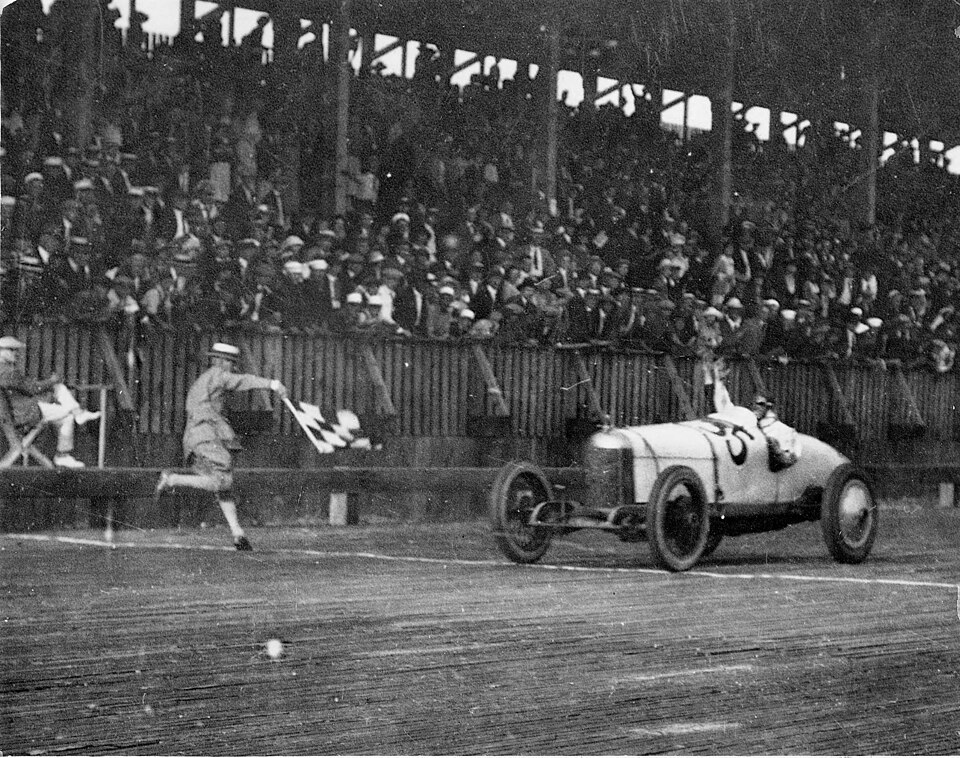
Championship victories as career markers
Championship victories serve as critical markers in a racing driver’s career progression, demonstrating their ability to compete successfully at each level of motorsport. Sarah Moore’s 2009 Ginetta Junior Championship win represented a significant career milestone, establishing her as a competitive driver in junior categories and opening doors to higher levels of racing. Championship victories provide more than just trophies and prize money; they validate a driver’s skills, attract attention from teams and sponsors, and create momentum for career advancement.
The progression through different championship categories allows drivers to develop specific skills relevant to each racing format, from the wheel-to-wheel racing of single-make championships to the strategic demands of endurance racing. Moore’s 2018 Britcar Endurance Championship victory demonstrated her ability to compete successfully in longer-format races, requiring different skills than sprint racing, including race management, team coordination, and physical endurance. These championship achievements create a track record of success that teams and sponsors evaluate when considering drivers for higher-level opportunities.
Historic achievements and representation
Historic achievements in professional racing often represent significant milestones for both individual drivers and broader representation in motorsport. Sarah Moore’s career includes several groundbreaking achievements that have advanced diversity and inclusion in racing. Her victory in the Ginetta Junior Championship made her the first woman to win a mixed-gender, national-level junior series in the UK, challenging traditional gender barriers in motorsport.
The 2018 Britcar Endurance Championship win established her as the first female overall winner of this prestigious endurance series, demonstrating that women can compete successfully in all racing formats. Perhaps most significantly, her 2021 achievement as the first openly LGBTQ+ driver to stand on a podium at an F1 Grand Prix weekend represented a historic moment for LGBTQ+ representation in motorsport.
These achievements serve multiple purposes: they validate the individual driver’s skills and determination, they inspire other underrepresented groups to pursue racing careers, and they contribute to changing perceptions about who can succeed in professional motorsport. Such barrier-breaking achievements often create opportunities for future generations of diverse drivers.
The role of coaching and development
Coaching and development play increasingly important roles in modern racing careers, with experienced drivers contributing to the sport’s growth through structured development programs. Sarah Moore’s transition from competitive driver to coach exemplifies this trend, as she now leverages her 25 years of racing experience and eight years of coaching experience to develop the next generation of drivers. This coaching experience allows successful drivers to pass on the winning edge they developed through their own careers, providing valuable insights into racecraft, strategy, and the mental aspects of competition.
Modern driver development extends beyond on-track coaching to include data analysis, physical conditioning, and mental preparation, reflecting the increasingly professional nature of motorsport. Development programs like More Than Equal focus on identifying talented drivers early and providing comprehensive support to help them progress through the racing categories.
This structured approach to driver development helps ensure that talented individuals, regardless of their background, have opportunities to pursue professional racing careers. The involvement of experienced drivers in coaching and development also helps maintain high standards in the sport while promoting diversity and inclusion.
The most counter-intuitive finding in professional racing is that success requires both exceptional talent AND significant financial resources, not just driving skill alone. Aspiring drivers should focus on karting development while simultaneously building sponsorship relationships and seeking out development programs like More Than Equal that provide structured pathways to professional racing. The racing driver career path demands dedication, strategic planning, and often substantial financial backing, but for those who navigate these challenges successfully, it offers the opportunity to compete at the highest levels of motorsport.
Frequently Asked Questions About Racing Driver Career Path
Why is F1 not mixed gender?
F1 isn't mixed gender because statistically few women progress through the karting and feeder series pipeline to reach F1, as outlined in the career progression section of the article.
Who is the most famous female race car driver?
Danica Patrick is the most famous female race car driver, known for her 2008 Indy Japan 300 win—the only IndyCar Series victory by a woman—highlighting career milestones in professional racing.
Are females allowed to be in F1?
Yes, there are no official rules preventing women from racing in F1, as discussed in the article's section on career progression and inclusivity in racing paths.
