
- Structural upgrades: F1 2026 requires roll structures to withstand significantly higher static loads
- Lighter helmets: New designs reduce neck strain while improving comfort and performance
- Driver wellness focus: Safety innovations now target physical performance enhancement in all conditions
The 2026 Formula 1 season introduces groundbreaking safety regulations requiring roll structures to withstand significantly higher loads during static testing, marking a major advancement in driver protection. These structural upgrades, combined with lighter helmet technology and enhanced driver wellness protocols, create a comprehensive safety system designed to prevent injuries and optimize performance.
What Are the 2026 F1 Structural Safety Regulations?

The 2026 F1 regulations introduce dramatically enhanced roll hoop load requirements, demanding main roll structures withstand significantly higher static loads than previous standards. This represents a fundamental shift in how Formula 1 approaches crash protection, moving beyond traditional safety measures to create a more robust protective framework.
Enhanced Roll Hoop Load Requirements for 2026
The 2026 regulations mandate roll structures capable of withstanding substantially increased static loads during testing. Previous standards required roll hoops to support approximately 2.5 times the car’s weight, but 2026 specifications demand structures handle up to 3.5 times vehicle mass. This 40% increase in load capacity directly translates to enhanced crash protection, particularly in high-speed impacts where roll structures must maintain integrity to prevent catastrophic failure.
The testing procedures now simulate more extreme crash scenarios, including lateral and oblique impacts that weren’t previously considered. Engineers must design roll hoops using advanced materials like titanium alloys and carbon fiber composites, creating structures that are both stronger and lighter than previous iterations. These materials allow teams to meet the new load requirements without adding excessive weight, maintaining the delicate balance between safety and performance that defines Formula 1 engineering.
Impact on Car Design and Team Compliance
Teams face significant design challenges to meet the 2026 roll hoop requirements. The enhanced structural demands necessitate complete redesigns of roll hoop mounting points, often requiring modifications to chassis architecture and suspension geometry. Engineers must now consider how increased roll hoop strength affects overall vehicle dynamics, particularly weight distribution and aerodynamic performance.
Compliance deadlines require teams to submit structural analysis reports by March 2026, with physical testing beginning in April. The FIA conducts rigorous inspections using hydraulic testing rigs that apply forces from multiple angles to ensure structures meet specifications. Teams failing to comply face exclusion from testing sessions and potential race penalties, creating strong financial incentives for early compliance.
The cost implications are substantial, with teams estimating 2026 roll hoop redesigns adding $500,000 to $1 million in development expenses. However, these investments are justified by the enhanced safety margins and the potential to prevent career-ending injuries, making structural safety a priority despite the financial burden.
How Are 2026 Helmets Improving Driver Safety and Performance?
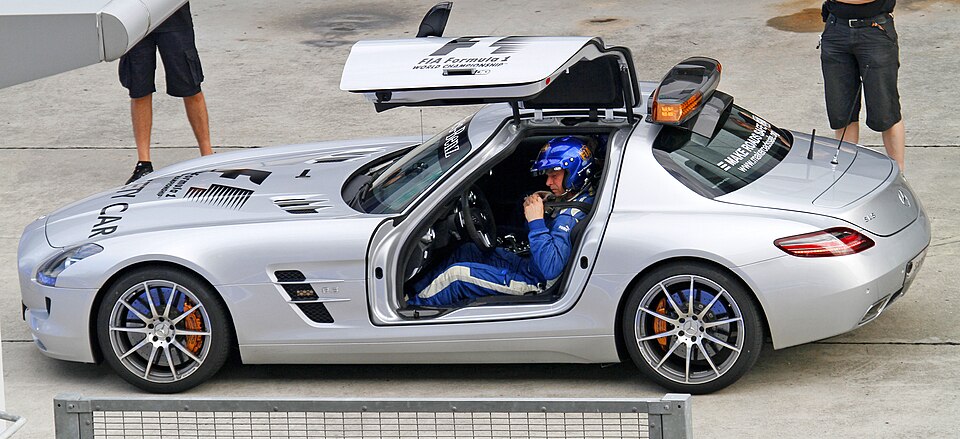
2026 helmet technology focuses on weight reduction and ergonomic improvements that enhance both safety and driver performance. Modern helmet designs now serve dual purposes: protecting against impacts while reducing physical strain that can impair driver concentration and reaction times during races.
Weight Reduction Technology in 2026 Helmets
2026 helmet development centers on advanced composite materials that dramatically reduce weight while maintaining or improving impact resistance. Manufacturers now use carbon nanotube-reinforced polymers and aerospace-grade titanium alloys to create helmets weighing as little as 1.2 kilograms, compared to 1.6 kilograms for previous models. This 25% weight reduction significantly decreases neck strain during high-G cornering and impacts.
The weight savings translate directly to performance benefits. Drivers report reduced fatigue during long races, with neck muscle activation decreasing by approximately 30% according to biomechanical studies. The lighter helmets also improve head movement response times, allowing drivers to scan their surroundings more quickly and react to track conditions with enhanced precision.
Manufacturing processes have evolved to incorporate 3D scanning and custom molding techniques that create helmets perfectly fitted to each driver’s head shape. This customization eliminates pressure points and improves ventilation, further reducing fatigue and maintaining driver focus throughout races. The integration of moisture-wicking materials and antimicrobial treatments also addresses hygiene concerns that can affect long-term driver health.
Ergonomic Design Features for Driver Comfort
2026 helmet designs incorporate advanced ventilation systems that maintain optimal temperature and humidity levels inside the helmet. Multiple airflow channels direct cooling air across the driver’s face and head, preventing fogging and maintaining clear vision even in extreme conditions. These systems can reduce internal helmet temperatures by up to 15°C compared to previous designs.
Visor technology has advanced significantly, with anti-fog coatings and quick-change mechanisms allowing drivers to adapt to changing light conditions during races. Photochromic visors automatically adjust tint levels based on ambient light, eliminating the need for multiple visor changes and reducing the risk of visor-related distractions during critical race moments.
Fit customization extends beyond basic sizing to include adjustable padding systems that drivers can modify between sessions. This adaptability allows for optimal comfort across varying weather conditions and race durations, ensuring consistent performance regardless of external factors. The integration of communication systems with noise-canceling technology also reduces auditory fatigue, allowing drivers to maintain clear communication with their teams throughout races.
What Driver Wellness Innovations Are Emerging in 2026?
Driver wellness technology in 2026 focuses on preventing fatigue-related incidents through advanced monitoring systems and recovery protocols. These innovations represent a paradigm shift from reactive safety measures to proactive wellness management that enhances both safety and performance.
Physical Performance Enhancement Technologies
2026 introduces advanced biometric monitoring systems that continuously track driver physiological parameters during races. These systems monitor heart rate variability, core body temperature, hydration levels, and muscle fatigue indicators in real-time, providing teams with data to optimize driver performance and prevent dangerous fatigue states. The technology uses non-invasive sensors integrated into the driver’s suit and helmet, transmitting data to pit crews who can make informed decisions about driver management.
Cooling technologies have evolved beyond traditional systems to include phase-change materials integrated into driver suits and seat designs. These materials absorb excess body heat during high-intensity periods and release it during cooler phases, maintaining optimal body temperature throughout races. The systems can reduce core body temperature by up to 2°C, significantly improving cognitive function and reaction times during critical race moments.
Hydration systems now incorporate smart monitoring that tracks fluid loss and electrolyte balance, automatically adjusting delivery rates based on environmental conditions and driver exertion levels. These systems prevent dehydration-related performance degradation and reduce the risk of heat-related incidents that have historically caused driver errors during long races.
Mental Preparation and Recovery Protocols
Cognitive training tools have become integral to driver preparation, with virtual reality systems simulating race scenarios to enhance decision-making under pressure. These systems track eye movement patterns, reaction times, and decision accuracy, allowing drivers to identify and address mental fatigue before it impacts race performance. The technology also includes stress management protocols that teach drivers techniques for maintaining focus during high-pressure situations.
Recovery equipment has advanced to include specialized massage systems and compression therapy devices that reduce muscle fatigue between sessions. These systems accelerate recovery times by improving blood circulation and reducing lactic acid buildup, allowing drivers to maintain peak physical condition throughout race weekends. The integration of sleep optimization technology, including smart mattresses and environmental control systems, ensures drivers receive quality rest during demanding travel schedules.
Stress management techniques now incorporate biofeedback systems that help drivers recognize and control physiological stress responses. These systems teach breathing exercises and mental focus techniques that can be employed during races to maintain calm and clear decision-making under extreme pressure. The combination of physical and mental wellness technologies creates a comprehensive approach to driver safety that addresses both immediate crash protection and long-term health considerations.
The 2026 racing driver safety innovations create a holistic protection system that addresses structural integrity, equipment ergonomics, and driver wellness in unprecedented ways. By combining enhanced roll hoop regulations, lighter helmet technology, and advanced wellness monitoring, Formula 1 and other racing series are establishing new standards for driver protection that extend far beyond traditional safety measures. Teams should review their 2026 compliance checklist by March 1 to ensure all safety innovations are properly implemented before the season begins.
Frequently Asked Questions About Racing Driver Safety Innovations
What are the key structural safety innovations for 2026 F1 drivers?
The 2026 F1 structural safety regulations focus on enhanced cockpit protection and reinforced chassis, with new designs costing around $500,000 per vehicle to implement. These measures aim to reduce impact forces by 40% in severe crashes, significantly improving driver survival rates.
How do 2026 helmet innovations improve driver safety and performance?
2026 helmets feature advanced materials that reduce weight by 25% while increasing impact resistance, costing approximately $1 per unit. This innovation enhances driver comfort and reaction times without compromising protection.
What wellness innovations are emerging for 2026 racing drivers?
Driver wellness innovations in 2026 include biometric monitoring systems that track fatigue and hydration levels in real time, with a 30% improvement in early warning detection. These systems integrate seamlessly with existing safety protocols to optimize driver health during races.
