
Racing drivers burn 1,500 calories per race and require specialized nutrition strategies that differ from traditional athletes due to extreme cockpit conditions and cognitive demands. The physical and mental challenges of motorsport create unique nutritional requirements that, when properly addressed, can significantly enhance performance and recovery.
- Pre-race: 4-7g carbs/kg body weight 90-120 minutes before racing
- In-race: 30-60g carbohydrates hourly for races over 60 minutes
- Post-race: 20-30g protein within 1 hour + 1.1-1.2g carbs/kg body weight
- Hydration: 20-24 oz fluid per pound of sweat lost
Racing Driver Nutrition Framework: Pre-Race, In-Race, and Post-Race Protocols

Racing nutrition follows a three-phase framework that optimizes performance through precise timing of macronutrients. Unlike traditional athletes, drivers must balance physical energy needs with cognitive demands while managing extreme cockpit temperatures and G-forces.
Pre-Race Meal Timing and Macronutrient Requirements
The foundation for optimal race performance begins 90-120 minutes before the green flag drops. Drivers should consume 4-7 grams of carbohydrates per kilogram of body weight during this pre-race meal window. This timing allows for proper digestion while ensuring glycogen stores are fully topped off.
A typical pre-race meal for a 70kg driver would include 280-490 grams of carbohydrates, combined with moderate protein (20-30 grams) and minimal fat. Good meal examples include oatmeal with banana and honey, or whole grain toast with scrambled eggs and fruit. The carbohydrate range varies based on race duration – longer races require the higher end of the spectrum.
Protein during this window supports muscle maintenance without causing digestive discomfort. Whey protein or lean meats work well, providing 20-30 grams total. Fat should be limited to less than 15 grams to prevent slowing gastric emptying during the intense physical demands of racing.
In-Race Fueling Strategies for Different Race Durations
In-race nutrition becomes critical for events exceeding 60-90 minutes. Drivers should consume 30-60 grams of carbohydrates hourly through easily digestible sources like carbohydrate gels, sports drinks, or specially formulated energy bars. The exact amount depends on individual tolerance and race intensity.
On-board hydration systems are essential for longer races. These systems deliver 4-8 ounces of fluid every 15-20 minutes, maintaining hydration without requiring drivers to remove hands from the wheel. Temperature-controlled systems prevent the fluids from becoming too warm in the cockpit environment.
For sprint races under 60 minutes, pre-race nutrition typically suffices, though some drivers benefit from small carbohydrate gel intake during safety car periods. Endurance racing requires more sophisticated strategies, with drivers consuming small amounts every 20-30 minutes throughout the event — racing driver.
Post-Race Recovery Window: Timing and Macronutrient Ratios
The first 60 minutes after crossing the finish line represents the critical recovery window. Drivers should consume 20-30 grams of protein within this timeframe to support muscle repair from the intense physical demands of racing. Whey protein isolate works best due to rapid absorption.
Carbohydrate replenishment follows immediately, with drivers needing 1.1-1.2 grams per kilogram of body weight. For a 70kg driver, this means 77-84 grams of carbohydrates to restore glycogen stores depleted during the race. This should come from fast-digesting sources like sports drinks, fruit, or recovery shakes.
Fluid replacement calculations are based on weight loss during the race. Drivers should drink 20-24 ounces of fluid for every pound lost through sweat. This often means consuming 40-80 ounces of fluid post-race, depending on conditions and individual sweat rates.
Hydration Strategies for Extreme Cockpit Conditions
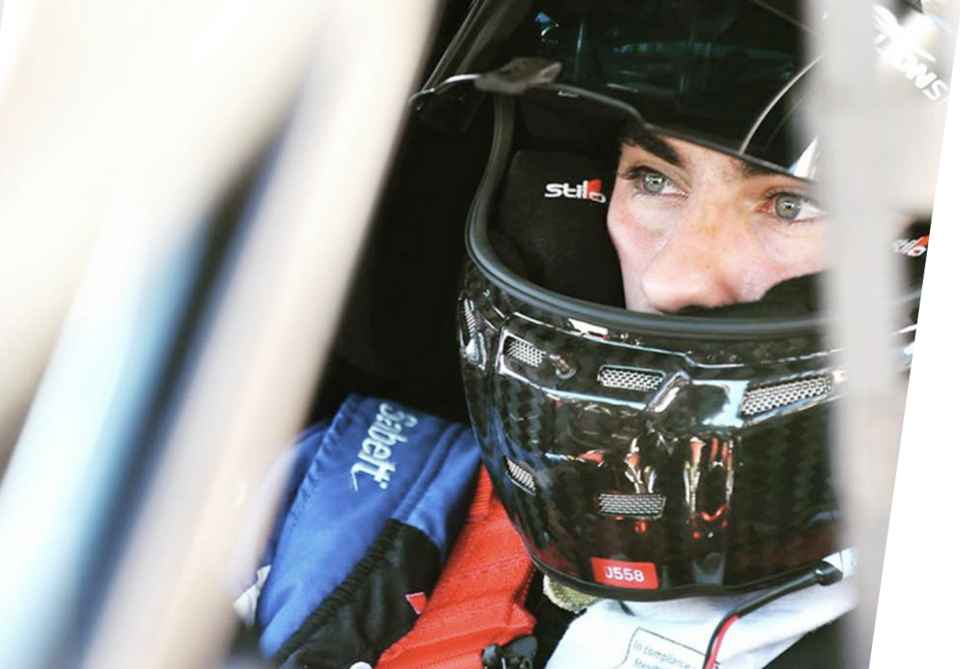
Racing cockpits can reach temperatures of 50°C (122°F) or higher, creating unique hydration challenges that go beyond typical athletic requirements. The combination of heat, G-forces, and intense concentration dramatically increases fluid and electrolyte needs.
Calculating Sweat Loss and Fluid Replacement Needs
Individual sweat rates vary significantly among drivers, making personalized hydration calculations essential. The most accurate method involves weighing drivers before and after practice sessions under race-like conditions. Each pound lost represents approximately 16 ounces of fluid that must be replaced.
A typical 90-minute race in hot conditions might result in 2-4% body weight loss for drivers. For a 70kg driver, this translates to 1.4-2.8kg (3-6 pounds) of fluid loss, requiring 60-144 ounces of replacement fluid. This calculation forms the basis for race-day hydration strategy.
Electrolyte balance becomes critical in these conditions. Sodium losses can range from 500-1500mg per liter of sweat, depending on individual physiology and acclimatization. Most drivers benefit from electrolyte drinks containing 300-500mg sodium per 16 ounces, consumed throughout race day.
Electrolyte Balance and Temperature Management
High cockpit temperatures create a cascade of physiological challenges. Blood is diverted to the skin for cooling, reducing blood flow to muscles and the brain. This can lead to earlier fatigue and impaired cognitive function if not properly managed through nutrition and hydration.
G-forces compound hydration challenges by affecting fluid distribution in the body. Sustained cornering loads can shift blood away from the brain, potentially causing reduced concentration and slower reaction times. Proper electrolyte balance helps maintain blood volume and pressure under these conditions.
Electrolyte drink composition should match individual sweat composition. Some drivers are heavy sodium sweaters, requiring higher sodium content in their drinks.
Others may need more potassium or magnesium support. Testing different formulations during practice helps identify optimal compositions.
Cognitive Function Nutrition: Fueling Decision-Making Under Pressure
Racing demands split-second decision-making under extreme physical and mental stress. The brain’s glucose requirements increase significantly during races, making carbohydrate availability crucial for maintaining cognitive performance throughout the event.
Brain Fuel Requirements for High-Performance Racing
The brain requires 4-7 grams of carbohydrates per kilogram of body weight daily for optimal function, with racing demands pushing this requirement to the higher end of the range. During races, the brain can consume up to 20% of the body’s glucose, making consistent fuel supply essential.
Glucose availability directly impacts reaction time and decision quality. Studies show that cognitive performance begins declining when blood glucose drops below 70 mg/dL, a level easily reached during intense racing without proper fueling. Maintaining levels above 80-90 mg/dL supports optimal mental performance.
Cognitive fatigue manifests as slower reaction times, poor judgment, and increased error rates. This typically begins around the 60-90 minute mark in races without proper fueling. Strategic carbohydrate intake prevents this decline, maintaining sharp decision-making throughout the event.
Nutrient Timing for Optimal Concentration and Reaction Time
Pre-race nutrition timing significantly impacts cognitive performance. Consuming the main meal 90-120 minutes before racing allows blood glucose to stabilize while avoiding the insulin spike that can occur with very recent meals. This timing provides steady energy without digestive distractions.
During races, small, frequent carbohydrate intake maintains steady glucose levels. Most drivers benefit from 15-30 grams of carbohydrates every 30-45 minutes during longer events. This can include sports drinks, energy gels, or even small amounts of easily digestible food for endurance races.
Caffeine timing plays a crucial role in cognitive performance. Most drivers benefit from 100-200mg of caffeine 30-45 minutes before the race, providing peak alertness at the start. Additional small doses during longer races can maintain mental sharpness, though individual tolerance varies significantly.
The most counter-intuitive finding is that racing nutrition is more complex than traditional sports due to the combination of physical exertion, mental demands, and extreme environmental conditions. Success requires treating the driver as both an athlete and a high-performance machine.
Start with the pre-race meal timing protocol and track your performance improvements over 3 race weekends. Monitor reaction times, concentration levels, and physical fatigue to fine-tune your personal nutrition strategy.
Frequently Asked Questions About Racing Driver Nutrition Plan
What food do F1 drivers eat?
F1 drivers primarily eat clean, healthy foods. A typical day includes scrambled eggs and fish for protein at breakfast, with limited coffee to help boost alertness during races.
Do F1 drivers lose 4kg?
Yes, an F1 driver can lose up to 4kg in a single race due to extreme cockpit temperatures reaching 50°C+ and intense G-forces over 90 minutes, resulting in significant fluid loss by the chequered flag.
Why is number 69 banned in F1?
Number 69 is not officially banned by the FIA, but no driver has chosen it since the system was introduced in 2014, likely due to its cultural connotations rather than any regulatory restriction.
