
Racing drivers in 2026 need specialized equipment that meets strict safety standards while enhancing performance. The latest gear combines cutting-edge protection with lighter materials and advanced cooling systems to help drivers maintain stamina during long races.
Essential racing driver equipment for 2026
- Snell SA2025 helmets mandatory for IMCA 2026 compliance
- FIA homologated fire suits and HANS devices required across series
- 6-point harnesses recommended for optimal track safety
- Performance gear includes cooling systems and lightweight materials
- Tiered packages available from beginner to expert levels
What Safety Equipment Do Racing Drivers Need in 2026?
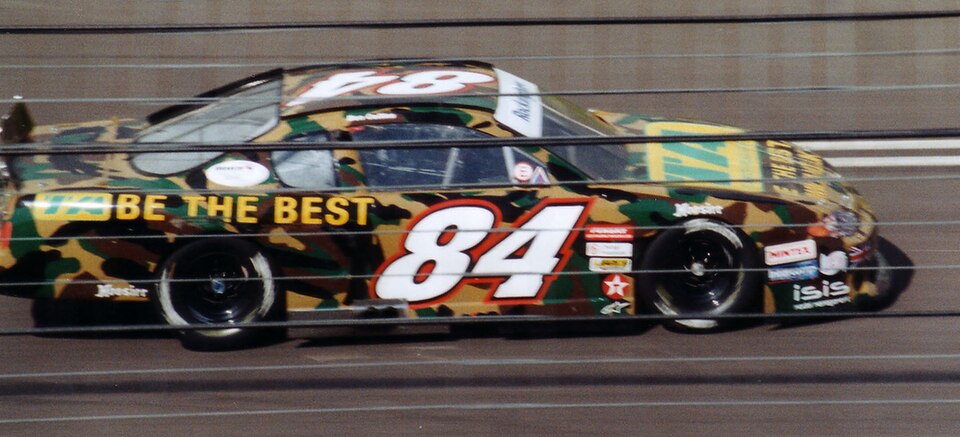
Racing safety equipment has evolved significantly for the 2026 season, with new standards and requirements across all major racing series. Drivers must now meet specific compliance criteria to compete in professional events.
Snell SA2025 Helmet Requirements and Ratings
- SA2025 mandatory for 2026: IMCA Modified rules now require SA2025 certification for all competitors, replacing older SA2015 and SA2020 standards
- Enhanced protection features: SA2025 helmets provide improved impact protection and fire resistance with stricter energy absorption testing
- Certification verification: Drivers should look for the Snell SA2025 certification label inside the helmet before purchase
- Fit requirements: The helmet should sit level on the head with no pressure points, cheek pads should contact the face without discomfort
- Sizing options: Most manufacturers offer sizing kits to ensure proper fit before purchase, critical for maximum protection
The Snell Memorial Foundation updated helmet standards for 2026, requiring SA2025 certification for all professional racing events. IMCA Modified rules now mandate SA2025 helmets for all competitors, replacing older SA2015 and SA2020 standards. SA2025 helmets provide enhanced impact protection and fire resistance compared to previous models.
The new standard includes improved energy absorption testing and stricter fire rating requirements. Drivers should look for the Snell SA2025 certification label inside the helmet.
Fire-Resistant Suits and FIA Homologation Standards
- SFI/FIA certification required: Multi-layer suits provide better protection than single-layer alternatives for 2026 competition
- Minimum standards: Most professional series require at least SFI 3.2A/5 or FIA 8856-2000 certification
- 2024 safety guides: The FIA Foundation launched new motor sport safety equipment guides expanding recommendations for seat and harness installation
- Base layer requirements: Fire-resistant underwear, socks, and balaclavas create additional barriers between driver and potential fire hazards
- Cooling integration: Many drivers now use cooling base layers that provide both fire protection and temperature regulation
Fire-resistant suits must meet SFI or FIA homologation standards for 2026 competition. Multi-layer suits provide better protection than single-layer alternatives, with most professional series requiring at least SFI 3.2A/5 or FIA 8856-2000 certification. The FIA Foundation launched new motor sport safety equipment guides in 2024, expanding recommendations to include proper seat and harness installation.
These guides emphasize the importance of FIA-homologated gear for maximum protection. Base layers are essential components of fire protection systems.
Fire-resistant underwear, socks, and balaclavas create additional barriers between the driver and potential fire hazards. Many drivers now use cooling base layers that provide both fire protection and temperature regulation.
HANS Devices, Harnesses, and Head/Neck Restraints
- Mandatory across series: Head and Neck Support (HANS) devices have become mandatory for 2026 competition
- Whiplash prevention: These devices prevent neck injuries during high-speed impacts by keeping the head aligned with the body
- 6-point harness configuration: Includes two shoulder straps, two lap belts, and two anti-submarine belts for optimal restraint
- Installation critical: Proper installation and adjustment are essential for maximum effectiveness of safety systems
- Complementary protection: Head/neck restraint systems work with HANS devices for comprehensive crash protection
Head and Neck Support (HANS) devices have become mandatory across most racing series for 2026. These devices prevent whiplash injuries during high-speed impacts by keeping the head aligned with the body during crashes. 6-point harnesses provide optimal restraint for track safety.
The configuration includes two shoulder straps, two lap belts, and two anti-submarine belts that secure the driver firmly in the seat. Proper installation and adjustment are critical for maximum effectiveness.
Head/neck restraint systems work in conjunction with HANS devices to provide comprehensive protection. These systems include padded head surrounds and specialized seat designs that limit head movement during impacts.
How Performance Gear Enhances Driver Endurance and Safety
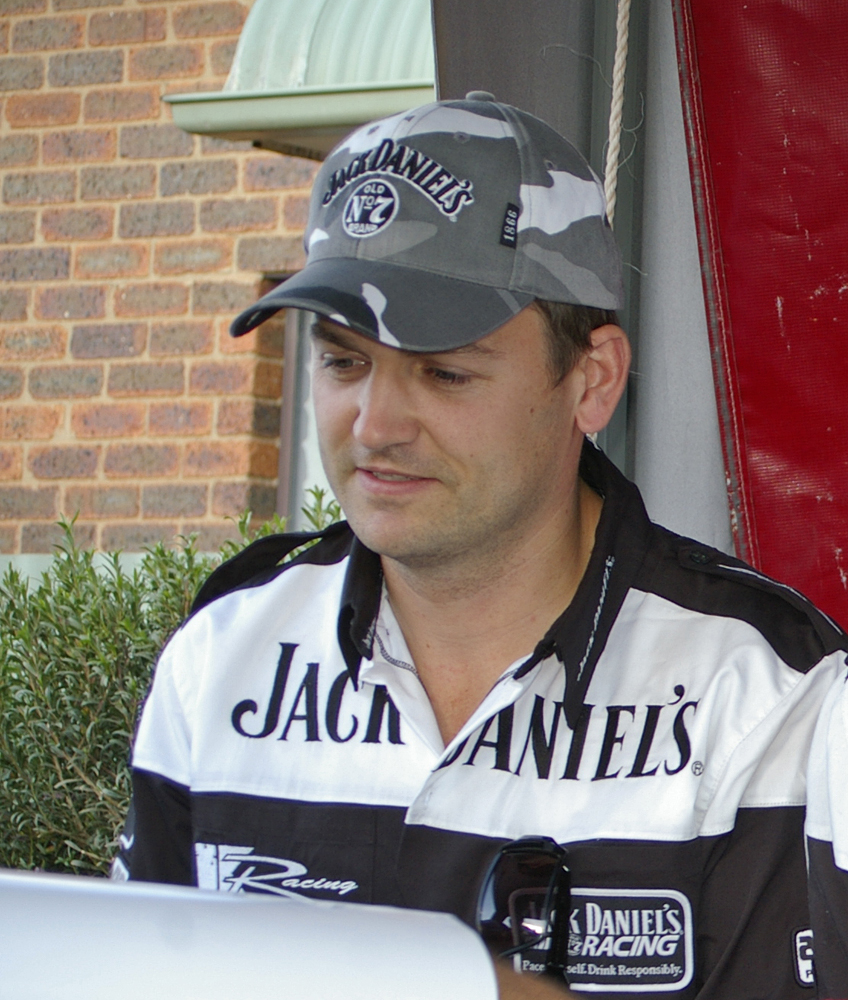
Modern racing equipment focuses not just on safety but also on driver performance and comfort. The latest gear incorporates advanced materials and designs that help drivers maintain focus and stamina throughout long races — racing driver.
Lightweight Materials and Cooling Systems for 2026
- 30% weight reduction: Advanced composite materials reduce weight by up to 30% while maintaining or improving safety ratings
- Integrated ventilation: Cooling systems include ventilation channels in helmets and suits for temperature regulation
- Fatigue reduction: Better cooling helps regulate body temperature during intense racing conditions
- Performance benefits: Lighter gear reduces overall vehicle weight, improving acceleration and handling
- Endurance improvements: Many drivers report better stamina during long races with modern lightweight equipment
New 2026 gear emphasizes lighter materials and better cooling to maintain driver stamina. Manufacturers have developed advanced composite materials that reduce weight by up to 30% while maintaining or improving safety ratings. Cooling systems have become more sophisticated, with integrated ventilation channels in helmets and suits.
These systems help regulate body temperature during intense racing conditions, reducing fatigue and improving concentration. Weight reduction benefits extend beyond comfort to actual performance.
Lighter gear reduces the overall vehicle weight, improving acceleration and handling. Many drivers report better endurance during long races with modern lightweight equipment.
Advanced Audio Communications and Telemetry
- Noise cancellation technology: Helmet-mounted microphones with noise cancellation allow clear communication at high speeds
- Real-time updates: Team communication provides track conditions, competitor positions, and mechanical issue alerts
- Telemetry integration: Many systems now integrate with vehicle performance data for comprehensive monitoring
- Backup reliability: Redundant radio frequencies and battery systems prevent communication failures
- Safety enhancement: Clear communication improves race strategy and emergency response capabilities
Racing audio communication systems have evolved to provide clearer, more reliable team communication. Helmet-mounted microphones with noise cancellation allow drivers to hear instructions clearly even at high speeds with open windows. Team communication benefits extend to safety, with real-time updates about track conditions, competitor positions, and mechanical issues.
Many systems now integrate with telemetry data, allowing teams to monitor vehicle performance while communicating with the driver. Modern communication equipment includes backup systems to ensure reliability. Redundant radio frequencies and battery systems prevent communication failures during critical race moments.
What Equipment Packages Are Available for Different Skill Levels?
Racing equipment manufacturers and track facilities now offer tiered packages designed for different experience levels, from beginners to professional racers. These packages bundle essential gear with appropriate safety ratings for each skill level.
Beginner, Intermediate, and Expert Tiered Packages
| Package Level | Helmet Standard | Fire Suit Rating | Communication Features | Price Range |
|---|---|---|---|---|
| Beginner | Snell SA2015 | Single-layer | Basic | $1,500-$2,000 |
| Intermediate | Snell SA2020 | Multi-layer | Enhanced | $2,500-$3,500 |
| Expert | Snell SA2025 | FIA 8856-2000 | Advanced telemetry | $4,000-$5,500+ |
Autobahn Country Club offers comprehensive 2026 equipment packages for different skill levels. Their beginner package includes basic safety gear suitable for novice drivers, while intermediate and expert packages add performance features and higher safety ratings. Beginner packages typically include Snell SA2015 helmets, single-layer fire suits, and basic HANS devices.
These packages focus on essential safety at affordable prices, making racing accessible to newcomers. Intermediate packages upgrade to SA2020 helmets, multi-layer fire suits, and improved communication systems. These packages balance cost with enhanced performance features for drivers progressing in their racing careers.
Expert packages feature SA2025 helmets, FIA 8856-2000 homologated suits, and advanced telemetry integration. These top-tier packages provide maximum protection and performance for professional racers and serious enthusiasts.
Cost Considerations and Equipment Maintenance
- Budget ranges: Basic beginner packages start around $1,500, while professional-grade equipment can exceed $5,000
- Helmet maintenance: Regular inspection for cracks or damage, proper cleaning with approved products, storage in cool dry places
- Replacement schedule: Most manufacturers recommend replacing helmets every 5 years or after any impact
- Fire suit care: Machine washing with mild detergent acceptable, but fabric softeners should be avoided as they compromise fire protection
- Wear indicators: Suits should be replaced if they show signs of wear or after exposure to fuel or oil
Essential racing gear costs vary significantly based on quality and certification level. Basic beginner packages start around $1,500, while professional-grade equipment can exceed $5,000 for complete setups. Maintenance tips for helmets include regular inspection for cracks or damage, proper cleaning with approved products, and storage in cool, dry places away from direct sunlight.
Most manufacturers recommend replacing helmets every 5 years or after any impact. Fire suits require careful cleaning to maintain fire-resistant properties. Machine washing with mild detergent is acceptable for most suits, but fabric softeners should be avoided as they can compromise fire protection.
Suits should be replaced if they show signs of wear or after exposure to fuel or oil. Safety equipment replacement schedules vary by component. Helmets should be replaced after any impact or every 5 years.
Harnesses typically need replacement every 2-3 years due to webbing degradation. Fire suits should be replaced if damaged or every 3-5 years depending on usage.
Lighter gear improves endurance by reducing fatigue over long races. The weight savings may seem minimal individually, but over a 2-3 hour race, the cumulative effect on driver stamina is significant. Before purchasing any safety equipment, always verify FIA homologation to ensure compliance with current racing standards.
