
Sarah Moore’s journey from karting at age 4 to becoming a champion exemplifies the structured progression path that defines successful racing driver careers. The motorsport world operates on clear ladders where drivers advance through increasingly competitive tiers based on performance, with development programs providing crucial support along the way.
Key takeaway
- Racing driver careers follow structured ladders from karting through junior categories to professional series
- Driver development programs provide crucial coaching, mentorship, and career management support
- Success requires both on-track performance and off-track skills like sponsorship acquisition and personal branding
- Financial investment is substantial at every career stage, with many drivers relying on sponsorships or family support
How Racing Drivers Progress Through Career Ladders
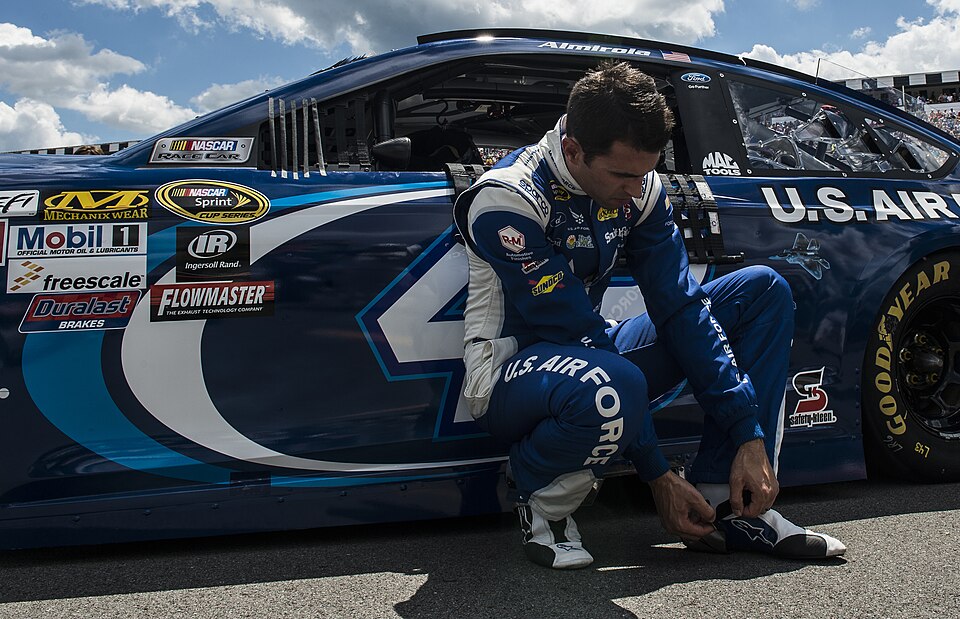
Professional motorsport features distinct “ladders” or sequential series that drivers progress through based on their performance and results. This structured approach ensures that drivers develop the necessary skills and experience before advancing to higher levels of competition.
From Karting to Junior Categories: The Foundation Years
Karting serves as the fundamental starting point for aspiring professional racing drivers. Most begin between ages 4-8, developing core racing skills in controlled environments. Sarah Moore started karting at age 4, establishing the foundation for her future success.
- Karting development – Early years focus on basic car control, racing lines, and competitive instincts in small, lightweight vehicles
- Regional competitions – Local and national karting championships build experience and reputation
- Transition timing – Most drivers move to car racing between ages 12-16, depending on their karting success
- Skill transfer – Karting teaches weight transfer, momentum management, and racecraft that apply to all racing disciplines
From karting, drivers typically progress through increasingly sophisticated categories:
- Formula 4 series – Entry-level single-seaters where drivers learn car control and racecraft on a budget of approximately £100,000 per season
- Formula 3 championships – Higher performance cars with more advanced competition, costing £300,000-£500,000 annually
- Formula 2 – The final step before Formula 1, featuring the most advanced junior single-seaters with budgets exceeding £1 million per season
- Junior GT and endurance series – Including Ginetta championships and Britcar Endurance Championship, offering alternative pathways to professional racing
Performance in each tier determines advancement opportunities. Drivers who consistently win races and championships attract attention from teams and sponsors, opening doors to higher levels of competition. The progression typically takes 8-12 years from initial karting to reaching professional series.
Performance Metrics That Drive Advancement
Success in lower categories translates directly to career opportunities. Teams and sponsors evaluate drivers based on specific performance indicators that demonstrate their potential for higher levels.
- Championship victories – Winning series titles proves dominance over competitive fields and attracts top team interest
- Podium consistency – Regular top-three finishes show reliability and speed across different tracks and conditions
- Fastest lap records – Setting track records demonstrates raw pace and technical understanding
- Racecraft metrics – Overtaking statistics, defensive skills, and race management abilities separate good from great drivers
- Adaptability scores – Performance across different car types, weather conditions, and track layouts
Sarah Moore’s career provides clear examples of how performance drives advancement. She won the Ginetta Junior Championship in 2009, becoming the first female to achieve this milestone. This victory opened doors to higher-level competition and established her as a driver to watch in the motorsport community.
Historic achievements also play a crucial role in career progression. Moore became the first openly LGBTQ+ driver on an F1 Grand Prix podium in 2021, breaking barriers while demonstrating competitive excellence.
Such milestones attract media attention, sponsor interest, and opportunities that purely statistical performance might not provide. Her achievement represents significant progress in LGBTQ+ representation in motorsport, inspiring greater diversity in the sport.
The Role of Driver Development Programs in Career Advancement

Driver development programs provide comprehensive support beyond just driving skills. These programs are vital for identifying, nurturing, and advancing talented drivers through the competitive motorsport ladder. Professional racing driver coaching forms a cornerstone of these development programs, offering advanced techniques that transform raw talent into competitive performance.
What Driver Development Programs Provide
Development programs offer extensive resources that accelerate driver progression and provide support that individual drivers or families cannot easily access on their own.
- Advanced coaching and technical feedback – Professional instructors analyze driving techniques using telemetry data, video analysis, and performance metrics to provide specific improvement strategies
- Simulator training – Virtual practice on tracks worldwide, allowing drivers to learn circuits before physical testing, saving costs and improving preparation
- Physical conditioning – Motorsport-specific fitness training to handle G-forces, maintain concentration for 2+ hour races, and recover quickly between events
- Mental preparation – Sports psychology techniques for race focus, pressure management, and overcoming setbacks and crashes
- Media training – Communication skills for interviews, sponsor interactions, fan engagement, and building a personal brand
- Career management – Guidance on contract negotiations, team selection, long-term planning, and when to advance to next levels
- Sponsorship support – Assistance in securing financial backing, building commercial relationships, and managing sponsor activations
- Pipeline to F1 and IndyCar – Direct pathways to top-tier professional racing series through established relationships with teams
These comprehensive programs typically cost £50,000-£200,000 annually but provide resources worth significantly more. Many successful drivers credit their development program experience as crucial to their professional advancement, as the support extends far beyond what individual coaching or family backing can provide.
Major Development Programs and Their Impact
Several organizations run successful development programs that have launched professional careers. These programs identify talent through rigorous selection processes and provide the resources needed to compete at higher levels.
- McLaren Driver Academy – Provides comprehensive training and often supplies drivers to McLaren’s F1 team, with alumni including multiple race winners and champions
- Porsche Junior Program – Focuses on GT and endurance racing development with clear advancement paths to factory teams and international competitions
- Red Bull Junior Team – Known for identifying young talent and providing direct pathways to Red Bull’s F1 operation
- FIA Formula 2 and Formula 3 – Sanctioned series that serve as the final stepping stones to F1, with teams actively scouting for future stars
- Dedicated racing academies – Specialized institutions offering year-round training and competition opportunities with structured progression
The impact of these programs extends beyond individual driver success. They create a professional ecosystem where talent identification, development, and advancement follow systematic processes rather than relying solely on individual breakthroughs or family connections.
Key Milestones and Financial Investment in Racing Careers

Career progression involves both achieving significant milestones and managing substantial financial investment throughout the journey. Understanding both aspects is crucial for aspiring drivers and their families.
Career Milestones That Define Success
Key achievements mark successful career progression and build a driver’s reputation in the motorsport community. Winning national or international junior championships establishes dominance in competitive categories like Ginetta Junior, Formula Ford, or Formula 4. Sarah Moore’s achievements as the first female Britcar Endurance champion (2018) and first openly LGBTQ+ driver on an F1 podium demonstrate how female racing drivers continue breaking barriers in the sport.
- Winning national or international junior championships – Establishing dominance in competitive categories like Ginetta Junior, Formula Ford, or Formula 4
- Becoming first in a category – Sarah Moore’s achievements as the first female Britcar Endurance champion (2018) and first openly LGBTQ+ driver on an F1 podium
- Securing podium finishes in professional series – Demonstrating ability to compete at the highest levels against experienced drivers
- Historic firsts – Breaking barriers and setting new precedents in various racing disciplines, creating legacy beyond pure performance
- Team championships – Contributing to constructor titles shows teamwork and consistency valued by manufacturers
- International representation – Competing for national teams in events like the EFDA Nations Cup or similar international competitions
These milestones build a driver’s reputation and attract opportunities from top teams and sponsors. Each achievement serves as a stepping stone, with successful drivers typically achieving 3-5 major milestones before reaching the highest levels of professional racing.
The Financial Reality of Racing Driver Careers
Pursuing a racing career requires exceptional financial investment at every stage. The costs increase dramatically as drivers advance through the categories, often determining who can continue progressing through the ranks.
- Karting expenses – Initial equipment ($5,000-$15,000), track rentals ($200-$500 per day), maintenance, and race entry fees ($500-$2,000 per event)
- Junior series participation – Entry fees ($10,000-$50,000 per season), travel costs, vehicle acquisition or rental ($30,000-$100,000), and ongoing maintenance
- Professional series requirements – Higher performance vehicles ($200,000-$1,000,000), extensive travel needs, team support costs, and insurance premiums
- Self-funded vs sponsored routes – Some drivers rely on personal funding while others secure sponsorships, with sponsorship often requiring equal investment in personal branding and networking
- Family support – Many successful drivers receive significant backing from family members, with some families investing over $500,000 in a driver’s career
- Development program benefits – Some programs offset costs through provided equipment, team support, and travel arrangements, though often requiring performance commitments
- Career transition costs – Switching teams, categories, or locations can require additional investment in equipment and adaptation
The total investment from karting through professional racing often exceeds $1-2 million, making financial planning and sponsorship acquisition crucial skills. Many drivers spend more time securing funding than actually driving, highlighting how off-track business acumen often determines career longevity as much as on-track performance.
The most counter-intuitive finding is that while raw talent is important, the structured development pathway and financial backing often determine who reaches the top levels of professional racing. Success requires equal parts on-track performance and off-track business acumen. Sarah Moore’s career exemplifies this balance – her talent earned her championships, but her strategic career management, sponsorship relationships, and barrier-breaking achievements created opportunities that pure performance alone might not have provided.
Aspiring drivers should research local karting programs and driver development academies to understand the entry requirements and costs involved in starting this career path. The journey from karting at age 4 to professional racing demands dedication, resources, and strategic career management, but the structured ladder system provides clear progression opportunities for those who can navigate both the sporting and financial challenges.
