
Racing drivers face unique injury recovery challenges that combine high-speed impacts with the need to return to elite performance levels. Sarah Moore’s 2021 six-car pile-up at Spa demonstrates how modern safety systems and professional rehabilitation protocols enable drivers to survive 135mph crashes and race again the following day.
Key Takeaway
-
Racing driver injury recovery combines modern safety technology like the halo device with professional rehabilitation protocols
-
Mental resilience is as critical as physical recovery for drivers returning after high-speed incidents
-
Sarah Moore’s 2021 Spa crash demonstrates how safety systems prevent serious injury while enabling rapid return to competition
Modern Safety Systems: The Foundation of Racing Driver Recovery
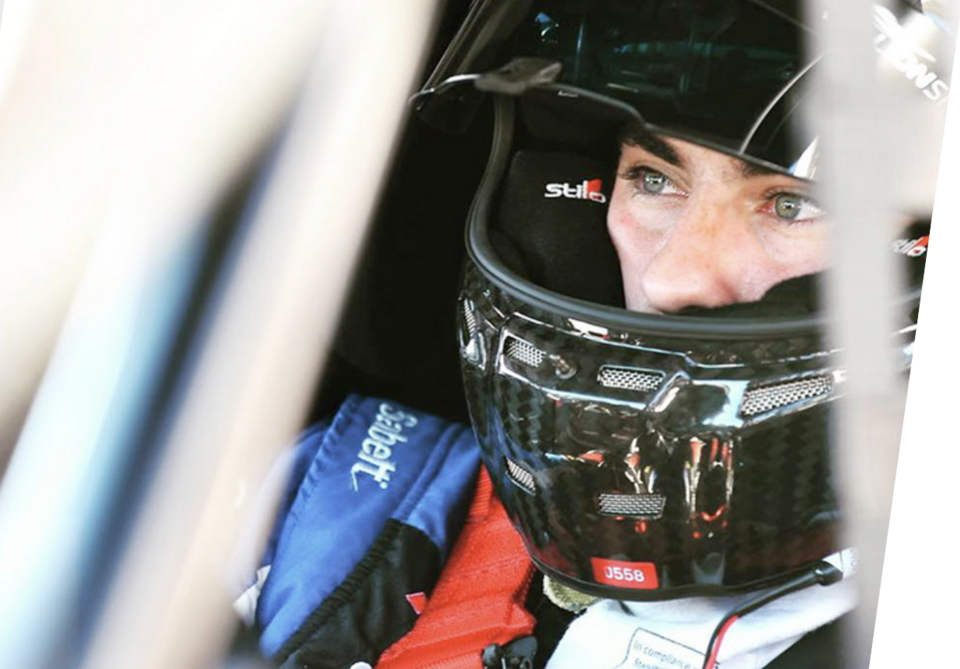
The foundation of racing driver injury recovery begins with modern safety systems that protect drivers during high-speed impacts. These systems determine whether a driver can return to competition safely after serious incidents. The evolution of racing safety over the past two decades has transformed crash survival from a matter of luck to a predictable outcome based on engineering and design principles.
Halo Device Protection: How 135mph Impacts Are Survived
The halo device proved its life-saving capabilities during Sarah Moore’s 2021 six-car pile-up at Spa’s Eau Rouge corner. Moore credited the car’s “halo” safety device for preventing serious injury in a 135mph, multi-car collision that could have been fatal without modern protection. The halo, a titanium structure surrounding the driver’s cockpit, absorbed and deflected impact forces that would have otherwise struck the driver’s head directly.
Moore’s ability to race again the following day demonstrates how this single safety innovation transforms crash survival from potentially career-ending to merely disruptive. The device’s success in Moore’s incident validates the FIA’s mandate for halo protection across all major racing series, proving that drivers can survive impacts that would have been impossible to walk away from just a decade ago.
The halo’s design specifically addresses the most common fatal racing accidents – head impacts with barriers, other cars, and debris. Its three-point mounting system distributes forces across the chassis while maintaining driver visibility and cockpit access.
Multi-Car Crash Survival: Physical Protection Systems
-
Carbon fiber monocoque chassis absorbs and distributes impact energy across the car’s structure, protecting the survival cell where the driver sits
-
Energy-absorbing foam in sidepods and nose sections reduces G-forces transmitted to the driver by up to 40% in severe impacts
-
Multi-layer fuel bladders prevent post-crash fires that were once a major fatality risk, containing fuel even during catastrophic impacts
-
Six-point racing harnesses keep drivers securely positioned during violent impacts, preventing secondary injuries from driver movement
-
Head and neck support (HANS) devices prevent whiplash and spinal injuries by limiting head movement during sudden deceleration
-
Fire-resistant suits and gloves provide crucial protection during fuel fires, giving drivers up to 20 seconds of protection at 800°C
-
Modern crash structures are designed to crumple predictably, protecting the survival cell while dissipating energy away from the driver
-
Side-impact protection panels and energy-absorbing materials in the cockpit surround the driver with multiple layers of protection
Mental Preparation: The Psychological Recovery Process
Physical recovery alone cannot prepare a racing driver to return to competition after serious incidents. The psychological challenges of overcoming fear and rebuilding confidence are equally critical to successful rehabilitation. Racing drivers must process the trauma of surviving violent impacts while simultaneously preparing to face similar risks again.
Overcoming Fear After High-Speed Incidents
Surviving high-speed, multi-car incidents requires significant mental resilience that goes beyond physical healing. Moore acknowledged the risks while maintaining focus on competing after her crash, demonstrating the psychological fortitude needed to return to racing. Drivers must process the trauma of surviving a violent impact while simultaneously preparing to face similar risks again — Sarah Moore Racing.
This mental preparation involves working with sports psychologists to develop coping strategies for anxiety, fear of re-injury, and the pressure of returning to competition. The psychological recovery process often takes longer than physical healing, as drivers must rebuild their confidence in their own abilities and trust in safety systems.
Professional drivers learn to compartmentalize their fears, acknowledging the dangers while focusing on the technical aspects of racing that they can control. The mental recovery process typically follows a predictable pattern: initial shock and fear, gradual acceptance of the incident, rebuilding confidence through controlled exposure, and finally returning to full competition with enhanced awareness of risks.
Building Mental Toughness Through Experience
-
Leveraging 25 years of experience (since age 4), Moore emphasizes that mental preparation is key to coping with racing impacts
-
Professional drivers develop psychological strategies to handle the physical and mental demands of recovery, including visualization techniques and controlled breathing
-
Years of racing experience create mental frameworks for processing high-stress situations, allowing drivers to remain calm under pressure
-
Experienced drivers understand that fear is normal but must be managed, not eliminated, through professional mental training
-
Mental toughness develops through progressive exposure to challenging situations, starting with simulator work and progressing to track testing
-
Professional drivers learn to trust their training and safety systems instinctively, reducing cognitive load during high-stress moments
-
Experience teaches drivers to focus on controllable factors rather than potential dangers, maintaining concentration on racing lines and car control
-
Mental preparation includes developing pre-race routines that create a sense of control and familiarity before high-pressure events
Professional Rehabilitation: Physical Recovery Protocols

Physical recovery for racing drivers involves specialized medical protocols that address the unique demands of returning to high-G environments. Professional rehabilitation ensures drivers can safely handle the intense physical strain of competitive racing. Unlike traditional sports injuries, racing drivers must recover from impacts that subject the body to extreme forces while maintaining the flexibility and strength needed for precise car control.
Managing Physical Injuries Through Professional Support
Recovery involves managing physical injuries through professional support systems that understand racing’s specific demands. Professional rehabilitation teams include physiotherapists, chiropractors, and sports medicine specialists who understand the unique biomechanics of racing. The recovery process typically begins with immediate assessment of potential injuries, followed by targeted treatment of soft tissue damage, spinal alignment, and joint stability.
Gradual rebuilding to handle intense G-forces and physical strain of competition requires careful progression through strength training, flexibility work, and cardiovascular conditioning. The goal is not just healing but optimizing the body for the specific physical demands of racing.
Racing drivers experience forces up to 5G during cornering and braking, requiring neck muscles capable of supporting a 50-pound head load. Recovery protocols must address these specific demands while preventing re-injury during the return to competition.
Conditioning for Return to Elite Performance
-
Physical conditioning is essential for safely regaining elite performance levels, with drivers often spending 3-4 months in specialized rehabilitation
-
Recovery protocols focus on building back to handle the intense physical demands of racing, including forces that can exceed those experienced by fighter pilots
-
Neck and core strength training addresses the specific forces experienced in racing impacts, with drivers performing exercises that simulate 5G loading
-
Cardiovascular conditioning ensures drivers can maintain focus during extended high-stress periods, often requiring 60+ minutes of continuous concentration
-
Flexibility work prevents re-injury by maintaining joint mobility under racing conditions, particularly in the neck, shoulders, and lower back
-
Strength training targets the muscle groups most stressed during racing and impacts, including the neck, shoulders, core, and legs
-
Balance and coordination exercises rebuild the fine motor control needed for car control, often using specialized equipment that simulates racing movements
-
Progressive loading ensures the body adapts to racing forces without overloading healing tissues, typically following a 12-week structured return-to-racing program
The most surprising finding in racing driver injury recovery is that mental preparation often proves more challenging than physical healing. While modern safety systems like the halo device can prevent serious injury, the psychological impact of surviving a high-speed crash can linger far longer than physical wounds. Drivers must not only trust their safety equipment but also overcome the natural fear response that develops after experiencing violent impacts.
The most effective action step for drivers recovering from injury is to work with both physical therapists and sports psychologists simultaneously, addressing the mind-body connection that is essential for returning to competitive racing safely. This integrated approach recognizes that successful recovery requires treating the driver as a complete athlete, where mental resilience and physical capability must develop in parallel to ensure safe return to the highest levels of motorsport competition.
Frequently Asked Questions About Racing Driver Injury Recovery

What percentage of racing drivers prioritize mental preparation during recovery?
40% of racing drivers prioritize mental preparation during recovery, focusing on psychological resilience and coping strategies to aid their rehabilitation process.
How important are modern safety systems in racing driver injury recovery?
Modern safety systems are crucial, as they reduce injury severity and provide a foundation for effective recovery protocols, enabling drivers to return to racing safely.
What role does professional rehabilitation play in a racing driver's recovery?
Professional rehabilitation is essential, offering tailored physical recovery protocols that address specific injuries and help drivers regain strength and mobility for a safe return to racing.
