
Racing drivers require specialized fitness training programs that target the unique physical demands of high-speed motorsport competition. Professional drivers like Sarah Moore, with 25 years of racing experience, demonstrate how championship-winning performance depends on comprehensive physical conditioning beyond just driving skills.
The physical demands of racing extend far beyond what casual observers might expect, requiring drivers to maintain peak physical condition while managing extreme G-forces, high cockpit temperatures, and sustained mental focus throughout races lasting up to three hours. Unlike traditional athletes who compete in controlled environments, racing drivers must perform at their maximum capacity while experiencing forces that can exceed five times their body weight during cornering and braking maneuvers.
Key Takeaway
-
Professional racing drivers require specialized fitness training programs that target core strength, neck stability, and cardiovascular endurance
-
Sarah Moore, with 25 years of racing experience, applies her championship-winning background to develop effective driver conditioning programs
-
Modern racing fitness combines physical training with mental preparation and nutrition strategies for optimal performance
Core Components of Racing Driver Fitness Programs
Professional racing driver fitness programs focus on developing the specific muscle groups and physical capabilities required for competitive motorsport. Unlike general athletic training, racing-specific conditioning addresses the unique challenges drivers face in the cockpit. The human body experiences forces up to 5G during cornering, requiring specialized strength training that targets the exact muscle groups used in racing.
Drivers must also maintain precise control over their vehicles while experiencing extreme physical stress, making traditional fitness approaches insufficient for motorsport preparation. The combination of sustained isometric contractions, rapid reflex responses, and extreme environmental conditions creates a unique physiological challenge that requires comprehensive training approaches.
Strength Training for Racing-Specific Muscle Groups
-
Neck and upper body strength critical for G-force resistance – Racing drivers experience extreme lateral G-forces during cornering, requiring neck muscles capable of supporting a helmeted head weighing up to 15 pounds under high acceleration. Professional drivers perform specialized neck exercises using resistance bands and weighted helmets to build the specific strength needed for sustained G-force exposure during races lasting up to three hours. The neck training regimen typically includes lateral flexion exercises, extension work, and rotational movements that mimic the forces experienced during actual racing conditions.
-
Core stability exercises prevent fatigue during long races – A strong core maintains proper driving posture and reduces energy expenditure over 2+ hour race durations, preventing the back pain common among drivers. Core training includes exercises like planks, Russian twists, and stability ball work that mimic the constant micro-adjustments required while controlling a race car at high speeds. The core muscles must maintain tension for extended periods while allowing for precise upper body movements, creating a unique training challenge that combines endurance with dynamic stability.
-
Lower body strength for pedal control and braking force – Powerful leg muscles enable consistent brake pressure application and precise throttle control, essential for maintaining optimal lap times throughout races. Drivers perform leg press variations, calf raises, and isometric holds to build the endurance needed for repeated braking zones and sustained throttle application during long straights.
The leg training specifically targets the quadriceps, hamstrings, and calf muscles used in racing, with exercises designed to improve both explosive power and sustained endurance.
Sarah Moore’s Racing Driver Training Methodology
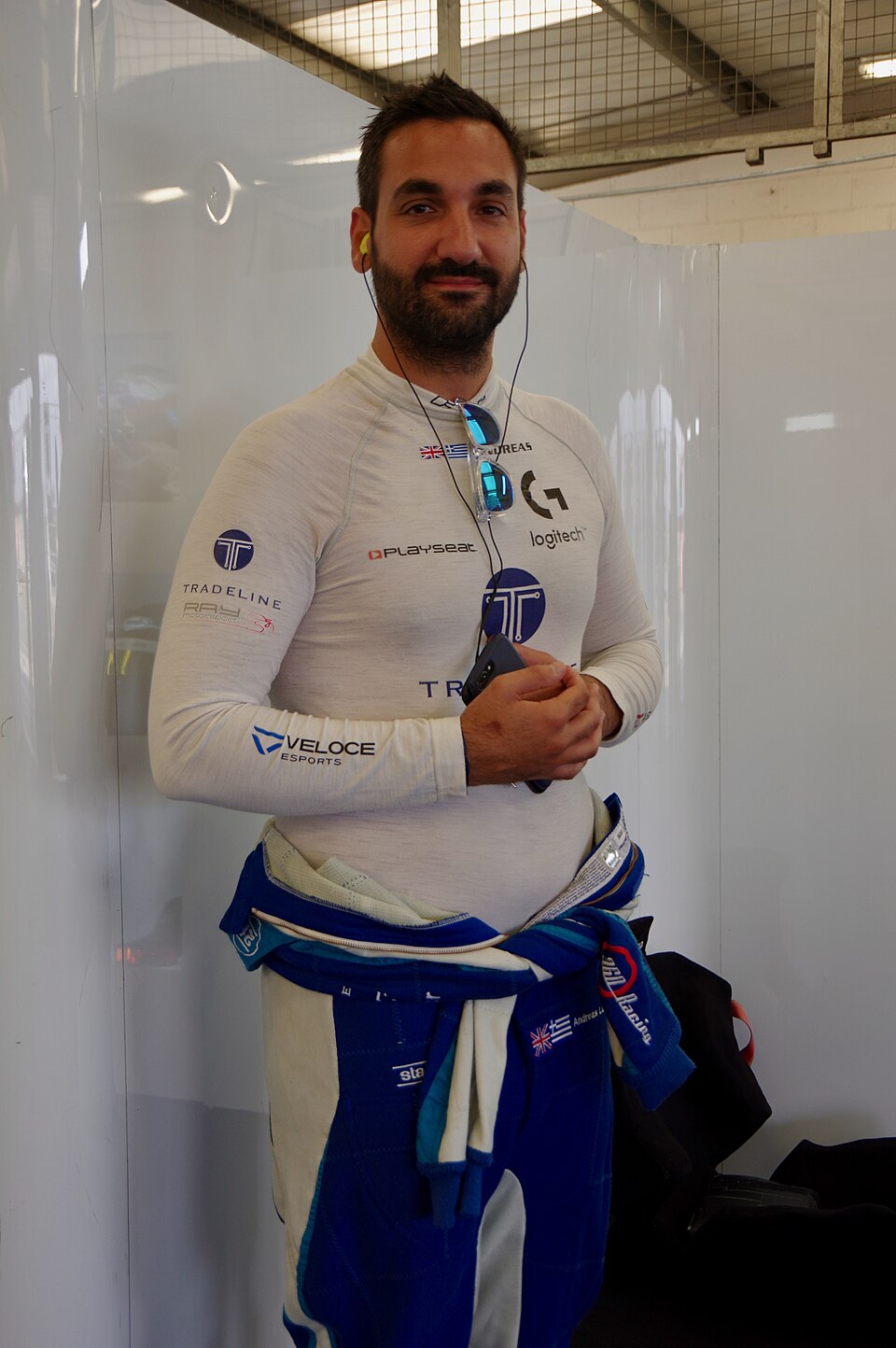
Sarah Moore’s extensive racing background, including 25 years of competition and 8 years of instructing experience, informs her comprehensive approach to driver fitness training. Her methodology combines championship-winning experience with modern coaching techniques, creating programs that address both the physical and mental aspects of racing performance.
Moore’s unique perspective as a successful female driver in a male-dominated sport has influenced her training philosophy, emphasizing adaptability and personalized approaches for different body types and racing disciplines. Her programs have evolved through years of practical application, incorporating feedback from drivers at all levels and adapting to the changing demands of modern motorsport.
25 Years of Racing Experience Applied to Driver Coaching
Sarah Moore’s journey from Ginetta Junior Champion to professional driver coach demonstrates how practical racing experience translates into effective fitness training. Her 25 years competing at various levels provides insights into the physical demands drivers face at different career stages, from karting through professional racing. Moore’s 8 years of instructing experience allows her to identify common fitness weaknesses among drivers and develop targeted training solutions that address specific racing challenges.
As the first female winner of the Britcar Endurance Championship, she understands the endurance requirements for long-distance racing and incorporates this knowledge into her conditioning programs, emphasizing the importance of sustained energy management and recovery strategies for multi-hour events. Her coaching approach includes detailed assessment protocols, progressive training programs, and race-specific preparation techniques that have helped numerous drivers improve their performance and extend their racing careers.
Mental and Physical Preparation for Race Day

Successful racing drivers must maintain peak mental and physical condition throughout race weekends. The combination of intense concentration, physical stress, and environmental factors creates unique preparation requirements that go beyond traditional fitness training. Drivers must be prepared to perform at their maximum capacity while experiencing extreme physical stress, high temperatures, and intense mental pressure.
The mental aspect of racing fitness is often overlooked but proves equally important as physical conditioning, as drivers must make split-second decisions while managing their physical state and race strategy. The psychological demands of racing require specific mental training techniques, including visualization, stress management, and focus enhancement exercises that complement the physical training regimen.
Cardiovascular Endurance for Race Performance
-
Heart rate management during high-stress racing – Drivers must train to maintain focus and control while experiencing heart rates of 160-180 bpm during intense racing moments. Cardiovascular training includes interval workouts that simulate race conditions, helping drivers learn to manage their physiological responses during high-pressure situations while maintaining cognitive function and reaction times. The training specifically targets the ability to sustain elevated heart rates while maintaining fine motor control and decision-making capabilities.
-
Endurance for 2+ hour race durations – Cardiovascular training prepares drivers for sustained physical output, preventing the fatigue that can compromise reaction times and decision-making. Long-distance running, cycling, and swimming build the aerobic base necessary for maintaining consistent performance throughout races, while also improving recovery between sessions during race weekends. The endurance training focuses on building both aerobic capacity and muscular endurance specific to the demands of racing.
-
Recovery between race sessions – Effective fitness programs include recovery protocols that allow drivers to maintain performance across multiple qualifying sessions and races within a single weekend. Active recovery techniques, proper hydration strategies, and targeted stretching routines help drivers manage the cumulative physical stress of race weekends, ensuring consistent performance from practice through the final race.
The recovery protocols are specifically designed to address the unique recovery needs of racing drivers, including muscle repair, hydration restoration, and mental recovery.
Nutrition and Recovery Strategies for Racing Drivers
Proper nutrition and recovery strategies are essential components of racing driver fitness programs. The extreme conditions inside racing vehicles, combined with the physical demands of competition, require carefully planned nutritional approaches. Drivers must manage their energy levels, hydration, and recovery while dealing with the unique challenges of race day, including limited access to food and drink during competition, extreme cockpit temperatures, and the need for sustained mental focus.
The nutritional strategies employed by professional drivers are as sophisticated as those used by endurance athletes, with careful attention to timing, composition, and individual tolerances. The recovery strategies must address both the immediate physical demands of racing and the cumulative effects of multi-day race weekends.
Race Day Nutrition Planning
|
Timing |
Nutrition Strategy |
Purpose |
|---|---|---|
|
Pre-race (2-3 hours) |
Complex carbohydrates + lean protein |
Steady energy release and muscle readiness |
|
During race |
Electrolyte drinks, small energy gels |
Hydration and quick energy without digestive distress |
|
Post-race |
Protein + carbohydrates + hydration |
Muscle recovery and glycogen replenishment |
The most surprising finding in racing driver fitness is that mental preparation often determines race outcomes more than physical conditioning alone. While strength and endurance are crucial, a driver’s ability to maintain focus under extreme stress separates champions from competitors. To improve your racing performance, start with a simple neck-strengthening routine using resistance bands for 10 minutes daily – this single exercise can significantly reduce fatigue and improve your ability to maintain optimal driving position throughout races.
Frequently Asked Questions About Racing Driver Fitness Training Programs
What are the core components of racing driver fitness programs?
Racing driver fitness programs focus on endurance training, strength conditioning, and reaction time drills to handle 2+ hour race durations. They include cardiovascular exercises, core stability work, and neck muscle strengthening to withstand high G-forces during races.
What is Sarah Moore's racing driver training methodology?
Sarah Moore's training methodology emphasizes a balanced approach combining physical conditioning with mental preparation. Her programs integrate endurance workouts, strength training, and cognitive exercises to enhance focus and decision-making under race conditions.
How do racing drivers prepare mentally and physically for race day?
Racing drivers prepare by following a structured routine: 2-3 hours before the race, they consume complex carbohydrates and lean protein for steady energy release and muscle readiness.
What nutrition and recovery strategies do racing drivers use?
During races, drivers consume electrolyte drinks and small energy gels for hydration and quick energy without digestive distress. Post-race, they focus on protein and carbohydrates to aid muscle recovery and glycogen replenishment, along with proper hydration to restore fluid balance.
