
With 25 years of racing experience, including historic wins in the Ginetta Junior Championship and Britcar Endurance Championship, Sarah Moore knows that professional racing teams rely on sophisticated racing team management structures. These teams operate like high-performance organizations, requiring seamless coordination between engineering, logistics, and trackside operations.
Understanding the behind-the-scenes machinery provides insights into what it takes to compete at the highest levels of motorsport. This article explores the core roles, operational frameworks, and performance strategies that define successful team management in today’s competitive racing landscape.
- Professional racing teams often split into factory-based engineering and trackside operations to maximize efficiency.
- Modern teams adopt ‘pod’ or product-centric models inspired by Agile to enhance cross-functional collaboration and speed up decision-making.
- A ‘no-blame’ culture and preventative maintenance are key to reliable performance and continuous improvement.
What Does a Racing Team Manager Actually Do? Core Roles and Responsibilities
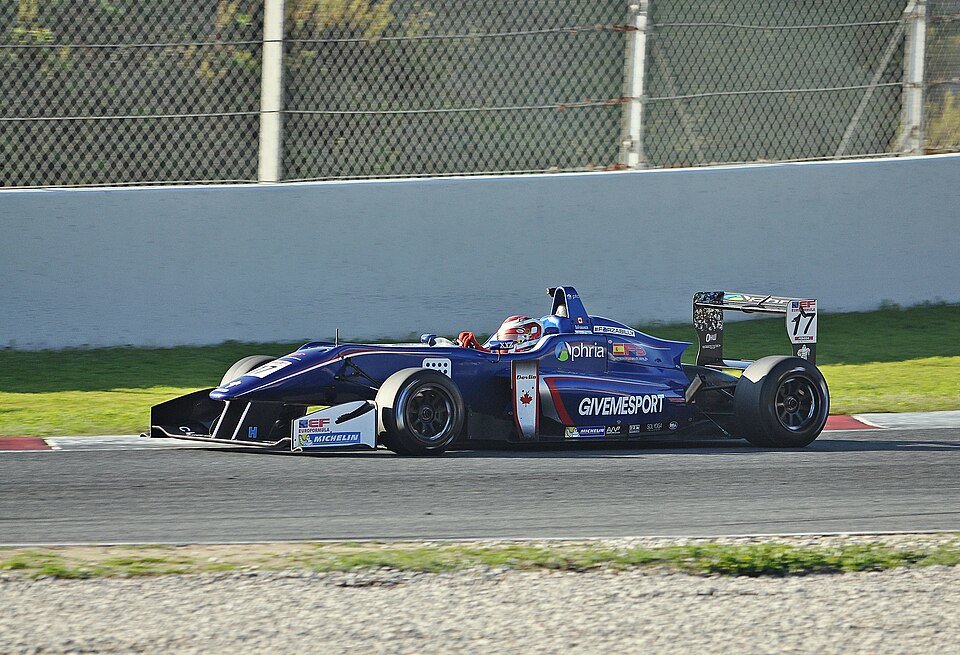
Leadership and Strategic Roles: Team Principal and Sporting Director
The Team Principal, often called the Team Owner, serves as the CEO of the racing operation. This role sets the overall vision, manages the budget, and handles sponsor relationships.
The Team Principal makes high-level decisions about driver lineups, technical partnerships, and long-term strategy. They are ultimately responsible for the team’s performance and reputation.
The Sporting Director focuses on trackside operations and regulatory compliance. They manage logistics, crew assignments, and ensure the team adheres to technical regulations and sporting codes. While the Team Principal looks at the big picture, the Sporting Director handles the day-to-day execution of race weekend operations, working closely with the race engineers and pit crew to optimize performance within the rules.
Technical and Engineering Management: From Technical Director to Data Engineers
- Technical Director: Oversees all car development, including aerodynamics, chassis, and power unit. This role leads the engineering team in designing and improving the race car, ensuring it meets performance targets and regulatory standards.
-
Crew Chief (NASCAR) / Race Engineer (F1): Leads the car-specific team and works directly with the driver.
The Race Engineer sets up the car, analyzes data, and makes real-time adjustments during races. They are the primary communicator between the driver and the engineering team.
-
Performance/Data Engineers: Collect and analyze telemetry data, driver feedback, and simulation results.
They identify trends, optimize car setups, and support strategy decisions on tire choices and pit stop timing. Their insights are critical for extracting maximum performance from the car and driver.
These engineering roles form the backbone of a team’s technical capability.
The Technical Director focuses on long-term development, while the Race Engineer and Performance Engineers handle the immediate needs of each race weekend. Their collaboration ensures the car is both fast and reliable.
Trackside Operations: The Pit Crew and Race Engineer Dynamic
The pit crew and race engineer have distinct but interdependent roles during race weekends. The pit crew executes physical tasks: changing tires, refueling, making aerodynamic adjustments, and performing repairs.
Their speed and precision are critical—in Formula 1, a pit stop can last under 3 seconds. Any mistake here can cost positions.
The race engineer, meanwhile, is the strategist. They monitor live data, communicate with the driver about car balance and issues, and decide when to pit and what changes to make. While the pit crew performs the hands-on work, the race engineer directs the overall approach for that car.
A fast pit stop is useless without the right strategy, and a perfect strategy fails if the pit stop is slow. Their constant communication and trust are essential for success.
How Do Racing Teams Manage Operations Across Factory and Trackside Environments?
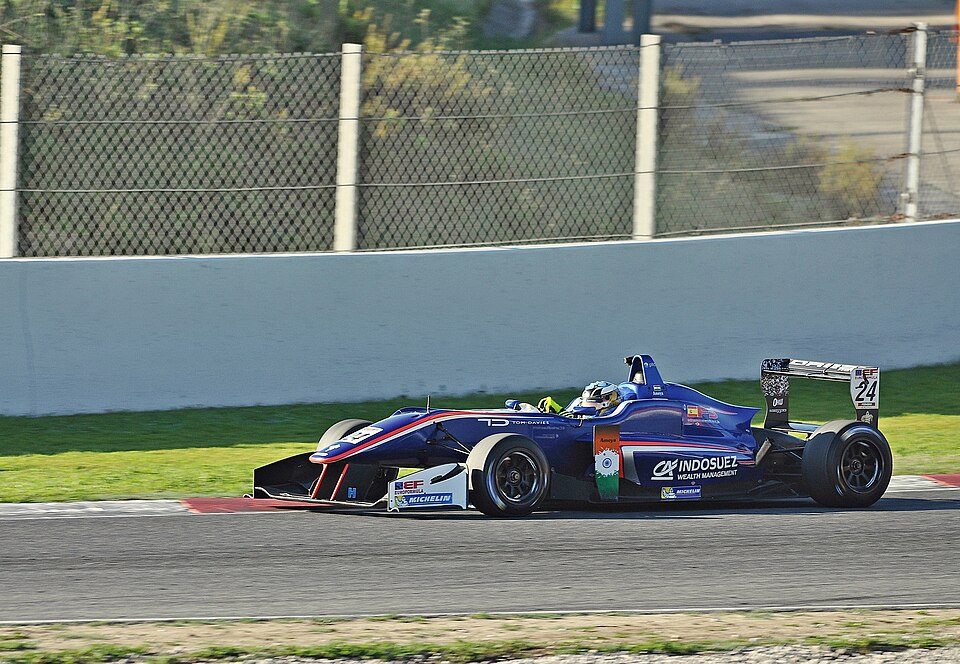
Factory vs. Trackside: The Dual-Team Structure
| Aspect | Factory Team | Trackside Team |
|---|---|---|
| Primary focus | Car design, manufacturing, R&D | Race weekend execution, logistics |
| Typical location | Fixed facility near headquarters | Travels to circuits globally |
| Key personnel | Engineers, designers, manufacturing staff | Mechanics, pit crew, strategists |
| Main activities | Simulation, prototyping, building cars | Car setup, pit stops, strategy implementation |
This dual-team structure allows specialization. The factory team focuses on innovation and production, while the trackside team handles the immediate demands of racing. Communication between the two is vital; the trackside team provides feedback that informs factory development, and the factory supplies updates and support during race weekends.
Mission Control: Remote Support Systems During Race Weekends
Many top teams operate a “Mission Control” center at their factory. During races, engineers monitor live telemetry and data from the cars in real time. They provide analysis and recommendations to the trackside crew via radio or digital links.
This remote support hub acts as an extension of the trackside team, offering additional expertise in areas like aerodynamics, engine performance, or strategy simulation. Mission Control helps trackside crews make better decisions under pressure, effectively bringing the factory’s brainpower to the circuit.
Logistics and the ‘Traveling Circus’: Coordinating Global Travel
- Transportation: Teams ship cars, spare parts, tools, and equipment via air, sea, and road freight to races worldwide. Formula 1 teams, for example, require up to 40,000 kg of equipment per race.
-
Customs clearance: International shipments face complex customs procedures.
Teams must navigate varying regulations and documentation to avoid delays that could jeopardize race preparation.
- Personnel scheduling: Coordinating travel and accommodation for 100+ staff across multiple continents is a massive logistical challenge, often requiring dedicated logistics managers.
- Hospitality units: Teams transport and set up hospitality suites for sponsors and guests at each venue, adding another layer of coordination.
- Timing: All equipment must arrive days before the race to allow for setup, testing, and compliance checks. Any delay can impact performance and incur penalties.
This “traveling circus” aspect of racing demands meticulous planning. A single missed shipment can leave a team without critical parts, highlighting why logistics management is a cornerstone of successful racing team operations.
Hospitality and Media: Engaging Fans and Sponsors
Teams manage hospitality suites at circuits to host sponsors, VIP guests, and media. These events build relationships, provide networking opportunities, and showcase the team’s brand. Effective hospitality turns sponsor investment into tangible value and helps retain funding.
Media management involves press conferences, interviews, and social media content to maintain fan engagement and attract new sponsors. In modern motorsport, a team’s public image and media presence are as important as on-track performance for securing long-term support.
Performance Optimization: How Top Teams Drive Speed Through Culture and Data
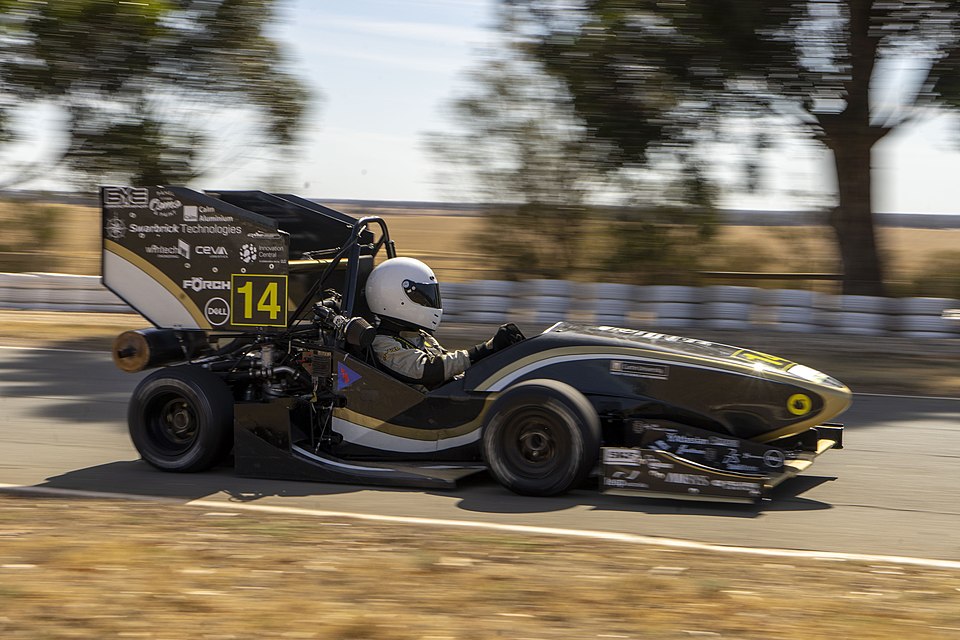
Rapid Development Cycles: Continuous Car Evolution Between Races
Traditional racing teams might update their cars once per season. Modern teams, especially in Formula 1, introduce hundreds of updates throughout the year. For example, an F1 team may bring new aerodynamic parts, suspension components, or software updates to almost every race weekend.
This rapid development cycle requires agile engineering and manufacturing to design, prototype, test, and ship components quickly. The ability to iterate faster than competitors provides a significant performance advantage. Teams that can introduce and integrate updates faster gain positions on track, while slower developers fall behind.
Data-Driven Decision Making: The Role of Performance Engineers
- Telemetry data: Real-time monitoring of car systems—engine performance, suspension behavior, aerodynamic loads, tire temperatures—provides immediate insights into car performance and driver inputs.
- Driver feedback: The driver’s subjective experience complements raw data. Engineers balance driver comfort with objective performance metrics to find the optimal setup.
- Simulation data: Virtual testing of car setups, tire strategies, and race scenarios allows teams to predict outcomes and plan strategies before arriving at the circuit.
- Application: This data informs car setup adjustments, tire compound selection, pit stop timing, and race tactics. Performance engineers analyze trends across sessions and races to provide actionable recommendations that maximize speed and reliability.
Data is the lifeblood of modern racing. Teams that collect, analyze, and act on data faster make better decisions. This data-driven approach reduces guesswork and allows for precise optimization of every variable affecting performance.
Preventative Maintenance and No-Blame Culture: Ensuring Reliability and Learning
Top teams implement strict preventative maintenance schedules. Components are inspected and replaced before they fail, based on usage hours or race counts. This proactive approach minimizes mechanical failures during races, which can cost points or even entire weekends.
Equally important is a “no-blame” culture. Staff are encouraged to report issues, near-misses, or concerns without fear of punishment. This open reporting leads to early problem detection and continuous improvement.
When failures occur, the focus shifts from individual fault to systemic analysis: what process allowed this to happen, and how can we fix it? This cultural element fosters innovation, accountability, and reliability, turning mistakes into learning opportunities that strengthen the team over time.
The most successful racing teams combine technical excellence with a strong team culture. The ‘no-blame’ environment, where every issue is seen as a learning opportunity, is as critical as advanced engineering. To apply this, start by implementing a blameless incident review process in your team.
Encourage open reporting of near-misses and failures, and use these insights to drive preventative improvements. This cultural shift can significantly enhance both performance and reliability on and off the track. For deeper insights into driver development and team dynamics, explore racing driver coaching programs that emphasize data-driven skill enhancement.
Frequently Asked Questions About Racing Team Management
Is Sarah Moore still married?
Sarah Moore is known for Home Greek Home (2023), Cash in the Spare Room (2020) and Money for Nothing (2015). She has been married to Pete Smith since June 2, 2001.
Who is the most famous female race car driver?
Danica Patrick became the most successful female racing car driver in history, a pioneer in female racing drivers breaking barriers. Her first place finish in the 2008 Indy Japan 300 is the only IndyCar Series win by a woman. In 2013 she successfully transitioned to NASCAR where she became the first woman to win a NASCAR Cup Series pole position.
Is Sarah on Money for Nothing married?
Money for Nothing star Sarah Moore’s life off-screen including her rarely seen husband. The TV presenter married Pete Smith on June 2, 2001, and later shared a wedding snap on her Instagram account in 2020, which featured the happy couple smiling.
Are Jessica Hawkins and Abbie Eaton still together?
Personal life. Hawkins was previously in a relationship with Abbie Eaton, also a British racing driver, illustrating LGBTQ+ representation in motorsport. Hawkins holds the 0-100 mph lawnmower record.
Are Sarah and John B actually married?
They got married on a boat while returning to the US. However, there were no witnesses so they are not legally married. The morning when John B got out of jail, he was extremely worried about Sarah once he found out that she hadn’t come back from meeting Wheezie last night.
