
Professional racing driver coaching transforms performance through data-driven analysis and objective feedback, helping drivers identify weaknesses they cannot see themselves and push beyond their perceived limits in controlled environments. Sarah Moore, with 25 years of racing experience and 8 years of coaching expertise, exemplifies how champions become mentors, using her historic achievements to guide the next generation of drivers.
Key Takeaway
-
Professional racing driver coaching transforms performance through data-driven analysis and objective feedback
-
Sarah Moore, with 25 years of racing experience and 8 years of coaching, exemplifies how champions become mentors
-
Key benefits include identifying weaknesses, finding limits safely, and building confidence through mentorship
How Professional Coaching Transforms Driver Performance
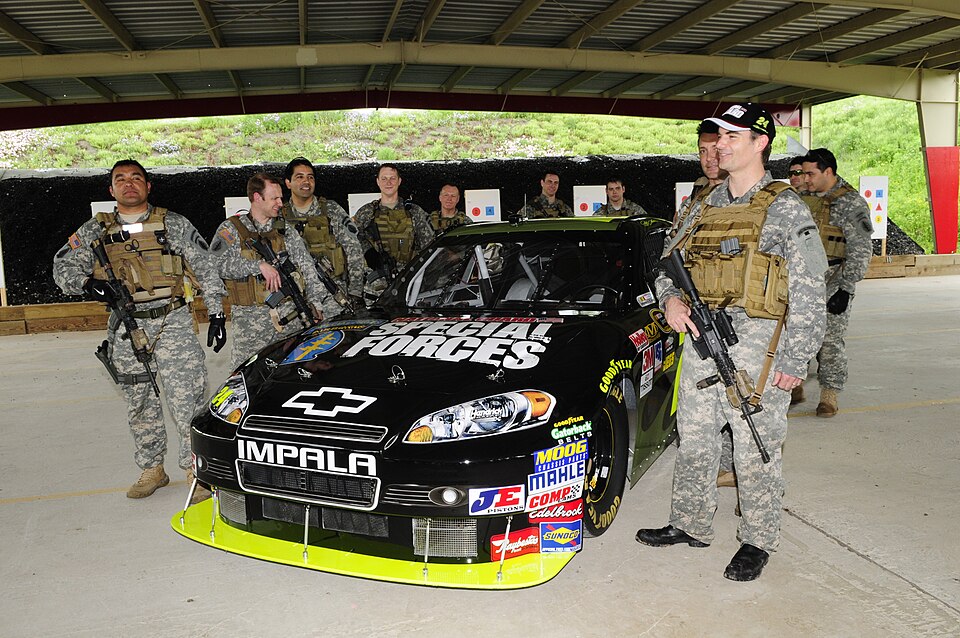
Professional coaching transforms driver performance through systematic analysis and targeted feedback that amateurs cannot provide themselves. The process involves identifying specific weaknesses, creating safe environments to push limits, and building the confidence needed for competitive racing. Unlike self-taught drivers who rely on intuition, professional coaching provides measurable improvements through scientific methods and experienced observation.
Identifying Weaknesses Through Objective Analysis
-
Coaches provide objective analysis of driving, identifying bad habits that are difficult to spot oneself, such as inconsistent braking points or poor throttle control that drivers might defend as “their style”
-
Data loggers analyze braking, throttle, and steering inputs to refine consistency, revealing patterns drivers cannot perceive during the heat of competition when adrenaline affects decision-making
-
25 years of racing experience enables coaches to recognize patterns amateurs miss, understanding the subtle differences between good and great driving that separate podium finishers from mid-pack competitors
-
Video analysis combined with telemetry data creates a comprehensive picture of driving technique, highlighting areas for improvement that drivers might defend as “their style” or blame on equipment
-
Objective feedback removes emotional attachment to driving habits, allowing drivers to accept criticism and make necessary changes without feeling personally attacked
-
Coaches identify specific corner sequences where time is lost, focusing on the most impactful areas rather than trying to fix everything at once
-
Performance benchmarking against similar drivers or reference laps provides concrete targets for improvement rather than vague suggestions about “driving smoother”
Finding the Limit Safely in Controlled Environments
-
Coaches push drivers beyond their perceived limits in a controlled environment, gradually increasing difficulty as confidence and skill improve, preventing the crashes that often occur when drivers attempt this alone
-
Data-driven feedback helps drivers understand their actual capabilities versus perceived limits, often revealing that they can brake later or carry more speed through corners than they previously thought possible
-
8 years of experience in instructing and coaching provides the expertise to manage risk, knowing when to push harder and when to back off based on the driver’s emotional state and fatigue levels
-
Controlled environments eliminate external pressures like traffic or championship points, allowing drivers to focus solely on technique improvement without the stress of competition
-
Gradual progression prevents overwhelming drivers, building skills systematically rather than expecting immediate perfection that leads to frustration and giving up
-
Coaches create specific exercises targeting particular skills, such as trail braking or throttle modulation, breaking complex techniques into manageable components
-
Repetition under varying conditions builds muscle memory and confidence, ensuring skills transfer to race situations where conditions are never perfect
Sarah Moore: From Champion to Coach
Sarah Moore’s transition from champion driver to respected coach demonstrates how successful racing careers naturally evolve into mentoring roles. Her historic achievements provide credibility, while her extensive experience offers valuable insights for developing drivers. Moore’s journey from competitor to coach reflects the broader trend of successful athletes giving back to their sport through education and development, particularly in female racing drivers breaking barriers in motorsport.
Breaking Barriers: Moore’s Historic Racing Career
-
First female to win the Ginetta Junior Championship in 2009, breaking gender barriers in junior mixed-gender, national-level series in the UK and proving that women could compete at the highest levels of junior motorsport
-
First female to win the Britcar Endurance Championship in 2018, demonstrating versatility across different racing formats and the ability to excel in both sprint and endurance racing
-
First openly LGBTQ+ driver to stand on a Formula 1 Grand Prix weekend podium in 2021, promoting diversity in motorsport and becoming a role model for underrepresented communities
-
Competed in the W Series from 2019-2022, achieving a 5th place finish in 2021 and contributing to the development of women’s racing while gaining experience in all-female competition
-
Became the first female racer to win a race in the Indian Racing League in 2023, expanding her success to international competitions and demonstrating adaptability to different racing cultures
-
Her career achievements across multiple championships and racing series provide a comprehensive understanding of what it takes to succeed at various levels of motorsport
-
Moore’s barrier-breaking accomplishments create instant credibility with young drivers who see her as proof that their dreams are achievable regardless of gender or background
More Than Equal: Developing the Next Generation
-
Joined the More Than Equal initiative in 2024, aimed at developing a female Formula One World Champion through systematic talent identification and development, addressing the historical lack of female representation in top-level motorsport
-
Offers coaching in driving techniques including passing, defensive driving, and optimizing racing lines based on her extensive competitive experience across different racing categories
-
Provides data analysis services using simulator and on-track data to identify “crucial tenths” in lap times that separate good drivers from great ones, teaching drivers how to find and exploit these marginal gains
-
Addresses holistic support including physical training, nutrition, and psychology to prepare drivers for higher levels of motorsport competition, recognizing that success requires excellence in all aspects of preparation
-
25 years of racing experience and 8 years of coaching experience provide comprehensive expertise that combines practical knowledge with teaching ability, allowing her to explain complex concepts in accessible ways
-
Moore’s coaching philosophy emphasizes building confidence through success, creating a positive feedback loop where small improvements lead to greater belief in one’s abilities
-
Her work with More Than Equal specifically targets the development pipeline from karting to cars, addressing the critical transition period where many talented drivers lose their way
The Science Behind Racing Driver Coaching
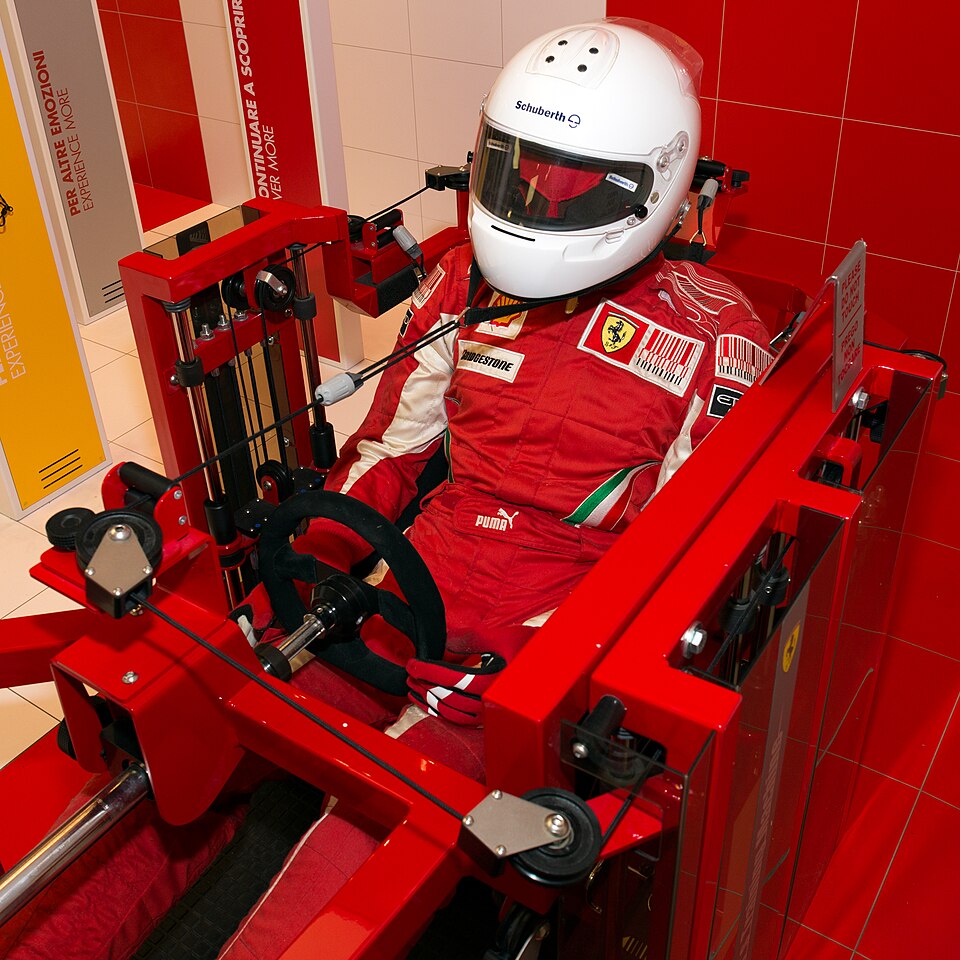
Modern racing driver coaching combines data science, psychology, and biomechanics to create systematic improvement programs. The scientific approach replaces guesswork with measurable progress and targeted interventions. Today’s coaching methods leverage technology that was unavailable even a decade ago, creating unprecedented opportunities for driver development.
Data Analysis: Finding ‘Crucial Tenths’ in Lap Times
-
Using simulator and on-track data to identify “crucial tenths” in lap times, focusing on specific corners or sections where small improvements yield significant results rather than trying to improve everything equally
-
Data loggers analyze braking, throttle, and steering inputs to refine consistency, creating repeatable performance patterns that work under pressure when drivers cannot think through every action
-
Professional training transforms driver performance through data-driven feedback mechanisms that eliminate subjective opinions in favor of measurable facts, allowing drivers to track their progress objectively
-
Telemetry analysis reveals energy management patterns, showing how drivers use their tires and fuel over race distance, teaching efficiency that becomes crucial in longer competitions
-
Comparative analysis against reference laps or faster drivers provides concrete targets for improvement rather than vague suggestions, showing exactly where and how much time can be gained
-
Advanced data systems now incorporate machine learning to identify patterns humans might miss, such as subtle steering corrections that indicate underlying technique issues
-
Weather and track condition data integration helps drivers understand how to adapt their driving style to maximize performance in varying conditions
Mental Preparation and Confidence Building
-
Mentorship helps drivers deal with the high-pressure environment of racing weekends, providing emotional support and practical strategies for managing stress when the stakes feel overwhelming
-
Confidence building through gradual exposure to challenging situations, starting with controlled exercises and progressing to race-like scenarios that simulate real pressure
-
Holistic support addresses physical training, nutrition, and psychology, recognizing that mental state directly impacts physical performance and decision-making under stress
-
Coaches help drivers develop pre-race routines and mental preparation techniques that create consistency under varying conditions, reducing anxiety about the unknown
-
Building trust between coach and driver enables honest feedback and accelerates the learning process through open communication without fear of judgment
-
Visualization techniques help drivers prepare for specific tracks and situations, creating mental familiarity that translates to better on-track performance
-
Stress inoculation training exposes drivers to controlled pressure situations, building resilience for the high-stakes moments in actual competition
The most surprising finding in racing driver coaching is that many drivers resist objective data analysis, preferring to trust their instincts even when the numbers prove them wrong. This psychological barrier often prevents improvement more than technical limitations.
The most effective action step for aspiring drivers is to embrace data-driven coaching early in their careers, as the investment in professional training typically yields performance improvements of 2-5 seconds per lap within just a few sessions, making it one of the highest-return investments in motorsport development. Professional coaching not only improves lap times but also extends careers by teaching drivers how to manage their physical and mental resources effectively over long racing seasons.
Frequently Asked Questions About Racing Driver Coaching
How does professional coaching improve racing driver performance?
Professional coaching enhances driver performance by refining techniques, improving reaction times, and optimizing race strategies. It combines data analysis with personalized feedback to help drivers achieve consistent lap times and better vehicle control.
What role does Sarah Moore play in racing driver coaching?
Sarah Moore leverages her experience as a champion to mentor drivers, focusing on mental preparation, technical skills, and racecraft. Her coaching bridges the gap between raw talent and professional expertise.
What scientific principles are applied in racing driver coaching?
Racing driver coaching applies biomechanics, cognitive psychology, and telemetry data analysis to improve driver focus, decision-making, and physical endurance under high-speed conditions.
