
GB4 racing engineering represents the cutting edge of junior formula racing, where precise technical preparation and data-driven decision making determine race outcomes. The GB4 Championship, launched in 2022, uses sophisticated Tatuus F4-T014 chassis with turbocharged 1.4L engines producing 160 horsepower, requiring meticulous engineering expertise to maximize performance. Every component from suspension geometry to aerodynamic balance must be optimized within strict technical regulations while maintaining reliability over race distances.
Key takeaway
- GB4 racing engineering combines car setup, data analysis, and performance optimization to maximize race results
- Technical preparation involves precise engineering specifications and systematic testing procedures
- Junior formula racing success depends on both mechanical excellence and data-driven decision making
What Makes GB4 Racing Engineering Different from Other Formula Series?
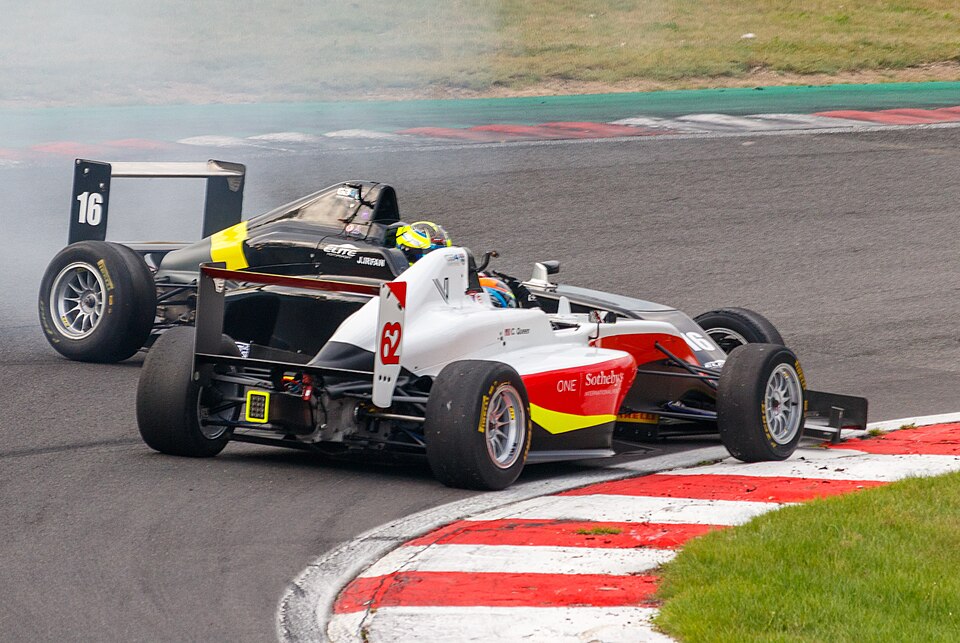
GB4 racing engineering stands apart from other formula series through its unique technical specifications and engineering standards. The championship uses the Tatuus F4-T014 chassis, which features a turbocharged Autotecnica Motori 1.4L FTJ I4 engine producing 160 horsepower. This engine is paired with a sequential six-speed gearbox developed by Sadev and Magneti Marelli electronics, creating a sophisticated powertrain package that requires specialized engineering knowledge.
Technical Specifications and Engineering Standards
- Chassis Design: Tatuus F4-T014 carbon fiber monocoque with aluminum honeycomb structure, meeting FIA F4 safety standards
- Engine Specifications: Autotecnica Motori 1.4L turbocharged inline-4, 160 hp @ 8,500 rpm, 220 Nm torque
- Transmission: Sadev sequential 6-speed gearbox with paddle shift, limited-slip differential
- Aerodynamics: Front and rear wings with adjustable angles, underbody diffuser, sidepods for cooling
- Weight Distribution: Minimum weight 525 kg including driver, with specific front/rear balance requirements
- Electronics: Magneti Marelli ECU with data logging, traction control, and launch control systems
The technical regulations for GB4 racing are designed to create a level playing field while allowing engineers to optimize performance within defined parameters. The chassis specifications include precise dimensional requirements, weight distribution targets, and aerodynamic limitations that engineers must work within. These standards ensure competitive racing while providing opportunities for technical innovation in areas like suspension tuning, brake bias adjustment, and aerodynamic setup.
Car Setup Process and Preparation Methods
Car setup in GB4 racing follows a systematic approach that begins with initial configuration based on track characteristics and weather conditions. Engineers start by establishing baseline settings for suspension geometry, ride height, and aerodynamic balance.
From there, they conduct testing phases that involve incremental adjustments to optimize grip levels, stability, and responsiveness. The optimization procedures include tire pressure management, alignment settings, and aerodynamic balance adjustments that can significantly impact lap times.
The preparation process typically spans multiple days before race weekends, with engineers conducting comprehensive checks on all mechanical systems. This includes verifying engine health through compression tests, checking suspension component integrity, and ensuring all electronic systems function correctly. Engineers also perform shakedown runs to validate setup changes and identify any potential issues before competitive sessions begin.
Track-specific preparation involves analyzing circuit data to determine optimal setup parameters. High-speed circuits require different aerodynamic configurations compared to technical tracks with many corners.
Engineers use historical data from previous events at the same circuit to inform their initial setup choices, then refine these based on current conditions and driver feedback. Weather considerations play a crucial role, as wet conditions require different setup approaches compared to dry weather racing.
Data Analysis and Performance Optimization in GB4 Racing
Telemetry data collection forms the backbone of modern GB4 racing engineering, providing engineers with detailed insights into car performance and driver behavior. The data collected includes speed traces, throttle application, brake pressure, steering angle, and G-force measurements throughout each lap.
Engineers also monitor tire temperature and pressure data, fuel consumption rates, and engine parameters like water temperature and oil pressure. This comprehensive data set allows teams to identify performance trends and make informed setup decisions.
Telemetry Data Collection and Analysis Methods
- Speed and Position Data: GPS-based tracking with 10 Hz sampling rate, providing precise lap time analysis and sector comparisons
- Driver Inputs: Throttle position, brake pressure, steering angle, and gear selection recorded at 100 Hz for detailed analysis
- Vehicle Dynamics: Acceleration, yaw rate, roll angle, and pitch angle measurements to understand car behavior
- Temperature Monitoring: Tire surface and core temperatures, brake disc temperatures, engine coolant and oil temperatures
- Fuel Consumption: Real-time fuel flow monitoring and consumption calculations for race strategy planning
- Engine Performance: RPM, boost pressure, air/fuel ratio, and lambda sensor readings for power optimization
Analysis techniques used by engineering teams involve sophisticated software that processes raw telemetry data into actionable insights. Engineers use data visualization tools to compare lap times, identify corner entry and exit speeds, and analyze braking points.
They can overlay multiple laps to see where performance gains or losses occur, helping them understand the impact of setup changes. Statistical analysis helps identify patterns in tire degradation, fuel consumption, and overall car behavior under different conditions.
Performance Optimization Strategies and Testing Protocols
Performance optimization strategies in GB4 racing rely heavily on systematic testing protocols that validate setup changes and measure their effectiveness. Engineers typically follow a structured approach where they make one change at a time, test it thoroughly, and measure the results before implementing additional modifications.
This methodical process helps isolate the effects of individual adjustments and prevents confusion from multiple simultaneous changes. Testing protocols often include long-run simulations to assess tire wear patterns and fuel consumption over race distances.
Engineers use correlation techniques to compare simulated data with real-world performance, helping them validate their engineering models. This involves comparing predicted lap times from simulation software with actual track performance, then adjusting their models based on the differences. The optimization process also includes driver-in-the-loop simulations where engineers can test setup changes virtually before implementing them on the actual car.
Race strategy optimization involves analyzing fuel consumption patterns, tire degradation rates, and pit stop windows to develop optimal race plans. Engineers use predictive modeling to estimate how different strategies might play out during a race, considering factors like safety car periods, weather changes, and competitor behavior. This data-driven approach helps teams make informed decisions about when to push for maximum performance versus when to conserve resources for later in the race.
Engineering Challenges and Solutions in Junior Formula Racing
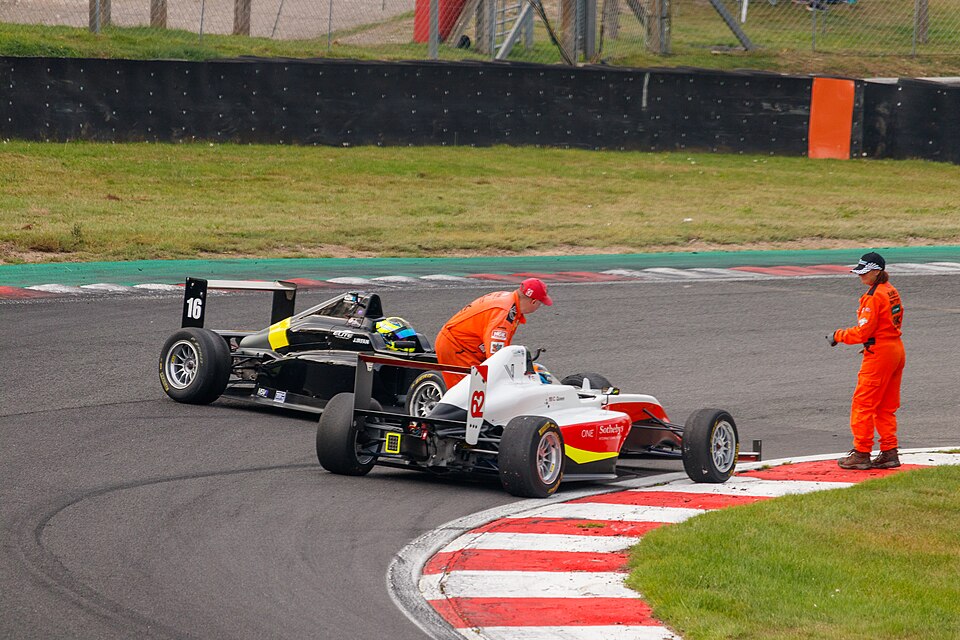
Common technical challenges in GB4 racing require engineers to develop innovative solutions that balance performance with reliability. Tire management presents one of the most significant challenges, as engineers must optimize setup to maximize grip while managing wear over race distances.
This involves finding the right balance between initial performance and longevity, often requiring compromises between qualifying pace and race strategy. Fuel efficiency also poses challenges, particularly on tracks with high-speed sections where aerodynamic drag impacts consumption rates.
Common Technical Challenges in GB4 Racing
- Tire Management: Optimizing setup for maximum grip while managing wear over 20-30 minute race distances
- Fuel Efficiency: Balancing aerodynamic performance with fuel consumption on high-speed circuits
- Mechanical Reliability: Ensuring engine and transmission durability over race weekends with limited testing
- Temperature Control: Managing brake, tire, and engine temperatures in varying weather conditions
- Aerodynamic Balance: Finding optimal downforce levels without excessive drag penalties
- Driver Adaptability: Creating setups that work across different driver styles and preferences
Mechanical reliability represents another critical engineering challenge in junior formula racing. The high-revving turbocharged engines and sophisticated transmissions require careful monitoring and preventive maintenance to avoid failures during races.
Engineers must develop cooling strategies to manage engine temperatures, particularly on tracks with limited airflow or during hot weather conditions. Suspension component durability is also crucial, as the cars experience significant loads through corners and over kerbs throughout race weekends.
Engineering Solutions and Innovation Approaches
Engineering solutions and innovation approaches in GB4 racing often involve creative problem-solving within the technical regulations. Teams develop proprietary setup methodologies that combine traditional engineering principles with data-driven insights.
This might include developing custom suspension geometries that optimize tire contact patch during cornering or creating aerodynamic packages that balance downforce with drag reduction. Engineers also innovate in areas like data analysis techniques, developing custom algorithms to process telemetry data more effectively and identify performance opportunities that might be missed by standard analysis tools.
Simulation technology plays an increasingly important role in engineering solutions, allowing teams to test setup changes virtually before implementing them on track. Engineers use computational fluid dynamics (CFD) software to optimize aerodynamic components and multibody dynamics simulation to predict suspension behavior. These tools help reduce the number of physical tests required while providing deeper insights into car performance characteristics.
Material science innovations also contribute to engineering solutions, with teams exploring advanced composites and alloys to reduce weight while maintaining strength. This includes using carbon fiber components where permitted, optimizing the use of titanium fasteners, and developing specialized coatings to reduce friction in critical components. These material innovations can provide performance advantages while staying within technical regulations.
The most successful GB4 racing engineers combine deep technical knowledge with practical experience, understanding that theoretical calculations must be validated through real-world testing. They recognize that each track presents unique challenges requiring different engineering approaches, and they adapt their strategies accordingly. This combination of technical expertise, systematic methodology, and innovative thinking defines the engineering excellence that drives success in junior formula racing.
Aspiring engineers can develop their skills by studying the technical specifications of GB4 cars, understanding data analysis principles, and learning about the systematic approach to car setup and optimization. The complexity of modern racing engineering requires both theoretical knowledge and practical experience, making it essential for engineers to stay current with technological developments while maintaining a strong foundation in fundamental engineering principles. For those interested in pursuing a career in motorsport, working with a racing driver can provide valuable insights into the practical aspects of vehicle performance and driver feedback.
The engineering challenges in GB4 racing continue to evolve as technology advances and competition intensifies. Teams that can effectively combine traditional engineering principles with modern data analysis techniques while maintaining reliability will have the best chance of success. The systematic approach to car setup, combined with innovative problem-solving and data-driven decision making, represents the current state of the art in junior formula racing engineering.
Understanding the technical aspects of GB4 racing provides valuable insights into the broader world of motorsport engineering. The principles learned in junior formula racing apply to higher levels of competition, making it an excellent training ground for aspiring engineers. The combination of theoretical knowledge, practical experience, and innovative thinking required for success in GB4 racing creates a solid foundation for a career in motorsport engineering.
