
In 2026, beginner racing coaching programs follow a structured preparation-drive-debrief format (15-30-15 minute sessions) with clear progression milestones from car familiarity to race craft, especially in female-focused programs like More Than Equal coached by Sarah Moore. These programs use intensive, holistic development covering data analysis, weight transfer, and mental performance, with coaching provided by experienced professionals focused on breaking gender barriers, offering benefits of personalized racing coaching that accelerate skill acquisition.
Expect 1:1 or small-group settings, technical and mental training, and a clear path from karting to formula cars through initiatives like More Than Equal. For those starting out, racing coaching with experts like Sarah Moore provides the foundation needed to transition safely and effectively into competitive motorsport.
- 2026 programs use 1:1 or small-group (2-4 drivers) coaching for personalized feedback
- Session structure: 15 min prep, 30 min driving, 15 min debrief with data analysis
- Progress tracked through 5 milestone stages from car familiarity to race craft
- More Than Equal program specifically fast-tracks female talent from karting to F4/F3/F2
Typical Session Structure: The 15-30-15 Format in 2026
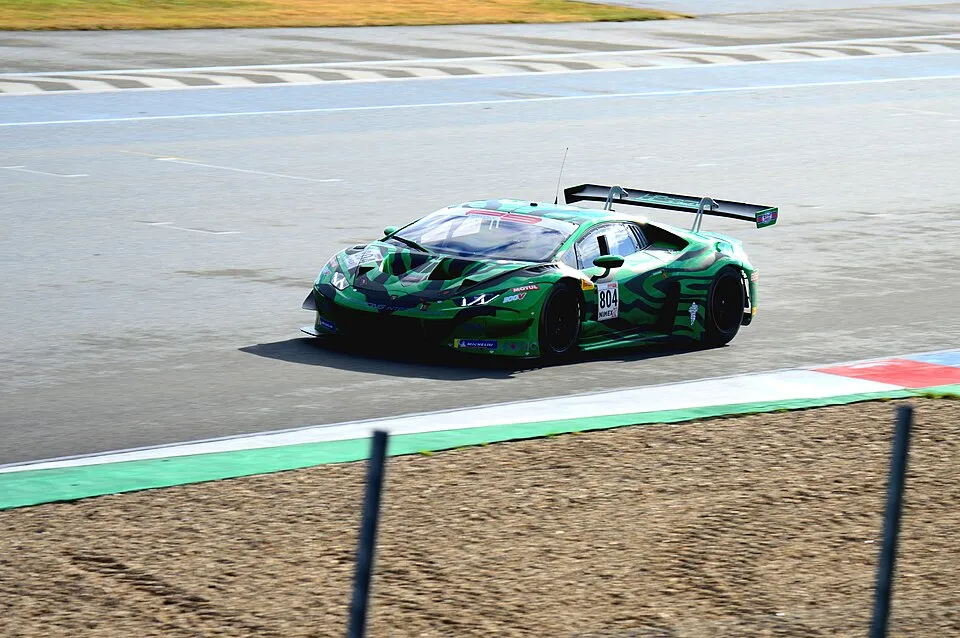
Modern beginner coaching programs in 2026 standardize a three-phase session structure that maximizes learning efficiency and ensures consistent improvement. This format, widely adopted by leading programs like More Than Equal, divides each on-track session into 15 minutes of preparation, 30 minutes of focused driving, and 15 minutes of debriefing. The approach is designed to build knowledge incrementally, with each session directly linking to the previous one through data review and goal setting.
Coaches emphasize that this structure prevents overwhelming beginners while maintaining high engagement, allowing drivers to absorb technical feedback immediately after applying it on track. The 15-30-15 model also accommodates small group dynamics, where 2-4 drivers can observe each other’s techniques, fostering race craft development through shared learning. This methodical breakdown is particularly effective for those transitioning from karting to cars, as it systematically introduces car control fundamentals before advancing to complex race scenarios.
Preparation Phase (15 minutes): Data review and goal setting
The preparation phase is a critical thinking period that occurs before the driver even touches the car. During these 15 minutes, the coach and driver review telemetry and video data from the previous session, identifying specific areas for improvement. This review includes comparing the driver’s lap times, braking points, and cornering speeds against reference data or the coach’s own laps.
Based on this analysis, they set concrete, achievable goals for the upcoming driving phase—such as “improve braking consistency at Turn 3” or “smooth out steering input through the chicane.” Coaches also discuss technical aspects like optimal racing lines, gear selection, and car setup adjustments (e.g., tire pressures, wing angles) to ensure the driver understands the “why” behind each focus area. This pre-session discussion focuses the driver’s mindset, turning abstract advice into actionable targets.
By the end of the preparation phase, the driver has a clear mental blueprint for the next 30 minutes on track, ensuring that every lap counts toward measurable progress. This phase exemplifies the data-driven coaching approach that defines 2026 programs, where intuition is supplemented by objective metrics.
Driving Phase (30 minutes): Focused drills over lap counting
The driving phase is the core experiential component, but it is far from unstructured lapping. Instead, coaches assign specific drills that target fundamental skills. For beginners, the focus is on foundational movements: proper vision (looking ahead to the exit point), smooth braking, and precise steering inputs for mastering cornering techniques.
Speed is deliberately de-emphasized until these basics become second nature. In 2026, many programs incorporate simulation training—using platforms like iRacing—as a cost-effective way to learn track layouts and basic car control before expensive on-track time. This sim work happens prior to the session, allowing the 30 minutes on track to be used for refining feel and adapting to real-world variables like grip changes and wind.
Small group sessions (2-4 drivers) are common, enabling coaches to set up exercises where drivers follow a lead car or engage in controlled overtaking drills. This environment cultivates race craft through observation and immediate feedback.
The key is quality over quantity: 30 minutes of high-focus, drill-based driving yields far more improvement than an hour of mindless lap counting. Coaches constantly remind drivers to execute one specific technique at a time, building muscle memory systematically.
Debriefing Phase (15 minutes): Telemetry analysis and quick wins
Immediately after the driving phase, the driver and coach reconvene for a 15-minute debrief while the data is fresh. This session centers on analyzing video footage and telemetry (speed, throttle, brake, steering angles) to pinpoint exactly what happened on track. Coaches overlay the driver’s data against a reference lap—often their own or a professional benchmark—to highlight discrepancies.
The goal is to identify one “quick win” for the next session: a single, tangible adjustment that promises immediate improvement, such as “brake 5 meters earlier at Turn 5” or “hold steering input longer through the corner.” This prioritization prevents overwhelming the driver with too many corrections at once. Progress tracking tools, often digital dashboards, chart improvements in lap times, braking points, and cornering efficiency over weeks, giving both coach and driver a clear picture of development.
The immediacy of this debrief—happening while the track experience is still vivid—ensures feedback is actionable and memorable. This phase closes the learning loop, turning raw track time into structured knowledge and setting the stage for the next session’s preparation phase.
Progress Milestones: 5 Stages from Beginner to Race-Ready
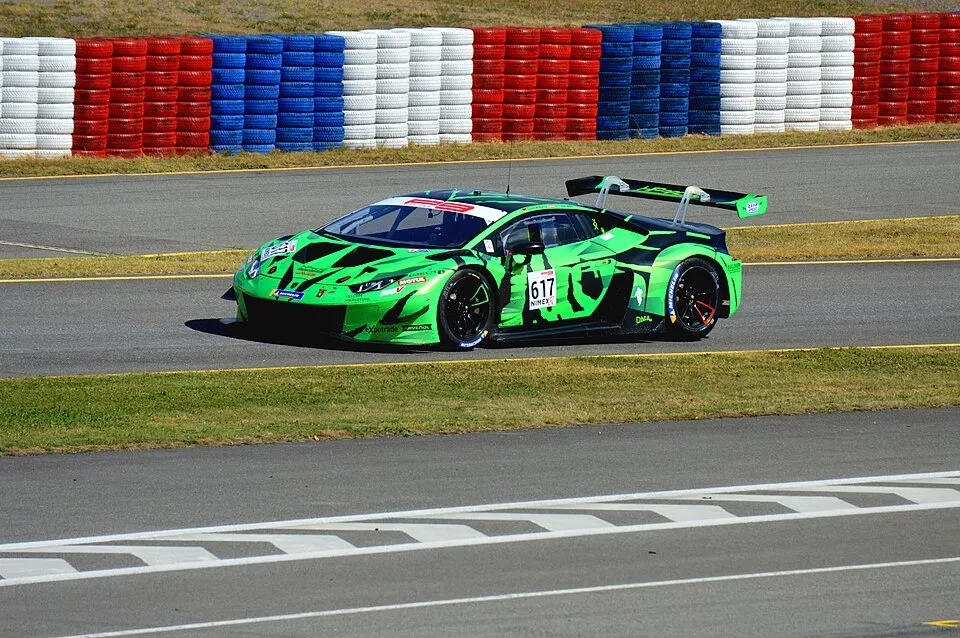
Beginner coaching programs in 2026 use a milestone-based curriculum that charts a driver’s journey from complete novice to licensure-ready competitor. These five stages are sequential and mastery-based; drivers must demonstrate competency at each level before progressing. The framework ensures a solid foundation, reducing the risk of developing bad habits that are difficult to correct later.
Programs are often structured as Basic Training Camps (BTC) or multi-day academies that compress these stages into intensive periods. The milestones align with the physical and cognitive demands of racing, starting with car familiarity and culminating in consistent performance under pressure.
This progression is especially evident in female-focused initiatives like More Than Equal, where the pathway is explicitly designed to fast-track talent from karting to formula cars (F4, F3, F2). Each stage builds specific skills that are assessed through measurable criteria, such as lap time consistency, precision in braking zones, and successful execution of race starts.
Stage 1-2: Car Familiarity and Technical Proficiency
The first two stages focus on absolute fundamentals, creating a bedrock of car control and technical understanding before any performance pressure is applied.
| Stage 1: Car Familiarity | Stage 2: Technical Proficiency |
|---|---|
| Proper seating position | Threshold braking |
| Smooth operation of controls | Consistent turn-in points |
| Consistent lines | Proper corner exit |
Stage 1: Car Familiarity — Drivers learn to feel comfortable in the race car. This includes adjusting the seat, pedals, and steering wheel to fit their body, understanding control layouts (gear shifters, switches), and developing smooth operation of throttle, brake, and clutch. The goal is to make car operation subconscious, freeing mental capacity for track awareness.
Drivers also practice maintaining consistent racing lines—hitting apexes, track-out points, and braking markers reliably—without regard for speed.
Stage 2: Technical Proficiency — Once basic control is instinctive, drivers refine their technique to extract maximum performance from the car. Key skills include threshold braking (braking at the absolute limit of tire adhesion), consistent turn-in points (initiating cornering at the same mark each lap), and proper corner exit (maximizing acceleration while maintaining control).
Weight transfer fundamentals are introduced here, teaching drivers how car balance shifts during braking, cornering, and acceleration. These stages are foundational; they precede any focus on lap times or competition. Programs often structure these as Basic Training Camps (BTC) or the initial modules of multi-day academies, ensuring drivers spend adequate time on these essentials before moving to performance driving.
Stage 3-4: Performance Focus and Race Craft Development
With car control mastered, drivers progress to extracting speed and learning to compete.
Stage 3: Performance Focus — Drivers learn to find the “limit” of the car and themselves. This involves optimizing acceleration out of corners, managing weight transfer to maintain traction, and experimenting with braking points to shave tenths off lap times.
Data analysis becomes a key tool; drivers review telemetry to see where they lose time and work on smoothing inputs. The emphasis shifts from “can I drive the car?” to “how fast can I drive the car consistently?”
Stage 4: Race Craft — Speed alone is not enough; drivers must learn to race. This stage introduces competitive elements: practicing race starts (launching from a standing start, avoiding first-corner incidents), passing safely (choosing the right moment and line), following a lead car (managing turbulence and finding overtaking opportunities), and dealing with traffic (lapping slower cars, being lapped). Weight transfer management is critical here, as drivers must brake later while carrying more speed into corners to set up passes.
Data analysis skills deepen, with drivers learning to optimize car setups for different tracks and conditions. These skills prepare drivers for actual competition, bridging the gap between solo lapping and wheel-to-wheel racing.
Final Milestone: Consistent Performance and Licensure Readiness
The final milestone represents the culmination of the beginner program: the driver can consistently perform at a high level across multiple laps, demonstrating both speed and safety. This means lap times are repeatable within a narrow window, braking points are precise, and the driver shows confidence in handling the car at the limit without making errors that could lead to spins or collisions. Achieving this consistency proves the driver has internalized the skills and can apply them reliably, not just in isolation.
At this point, the program enables transition to solo lapping sessions or prepares the driver for licensure testing, where they must demonstrate competence to race independently. In 2026, this progression is explicitly tied to bridging the gap from karting to cars (F4, F3, F2), with programs like More Than Equal fast-tracking female talent through these stages. The clear pathway from grassroots karting to professional formula or GT racing is a hallmark of current coaching, often supported by increased “Arrive and Drive” formats that reduce entry barriers.
Female-Focused Development: More Than Equal’s 2026 Approach
In 2026, female-focused driver development programs like More Than Equal represent the cutting edge of beginner coaching, specifically designed to nurture the first female Formula 1 champion. These programs address the unique challenges faced by women in motorsport through tailored coaching, holistic athlete development, and a structured progression path from karting to formula cars. More Than Equal, coached by Sarah Moore since 2024, exemplifies this approach by combining elite technical training with mental and physical support, all within a community that fosters confidence and breaks gender barriers.
The program’s intensity and comprehensiveness set a new standard, ensuring young female drivers receive the same level of preparation as their male counterparts in professional series. This focus is not just about driving skill; it’s about building complete athletes who can thrive in the high-pressure environment of top-tier racing.
Sarah Moore’s Coaching: 25 Years of Barrier-Breaking Expertise
Sarah Moore brings an unparalleled blend of competitive success and coaching credentials to More Than Equal. As a British professional race car driver, she made history as the first female to win the Ginetta Junior Championship (2009) and the Britcar Endurance Championship (2018). She competed in the W Series and became the first openly LGBTQ+ driver to podium at an F1 Grand Prix weekend in 2021.
Moore holds an ARDS A grade Instructor license and is a Level 2 Qualified Motorsport Coach, credentials that certify her ability to teach at the highest levels. Since 2024, she has focused her attention on coaching, supporting young female talent as a driver coach on the More Than Equal programme. Her role as an ambassador for Racing Pride further underscores her commitment to LGBTQ+ inclusion in motorsport.
Moore’s coaching methodology is directly informed by her 25 years of experience—from karting to endurance racing—allowing her to pass on not just technical skills but also the mental resilience needed to break barriers. Her presence in More Than Equal provides mentees with a role model who has navigated and succeeded in a male-dominated sport.
Holistic Development: Technical, Mental, and Physical Training
More Than Equal’s program is intensive and holistic, covering three critical pillars of driver development through holistic training beyond physical fitness:
- Technical Coaching: Drivers learn to understand data, optimize car setups, and master fundamentals of vehicle weight transfer. This includes interpreting telemetry, adjusting suspension and aerodynamics, and practicing drills that build feel for the car’s balance.
- Mental Preparation: Anxiety management and focus techniques are taught to help drivers maintain composure under pressure. This includes visualization, breathing exercises, and routines to enter a state of flow during races.
- Physical Fitness: Specialized regimes develop the strength and endurance needed to cope with high-G forces, particularly in formula cars. Nutritional guidance ensures drivers maintain optimal weight and energy levels for peak performance.
This comprehensive approach ensures that drivers are not just fast on track but also resilient, focused, and physically prepared for the demands of professional racing. The integration of these elements is what sets 2026 programs apart from older, driving-only coaching models.
2026 Progression Path: From Karting to F4/F3/F2
More Than Equal is explicitly designed to nurture the first female Formula 1 champion, and its 2026 pathway fast-tracks young female talent from karting through formula cars. The program provides a clear, supported progression: starting with karting fundamentals, moving to car control in entry-level formula cars (often F4), then advancing to more powerful machinery (F3, F2) as skills develop. This bridge from grassroots karting to professional formula or GT racing is a key expectation for 2026 coaching, with increased “Arrive and Drive” formats making entry easier by providing cars, tracks, and coaching in a packaged, accessible way.
The goal is to eliminate traditional barriers—cost, lack of mentorship, limited access—that have historically prevented women from reaching F1. By combining Sarah Moore’s expertise with F1-level support structures, More Than Equal creates an environment where female drivers can develop at the same pace as their male peers, with the ultimate aim of seeing a woman on the F1 grid.
The most surprising shift in 2026 coaching is the standardization of sim racing integration. Programs now use iRacing and similar simulators as a core preparation tool, allowing beginners to learn tracks and practice car control at a fraction of the cost of on-track time. This makes coaching more accessible and effective.
For beginners, the actionable step is clear: start with simulator training before your first on-track session. Use platforms like iRacing to familiarize yourself with track layouts, braking points, and basic car control.
This preparation maximizes your learning during expensive coaching time and reduces overall costs. Many 2026 programs, including More Than Equal, incorporate sim work as a prerequisite, recognizing that virtual practice builds the mental models needed for real-world success.
