
- 2026 milestones include Jamie Chadwick’s 3rd in prototypes and Chloe Chambers’ Formula E test
- Performance gaps have narrowed dramatically, with Extreme E female-male gap reduced 68.6% to 1.1s
- Record participation shows 4% of top professionals are women, with junior categories hitting new highs
In 2026, women make up 4% of top professional racing drivers, a record high that demonstrates the growing impact of female talent in motorsport. From pioneering barriers broken in the 1950s to record-breaking performances today, female racing drivers have transformed the sport through determination and skill.
What Are the Most Significant Female Racing Driver Achievements in 2026?
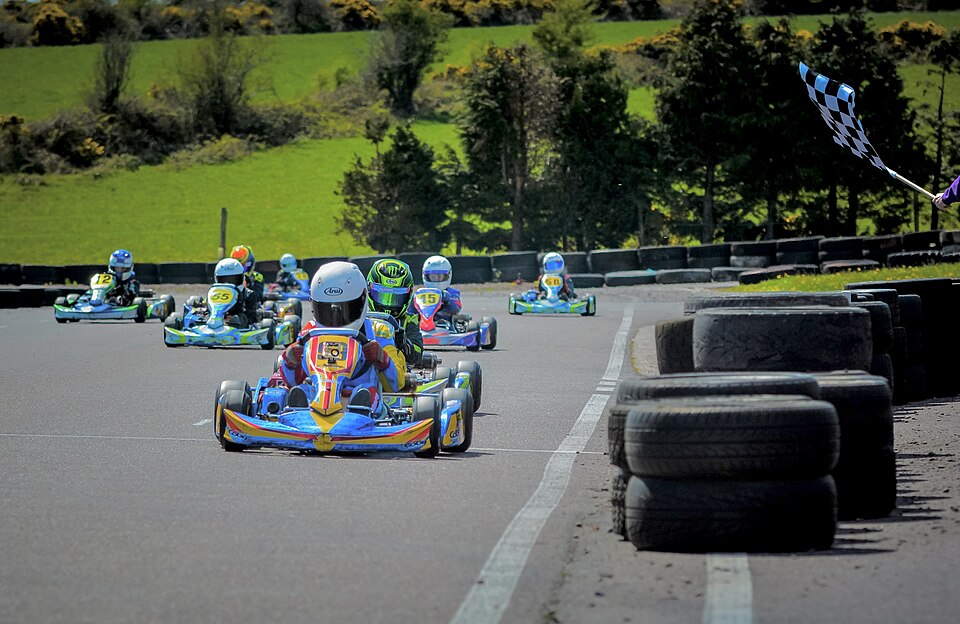
2026 Breakthrough Performances and Records
The current racing season showcases remarkable achievements by female drivers across multiple categories. Jamie Chadwick secured 3rd place in prototype racing, marking her strongest performance in endurance events to date (racers-behindthehelmet.com, Jan 2026). Chloe Chambers achieved a record-breaking Formula E test, becoming one of the few women to demonstrate competitive lap times against established male drivers (womenwithdrivesummit.com, 2025).
The Iron Dames team announced their transition to mixed-gender crews for 2026, signaling a shift toward integrated competition rather than separate series (instagram.com, 2026). In junior categories, the F4 Central European Zone championship recorded its highest ever female participation with four women competing across the season (f4-cez.com, 2025).
Current Champions and Rising Stars
Sarah Moore continues to influence the sport as a coach and mentor, having won the Ginetta Junior Championship in 2009 and the Britcar Endurance Championship in 2018 (wikipedia.org, sarahmooreracing.com). Her transition from competitor to mentor exemplifies the growing ecosystem supporting female talent development.
Alba Hurup Larsen and Emily Cotty have emerged as rising stars in European racing circuits, with both securing podium finishes in 2025 that demonstrate the increasing competitiveness of women in professional racing. W Series alumni have found success across multiple series, with several graduates competing in higher-level championships throughout 2026.
How Have Female Racing Driver Achievements Evolved Since 1958?

Historical Pioneers Who Broke Barriers
The journey of women in motorsport began with Maria Teresa de Filippis, who became the first woman to compete in Formula One in 1958 (topgear.com). Lella Lombardi achieved the only points finish by a woman in F1 history at the 1975 Spanish Grand Prix, a record that stood for decades (topgear.com).
Janet Guthrie broke into IndyCar and NASCAR in the 1970s, becoming the first woman to qualify for and compete in the Indianapolis 500 and Daytona 500. Shirley Muldowney dominated NHRA drag racing in the 1970s and 1980s, winning three Top Fuel championships and proving women could compete at the highest levels of speed-based competition.
Danica Patrick’s 2008 IndyCar Series victory marked the first win by a woman in that series, followed by her historic pole position at the 2013 Daytona 500 (wikipedia.org). These pioneers established the foundation for today’s female drivers to compete without the same barriers.
Sarah Moore’s Trailblazing Career and Impact
Sarah Moore’s career represents multiple “firsts” in British motorsport. She won the Ginetta Junior Championship in 2009, becoming the first female champion in a national-level mixed-gender series (wikipedia.org). Her 2018 Britcar Endurance Championship victory made her the first woman to win that prestigious endurance event (sarahmooreracing.com).
Moore competed in the inaugural W Series season in 2019, finishing 8th overall, and returned for the 2020 season (wseries.fandom.com). In 2021, she made history as the first openly LGBTQ+ driver to stand on the podium during a Formula One Grand Prix race weekend, breaking barriers beyond gender representation (nationalmotormuseum.org.uk, Mar 2025).
What Statistics Show the Growth of Women in Motorsport?
Participation and Performance Metrics
The growth of women in motorsport is demonstrated through concrete statistics. In 2025, women represented 4% of top professional racing drivers, the highest percentage recorded in the sport’s history (autoweek.com, Apr 2025). This represents significant progress from the 1-2% levels seen in previous decades — racing driver.
Extreme E racing has shown remarkable performance convergence between genders. The female-male performance gap has narrowed by 68.6%, with the current gap standing at just 1.1 seconds across comparable race conditions (femalesinmotorsport.com, Jan 2025). This data demonstrates that when given equal equipment and opportunities, women compete at levels previously thought impossible.
Junior categories show even stronger growth. The F4 Central European Zone championship recorded four female drivers in 2025, the highest number in that series’ history (f4-cez.com, 2025). Across all motorsport disciplines, approximately 400,000 women participate in various roles, from competitors to engineers to team managers (racingarchives.org, 2025).
Future Growth Indicators and Programs
The expansion of development programs signals continued growth. F1 Academy, launched to develop female talent for Formula 1, has expanded to include more teams and races in 2026. FIA Girls on Track initiatives have reached over 100,000 young women globally, providing karting opportunities and mentorship (fia.com).
Women in Motorsports North America has established partnerships with major racing series to increase female participation at all levels. The Iron Dames’ transition to mixed crews represents a model for integration rather than separation, potentially accelerating the timeline for gender parity in professional racing.
The Most Surprising Insight About Female Racing Driver Achievements
The most counter-intuitive finding is that the performance gap has narrowed more dramatically than participation rates suggest. While women still represent only 4% of top professionals, their competitive performance against male counterparts has improved at a much faster rate. This indicates that when given equal equipment and opportunities, women are competing at unprecedented levels, suggesting the remaining barriers are more about access and opportunity than capability.
The next generation of female racing drivers is already emerging through expanded development programs and increased visibility of role models. Following the 2026 W Series season or supporting FIA Girls on Track initiatives provides direct ways to track and encourage this continued progress in motorsport equality.
