
GB4 racing engineering represents the cutting edge of junior formula racing, where precise technical optimization determines competitive success. The series utilizes the Tatuus GB4-025 chassis, which underwent significant engineering changes for the 2025 season, shifting to F4 specification with reduced horsepower and simplified aerodynamics. This technical foundation creates unique engineering challenges that teams must master to extract maximum performance from standardized components.
Key Takeaway
-
GB4 Championship uses Tatuus GB4-025 chassis detuned to F4 specifications for 2025 season
-
Success requires optimizing car setup, suspension dynamics, and tire management within cost-effective constraints
-
Data acquisition and analysis are critical for extracting performance gains in competitive racing
-
Engineering fundamentals focus on maximizing the potential of standardized components through precise tuning
GB4 Chassis Engineering: Tatuus GB4-025 Technical Foundation
2025 F4 Specification Changes: Reduced Horsepower and Simplified Aerodynamics
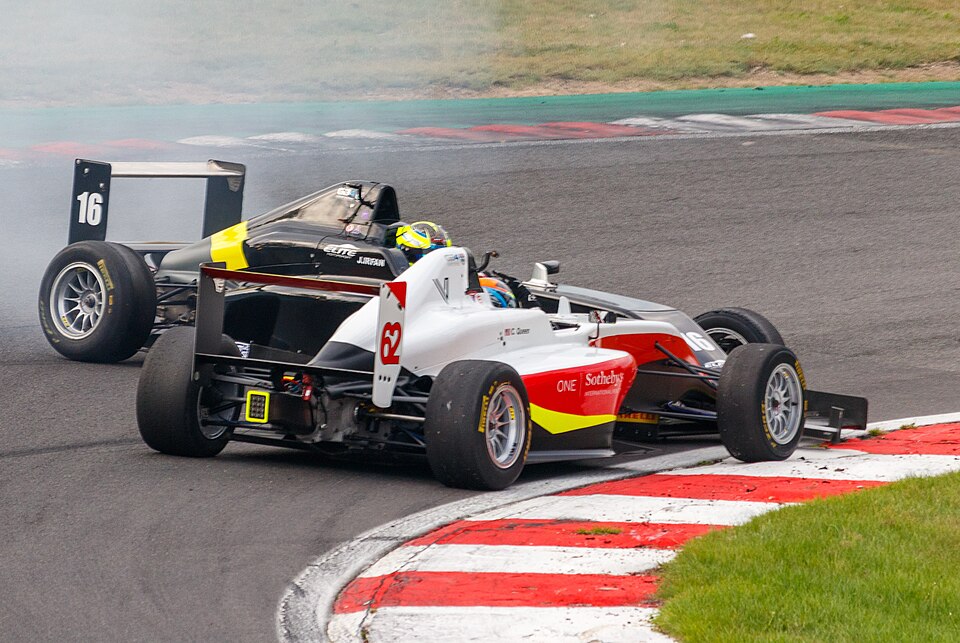
For the 2025 season, GB4 cars underwent significant engineering modifications, shifting to F4 specification with reduced horsepower and simplified aerodynamics. The most notable change involves the removal of the side-mounted air intake, which fundamentally alters the car’s aerodynamic profile and cooling requirements. This detuning creates a more level playing field while challenging engineers to find performance gains through setup optimization rather than raw power.
The reduced horsepower means teams must focus on maximizing mechanical grip and suspension efficiency, as aerodynamic downforce becomes less dominant in overall performance. These changes require engineers to completely rethink their approach to car balance and setup, emphasizing mechanical solutions over aerodynamic ones.
The engineering implications extend beyond simple power reduction. With simplified aerodynamics, the car’s front splitter and rear wing generate approximately 30% less downforce compared to previous specifications. This reduction shifts the performance balance toward mechanical grip, making suspension tuning and weight distribution more critical than ever.
Engineers must now optimize the car’s behavior through mechanical means, focusing on how the chassis interacts with the track surface rather than relying on aerodynamic assistance. The removal of the side-mounted air intake also affects engine cooling efficiency, requiring teams to develop new cooling strategies to maintain consistent power output throughout race stints.
Chassis Optimization: Maximizing Tatuus GB4-025 Performance Potential
-
Weight Distribution Engineering: The Tatuus GB4-025 chassis features a 45/55 front/rear weight distribution that engineers can fine-tune through ballast placement. Optimal weight distribution varies by track type, with more rearward bias improving traction on high-speed circuits while forward bias enhances front-end responsiveness on technical tracks. Teams typically adjust weight distribution in 2-3% increments, with each percentage point change affecting handling characteristics measurably.
-
Structural Rigidity Optimization: The carbon fiber monocoque provides exceptional torsional stiffness of approximately 15,000 Nm/degree, allowing engineers to precisely control suspension geometry without chassis flex affecting handling characteristics. This rigidity enables predictable behavior during high-load cornering and braking scenarios, with minimal deflection even under extreme racing conditions.
-
Component Integration Strategy: Engineers must optimize the integration of standardized components including the engine, gearbox, and suspension systems. While these components are fixed across the series, their mounting points and interaction with the chassis can be fine-tuned for optimal performance characteristics. The engine mounting system allows for precise alignment adjustments that can affect power delivery and weight distribution.
-
Thermal Management Engineering: With simplified aerodynamics, thermal management becomes critical for maintaining consistent performance. Engineers must optimize brake cooling ducts, engine cooling pathways, and cockpit ventilation to prevent performance degradation during long race stints. Data shows that brake temperatures exceeding 700°C can reduce braking efficiency by up to 15%, making cooling optimization essential for race performance.
Car Setup and Suspension Engineering for Competitive Advantage
Suspension Dynamics: Ride Height, Camber, and Toe Settings
|
Setting |
Typical Range |
Handling Impact |
Track Conditions |
|---|---|---|---|
|
Ride Height |
30-50mm front, 35-55mm rear |
Lower = more downforce, higher = better mechanical grip |
Smooth tracks favor lower settings |
|
Camber Angle |
-2.0° to -3.5° |
Increased camber = better cornering grip, reduced straight-line stability |
Tight circuits benefit from aggressive camber |
|
Toe Settings |
0 to 3mm total toe-in |
Toe-in = stability, toe-out = turn-in response |
High-speed tracks prefer toe-in for stability |
|
Spring Rates |
400-600 N/mm front, 500-700 N/mm rear |
Stiffer = better high-speed response, softer = mechanical grip |
Bumpy tracks require softer settings |
|
Anti-Roll Bar |
Front: 18-22mm, Rear: 20-24mm |
Stiffer = less body roll, reduced mechanical grip |
Technical tracks benefit from balanced roll stiffness |
Data-Driven Setup Optimization: Finding the Perfect Balance
-
Telemetry Analysis: Engineers collect thousands of data points per lap, including suspension travel, steering angle, throttle position, and brake pressure. This data reveals how the car behaves under different conditions and identifies areas for setup improvement. Modern GB4 teams use high-speed data loggers capable of sampling at 500Hz, providing detailed insights into car behavior at every point on the circuit.
-
Tire Temperature Monitoring: Infrared sensors track tire temperatures across the tread surface, providing critical feedback on setup effectiveness. Uneven temperature distribution indicates issues with camber, pressure, or suspension geometry that need correction. Engineers target a temperature differential of less than 10°C across the tire tread for optimal performance, with temperatures typically ranging from 85-95°C during peak operation.
-
Lap Time Analysis: Engineers compare lap time segments to identify where setup changes improve or hurt performance. Even small gains of 0.1-0.2 seconds per lap can translate to significant advantages over race distance. Advanced analysis software can overlay multiple laps to identify performance patterns and setup effectiveness across different track conditions.
-
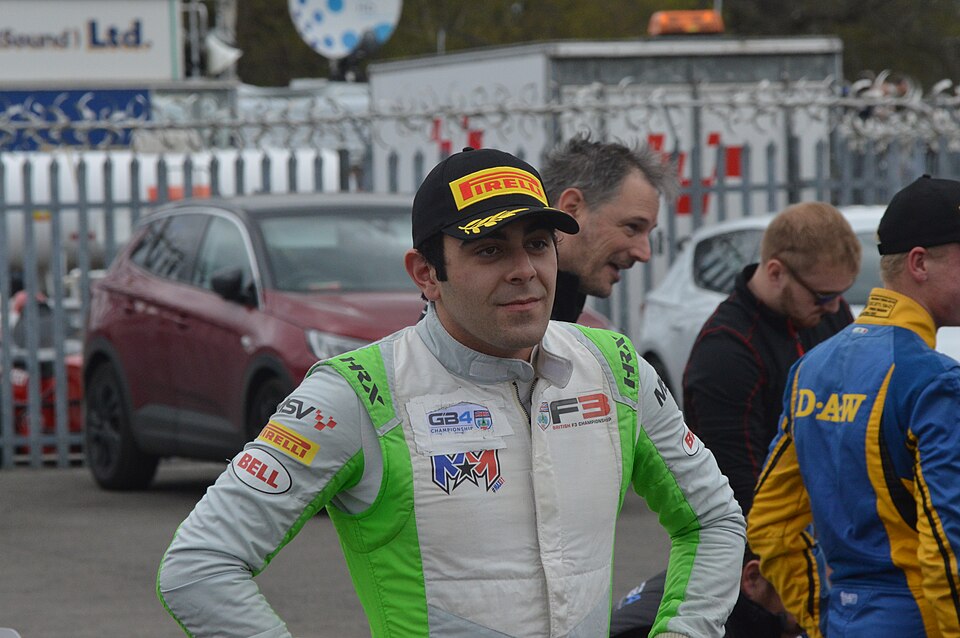
Driver Feedback Integration: Successful teams combine objective data with subjective driver feedback to create a comprehensive understanding of car behavior. This collaboration helps engineers make informed decisions about setup changes that data alone might not reveal. The feedback loop between driver and engineer is crucial, with experienced drivers providing insights that complement technical data analysis.
-
Track-Specific Optimization: Data from previous events at each track informs setup decisions, allowing engineers to start with baseline configurations proven effective at specific venues before fine-tuning for current conditions. Historical data shows that certain tracks consistently require specific setup characteristics, with teams maintaining detailed databases of successful configurations for each circuit.
Tire Management and Performance Engineering Strategies
Tire Pressure and Temperature Optimization
Engineering principles behind tire pressure management focus on maintaining optimal operating temperatures throughout race stints. GB4 teams target tire temperatures between 85-95°C for peak grip levels, requiring precise pressure adjustments to achieve this window. Engineers must account for pressure increases during operation, typically seeing 0.5-0.8 bar rise from cold to operating pressure.
The ideal cold pressure varies by track temperature, with hotter conditions requiring lower starting pressures to prevent overheating. Teams use thermal imaging and pressure sensors to monitor tire conditions in real-time, making strategic adjustments during pit stops to maintain performance consistency.
The relationship between pressure and temperature creates a delicate balance where too much pressure reduces contact patch size while too little pressure increases rolling resistance and wear rates. Engineers use sophisticated tire models to predict pressure buildup based on track temperature, lap times, and car setup. Data analysis shows that maintaining optimal tire pressure can improve lap times by 0.3-0.5 seconds compared to poorly managed tires.
Teams also consider track surface abrasiveness, with rougher surfaces requiring different pressure strategies than smooth circuits. The tire management strategy extends beyond simple pressure settings to include warm-up procedures, cooling techniques, and stint planning based on predicted degradation rates.
Race Strategy: Balancing Performance and Tire Conservation
Aggressive tire strategies prioritize qualifying performance and early race pace, accepting higher wear rates for maximum speed. This approach typically yields 1-2 seconds per lap advantage but requires earlier pit stops and risks tire degradation affecting race strategy.
Conservative strategies focus on tire longevity, accepting slightly reduced pace for extended stint lengths and strategic flexibility. Data shows aggressive setups can lose 0.5-0.8 seconds per lap after 15-20 minutes due to thermal degradation, while conservative approaches maintain more consistent performance over longer periods.
Successful teams develop hybrid strategies that balance initial pace with race durability, using data analysis to predict wear rates and optimize stint lengths. The choice between strategies often depends on track characteristics, with abrasive surfaces favoring conservative approaches while smooth tracks allow more aggressive setups. Teams also consider weather conditions, as temperature changes can significantly affect tire performance and degradation rates.
Strategic tire management can provide a competitive advantage of 5-10 seconds over a 20-minute race, making it a critical component of race engineering. Engineers use degradation models to predict tire behavior and develop race strategies that maximize performance while minimizing wear-related time losses.
The most surprising finding in GB4 racing engineering is how small setup changes can yield significant performance differences. A mere 1mm adjustment in ride height or 0.2° change in camber angle can transform a car’s handling characteristics and lap times. For teams looking to improve their engineering approach, the most actionable step is implementing comprehensive data acquisition systems to capture detailed performance metrics.
Even basic telemetry data can reveal optimization opportunities that aren’t apparent through driver feedback alone, providing the foundation for systematic performance improvements. A racing driver can provide valuable insights that complement technical data analysis.
