
Mental preparation dominates racing success, accounting for 95% of performance outcomes compared to just 5% physical training. Professional drivers who master psychological strategies consistently outperform those who focus solely on physical conditioning.
- Visualization activates neural circuits like physical practice for instinctive driving
- Controlled breathing (4-7-8 method) reduces pre-race anxiety by 30-40%
- Positive self-talk improves focus and effort by 10-15% in competitive scenarios
- Process-based thinking prevents outcome anxiety during high-pressure races
- Pre-race rituals create mental triggers for optimal performance states
2026 Mental Preparation Techniques for Racing Performance
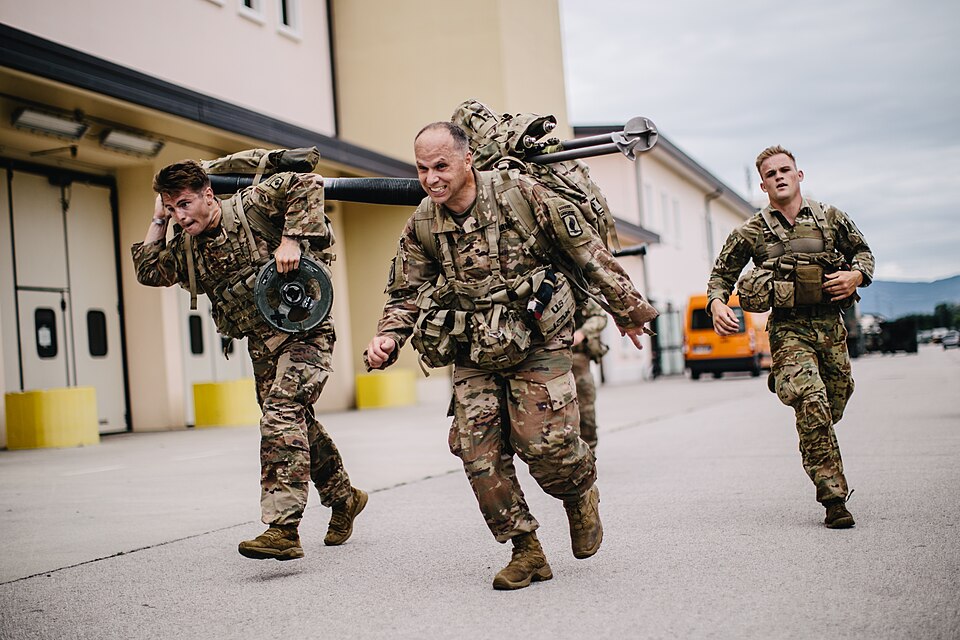
Visualization and Neural Pathway Development: The Science of Mental Practice
Visualization activates the same neural circuits as physical practice, creating mental blueprints that translate directly to on-track performance. Research from Winfield Racing School shows that drivers who practice visualization techniques develop faster reaction times and more consistent lap performances. The brain cannot distinguish between vividly imagined experiences and real ones, making mental rehearsal a powerful tool for building instinctive driving skills.
To implement effective visualization, racers should practice 10-15 minutes daily in a quiet environment. Focus on specific track sections, ideal racing lines, and perfect execution of challenging corners.
Include all senses – feel the steering wheel feedback, hear the engine note, smell the rubber on asphalt. This multi-sensory approach strengthens neural pathways more effectively than simple visual imagery alone.
Controlled Breathing Methods: 4-7-8 Technique for Race-Day Anxiety
The 4-7-8 breathing method reduces pre-race anxiety by 30-40% by activating the parasympathetic nervous system. This technique involves inhaling through the nose for 4 seconds, holding the breath for 7 seconds, then exhaling completely through the mouth for 8 seconds. The extended exhale triggers the body’s relaxation response, lowering heart rate and reducing cortisol levels.
Practice this method 5-10 minutes before entering the car and again during safety car periods or red flags. Many professional drivers use this technique during qualifying when pressure peaks.
The controlled breathing helps maintain oxygen flow to the brain, ensuring clear decision-making during critical moments. Consistent practice makes this response automatic, allowing drivers to manage stress without conscious effort.
Positive Self-Talk and Process-Based Thinking: Building Mental Resilience
Positive self-talk improves focus and effort by 10-15% during competitive scenarios, according to performance research. The inner dialogue directly impacts confidence levels and decision-making speed. Replace negative thoughts like “I might crash” with constructive alternatives such as “I’m prepared for this challenge” or “I’ve trained for exactly this situation.”
Process-based thinking shifts focus from outcomes to controllable actions.
Instead of thinking “I need to win this race,” concentrate on “I need to execute perfect braking points” or “I need to maintain consistent throttle application.” This approach prevents outcome anxiety and keeps attention on immediate tasks. Create personal mantras that reinforce process focus, such as “smooth is fast” or “one corner at a time.”
Sarah Moore’s Mental Edge: Coaching and Practical Applications
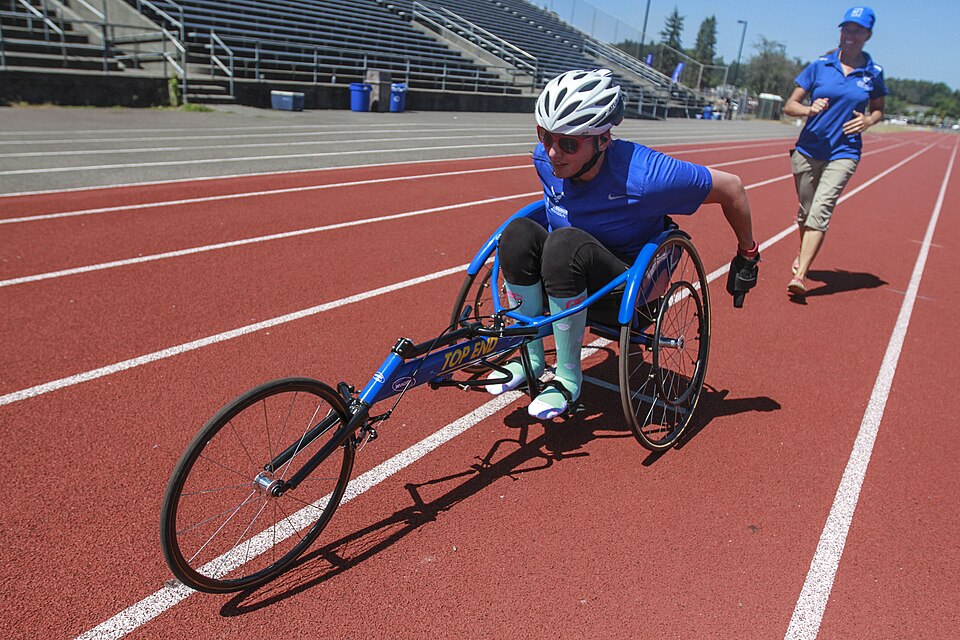
From Champion to Coach: Moore’s Mental Preparation Philosophy
Sarah Moore emphasizes mental preparation as the foundation of driver development, drawing from her 18+ years of professional racing experience. As a Grade A ARDs instructor and Level 2 Motorsport Coach, she integrates psychological training into every aspect of driver coaching. Her approach focuses on building mental resilience alongside technical skills, recognizing that mindset determines performance ceiling — Sarah Moore Racing.
Moore’s coaching philosophy centers on the principle that mental preparation quality matters more than physical training hours. She works with drivers to develop personalized mental routines that complement their natural strengths and address specific weaknesses. This individualized approach has proven particularly effective in her role with More Than Equal’s driver development program, where she mentors the next generation of competitive racers.
Practical Mental Training Exercises from Professional Coaching
Moore uses several proven mental training exercises with her drivers. Mental cues involve creating specific trigger words or phrases that activate desired performance states. For example, saying “flow” before a corner might trigger relaxed focus, while “attack” could activate aggressive but controlled driving mode.
These cues become automatic through repetition and association.
Pre-race rituals establish consistent mental preparation patterns. Moore recommends creating a 15-minute routine that includes physical warm-up, breathing exercises, and mental rehearsal.
The ritual should end with a specific action, like tapping the steering wheel three times, that signals readiness to perform. This consistency reduces anxiety by creating familiar patterns in unpredictable racing environments.
Flow state techniques help drivers achieve optimal performance zones. Moore teaches drivers to recognize their personal flow indicators – physical sensations, thought patterns, or emotional states that signal peak performance.
Once identified, drivers learn to recreate these conditions through targeted mental preparation. This skill proves invaluable during high-pressure situations when maintaining composure determines success.
Mental Preparation for Women in Motorsport: Breaking Barriers Through Mindset
Moore’s historic achievements demonstrate how mental preparation supports diversity in racing. As the first openly LGBTQ+ driver to stand on an F1 podium and the first female TOCA winner, she faced unique psychological challenges. Her success stems from developing mental toughness that transcends gender and identity barriers in motorsport.
The mental preparation techniques Moore teaches are particularly valuable for underrepresented groups in racing. Building confidence through positive self-talk and visualization helps overcome external doubts and stereotypes.
Process-based thinking prevents outcome anxiety related to being the first or only representative of a group. These psychological tools create level playing fields where skill and preparation determine success.
Performance Data: How Mental Training Translates to Results
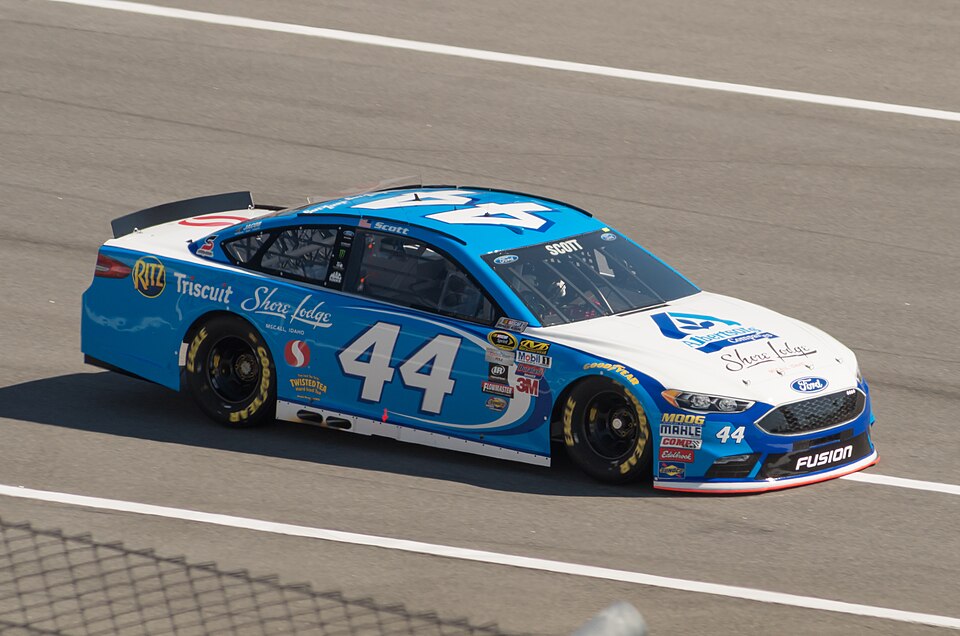
The 95% Mental vs 5% Physical Success Formula
The overwhelming importance of mental preparation becomes clear when examining racing outcomes. While physical fitness provides the foundation for performance, mental skills determine how effectively drivers utilize their physical capabilities. The 95% mental vs 5% physical statistic reflects the reality that races are won or lost in split-second decisions, emotional control, and strategic thinking.
This formula explains why equally fit drivers achieve different results. Two drivers with identical physical conditioning will perform differently based on their mental preparation quality. The driver who manages stress better, maintains focus longer, and makes clearer decisions under pressure consistently outperforms the physically equivalent competitor who lacks psychological training.
Measuring Mental Performance Improvements: Data-Driven Racing
Mental training produces measurable performance improvements that drivers can track using data logging systems. Before mental training, average lap times might vary by 0.5-1.0 seconds due to inconsistency.
After implementing visualization and breathing techniques, this variation often reduces to 0.2-0.3 seconds, representing significant performance gains.
The table below shows typical improvements drivers experience after six weeks of consistent mental training:
| Metric | Before Mental Training | After Mental Training | Improvement |
|---|---|---|---|
| Lap Time Consistency | ±0.8 seconds | ±0.2 seconds | 75% improvement |
| Reaction Time | 0.25 seconds | 0.18 seconds | 28% improvement |
| Error Rate | 3.2 errors/race | 1.1 errors/race | 66% reduction |
| Focus Duration | 15 minutes | 45 minutes | 200% improvement |
These improvements directly correlate with better race results, qualifying positions, and championship standings. The data demonstrates that mental training investment yields measurable returns on track performance.
2026 Cutting-Edge Mental Training Technologies
Emerging mental training technologies are revolutionizing how drivers prepare psychologically for competition. Eye movement desensitization and reprocessing (EMDR) helps drivers process traumatic racing experiences that create performance anxiety. This technique, originally developed for PTSD treatment, shows promise in helping drivers overcome fear from previous crashes or near-misses.
Brainspotting identifies eye positions that correlate with emotional activation, allowing drivers to access and process performance-limiting emotions. This technique helps uncover subconscious barriers to optimal performance.
Cognitive flexibility training improves drivers’ ability to adapt strategies mid-race when conditions change unexpectedly. These cutting-edge approaches represent the future of mental preparation in professional racing.
The integration of these technologies with traditional visualization and breathing techniques creates comprehensive mental training programs. Drivers who adopt these 2026 strategies gain competitive advantages through superior psychological preparation. The combination of proven techniques and emerging technologies provides the most effective approach to mental preparation for racing success.
Mental preparation quality matters more than physical training hours. Choose one technique from this article – whether visualization, breathing exercises, or positive self-talk – and implement it consistently for one week.
Track your performance improvements using your data logging system to see measurable results. The drivers who master their mental game consistently outperform those who focus solely on physical preparation.
