Motorsports Coaching for Beginners: What to Expect in Your First Session
Imagine the butterflies in your stomach as you pull up to the track for your first motorsports coaching session. You’re about to drive a high-performance car, but you have no idea what to expect. With a professional coach like Sarah Moore, that anxiety quickly turns into excitement.
Your first session is a carefully structured introduction that prioritizes safety, builds confidence, and lays the foundation for future progress. You’ll experience a comprehensive safety briefing, guided seat time focusing on car control, and a personalized evaluation—all paced to your comfort level. This step-by-step guide walks you through exactly what happens from arrival to departure.
- Your session starts with a mandatory safety briefing covering track rules, flags, and correct driving position.
- An ARDS A-grade instructor will guide you through car control techniques like racing lines, acceleration, and gear changes during seat time.
- Weight transfer management is a key focus, especially if you’re transitioning from karting to cars.
- Speed builds progressively based on your comfort, ending with a skill evaluation and personalized development plan.
What Your First Motorsports Coaching Session Looks Like: A Step-by-Step Guide
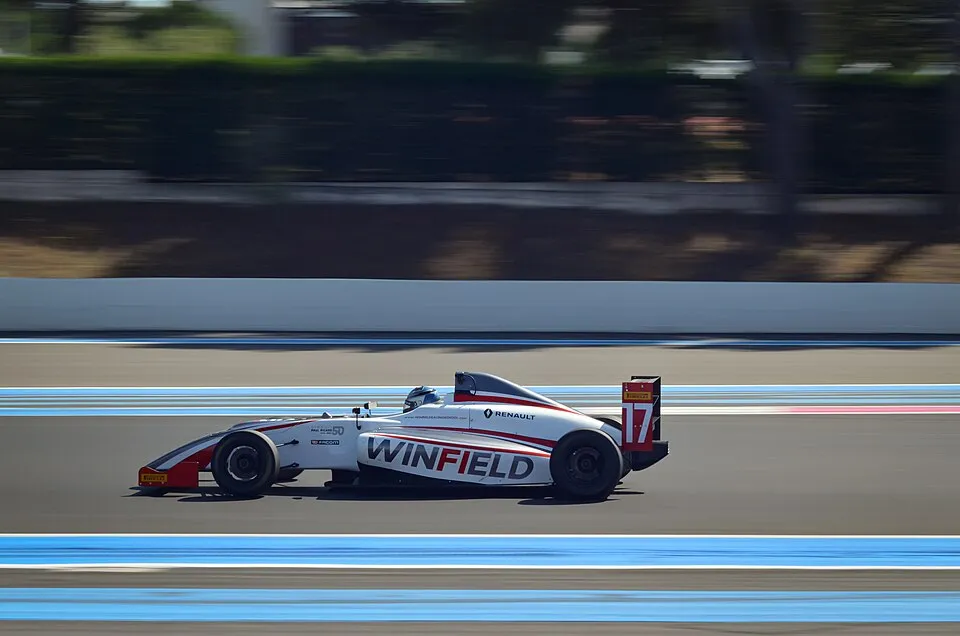
A beginner’s first motorsports coaching session with a professional like Sarah Moore follows a clear sequence: safety briefing, instructor-guided seat time focusing on car control and weight transfer, progressive speed building, and a personalized skill evaluation. This structure ensures you learn safely while building confidence from the ground up.
Safety Briefing and Track Orientation: Rules, Flags, and Driving Position
Before you even touch the steering wheel, you’ll participate in a mandatory safety briefing that covers all essential track rules and procedures. This includes understanding the flag system—green indicates a clear track, yellow warns of hazards and prohibits overtaking, red means stop immediately, and chequered signals the end of the session. Additional flags like blue (faster car approaching) and black (return to pits) may also be explained.
The briefing also details track limits, overtaking protocols, and what to do in case of an incident. Proper driving position is another critical component: you’ll learn how to adjust the seat for optimal pedal reach, set the steering wheel at a 9-and-3 grip for maximum control, tighten the harness correctly, and adjust mirrors for full visibility. This foundation is non-negotiable for all beginners, regardless of prior karting experience, and ensures you start your track time with a clear understanding of safety expectations and vehicle ergonomics.
The briefing also covers emergency procedures, such as how to safely exit the car and what signals the instructor will use during the session. By the end, you’ll know exactly what is expected of you and how to stay safe while pushing your limits.
Instructor-Guided Seat Time: Mastering Racing Lines and Car Control
Once on track, an ARDS A-grade instructor sits beside you (or communicates via headset) to guide you through core car control techniques. The seat time is structured to build skills progressively:
- Racing line selection: You’ll learn the optimal path through each corner—entry point, apex, and exit—to maintain speed and stability, a key aspect of cornering techniques for racing drivers.
- Smooth acceleration and braking: Practice progressive pedal application to avoid wheel lock-up or spin, preserving tire traction.
- Steering input technique: Develop smooth, deliberate steering movements with proper hand positions, while managing weight transfer.
- Efficient gear changes: Master rev matching and timely shifts to keep the car balanced and powerful.
- Racing line selection: You’ll learn the optimal path through each corner—entry point, apex, and exit—to maintain speed and stability.
- Smooth acceleration and braking: Practice progressive pedal application to avoid wheel lock-up or spin, preserving tire traction.
- Steering input technique: Develop smooth, deliberate steering movements with proper hand positions, while managing weight transfer.
- Efficient gear changes: Master rev matching and timely shifts to keep the car balanced and powerful.
The instructor provides real-time feedback, correcting mistakes immediately and reinforcing good habits. You might start by following the instructor’s lap to observe the line, then take the wheel with continuous guidance. This hands-on approach accelerates learning and builds muscle memory for consistent, controlled driving.
A typical session includes several laps of guided instruction, followed by a few laps where you apply what you’ve learned with minimal intervention, allowing the instructor to assess your independent capability. The constant dialogue via headset ensures you understand each correction and can adjust on the fly, making the most of every minute on track.
Weight Transfer Management: The Critical Skill for Karting-to-Car Transition
Weight transfer is the shift of a car’s mass during acceleration, braking, and cornering, and mastering it is essential for precise car control. When you brake, weight moves forward, increasing front tire grip but reducing rear traction; accelerating shifts weight rearward; cornering shifts weight to the outside tires. Managing these transfers through smooth inputs keeps the car balanced and prevents oversteer or understeer.
For beginners coming from karting, this concept is entirely new.
Karts have minimal weight transfer due to their low mass and lack of suspension, so drivers simply steer and throttle. In a car, weight transfer is pronounced and must be consciously managed. Sarah Moore emphasizes this skill because it underpins advanced techniques like trail braking and throttle control in corners.
In your first session, you’ll feel the effects of weight transfer through guided exercises, learning how to use it to your advantage rather than fight it. For example, you’ll practice braking in a straight line to feel the front-end grip increase, then gently turning while still braking to sense the rear becoming light, which introduces trail braking and threshold braking concepts.
This focus ensures a smoother transition from karting to cars and faster development overall. Understanding weight transfer also helps you diagnose car behavior—if the rear slides out, you know you’ve upset the balance, and you can adjust your inputs accordingly.
Progressive Speed Building and Personalized Skill Evaluation
The session’s pacing is carefully calibrated to your growing comfort and competence. You’ll begin with moderate speeds—around 60-70% of the car’s capability—to ensure you can execute techniques correctly without feeling rushed. As your confidence builds and your inputs become smoother, the instructor gradually increases the pace, often reaching 80-90% by the final laps.
This progressive approach prevents overwhelm and solidifies fundamentals before adding speed.
The session concludes with a comprehensive debrief. The instructor assesses your car control smoothness, understanding of racing lines, weight transfer management, and overall aptitude. This evaluation forms the basis of a personalized development plan, highlighting strengths, pinpointing areas for improvement, and recommending next steps—whether that’s additional sessions, specific skill focus, or progression to a higher program tier.
The debrief may include video footage of your laps if available, allowing you to see your lines and inputs from the outside. The development plan is not a generic template; it’s tailored to your unique learning curve and goals.
For a beginner, this might mean focusing on more seat time to build confidence; for someone with karting experience, it might mean advanced weight transfer drills. This individualized roadmap ensures your coaching journey aligns precisely with your starting point and aspirations.
Sarah Moore’s Coaching Programs for Beginners: From Single Sessions to Full Development

Sarah Moore offers a spectrum of coaching programs designed to match varying commitment levels and aspirations, from a single-day supercar thrill to a full driver development pathway, all customizable to your experience and objectives.
Supercar Experience Days: A High-Performance Introduction
A Supercar Experience Day is an ideal entry point for beginners and enthusiasts seeking a taste of professional coaching. Typically spanning a single day or weekend, the program includes a thorough safety briefing, multiple track sessions (usually three to four) with an instructor alongside you, and the opportunity to drive high-performance supercars such as Porsche, Ferrari, or Lamborghini in a controlled environment. The focus is on experiencing the extreme capabilities of these vehicles—their acceleration, braking, and cornering—while learning basic car control and track awareness.
It’s perfect for first-time track visitors, those craving an adrenaline rush, or anyone wanting to sample coaching without a long-term commitment. Sessions are tailored to your comfort, ensuring you feel challenged but not intimidated.
By the end, you’ll have a solid foundation and a clear sense of what motorsports coaching can achieve. For more on what these days entail, check out our [racing coaching resources] page.
Driver Development Programs: Structured Paths for Aspiring Racers
For those serious about progressing in racing, Sarah Moore’s Driver Development Programs offer structured, multi-session pathways. These programs are tiered to match your current skill level and ultimate goals, with each tier building on the previous. The following table compares the key characteristics:
| Program Tier | Typical Duration | Focus Areas | Vehicle Type | Target Outcome |
|---|---|---|---|---|
| Beginner/Foundation | 1-3 days (flexible) | Car control basics, weight transfer, fundamental racing lines, vehicle dynamics | Ginetta, high-performance road cars | Track day competence, confidence in basic car control |
| Intermediate/Development | 4-6 weeks (multiple sessions) | Racecraft (overtaking, qualifying, race starts), advanced car control, fitness introduction | Ginetta, Formula 4 | Race license preparation, competitive track performance |
| Advanced/Professional | Ongoing, season-long | Full race weekend support, advanced racecraft, mental resilience, fitness optimization | Formula 3, Formula 2, GT cars | Competitive racing at higher series, professional driver development |
These tiers reflect a logical progression from foundational skills to race-ready competence, with each stage incorporating the appropriate vehicle and focus areas to prepare you for the next challenge. The Beginner tier is where most starters begin, often after a Supercar Experience Day.
The Intermediate tier introduces race-specific skills and fitness, while the Advanced tier provides comprehensive support for actual competition. Understanding these pathways helps you choose the right starting point and set realistic expectations for your development timeline.
Custom Coaching: Tailored Sessions for Every Comfort Level
Beyond the structured programs, Sarah Moore offers fully custom coaching to meet individual needs. Options include:
- Session length: Half-day (3-4 hours) for a focused introduction, or full-day (6-8 hours) for deeper immersion.
- Skill focus: Target specific areas such as braking techniques, cornering precision, race starts, or weight transfer mastery.
- Group vs. one-on-one: Choose a shared group session for cost savings and peer learning, or a private one-on-one for undivided instructor attention.
- Experience level adaptation: Sessions are adapted for complete beginners (no track experience) or for those with karting backgrounds (focus on car transition).
- Additional support: Incorporate fitness training, mental preparation coaching, or video analysis if desired.
Sarah Moore’s philosophy is clear: “I can tailor days from complete beginners all the way to full race weekend support.” This flexibility ensures that whether you’re trying a track day for the first time or preparing for a race, there’s a coaching package that fits your exact starting point and goals. For a deeper look at how personalization accelerates learning, read about the benefits of personalized racing coaching for driver development. Additionally, if you’re mindful of costs, our guide on budgeting for motorsports training offers strategies for investing wisely in 2026.
Why Sarah Moore’s Coaching Works for Beginners: A Champion’s Practical Approach
Sarah Moore’s effectiveness as a beginner coach stems from her unique combination of elite racing success, professional instruction qualifications, and inclusive coaching philosophy—all applied with a practical, track-focused approach.
From Ginetta Junior Champion to Coach: Real-World Racing Experience Applied
Sarah Moore’s racing resume is extraordinary. She made history as the first and only female to win the Ginetta Junior Championship in 2009, a prestigious UK series that has launched many professional drivers. She later captured the Britcar Endurance Championship in 2018 and competed in the W Series, the premier female racing series.
In 2021, she became the first openly LGBTQ+ driver to stand on the podium at a Formula One Grand Prix race weekend.
This pedigree means she’s not just teaching theory; she’s sharing techniques proven at the highest levels of club and professional racing. She understands the progression from beginner to champion because she’s lived it. Her coaching emphasizes practical, repeatable skills—like managing weight transfer and finding the perfect racing line—that directly translate to faster lap times and safer driving.
Beginners benefit from her ability to break down complex concepts into simple, actionable steps, drawing from her own journey from karting to cars. Her experience across single-seaters, endurance, and women’s initiatives gives her a broad perspective on what it takes to succeed at any level.
Professional Instruction Standards: ARDS A-Grade Certification and Safety Focus
The ARDS A-grade is the highest instructor certification in the UK, requiring extensive racing experience, advanced teaching skills, and rigorous safety training. Sarah Moore holds this qualification, ensuring her instruction meets the industry’s gold standard.
This means every session follows a structured methodology: clear objectives, progressive challenges, and constant risk assessment. Safety is not an afterthought; it’s integrated into every moment—from the pre-session briefing to in-car communication to post-session debrief.
The cars are meticulously prepared, and the track environment is controlled. For beginners, this professional oversight provides peace of mind, allowing them to push their limits within a safe, managed framework.
You’re in expert hands that prioritize your wellbeing as much as your development. The ARDS A-grade also signifies her ability to communicate complex ideas clearly, adapt to different learning styles, and provide constructive feedback—all essential for effective coaching.
Inclusive Coaching Environment: Supporting Women and LGBTQ+ Beginners
Sarah Moore is a prominent advocate for diversity in motorsport. She serves as an ambassador for Racing Pride, an organization promoting LGBTQ+ inclusion, and is a coach for More Than Equal, a pioneering program dedicated to developing female racing talent.
This commitment translates into a coaching environment that is explicitly welcoming to all beginners, especially those from underrepresented groups who might feel intimidated by the traditionally male-dominated sport. She understands the unique challenges faced by women and LGBTQ+ individuals and creates a supportive, judgment-free space where everyone can learn and thrive.
For many beginners, knowing their coach values inclusion makes the experience more comfortable and empowering. It’s not just about teaching driving skills; it’s about building confidence and belonging in the motorsports community.
This inclusive approach aligns with her role in More Than Equal, where she mentors female drivers transitioning from karting to cars, and her ambassadorship with Racing Pride, which fosters a culture of acceptance across the sport. Such an environment is particularly valuable for beginners who may otherwise feel out of place, ensuring they can focus entirely on learning and enjoyment.
Closing
The first motorsports coaching session is less about setting fast lap times and more about building a reproducible skill foundation. Success is measured in consistent, smooth inputs and a clear understanding of car control—not raw speed. This foundation, once established, allows for steady, confident progression.
Sarah Moore’s approach combines elite racing experience, ARDS A-grade professionalism, and an inclusive mindset to create an ideal learning environment for beginners. If you’re ready to experience this structured approach, book a half-day beginner session or a Supercar Experience Day through Sarah Moore’s racing coaching programs. This first step will give you a safe, supportive introduction to track driving and a personalized plan for your motorsports journey.
For more on selecting the right coach, explore our guide on [how to select the right racing driver coach for your career]. To understand the broader benefits of personalized instruction, read about [the benefits of personalized racing coaching for driver development].
And if you’re interested in holistic training beyond the track, see our article on [holistic training for racing drivers]. Start your journey today and discover what it feels like to learn from a champion.
