
Sarah Moore’s 25-year racing journey from starting karting at age 4 to becoming a champion and coach demonstrates the realistic timeline and milestones for professional driver development. Her progression shows that becoming a professional racing driver requires dedication, proper training, and following a structured pathway through the ranks.
- Start in karting at age 4-8 to build fundamental skills before moving to cars
- Ginetta Junior Championship (2009) was Sarah Moore’s crucial step from karting to car racing
- 25 years of experience spans karting, single-seaters, and endurance racing
- Britcar Endurance Championship win (2018) marked breakthrough in professional endurance racing
- Current coaching role with More Than Equal focuses on karting-to-cars transition
The pathway from karting to professional racing typically takes 15-20 years of dedicated development, not the quick rise many expect. Sarah Moore’s career progression from age 4 karting to championship wins and coaching demonstrates this realistic timeline. Starting young in karting provides the essential foundation that professional drivers need before they can handle the complexity of car racing.
Starting in Karting: Building the Foundation at Age 4-8
Karting serves as the essential first step for aspiring racing drivers because it develops fundamental car control skills without the complexity of car-specific systems. Starting at age 4, young drivers learn throttle control, braking techniques, and racing lines in a controlled environment.
The lightweight nature of karts teaches weight transfer and momentum management that become critical when moving to heavier race cars. Sarah Moore began her journey in karting at age 4, building these foundational skills before progressing to more advanced racing categories.
The karting phase typically lasts 8-10 years, during which drivers develop muscle memory and racing instincts that cannot be learned later. This period focuses on mastering basic racing techniques, understanding track conditions, and developing the physical fitness needed for competitive racing. The skills acquired during karting form the foundation for all future racing success, making this early training period non-negotiable for professional development.
The Critical Ginetta Junior Step: Learning Car Control and Technical Data
The transition from karting to car racing represents a crucial milestone in driver development. In 2007, Sarah Moore made her move into cars as part of the Ginetta Junior Winter Series, marking the beginning of her car racing career. The Ginetta Junior Championship serves as the essential bridge between karting and professional racing, introducing drivers to car-specific challenges like clutch operation, gear shifting, and more complex weight transfer dynamics.
Ginetta Junior racing teaches drivers to interpret technical data from their cars, a skill that becomes increasingly important at higher levels of motorsport. The championship provides a controlled environment where young drivers can learn car control while competing against similarly skilled opponents.
Moore’s success in this series culminated in her 2009 championship win, making her the first and only female champion in the championship’s history. This achievement demonstrated her readiness to progress to more advanced racing categories.
Progression to GT and Endurance: The Professional Racing Ladder
After mastering junior car series, drivers typically progress to GT racing and endurance events, which represent the highest levels of professional motorsport. Sarah Moore’s career advanced to Ginetta and GT racing, where she competed in more powerful cars over longer distances. The 2018 Britcar Endurance Championship win marked her breakthrough in professional endurance racing, becoming the first female driver to achieve this milestone.
Endurance racing differs significantly from sprint racing in terms of strategy, physical demands, and technical requirements. Drivers must maintain concentration for extended periods, manage tire wear and fuel consumption, and work effectively with co-drivers during driver changes. This progression from junior series to endurance racing represents the final step before reaching the highest levels of professional motorsport, where drivers compete in international championships and potentially Formula 1.
Key Milestones in Sarah Moore’s Racing Career
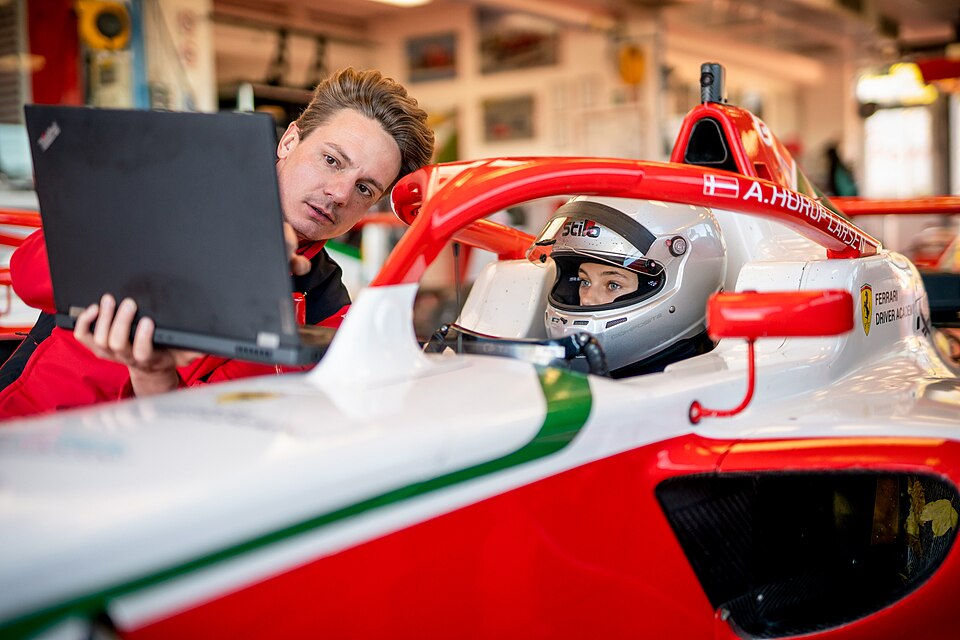
Sarah Moore’s racing career includes several breakthrough achievements that demonstrate the progression from promising junior driver to established professional. Her journey includes championship wins, historic firsts, and sustained success across different racing formats. These milestones represent the typical progression that aspiring drivers should aim to achieve in their own careers.
Ginetta Junior Championship Victory: Breaking Barriers in 2009
The 2009 Ginetta Junior Championship victory represented a significant breakthrough in Sarah Moore’s career and for women in motorsport. Winning this mixed-gender national series made her the first female champion in the championship’s history and demonstrated her readiness for more advanced competition. The victory came after a year of learning in 2008, showing the importance of patience and gradual progression in driver development.
This championship win provided industry recognition and opened doors to higher levels of competition. Success in junior series like Ginetta Junior serves as a crucial validation point for drivers, proving they have the skills and consistency needed to compete at professional levels. Moore’s achievement also highlighted the importance of mixed-gender competition in developing well-rounded racing skills and building confidence against diverse competition.
Britcar Endurance Championship: First Female Winner in 2018
The 2018 Britcar Endurance Championship victory marked another significant milestone in Sarah Moore’s career, establishing her as a top-level professional driver. Becoming the first female driver to win this championship demonstrated her ability to compete successfully in endurance racing, which requires different skills than sprint racing. Endurance events test a driver’s consistency, racecraft, and ability to manage complex race strategies over extended periods.
This achievement showed Moore’s progression from junior series success to professional endurance racing dominance. Endurance racing requires exceptional physical fitness, mental concentration, and technical understanding of car management over long distances. Her victory in this championship category proved she could handle the highest levels of professional racing competition and maintain performance throughout entire race weekends.
Global Recognition: W Series Podium and Indian Racing League Wins
Sarah Moore’s career expanded beyond UK racing to achieve global recognition through success in international series. In 2021, she became the first openly LGBTQ+ driver to stand on a Grand Prix podium in the W Series, breaking barriers for diversity in motorsport. This achievement demonstrated her ability to compete at the highest levels of women’s motorsport and represented progress for LGBTQ+ representation in racing.
The 2023 Indian Racing League victory further established Moore as a successful international competitor, becoming the first female racer to win in this series. These achievements show how successful drivers can expand their careers across different racing formats and geographic regions. Success in multiple series demonstrates versatility and adaptability, qualities essential for sustained professional racing careers.
Sarah Moore’s Current Role as Driver Coach and Mentor
Professional drivers often transition into coaching roles as their active racing careers evolve, using their experience to develop the next generation of talent. Sarah Moore’s current work as a driver coach represents this natural career progression, where she applies her 25 years of racing experience to help young drivers navigate the challenging pathway from karting to professional racing. Her coaching focuses on the critical transition period that many aspiring drivers struggle with most.
More Than Equal Coaching: Developing the Next Generation
As a coach for the More Than Equal program, Sarah Moore works directly with young drivers to help them develop the skills needed for professional racing success. Her coaching focuses particularly on the karting-to-cars transition, which she identifies as the most challenging phase in driver development. This program provides structured support for talented drivers who might otherwise struggle to access professional racing opportunities.
Moore’s coaching approach draws on her own experience of progressing through the ranks, understanding the specific challenges that young drivers face at each stage. The More Than Equal program aims to create more diverse and inclusive pathways into professional motorsport, addressing barriers that have historically limited access to racing careers. Her work helps talented drivers from underrepresented backgrounds access the training and opportunities needed to succeed at professional levels.
Technical Coaching: Weight Transfer and Data Analysis
Sarah Moore’s coaching emphasizes specific technical aspects of driver development that are crucial for professional success. She focuses particularly on helping drivers adapt from karting to car weight transfer, a fundamental skill that many struggle with during the transition to car racing. Understanding how weight shifts during braking, acceleration, and cornering is essential for car control and performance optimization.
Technical data analysis forms another key component of Moore’s coaching methodology. Professional racing increasingly relies on data-driven performance improvements, and she teaches young drivers how to interpret telemetry data to identify areas for improvement.
This includes finding “crucial tenths” of a second that can make the difference between winning and losing races. Her coaching helps drivers develop the professional mindset needed to succeed at the highest levels of motorsport.
Breaking Barriers: Moore’s Impact as LGBTQ+ Racing Ambassador
Beyond her technical coaching work, Sarah Moore serves as an important ambassador for LGBTQ+ inclusion in motorsport through her role with Racing Pride. As the first openly LGBTQ+ driver to stand on an F1 podium, she represents progress for diversity and inclusion in a sport that has historically lacked representation. Her visibility helps create more welcoming environments for LGBTQ+ individuals interested in racing careers.
Moore’s ambassador work demonstrates how professional drivers can impact the sport beyond their racing achievements. By promoting inclusion and diversity, she helps create pathways for talented individuals who might otherwise feel excluded from motorsport. This broader impact shows how successful drivers can contribute to the sport’s development and help create more opportunities for future generations of racers.
The pathway from karting to professional racing requires 15-20 years of dedicated development, starting with proper karting training at a certified karting school. This foundational period is non-negotiable for developing the car control skills needed for professional racing success. Aspiring drivers should focus on building strong fundamentals in karting before progressing to car racing, understanding that each step in the development pathway serves a specific purpose in preparing them for the challenges of professional motorsport.
