
Professional racing careers follow a structured pathway that begins with karting at age 4+ and progresses through junior championships to elite series. Sarah Moore’s journey from karting champion to endurance winner and coach demonstrates how early dedication and strategic development create successful racing careers.
Key Takeaway
-
Professional racing careers start with karting at age 4+ and progress through junior championships like Ginetta Junior
-
Sarah Moore became the first female to win Ginetta Junior Championship (2009) and Britcar Endurance Championship (2018)
-
Specialized development programs like More Than Equal prepare female drivers for Formula 1 through data-driven talent identification
The 2026 Racing Career Pathway: From Karting to Championships
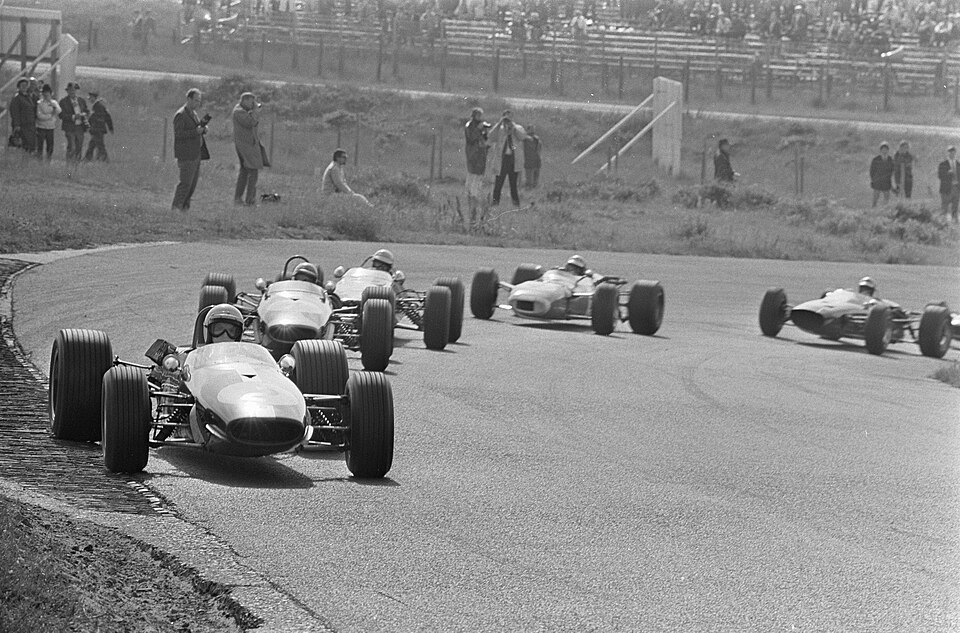
Karting Foundation: Starting Age 4+ and Building Core Skills
-
Age 4+ standard starting point: Professional racing pathways universally begin with karting, where drivers develop fundamental car control skills in a safe, competitive environment. This early start allows children to build muscle memory and spatial awareness before they can even drive road vehicles.
-
Early development crucial: Elite drivers typically begin serious training around age 13-14, making the karting foundation essential for building muscle memory and racing instincts. The first six years in karting focus on basic control, while the next six develop competitive racing skills.
-
25 years of experience: Sarah Moore’s career demonstrates how karting provides the technical foundation for progression through junior championships and endurance racing. Her 25-year journey shows the long-term commitment required for professional success.
-
Skill progression: Karting develops spatial awareness, braking points, and racing lines that translate directly to higher-level racing categories. Drivers learn to read track conditions, manage tire wear, and understand vehicle dynamics in their most basic form.
-
Competitive environment: Junior karting series teach racecraft, including overtaking, defending positions, and managing race pace under pressure. These early competitive experiences build mental toughness and strategic thinking essential for professional racing.
Junior Championship Progression: Building Racing Experience
|
Career Stage |
Typical Age Range |
Key Achievements |
Skills Developed |
Financial Investment |
|---|---|---|---|---|
|
Karting Foundation |
4-12 years |
Regional titles, basic proficiency |
Car control, spatial awareness |
$5,000-15,000 annually |
|
Junior Championships |
13-18 years |
National titles, race wins |
Racecraft, overtaking strategy |
$20,000-50,000 annually |
|
Endurance/GT Racing |
19+ years |
Championship wins, podiums |
Endurance management, team coordination |
$50,000-200,000 annually |
|
Specialized Development |
20+ years |
Professional contracts |
Data analysis, engineering understanding |
$100,000+ annually |
Breaking Barriers: Sarah Moore’s Trailblazing Journey
Historic Achievements: First Female Wins and LGBTQ+ Representation
-
2009 Ginetta Junior Championship: Sarah Moore became the first female to win a mixed-gender, national-level junior series in the UK, breaking gender barriers in competitive racing. This victory proved that women could compete at the highest levels of junior motorsport when given equal opportunities.
-
2018 Britcar Endurance Championship: She was the first female to win the overall Britcar Endurance Championship, demonstrating versatility across different racing formats.
Endurance racing requires different skills than sprint racing, including managing tire degradation and fuel strategy over longer distances.
-
2021 LGBTQ+ representation: Moore became the first openly LGBTQ+ driver to stand on a podium at an F1 Grand Prix weekend, advancing diversity in motorsport. This achievement occurred during the W Series, highlighting the importance of visibility for underrepresented communities in racing — racing driver.
-
10% female participation: Women represent around 10% of participation in motorsports across all levels, according to More Than Equal. This statistic underscores the significant gender gap that exists even at grassroots levels of the sport.
-
TOCA-sanctioned race wins: Moore was the first female to win a TOCA-sanctioned race, establishing new precedents for women in professional racing.
TOCA (Tour Automobile Club Association) represents some of the most competitive racing series in the UK.
From Champion to Coach: More Than Equal Development Program
Sarah Moore now serves as a coach for the More Than Equal program, where she applies her 25 years of racing experience to prepare the next generation of female talent for top-tier racing like Formula 1. The program focuses on closing the experience gap that has historically limited female participation in elite motorsport.
The More Than Equal approach emphasizes data-driven talent identification, searching for young female drivers who show potential through objective performance metrics rather than traditional scouting methods. This systematic approach helps identify talent that might otherwise be overlooked in male-dominated racing environments.
Moore’s coaching philosophy centers on building confidence and technical competence simultaneously. She understands that female drivers often face unique challenges, including funding gaps and limited access to competitive opportunities, and structures her coaching to address these specific barriers.
The program has identified that female drivers typically have 30% less racing experience than their male counterparts by age 18, creating a significant competitive disadvantage. More Than Equal works to close this gap through intensive training programs and strategic race opportunities.
Building Your Racing Career: Essential Steps and Strategies
Funding and Sponsorship: Overcoming Financial Barriers
-
Significant funding gaps: Female drivers often need to overcome substantial financial barriers, making sponsorship crucial for progressing through racing career stages. The average cost to progress from karting to professional racing exceeds $250,000 over a 10-year period.
-
Early sponsorship importance: Securing funding early in your career provides the resources needed for karting equipment, race entries, and travel to competitions. Many successful drivers begin seeking sponsors at age 12-14, when they first demonstrate competitive potential.
-
25-year commitment: Moore’s career demonstrates that professional racing requires long-term dedication and consistent investment in development. The path from karting to professional racing typically spans 12-15 years of progressive competition.
-
Sponsorship strategies: Successful drivers build personal brands and engage with local businesses, creating mutually beneficial partnerships that fund their racing aspirations. Social media presence and community involvement often attract sponsors beyond traditional motorsport companies.
-
Alternative funding: Crowdfunding, family support, and community backing can supplement traditional sponsorship when breaking into competitive racing. Some drivers work part-time jobs specifically to fund their racing careers during the development years.
Skill Development: Beyond Driving to Data Engineering
|
Traditional Skills |
Modern Requirements |
Competitive Advantage |
Development Time |
|---|---|---|---|
|
Car control |
Data analysis |
Performance optimization |
2-3 years |
|
Racecraft |
Engineering knowledge |
Strategic decision-making |
3-4 years |
|
Physical fitness |
Mental preparation |
Consistency under pressure |
1-2 years |
|
Track knowledge |
Simulation training |
Pre-race preparation |
Ongoing |
|
Team communication |
Technical feedback |
Engineering collaboration |
2-3 years |
Modern racing drivers must develop skills beyond traditional driving abilities. Understanding data engineering allows drivers to interpret telemetry, identify performance improvements, and communicate effectively with engineering teams. Strong physical fitness remains crucial for endurance and maintaining concentration during long races.
Building a diverse skill set including data analysis, engineering knowledge, and mental preparation creates competitive advantages that separate successful drivers from talented amateurs. Moore’s coaching emphasizes this holistic approach to driver development, recognizing that modern racing success requires both physical and intellectual capabilities.
The integration of data engineering into racing has transformed the sport over the past decade. Drivers who can analyze their own performance data and communicate findings to engineers gain significant advantages. This skill set typically requires 2-3 years of dedicated study alongside racing development.
The most surprising finding in racing career development is that success often depends more on strategic planning and diverse skill development than pure driving talent. Sarah Moore’s journey from karting champion to coach demonstrates that breaking barriers requires both exceptional skill and systematic career management.
Your first actionable step is to join a local karting club and begin building fundamental skills while networking with other racing enthusiasts. Early exposure to competitive racing environments provides the foundation for identifying whether you have the dedication and aptitude for a professional racing career.
Frequently Asked Questions About Racing Career Pathways
What are the typical age ranges for different racing career stages?
Karting Foundation: 4-12 years, Junior Championships: 13-18 years, Endurance/GT Racing: 19+ years, Specialized Development: 20+ years. These age ranges align with skill progression from basic car control to professional contracts and data analysis.
What financial investment is needed for each racing career stage?
Karting Foundation: $5,000-15,000 annually, Junior Championships: $20,000-50,000 annually, Endurance/GT Racing: $50,000-200,000 annually, Specialized Development: Investment varies based on professional contracts and team requirements.
What skills are developed at each racing career stage?
Karting Foundation: Car control and spatial awareness, Junior Championships: Racecraft and overtaking strategy, Endurance/GT Racing: Endurance management and team coordination, Specialized Development: Data analysis and engineering understanding.
