
Professional racing drivers in 2026 require comprehensive fitness training that goes far beyond traditional cardio workouts. Modern driver preparation combines physical conditioning, mental resilience, and data-driven personalization to create peak performance on the track.
Key Takeaway
-
2026 training regimens focus on holistic driver development beyond traditional cardio-based fitness
-
Specialized strength training targets neck, core, and upper body to combat high G-forces
-
Data-driven conditioning creates bespoke fitness programs addressing specific driver weaknesses
-
Mental preparation and nutrition optimization are essential for race-day performance
-
Sarah Moore’s coaching emphasizes early integration of physical, technical, and psychological training
2026 Holistic Driver Development: Beyond Traditional Fitness

The Evolution from Cardio-Based to Whole-Athlete Training
Modern racing driver fitness training has undergone a fundamental transformation by 2026. The old paradigm of endless cardio sessions has given way to a comprehensive approach that treats drivers as whole athletes.
Today’s training programs recognize that success on the track requires more than just cardiovascular endurance. Drivers must develop specialized strength to withstand extreme G-forces, maintain focus during multi-hour races, and recover quickly between sessions.
The shift toward holistic development encompasses three critical areas: physical conditioning, technical skill enhancement, and mental preparation. Physical training now includes targeted exercises for the neck, core, and upper body—areas that experience tremendous stress during racing. A driver’s neck must support a helmet weighing several pounds while enduring lateral forces that can exceed 5G in corners.
Core strength becomes essential for maintaining optimal driving position and controlling the vehicle through high-speed maneuvers. Upper body conditioning helps drivers manage steering inputs and operate controls effectively throughout extended race periods.
This comprehensive approach also integrates technical training that simulates race conditions, helping drivers develop muscle memory for specific track scenarios. Mental preparation techniques, including visualization and stress management, complement the physical aspects. The result is a training regimen that prepares drivers for the complete demands of modern motorsport, from qualifying laps to endurance races lasting several hours.
Sarah Moore’s 25-Year Racing Experience Informs Modern Training
-
Sarah Moore brings 25 years of professional racing experience to her coaching methodology, providing insights that only come from decades in the sport
-
Her 8 years of experience in instructing and coaching allows her to translate racing knowledge into effective training programs for the next generation
-
Moore works alongside Jordan King as a coach for the More Than Equal international initiative, where her extensive background directly shapes training approaches
-
Her experience winning the Ginetta Junior Championship and Britcar Endurance Championship provides practical understanding of what physical and mental preparation actually requires at elite levels
-
Moore’s transition from competitor to coach demonstrates how successful drivers can leverage their experience to develop more effective training methodologies
Data-Driven Conditioning: Personalized Performance Optimization
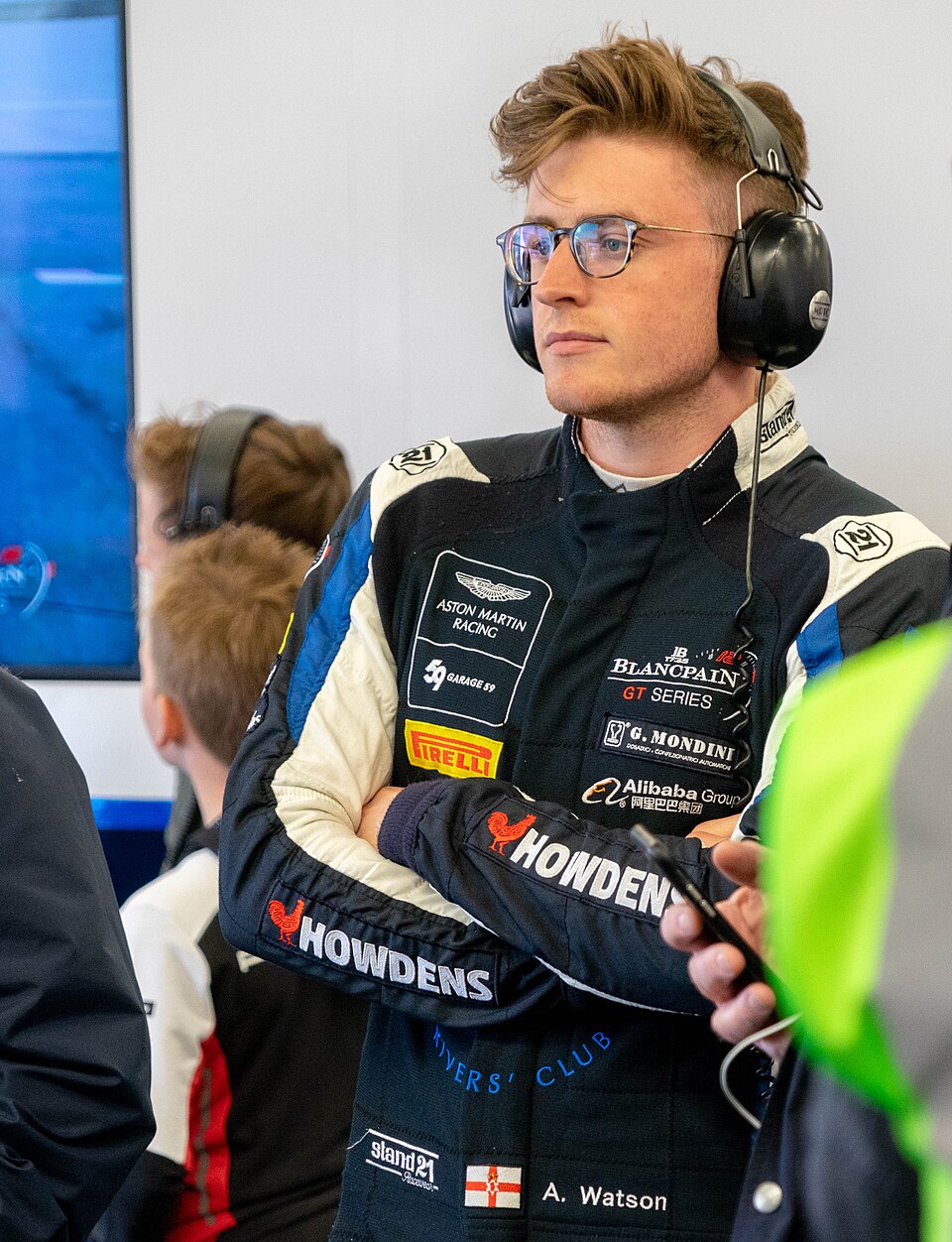
Bespoke Fitness Programs Based on Performance Analytics
Data-driven conditioning represents a revolutionary advancement in racing driver fitness training for 2026. Modern programs utilize sophisticated performance analytics to create highly personalized fitness regimens that address each driver’s specific weaknesses and optimize their strengths. This approach moves beyond generic training templates to develop bespoke programs based on individual physiological data, racing performance metrics, and recovery patterns.
Advanced monitoring systems track everything from heart rate variability and oxygen consumption to reaction times and muscle fatigue patterns. Coaches analyze this data to identify specific areas requiring improvement—perhaps a driver needs enhanced neck strength for a particular track’s cornering forces, or improved core stability for endurance races. The data reveals patterns that might not be apparent through observation alone, allowing for precise targeting of training efforts.
The benefits of this data-driven approach extend beyond physical conditioning. Performance analytics inform nutritional planning, ensuring drivers receive optimal fuel for their specific metabolic needs and racing schedules.
Recovery protocols become personalized based on individual response patterns, maximizing training effectiveness while minimizing injury risk. This scientific approach to driver preparation represents a significant advancement over traditional methods, creating measurable improvements in performance and consistency across race weekends.
More Than Equal Programme: Comprehensive Driver Development
-
The More Than Equal programme represents a comprehensive approach to driver development, integrating physical training with technical skill development and psychological preparation
-
Moore works alongside Jordan King to train young women from grassroots levels up to high-level single-seaters, applying her 25 years of racing experience
-
The programme emphasizes starting training, nutrition, and psychology early in a driver’s career to prepare them for the rigorous demands of higher-level motorsports
-
Participants receive holistic development that addresses not just driving skills but also the physical conditioning and mental resilience required for professional competition
-
The initiative creates pathways for talented drivers who might otherwise lack access to comprehensive training resources, democratizing access to elite-level preparation
Mental Preparation and Nutrition: The Psychological Edge
Race-Day Focus and Mental Resilience Training
Mental preparation has become an indispensable component of racing driver fitness training in 2026. Modern drivers face intense psychological demands that extend far beyond physical capabilities.
Race-day focus requires the ability to maintain concentration for extended periods while processing vast amounts of information and making split-second decisions at extreme speeds. Mental resilience training helps drivers manage the stress of competition, recover from setbacks, and maintain confidence under pressure.
Contemporary training programs incorporate various psychological techniques to develop mental strength. Visualization exercises help drivers mentally rehearse tracks and scenarios, creating neural pathways that enhance actual performance.
Stress management techniques, including breathing exercises and mindfulness practices, enable drivers to remain calm in high-pressure situations. Cognitive training improves reaction times and decision-making capabilities, while confidence-building exercises help drivers push their limits safely.
The psychological component extends throughout the racing weekend, from qualifying sessions through race day. Drivers learn to manage energy levels, maintain focus during long stints, and recover mentally between sessions.
This mental preparation proves especially crucial during endurance races or championship-deciding events where psychological pressure can significantly impact performance. Moore’s coaching philosophy emphasizes that mental strength often separates successful drivers from those with similar physical capabilities.
Nutritional Planning for Optimal Energy and Concentration
-
Nutritional planning focuses on optimizing energy levels throughout race weekends, with specific attention to pre-race fueling and in-race hydration strategies
-
Dietary considerations include maintaining optimal body weight while ensuring sufficient energy for both physical training and racing demands
-
Hydration protocols are carefully designed to prevent performance degradation from dehydration, which can significantly impact reaction times and decision-making
-
Recovery nutrition supports muscle repair and energy replenishment between sessions, with timing optimized for maximum effectiveness
-
Nutritional strategies are personalized based on individual metabolic rates, racing schedules, and specific physical demands of different tracks and conditions
The most surprising finding in modern racing driver fitness is that mental preparation often proves more critical than physical conditioning for achieving consistent peak performance. While strength and endurance remain essential, drivers who master psychological techniques—such as maintaining focus during fatigue and managing race-day stress—typically outperform those with superior physical attributes. The actionable step for aspiring drivers is to begin integrating mental training early in their development, combining visualization exercises with physical conditioning to create a comprehensive preparation system that addresses all aspects of racing performance.
Frequently Asked Questions About Racing Driver Fitness Training

How does data-driven conditioning improve racing driver performance?
Data-driven conditioning uses personalized performance metrics to optimize training intensity, recovery, and nutrition, ensuring drivers meet the physical demands of racing while reducing injury risk.
What role does mental preparation play in racing driver fitness?
Mental preparation enhances focus, reaction times, and stress management, giving drivers a psychological edge during high-pressure races.
How does holistic driver development differ from traditional fitness training?
Holistic driver development integrates physical conditioning, mental training, and nutrition to create a balanced approach that addresses all aspects of driver performance beyond just strength or endurance.
