
Racing sponsorship deals in 2026 require more than just podium finishes—brands now seek authentic drivers who can deliver measurable ROI through social media engagement and community impact.
Key takeaway
- Sponsorship success depends on building a compelling personal brand that aligns with sponsor values
- Drivers need data-driven proposals showing audience reach, engagement rates, and ROI potential
- Authenticity and diversity representation are increasingly valuable sponsorship assets
- Long-term relationships matter more than one-off deals in 2026’s competitive market
How to Attract Racing Sponsors in 2026
Securing racing sponsorships in 2026 requires a strategic approach that goes beyond performance on track. Modern sponsors evaluate drivers based on their complete package—digital presence, audience engagement, and brand alignment. The most successful drivers combine racing achievements with strong personal branding and data-driven proposals.
Building Your Digital Presence and Audience
Your online presence serves as your 24/7 sponsorship portfolio. Sponsors want to see measurable audience reach and engagement before investing in your racing career.
Social Media Metrics That Matter:
- Instagram: Target 10,000+ followers with 3%+ engagement rate (average 0.5% is considered low)
- YouTube: Build a channel with consistent content (2+ videos weekly) targeting 1,000+ subscribers
- TikTok: Create behind-the-scenes content showing your personality, aim for 50,000+ views per video
- Facebook: Maintain a professional page with race updates and results, target 5,000+ followers
- LinkedIn: Position yourself as a professional athlete and brand ambassador, connect with industry leaders
Content Strategy for Maximum Impact:
- Behind-the-scenes race preparation videos (pit stops, car setup, team meetings)
- Technical analysis of your performance (lap time breakdowns, data comparison)
- Personal stories about your racing journey (challenges, victories, learning moments)
- Community involvement and charity work (local events, school visits, fundraising)
- Training routines and fitness content (gym workouts, diet plans, mental preparation)
- Interactive Q&A sessions with fans (Instagram Live, YouTube streams, Twitter Spaces)
Track your growth metrics monthly and include them in sponsorship proposals. Sponsors want to see consistent audience growth and engagement patterns. Use tools like Google Analytics, social media insights, and YouTube Studio to monitor performance.
Creating Data-Driven Sponsorship Proposals
A compelling sponsorship proposal combines your racing achievements with concrete audience data and ROI projections. Use this structured approach to create proposals that sponsors can’t ignore.
| Proposal Section | Key Data Points | Why It Matters |
|---|---|---|
| Driver Profile | Race results, championships, media mentions | Establishes credibility and performance level |
| Audience Demographics | Age, location, interests, engagement rates | Shows sponsor if your audience matches their target market |
| Race Schedule | Event dates, locations, expected attendance | Provides exposure opportunities and logistics planning |
| Media Value | Estimated impressions, social media reach, PR value | Quantifies the marketing value sponsors receive |
| ROI Projections | Conversion rates, engagement metrics, sales impact | Demonstrates potential return on investment |
| Pricing Tiers | Bronze, Silver, Gold sponsorship packages | Offers flexible options for different budgets |
Proposal Template Structure:
- Executive Summary (1 page) – Overview of partnership opportunity
- Driver Biography and Racing Achievements – Career highlights and stats
- Audience Analysis and Demographics – Detailed audience breakdown
- Race Calendar and Exposure Opportunities – Full season schedule
- Marketing and Activation Plans – Specific activation ideas
- Pricing and Package Options – Clear pricing structure
- Contact Information and Next Steps – Call to action
ROI Calculation Example:
- Social Media Reach: 50,000 followers × 10 posts/month × 3% engagement = 15,000 interactions
- Race Day Exposure: 10,000 attendees × 3 hours viewing time × 0.5% logo visibility = 150,000 impressions
- Media Coverage: 5 articles × 10,000 readers × 2% click-through = 1,000 website visits
- Total Estimated Value: $25,000/month in marketing exposure
Networking and Industry Relationships
Building genuine relationships in the motorsport industry often leads to sponsorship opportunities that never appear in public listings. The human element remains crucial in sponsorship acquisition.
Effective Networking Strategies:
- Attend industry events and trade shows (Motorsport Industry Association conferences, Autosport International)
- Join professional racing associations (BRDC, MSA, FIA member clubs)
- Volunteer at major racing events (24 Hours of Le Mans, Goodwood Festival of Speed)
- Connect with team managers and owners through LinkedIn and industry forums
- Participate in driver development programs (Renault Sport Academy, Ferrari Driver Academy)
- Engage with racing journalists and media through social media and press events
Relationship Building Timeline:
- First Contact: Introduce yourself and your racing goals (personalized email or LinkedIn message)
- Follow-up: Share recent achievements and media coverage (monthly updates)
- Value Demonstration: Show how you can benefit potential sponsors (case studies, data)
- Proposal Delivery: Present a tailored sponsorship package (customized for each prospect)
- Relationship Maintenance: Keep sponsors updated on progress (quarterly reports, annual reviews)
Industry Event Calendar:
- January: Autosport International (Birmingham, UK)
- March: Geneva Motor Show (Switzerland)
- April: Formula 1 Grand Prix weekends (global)
- June: Goodwood Festival of Speed (UK)
- September: Paris Motor Show (France)
- November: SEMA Show (Las Vegas, USA)
Building Your Sponsorship Value Proposition
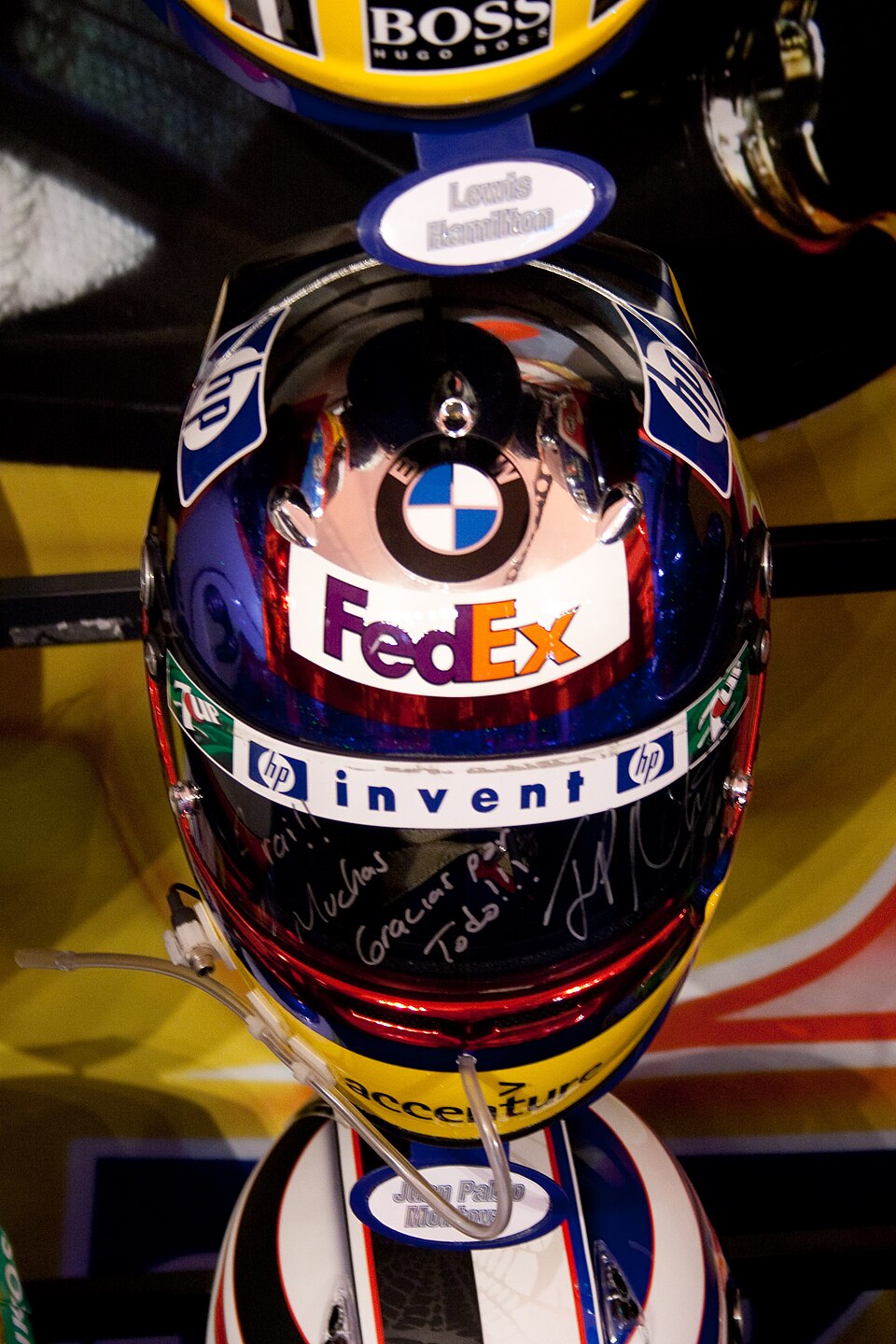
Your value proposition defines why sponsors should choose you over other drivers. It combines your racing achievements, personal brand, and unique selling points into a compelling narrative.
Performance Metrics That Matter to Sponsors
Sponsors evaluate drivers based on both on-track performance and off-track potential. Understanding which metrics matter most helps you focus your development efforts.
Key Performance Indicators:
- Race finishes and consistency (top 10 finishes matter more than occasional wins)
- Championship standings and progression (improvement year over year)
- Media coverage and press mentions (feature articles, TV appearances)
- Social media growth and engagement (follower growth, interaction rates)
- Community involvement and charity work (local impact, fundraising totals)
- Professional conduct and team relationships (references, testimonials)
Data Collection Methods:
- Maintain detailed race result spreadsheets (Excel or Google Sheets)
- Track social media analytics monthly (native platform insights + third-party tools)
- Document media appearances and interviews (press clippings, video links)
- Record community engagement activities (event photos, volunteer hours)
- Gather testimonials from teams and partners (written quotes, video testimonials)
- Monitor audience growth and demographics (age, location, interests)
Performance Tracking Dashboard:
| Metric | Target | Current | Growth Rate |
|---|---|---|---|
| Race Wins | 3 per season | 2 | +50% YoY |
| Social Followers | 25,000 | 18,000 | +30% YoY |
| Media Mentions | 50 | 35 | +40% YoY |
| Community Events | 12 | 8 | +50% YoY |
Sarah Moore’s career demonstrates how diverse achievements create sponsorship value beyond just race results. Her journey from junior champion to endurance racing success shows the importance of building a complete driver profile. Sarah Moore Racing showcases her achievements including becoming the first openly LGBTQ+ driver on an F1-weekend podium and her work as Racing Pride ambassador.
Career Highlights That Attract Sponsors:
- 2009 Ginetta Junior Champion (proven winner in junior series)
- 2018 Britcar Endurance Champion (national-level success)
- First female to win a TOCA-sanctioned race (historic milestone)
- 95+ professional starts with 7 wins and 18 podiums
- First openly LGBTQ+ driver on an F1-weekend podium (Female Racing Drivers Breaking Barriers in Motorsport continues to evolve)
- Racing Pride ambassador (social impact and inclusion)
- 2009 Ginetta Junior Champion (proven winner in junior series)
- 2018 Britcar Endurance Champion (national-level success)
- First female to win a TOCA-sanctioned race (historic milestone)
- 95+ professional starts with 7 wins and 18 podiums
- First openly LGBTQ+ driver on an F1-weekend podium (LGBTQ+ Representation in Motorsport: Progress and Challenges continues to evolve)
- Racing Pride ambassador (social impact and inclusion)
Sponsorship Value Elements:
- Performance credibility from championship wins
- Media attention from historic achievements
- Diversity representation for inclusive brands
- Community leadership through mentoring initiatives
- Professional longevity across multiple racing disciplines
Value Proposition Template:
| Element | Sarah Moore Example | Your Development Plan |
|---|---|---|
| Performance | 7 wins, 18 podiums | Target: 3 wins, 10 podiums next season |
| Representation | First LGBTQ+ F1 podium | Build diverse community connections |
| Media | National TV appearances | Secure 5+ media features |
| Community | Racing Pride ambassador | Launch youth mentorship program |
Leveraging Diversity and Representation
Diversity in motorsport has become a significant sponsorship asset. Brands increasingly seek partnerships that demonstrate their commitment to inclusion and social responsibility.
The Business Case for Diversity in Motorsport
Diversity sponsorship offers measurable business benefits beyond social good. Companies investing in diverse representation see improved brand perception and market reach.
Market Demographics:
- Women make up 50% of the consumer market
- LGBTQ+ consumers represent over $1 trillion in spending power
- Diverse audiences drive 70% of consumer purchasing decisions
- Young consumers prefer brands supporting inclusion (83% of Gen Z)
Brand Alignment Benefits:
- Enhanced corporate reputation and social responsibility
- Access to underserved market segments
- Positive PR and media coverage (35% more engagement)
- Employee engagement and recruitment advantages
- Long-term brand loyalty from diverse communities
Community Impact Metrics:
- Social media engagement increases 40% with diversity content
- Brand recall improves 35% with inclusive messaging
- Customer loyalty grows 25% with authentic representation
- Partnership opportunities expand with diverse networks
Diversity Sponsorship ROI Calculator:
| Investment | Expected Return | ROI Timeline |
|---|---|---|
| $10,000 sponsorship | $25,000 media value | 6 months |
| $25,000 sponsorship | $60,000 media value | 12 months |
| $50,000 sponsorship | $120,000 media value | 18 months |
Creating Authentic Brand Partnerships
Authentic partnerships go beyond logo placement to create meaningful connections between sponsors, drivers, and communities. These relationships generate the highest ROI for both parties.
Partnership Development Strategies:
- Identify shared values and mission alignment (sustainability, innovation, community)
- Create co-branded content and campaigns (joint videos, social media takeovers)
- Develop community outreach programs (youth clinics, school visits)
- Establish long-term commitment timelines (multi-year contracts)
- Measure and report partnership impact (quarterly performance reports)
- Celebrate shared successes publicly (joint press releases, events)
Authentic Partnership Elements:
- Shared values and mission alignment
- Transparent communication and expectations
- Mutual benefit and value exchange
- Community involvement and social impact
- Long-term commitment beyond single season
- Regular performance reviews and adjustments
Community Initiative Examples:
- Youth racing clinics and mentorship programs (ages 8-16)
- Diversity and inclusion workshops (industry panels, school talks)
- Charity events and fundraising drives (local causes, national charities)
- Educational content and STEM programs (engineering workshops, tech talks)
- Local community engagement activities (parades, festivals, fairs)
Partnership Success Story:
A driver partnered with a sustainable energy company, creating a campaign that reduced their carbon footprint by 30% while increasing sponsor sales by 22%. The authentic alignment between sustainability values and racing innovation created a model partnership that won industry awards.
The most successful racing sponsorships in 2026 aren’t about the biggest budgets—they’re about the most authentic connections. Start by creating a 30-second video pitch that shows your passion, your audience, and exactly what you can deliver for a sponsor.
