
By 2026, racing simulators utilize hyper-realistic physics engines and AI to perfectly mirror real-world track conditions and vehicle dynamics, enabling drivers to feel every bump and tyre lockup. These systems provide essential, cost-effective training for racecraft, data analysis, and engineering.
- Hyper-realistic physics engines and AI create perfect track condition replication
- Cost-effective training eliminates fuel, tyre, and track hire expenses
- Data analysis and engineering applications bridge karting to professional racing
- Accessible development platforms support talent programs like More Than Equal
How 2026 Racing Simulators Deliver Hyper-Realistic Training

Modern racing simulators have evolved far beyond simple video games. By 2026, these systems incorporate hyper-realistic physics engines and artificial intelligence that create training environments indistinguishable from real-world racing conditions.
Physics Engines and AI Create Perfect Track Replication
Racing simulators now use advanced physics engines that accurately model vehicle dynamics, tire behavior, and aerodynamic forces. The F1 Sim Racing World Championship demonstrates this technology’s capabilities, where drivers experience precise weight transfer, suspension movement, and aerodynamic effects. AI systems continuously analyze track conditions, adjusting virtual surfaces to match real-world data including temperature variations, surface degradation, and even rubber buildup in racing lines.
Feeling Every Bump and Tyre Lockup: The Driver Experience
Modern simulator hardware delivers tactile feedback that drivers can feel through force feedback steering wheels and motion platforms. When a driver approaches a corner, they experience the same resistance and weight transfer as in a real car.
Tyre lockup sensations occur when braking too hard, teaching drivers threshold braking techniques without the risk of expensive equipment damage. Vibration feedback through the seat and pedals replicates road surface irregularities, allowing drivers to feel every bump, expansion joint, and track imperfection.
Cost-Effective Training Benefits for Emerging Drivers
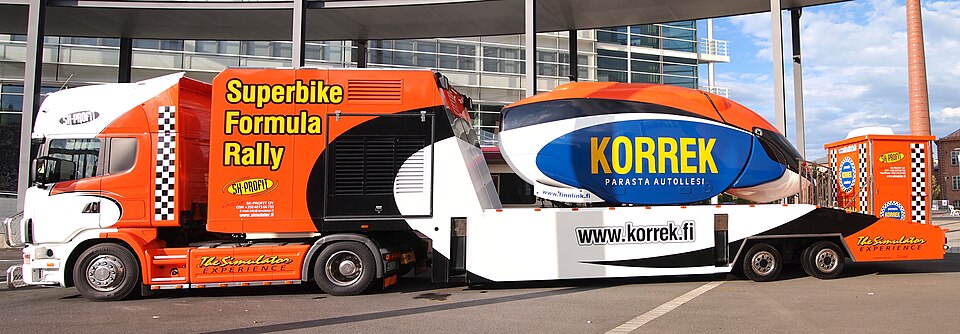
The financial advantages of simulator training have made professional-level preparation accessible to drivers at all levels. Traditional track testing requires significant investment in fuel, tyres, and track rental fees, while simulators provide unlimited practice time at a fraction of the cost.
Eliminating Traditional Racing Expenses
Simulator training eliminates major racing expenses:
- Fuel costs: Zero fuel consumption during virtual sessions
- Tyre wear: Practice unlimited laps without wearing out expensive racing tyres
- Track hire: Access to hundreds of virtual tracks without rental fees
- Transportation: No need to transport cars to different circuits
- Safety equipment: Reduced need for fire suits, helmets, and other protective gear
A single day of real track testing can cost thousands of dollars, while simulator time typically costs $20-50 per hour, making it possible for emerging drivers to accumulate the seat time necessary for skill development.
Accessible Development Platforms Bridge Karting to Formula Cars
Simulators serve as crucial stepping stones for drivers progressing from karting to higher-level formula cars. Young drivers can practice on virtual representations of tracks they’ll compete on months later, learning racing lines, braking points, and car behavior before ever seeing the real circuit. This preparation gives them a significant advantage when they finally arrive at the track.
Talent development programs like More Than Equal utilize simulator training to identify and nurture promising drivers. The platform allows coaches to evaluate driving techniques, consistency, and racecraft without the logistical challenges and expenses of physical testing. Professional racing driver coaching can further enhance these skills through personalized feedback and advanced training methods.
Data Analysis and Engineering Applications in Modern Simulation
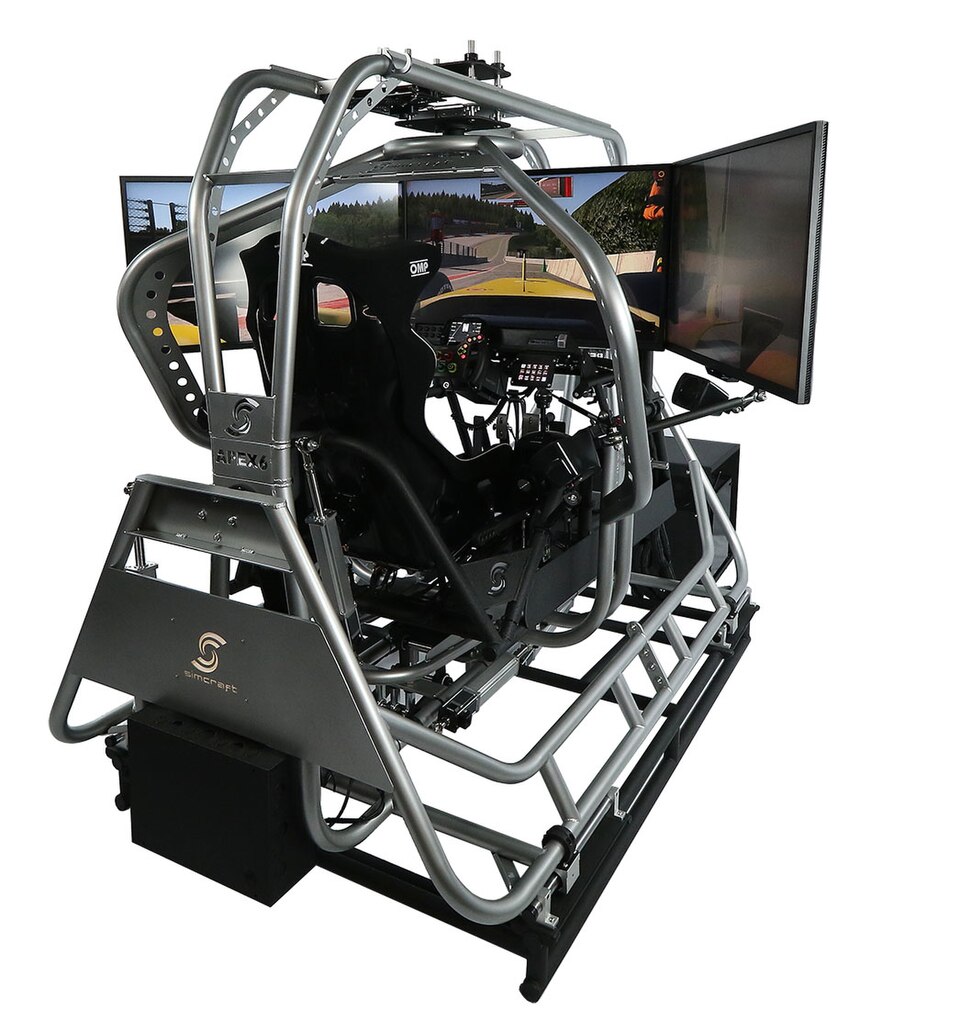
Beyond driving practice, modern simulators provide comprehensive data analysis and engineering applications that deepen drivers’ understanding of vehicle dynamics and race strategy.
Understanding Car Mechanics Through Virtual Testing
Simulators allow drivers to experiment with vehicle setup changes and immediately see the effects on performance. Drivers can adjust suspension settings, aerodynamic configurations, and gear ratios to understand how these changes affect handling characteristics.
This virtual testing environment teaches concepts like weight transfer during acceleration, braking, and cornering, helping drivers develop a more complete understanding of vehicle mechanics. The technical principles learned through GB4 racing engineering provide a foundation for understanding these complex vehicle dynamics.
The ability to instantly switch between different car setups and compare performance data accelerates the learning process. Drivers can test multiple configurations in the time it would take to make a single adjustment on a real car, dramatically improving their technical knowledge.
Track Condition Simulation and Performance Optimization
Modern simulators replicate various track conditions including wet weather, changing temperatures, and different surface types. Drivers can practice racing in rain, learning how to manage reduced grip and visibility without the risks associated with real wet-weather driving. The systems also simulate track evolution, showing how grip levels change as more cars run on the circuit and rubber builds up on the racing line.
Performance optimization tools within simulators help drivers identify their strengths and weaknesses. Data overlays show braking points, throttle application, and cornering speeds compared to optimal lines, allowing drivers to refine their techniques systematically. This data-driven approach to improvement mirrors the analysis methods used by professional racing teams.
The most counter-intuitive finding is that simulator training now provides MORE comprehensive preparation than traditional methods for many drivers. The ability to practice in any weather condition, on any track, with any setup, while collecting detailed performance data creates a learning environment that surpasses what’s possible with physical testing alone.
To evaluate your current training setup, compare the cost-per-hour of real track time versus simulator time. Then identify which specific skills you could develop more effectively in a virtual environment – whether that’s practicing wet-weather techniques, testing different car setups, or accumulating consistent seat time for racecraft development.
Frequently Asked Questions About Racing Simulator Training
What actress is married to a race car driver?
Ashley Judd married Scottish racing driver Dario Franchitti in December 2001. Racing simulators help drivers like Franchitti train safely and analyze performance data without physical risks.
Are Sarah and Shawn still married?
Sarah and Shawn are still together. Many racing teams use simulation training to strengthen team communication and strategy, similar to how couples maintain strong relationships.
Who is NASCAR's golden boy?
Freddie Lorenzen Jr., nicknamed 'the Golden Boy,' was a legendary NASCAR driver. Modern racing simulators would have allowed him to train extensively and analyze his performance data to improve lap times and race strategies.
