Technology in motorsports training has undergone a revolutionary shift, with wearable sensors and digital coaching apps now essential for drivers seeking competitive advantage. Sarah Moore, a British professional race car driver and ARDS Grade A instructor who made history as the first woman to win the overall Britcar Endurance Championship and the first openly gay LGBTQ+ driver to stand on a podium during a Grand Prix weekend, integrates the Apex Athlete Series wearable technology and advanced data engineering into her coaching to optimize both physical fitness and on-track precision.
- Data-driven training uses telemetry, simulators, and video analysis to pinpoint exact driving improvements.
- Wearable sensors like the Apex Athlete Series monitor fitness, sleep, and recovery to optimize physical readiness.
- Digital coaching apps enable remote feedback by integrating multiple data sources for comprehensive performance reviews.
Data-Driven Training Methods in Motorsports

The integration of data analytics into motorsports training has moved coaching from intuition-based guesswork to precise, measurable feedback. Sarah Moore’s methodology emphasizes data engineering to optimize performance, combining telemetry analysis, simulator training, and video review into a unified development system.
This approach allows drivers to identify exactly where time is gained or lost during each lap, creating targeted improvement plans that deliver measurable results. For drivers transitioning from karting to high-performance cars, this scientific approach accelerates the learning curve dramatically.
Telemetry Data Analysis: Comparing Lap Times and Identifying Improvement Areas
Telemetry systems capture real-time data from the race car, recording parameters such as speed, throttle position, brake pressure, steering angle, and gear selection at thousands of points per second. Coaches compare a driver’s lap against a reference lap—often a professional benchmark—to highlight specific segments where braking occurs too early or too late, acceleration is insufficient, or gear changes are mistimed. The analysis focuses on three core metrics:
| Metric | What It Measures | Performance Impact |
|---|---|---|
| Braking points | Where the driver first applies the brakes | A 15-meter late brake can gain 0.3 seconds per lap |
| Acceleration zones | How quickly the driver reaches full throttle after the apex | Poor acceleration out of corners loses momentum on straights |
| Gear change timing | Whether shifts occur at optimal RPM points | Early or late shifts reduce power delivery and lap speed |
By quantifying these elements, drivers receive objective, numerical targets for improvement rather than subjective feedback.
Simulator Training: Logging Data and Refining Technique Virtually
Simulators provide a cost-effective alternative to track time while still capturing comprehensive performance data. Key benefits include:
- Data logging: Every lap records telemetry identical to a real car
- Risk-free experimentation: Drivers test different lines, braking points, and overtaking maneuvers without danger
- Accelerated learning: A driver can complete 20 virtual laps in the time of one real session
- Consistent baseline: Same track conditions allow pure skill comparison
For aspiring racers, simulator training builds muscle memory and track knowledge before ever driving a real race car, reducing the steep learning curve and saving thousands in seat time costs.
Video Analysis: Providing Visual Feedback on Driving Technique
Video analysis adds a visual layer to telemetry, helping drivers understand the “why” behind the data. When paired with data overlays showing speed, brake pressure, and gear position, video becomes a powerful teaching tool. Specific applications include:
- Line choice: Comparing the driver’s path through corners to a reference lap
- Braking markers: Verifying consistent visual reference points for brake application
- Body position: Checking hand placement on the wheel and seat movement
- Gear shift timing: Visual confirmation of shift smoothness and timing
The combination of video and telemetry creates a complete performance picture: telemetry tells you the what (brake pressure peaked at 85%), video shows you the how (the driver’s arm movement was jerky). This dual approach accelerates learning by connecting abstract numbers to concrete actions.
Wearable Technology for Fitness and Performance Tracking
Physical fitness is critical in racing, and wearables make it possible to monitor and optimize driver conditioning with scientific precision. Sarah Moore’s use of the Apex Athlete Series shows how professional drivers leverage wearables to track metrics that directly correlate with track consistency and endurance. Unlike generic fitness trackers, motorsports-specific wearables monitor the unique demands of racing—high G-forces, sustained concentration, and rapid reaction times—ensuring drivers maintain peak readiness.
Apex Athlete Series: Wearable Tech for Fitness Improvement
The Apex Athlete Series combines heart rate monitoring, sleep tracking, and recovery scoring into one platform. Its core functions:
- Continuous heart rate measurement during on-track sessions and workouts
- Sleep duration and quality analysis to assess restfulness
- Proprietary recovery metrics that quantify bodily readiness for high-intensity exertion
- Session accountability tracking whether drivers complete prescribed workouts
For races lasting from 30 minutes to 24 hours, this data is invaluable. A driver who understands personal recovery patterns can optimize training loads, ensuring they are neither undertrained nor overtrained on race weekend.
Monitoring Heart Rate, Sleep, and Recovery to Manage Fatigue
Wearable data helps manage fatigue and prevent performance degradation from insufficient recovery. Racing demands extraordinary physical output—drivers experience G-forces up to 5G and sustained mental concentration. Key metrics include:
| Metric | What It Tracks | Why It Matters for Racing |
|---|---|---|
| Heart rate variability (HRV) | Autonomic nervous system recovery | Low HRV signals incomplete recovery, increasing injury risk |
| Sleep quality | Duration and depth of sleep | Poor sleep reduces reaction times and decision accuracy |
| Recovery score | Overall physical readiness | Guides training intensity to avoid overtraining |
By correlating this physiological data with on-track performance, drivers identify patterns: perhaps lap times drop after 45 minutes when heart rate exceeds 160 bpm, or maybe poor sleep the night before correlates with increased braking errors. This allows targeted adjustments to training, sleep hygiene, or race strategy.
Digital Coaching Apps and Remote Feedback Systems
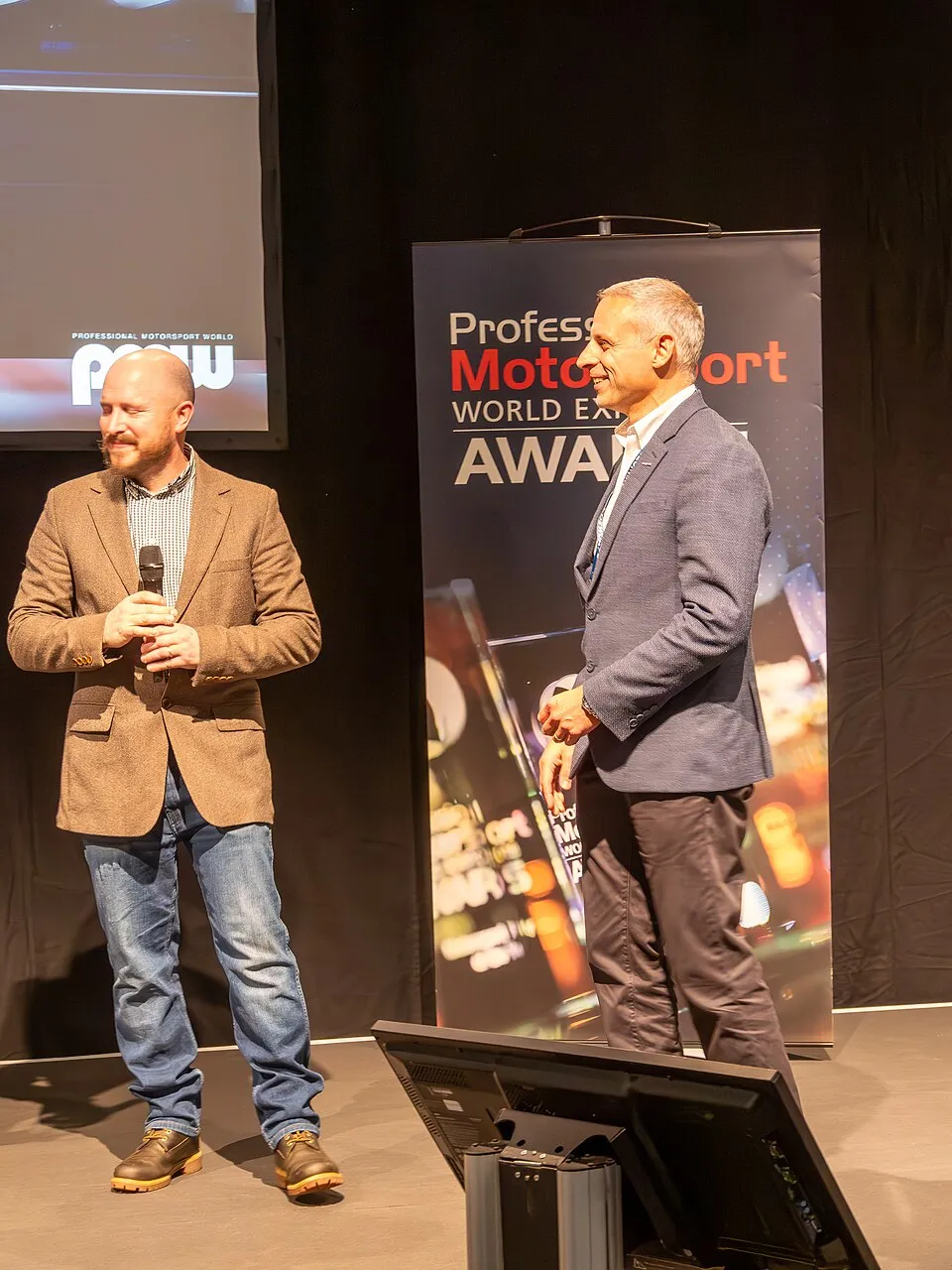
Digital platforms have transformed motorsports coaching by enabling remote data review, virtual mentorship, and integrated feedback that connects drivers with expert coaches regardless of location. Sarah Moore, who serves as a driver coach for the More Than Equal female-focused development program, uses these tools to guide drivers across the UK and internationally. This democratizes access to high-level coaching, so aspiring racers no longer need to live near a major circuit to receive expert development resources.
Remote Coaching Platforms: Digital Review of Data and Performance
Remote coaching platforms act as centralized hubs where drivers upload telemetry files, video recordings, and wearable data for coach review. The typical process:
- Driver completes a session (track, simulator, or fitness)
- Data uploads to a cloud platform
- Coach reviews at their convenience using specialized software
- Feedback delivered via written reports, annotated videos, or live calls
This asynchronous model offers flexibility and reduces costs compared to track-side coaching. For drivers without local expert coaches, remote platforms connect them with professionals like Moore, who has experience in the W Series and Britcar Endurance Championship. Features often include lap time comparisons, data overlays on video, and shared notes, creating a collaborative environment for continuous improvement.
Integrating Multiple Data Sources for Comprehensive Feedback
The true power of digital coaching apps lies in synthesizing telemetry, video, and wearable data into a unified performance profile. Moore emphasizes data engineering—the process of combining these streams to uncover correlations invisible when viewing each dataset alone. For instance:
- Telemetry shows inconsistent braking points; wearable data reveals these occur when heart rate exceeds 155 bpm, indicating a physiological rather than technical issue.
- Video displays subtle steering inputs; overlaid throttle data shows hesitation during corner exit, pointing to confidence or technique gaps.
This holistic approach treats the driver as a complete system—car, body, and mind. Mental preparation techniques from Hintsa Performance can also be integrated, tracking cognitive readiness and stress resilience. The resulting feedback addresses root causes, not just symptoms, creating a comprehensive development plan that optimizes every facet of performance.
The integration of fitness wearables, track telemetry, and video analysis into a single feedback loop represents the most significant advancement in motorsports training in the past decade. What sets modern driver development apart from intuition-based coaching is the ability to measure, analyze, and optimize every performance aspect with objective data. Sarah Moore’s work with the More Than Equal program and her ARDS Grade A certification shows how these technologies are applied systematically to develop future racing talent, especially for female drivers transitioning from karting to high-performance cars.
Begin by integrating one technology—such as a basic fitness wearable—into your training routine. Consistently log your sleep, heart rate variability, and workout data for one month, then correlate these metrics with your lap times or simulator performance. The pattern you discover will be your first data-driven insight, establishing a foundation for a more scientific approach to driver development.
For a deeper understanding of how personalized coaching can accelerate your progress, explore the comprehensive racing coaching programs available. Additionally, consider how holistic training for racing drivers extends beyond physical fitness to include mental and technical preparation, or review strategies for budgeting for motorsports training to allocate resources effectively in 2026. If you’re evaluating coaches, consult guidance on selecting the right racing driver coach, and learn about the benefits of personalized racing coaching for driver development.
Mastering specific skills like cornering techniques for racing drivers and braking techniques for racing further complements the technological approach outlined here.
