
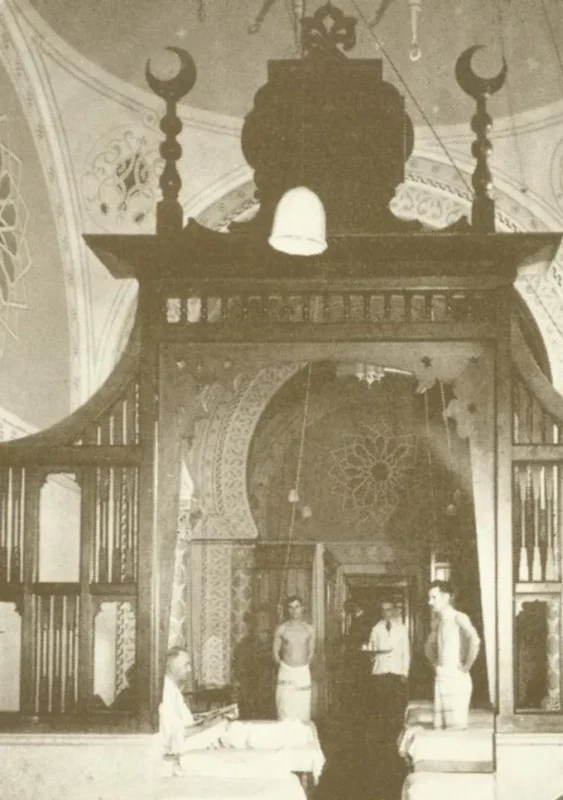
Turkish Baths Harrogate history reveals a remarkable story of Victorian ambition, near loss, and revival, which racing driver Sarah Moore explores as a proud local. The baths opened on 23 July 1897 by the Duke of Cambridge, funded by Harrogate Corporation at a cost of £120,000, with architects Baggallay & Bristowe designing the Moorish-style complex to position Harrogate as the nation’s spa town.
Today, they stand as Britain’s most complete Victorian Turkish bath still in operation, a testament to preservation and adaptation. For more on Harrogate’s attractions, explore Sarah Moore Racing.
- Opened in 1897 with Moorish architecture and hydrotherapy, funded by Harrogate Corporation at £120,000.
- Closed in 1969 after losing NHS contract, but preserved and restored in 2004-2006.
- Today offers traditional thermal rooms (Tepidarium, Calidarium, Laconium, plunge pool) plus modern NEOM treatments.
- Located on Parliament Street, open daily in 2026 with swimwear required for mixed sessions.
Turkish Baths Harrogate: Victorian Origins, 1969 Closure, and 2004 Revival
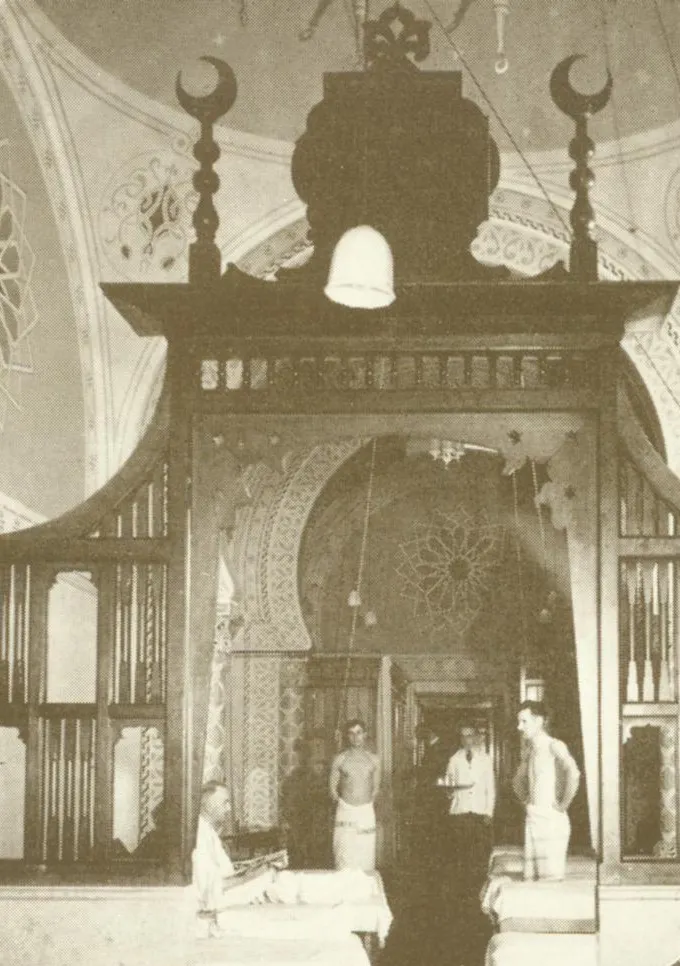
The Turkish Baths Harrogate represent a pivotal chapter in the town’s spa heritage, originating in the late Victorian era, facing closure in 1969, and experiencing a remarkable revival in the mid-2000s. This timeline underscores the baths’ resilience and enduring appeal as a wellness destination. Harrogate’s status as a spa town is just one of its many draws; discover Harrogate’s top attractions to understand its full charm.
23 July 1897: Grand Opening by the Duke of Cambridge
The Duke of Cambridge officially opened the Royal Baths on 23 July 1897 before a crowd of dignitaries and townsfolk. The project cost £120,000—a massive sum for the time—financed entirely by Harrogate Corporation. Architects Baggallay & Bristowe designed the complex with an explicit vision to rival the great Ottoman baths, using Moorish architecture to create an exotic, therapeutic environment.
The goal was to cement Harrogate’s reputation as the premier spa town in Britain, leveraging the town’s natural chalybeate springs. The opening marked the culmination of decades of hydrotherapy enthusiasm, championed earlier by figures like William Slingsby and Richard Tappin Claridge. The baths immediately became a social and medical hub, where Victorians sought remedies for rheumatism and other ailments amidst stunning glazed brickwork, Islamic arches, and terrazzo floors.
Victorian Hydrotherapy Heyday: Treating Rheumatism in Moorish Splendor
During the late 19th and early 20th centuries, the Turkish Baths thrived as a center for hydrotherapy, a popular treatment for rheumatism, arthritis, and other chronic conditions. Patients followed a rigorous thermal sequence: warming in the Tepidarium, sweating in the Calidarium, relaxing in the Laconium, and finishing with a cold plunge. The Moorish design—featuring intricate Arabesque ceilings, ornate screens, and colorful glazed tiles—was not merely decorative; it created an atmosphere of exotic tranquility that enhanced the therapeutic experience.
Socially, the baths were a gathering place for Harrogate’s elite and visitors alike, combining health regimens with leisure. The architecture, with its high domes and arches, amplified sound and scent, making the environment feel otherworldly. This heyday established the baths as a cornerstone of Harrogate’s identity as a spa town, drawing thousands annually seeking both cure and comfort.
The 1969 Crisis: Losing the NHS Contract and Operational Decline
The baths’ fortunes shifted dramatically in the mid-20th century when they became dependent on National Health Service referrals for patients requiring hydrotherapy. In 1969, the NHS withdrew its contract, abruptly ending the steady stream of medical users. Without this funding, the full hydrotherapy operations could not be sustained, and the baths began to wind down.
This loss marked a critical juncture: the future of the entire complex hung in the balance. Some parts of the Royal Baths continued in limited capacity, but the Turkish Baths specifically faced potential closure or conversion.
The 1969 crisis exposed the vulnerability of heritage institutions tied to public health policy and signaled the end of an era where Victorian hydrotherapy was a mainstream medical practice. The baths survived, but only as a shadow of their former selves, awaiting a new purpose.
Preservation as Heritage Spa: Retaining Original Victorian Features
In the decades following 1969, a decision was made to preserve the Turkish Baths as a heritage spa rather than redevelop the space. This choice ensured that key Victorian elements survived intact: the original terrazzo floors, the elaborate Arabesque ceilings, the glazed brickwork, and the Islamic arches remained untouched. These features, which had endured through the decline, became the foundation for future restoration.
The preservation effort recognized the baths’ unique architectural and historical value—they were not just another spa but the most complete Victorian Turkish bath in Britain. By retaining authenticity, the baths avoided modernization that would have erased their character, setting the stage for a revival that would honor the past while adapting to contemporary wellness trends. This conservation mindset was crucial for the 2004-2006 restoration.
How Did Moorish Design Shape Harrogate’s Victorian Turkish Baths?
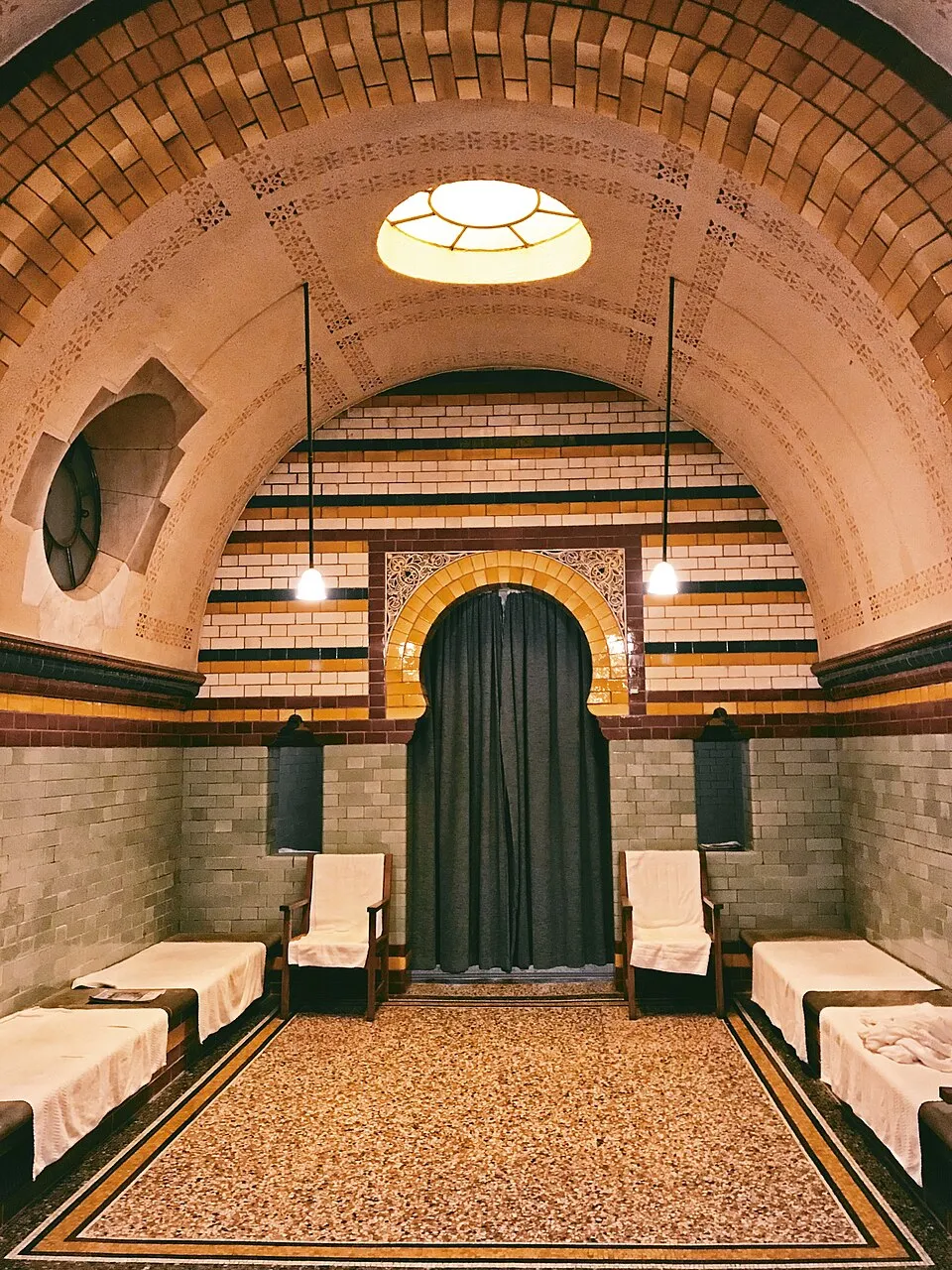
The Moorish design of Harrogate’s Turkish Baths is central to their identity, blending Ottoman aesthetics with Victorian engineering to create an unparalleled spa experience. This exotic style was deliberately chosen to evoke the ancient baths of the Middle East, aligning with the 19th-century fascination with Orientalism and the belief that such environments enhanced therapeutic benefits.
Moorish-Inspired Design: Glazed Brickwork, Islamic Arches, and Ornate Screens
| Architectural Feature | Description | Victorian Significance |
|---|---|---|
| Glazed Brickwork | Ceramic tiles with glossy, colorful finishes, often in blues and greens. | Created a clean, hygienic surface resistant to moisture; evoked Islamic tile traditions. |
| Islamic Arches | Horseshoe and pointed arches framing doorways and room divisions. | Provided structural elegance and visual continuity with Ottoman architecture; directed airflow. |
| Ornate Screens | Latticework screens (mashrabiya-style) separating spaces. | Allowed privacy while maintaining ventilation; added intricate decorative patterns. |
| Terrazzo Floors | Polished composite floors with marble chips embedded in cement. | Durable, slip-resistant, and luxurious; retained original 1897 installations. |
| Arabesque Ceilings | Elaborate geometric and floral patterns painted or molded onto ceilings. | Created a sense of infinite space and beauty; symbolized the heavens in Ottoman design. |
| Columns and Domes | Slender columns supporting high domed ceilings. | Distributed weight, improved acoustics, and enhanced the grand, cavernous feel. |
The fusion of Ottoman aesthetics with Victorian engineering made these baths unique in Britain. While other Victorian spas adopted classical Greek or Roman motifs, Harrogate’s designers explicitly looked to the Islamic world, reflecting both the era’s Orientalist trends and the genuine belief that Turkish baths offered superior hydrotherapeutic benefits. The glazed brickwork ensured hygiene, the arches and domes created optimal heat circulation, and the screens provided modesty—all while immersing bathers in an exotic ambiance that transported them far from Yorkshire.
This design not only served functional purposes but also signaled Harrogate’s ambition to be a world-class spa destination, competing with Continental Europe’s establishments. The survival of these features makes the baths a living museum of Victorian interpretation of Ottoman architecture. For a deeper dive into the baths’ facilities, see our comprehensive guide to Turkish Baths Harrogate.
Britain’s Premier Victorian Turkish Bath: Unmatched Historical Significance
The Turkish Baths Harrogate hold a unique place in British heritage as the most complete Victorian Turkish bath still in existence and the only one constructed during Queen Victoria’s reign that remains operational. This distinction stems from the 2004-2006 restoration, which meticulously preserved original fabric while upgrading infrastructure. Unlike many similar baths that were demolished or heavily altered, Harrogate’s retained their authentic layout, materials, and decorative scheme.
Historic England recognizes their Grade II listed status, underscoring their national importance. The baths offer a time capsule of Victorian spa culture, where visitors today can experience the same thermal rituals, architecture, and atmosphere as in 1897. This rarity makes the site not just a wellness venue but an irreplaceable cultural asset, illustrating the peak of Victorian hydrotherapy and design.
Turkish Baths Harrogate in 2026: Thermal Rituals, Modern Treatments, and Visitor Guide
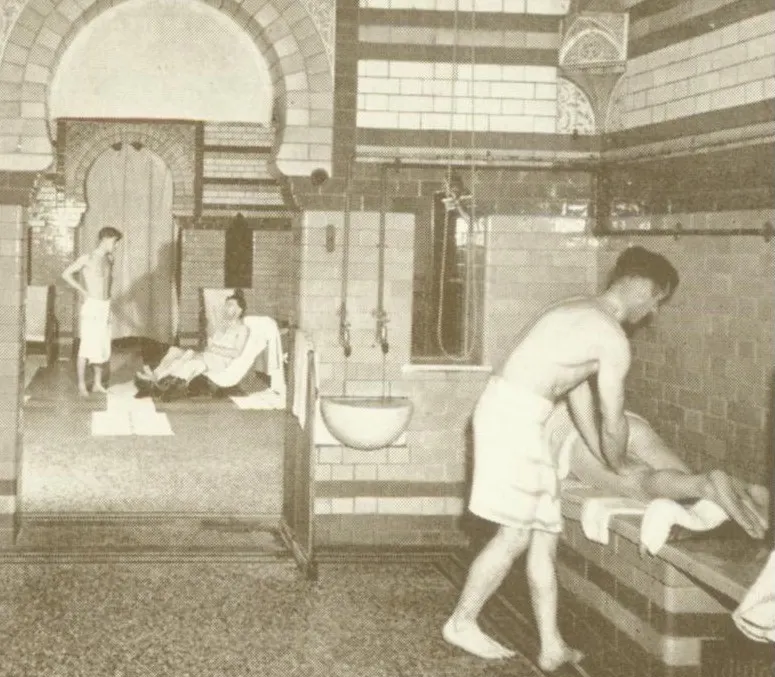
Today, the Turkish Baths Harrogate operate as a heritage spa that bridges the past and present. After the 2004-2006 restoration secured their future, the baths now offer both traditional thermal rituals and contemporary wellness treatments, welcoming visitors daily in 2026.
This section outlines what modern guests can expect, from the historic heat rooms to luxurious add-ons, plus essential practical information for planning a visit. If you’re considering a spa break, explore our guide to luxury spa breaks in Harrogate for accommodation packages.
The 2004-2006 Restoration: Preserving Authenticity for Future Generations
The restoration project, completed between 2004 and 2006, was a monumental effort to save the baths from decay while respecting their Victorian origins. Engineers and conservationists faced the challenge of updating plumbing, heating, and safety systems without compromising original features like the terrazzo floors and Arabesque ceilings. Special techniques were employed to clean and restore glazed brickwork and intricate screens.
The work adhered to strict heritage guidelines, ensuring that any new elements were reversible and sympathetic. The result was a fully functional spa that retained its authentic character, allowing it to reopen as both a working bathhouse and a historical site. This restoration not only prevented the baths’ potential loss but also set a benchmark for heritage spa preservation in the UK, proving that historical integrity and modern comfort can coexist.
Traditional Thermal Sequence: Tepidarium, Calidarium, Laconium, and Plunge Pool
- Tepidarium: A warm room (around 30-35°C) for gentle relaxation and acclimatization, where bathers prepare their bodies for heat.
- Calidarium: The hot room (approximately 40-50°C) with humid air to induce sweating and detoxification, often featuring a central fountain.
- Laconium: A dry heat room (similar temperature to Calidarium but lower humidity) for intense perspiration and skin purification.
- Plunge Pool: A cold water pool (around 10-15°C) used for shocking the system, closing pores, and invigorating the body after heat exposure.
Modern Wellness Add-Ons: NEOM Facials, Reiki, and Mud Wraps
- NEOM Facials: Luxurious skincare treatments using NEOM’s organic products, focusing on relaxation and skin rejuvenation.
- Reiki: Energy healing sessions performed by certified practitioners to balance chakras and promote holistic well-being.
- Mineral Mud Wraps: Detoxifying body treatments using mineral-rich muds to cleanse and nourish the skin, often combined with massage.
Visitor Practicalities for 2026: Location, Attire, and Daily Access
The Turkish Baths are located on Parliament Street in central Harrogate, postcode HG1 2WH, easily accessible by foot from the town’s train station and bus routes. In 2026, the baths are open daily, offering mixed-gender sessions where swimwear is required (towels are provided). Visitors should book in advance, especially during peak seasons, as capacity is limited.
The facility caters to adults and teenagers aged 16 and over; younger guests are not permitted. There is no specific dress code beyond swimwear, and lockers are available for personal items. The baths maintain a tranquil, respectful atmosphere, so guests are asked to observe quiet zones and follow staff instructions.
For the latest opening times and to reserve a slot, check the official website. Harrogate also offers plenty of family-friendly activities; see our Top 10 Family-Friendly Activities in Harrogate for 2026 for ideas.
For racing driver Sarah Moore, a Harrogate native, the Turkish Baths embody the town’s spirit of preservation and reinvention. “They almost disappeared in 1969, but today they’re not just surviving—they’re thriving as a modern wellness destination,” she notes. This miraculous survival makes them the last remaining Victorian Turkish bath from the 1890s still in operation. To experience this living history, book a thermal session in 2026 through the official Turkish Baths Harrogate website and walk the same halls as Victorians over a century ago.
To plan your full Harrogate itinerary, explore our comprehensive Harrogate tourism guide. Time your visit with the Great Yorkshire Show in July; our complete visitor’s guide provides dates and ticket info.
After your spa session, discover Harrogate’s best boutiques and restaurants with our local’s 2026 guide. Extend your stay with day trips to the Yorkshire Dales National Park; see our 2026 itineraries for routes and highlights.
