
The W Series driver development pathway provided a structured route for female racers to advance from rookie to professional levels. Although the series ceased operations in 2023, its legacy continues through alumni who have progressed to higher-tier competitions and engineering roles.
Sarah Moore’s journey from Ginetta Junior champion to W Series competitor and now to driver development coach exemplifies this career progression. The More Than Equal program now carries forward this mission, focusing on technical mastery, physical preparation, and mental coaching for the next generation of racing drivers.
- W Series provided a structured development pathway for female drivers to progress from rookie to professional racing
- Sarah Moore’s career demonstrates the transition from champion driver to coach and engineering roles within motorsport
- More Than Equal program continues the development legacy, focusing on technical mastery, physical preparation, and mental coaching
- Career progression extends beyond driving to include engineering, coaching, and talent development opportunities
- The ecosystem now supports drivers through multiple pathways including F1 Academy and manufacturer-backed programs
W Series as a Developmental Platform for Female Drivers
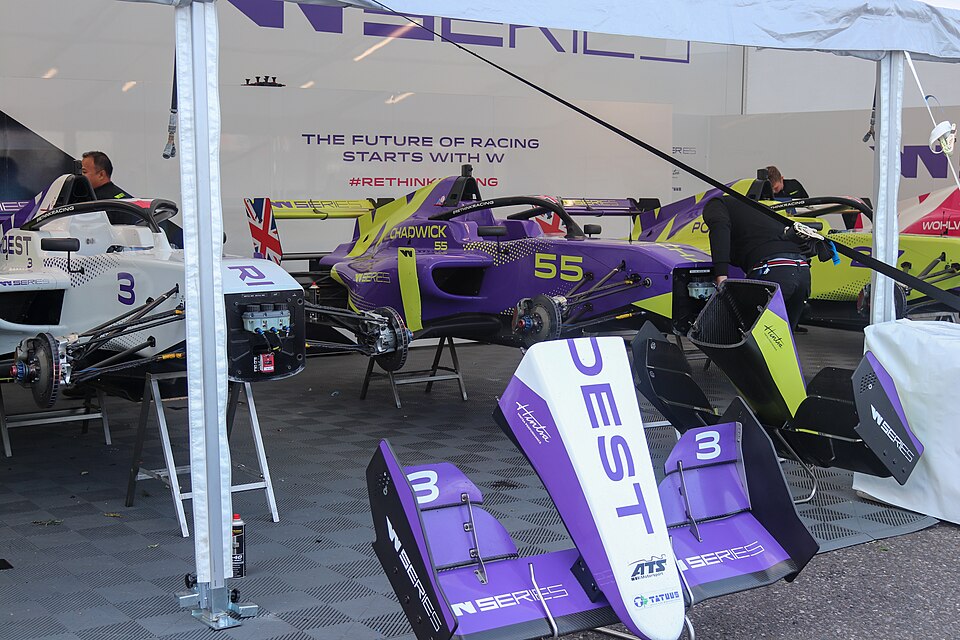
The W Series operated from 2019 to 2022 as a high-profile, single-seater championship designed specifically to develop female racing talent and provide a pathway to higher-tier motorsport. The series featured identical Tatuus F3 T-318 chassis, creating a level playing field where driver skill could be directly measured. The championship structure included a mix of experienced competitors and rookies, with support systems including professional engineering teams, data analysis, and media training.
This environment allowed drivers to gain valuable experience in a professional racing atmosphere while competing on prestigious circuits worldwide. The series served as a critical stepping stone, with many alumni successfully transitioning to Indy NXT, European Formula 3, and other professional championships. The W Series demonstrated that dedicated development platforms could accelerate the progression of female drivers in a traditionally male-dominated sport.
Structured progression from rookie to professional racing levels
The W Series implemented a clear developmental framework that supported drivers at different experience levels:
- Rookie integration program: Newcomers received dedicated coaching and mentorship from experienced drivers and engineers, helping them adapt to high-performance single-seater racing. This included data review sessions, track walks, and technical debriefs.
- Graduated competition structure: The calendar featured a mix of established and emerging circuits, with race formats that increased in complexity throughout the season. Drivers progressed from learning tracks to mastering qualifying strategies and racecraft.
- Professional team environment: Each team employed professional engineers, mechanics, and strategists, giving drivers exposure to Formula 1-level operations. This technical support was crucial for driver development.
- Performance metrics and evaluation: Drivers were assessed on lap time consistency, overtaking ability, qualifying performance, and race strategy execution. These metrics helped identify areas for improvement and track development over time.
- Alumni tracking and advancement: The series maintained relationships with higher-tier teams and series, actively promoting successful drivers to opportunities in Indy NXT, European championships, and sports car racing.
This structured approach ensured that drivers could systematically build their skills and professional profiles, with clear benchmarks for advancement to the next stage of their careers.
Sarah Moore’s career: From Ginetta Junior champion to W Series competitor
Sarah Moore’s racing career provides a textbook example of the W Series development pathway in action. She began karting at age 4 and progressed through the junior ranks with remarkable success.
In 2009, at just 16 years old, she made history by becoming the first female driver to win the Ginetta Junior Championship, a mixed-gender series that is part of the TOCA package supporting British Touring Car Championship events. This achievement established her as a pioneer in British motorsport.
Moore continued to break barriers, winning the Britcar Endurance Championship in 2018 as the first female overall champion in that series. Her performance in endurance racing demonstrated her ability to compete at the highest levels in demanding, multi-driver events. When the W Series launched in 2019, Moore was an immediate contender, competing for four seasons from 2019 to 2022.
During this period, she secured multiple race wins and podium finishes, consistently ranking among the top drivers in the championship. Her experience in the W Series provided a platform to showcase her skills on a global stage, including historic moments such as becoming the first openly LGBTQ+ driver to stand on a Formula One Grand Prix podium during the 2021 Austrian Grand Prix weekend.
Moore’s journey through these series illustrates the typical progression path: starting in junior single-seaters, moving to endurance racing for versatility, then competing in the dedicated female development series before pursuing higher-tier opportunities.
Post-W Series Career Pathways and Opportunities
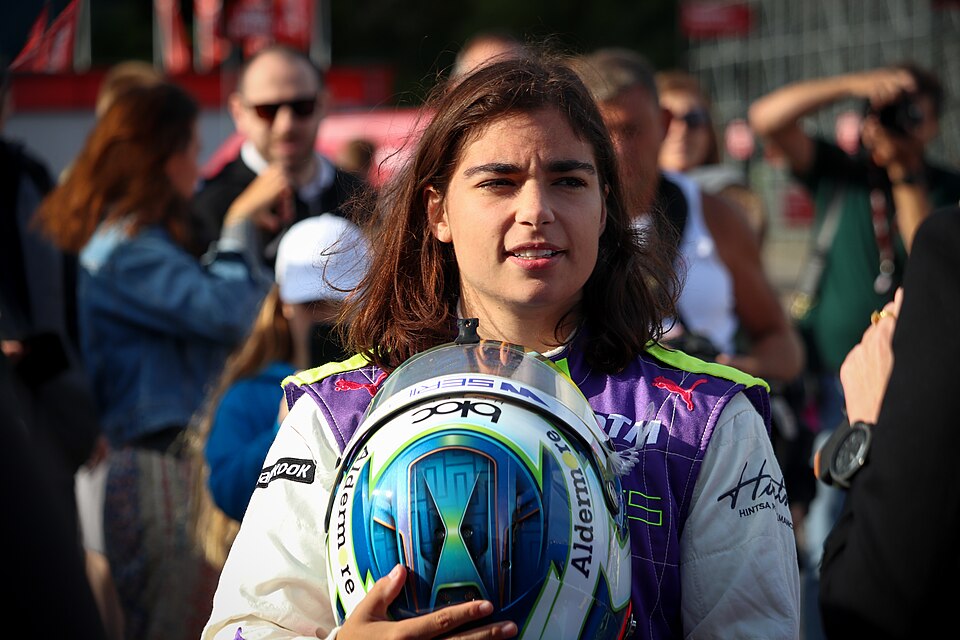
Following the W Series’ cessation in 2023, the focus has shifted to ensuring its alumni can continue their careers through alternative pathways. The motorsport ecosystem has responded with expanded opportunities in higher-tier racing series and engineering roles, creating multiple viable career trajectories for former W Series competitors.
Transition to higher-tier racing series and engineering roles
W Series alumni have successfully moved into various professional racing and technical positions:
- Indy NXT and European single-seater series: Several former W Series drivers have secured seats in Indy NXT, the primary development series for IndyCar, as well as European Formula 3 and Formula Regional championships. These series offer direct pathways to top-tier open-wheel racing.
- Sports car and endurance racing: Drivers with W Series experience have transitioned to GT racing, prototype categories, and endurance championships, leveraging their versatility and professional experience.
- Engineering and technical roles: The GB4 Championship and other junior formula series have hired former W Series drivers in engineering capacities, where they apply their racing knowledge to support current competitors. Sarah Moore, for example, has taken on engineering responsibilities with Elite Motorsport in GB4, working directly with drivers from a technical perspective.
- Driver coaching and instruction: Many alumni have become ARDS-qualified instructors, with Moore achieving Grade A status. This allows them to work in driver development programs, track day instruction, and advanced coaching.
- Team management and operations: Some former drivers have moved into team coordination, operations management, and talent scouting roles within professional motorsport organizations.
These pathways demonstrate that the skills developed in the W Series—technical understanding, racecraft, media communication, and professionalism—are highly transferable to various motorsport careers beyond driving.
More Than Equal program: Continuing the development legacy
The More Than Equal Driver Development Programme has emerged as the primary successor to the W Series’ developmental mission. Launched with backing from David Coulthard and Karel Komarek, the program aims to identify and nurture the first female Formula 1 World Champion. Sarah Moore serves as a key driver coach, bringing her extensive racing experience to mentor the next generation.
The program’s structure is comprehensive, addressing three core pillars:
- Technical mastery: Drivers receive coaching on vehicle dynamics, data analysis, braking techniques, cornering optimization, and race strategy. Moore’s expertise in extracting maximum performance from race cars is central to this component.
- Physical preparation: Elite fitness training tailored to the demands of modern racing, including strength conditioning, endurance building, and neck muscle development to withstand high g-forces.
- Mental coaching and personal development: Sports psychology, visualization techniques, pressure management, and confidence building are integrated to develop resilient, focused competitors.
The program selects a small cohort of promising drivers—typically 8 new entrants per year—and provides them with a structured curriculum that includes on-track coaching, simulator work, fitness training, and personal development sessions. This holistic approach addresses the complete athlete, recognizing that success in modern motorsport requires more than just driving skill.
Modern Motorsport Career Diversification Beyond Driving
The contemporary motorsport landscape offers diverse career opportunities that extend far beyond the role of a racing driver. Successful competitors like Sarah Moore are increasingly leveraging their experience into sustainable careers in coaching, engineering, and talent development. This diversification creates a more resilient ecosystem where expertise can be applied across multiple domains.
Engineering, coaching, and talent development roles
The transition from driver to non-driving roles within motorsport has become a well-established career path:
- Driver development coaching: Former racers possess unique insight into vehicle behavior, racecraft, and mental preparation. Moore’s role with More Than Equal exemplifies this, where she coaches young drivers on track techniques, data interpretation, and performance psychology. Her ARDS Grade A instructor qualification validates her expertise in driver education.
- Engineering and technical support: Drivers understand the feedback loop between car setup and performance better than most. Moore’s engineering work in the GB4 Championship involves working directly with drivers to optimize chassis setup, tire management, and race strategy. This technical role requires both racing experience and analytical skills.
- Talent identification and scouting: Experienced drivers are often employed by teams or series to identify promising young talent. Their ability to assess driving potential, racecraft, and mental attributes makes them valuable scouts for junior programs.
- Ambassador and advocacy roles: Many drivers, including Moore as a Racing Pride ambassador, take on positions promoting diversity and inclusion in motorsport. These roles involve public speaking, media engagement, and program development to create more equitable opportunities.
- Series management and operations: Former competitors bring practical knowledge to roles in championship management, safety oversight, and competition regulation, helping shape the future of the sport.
These diversified roles ensure that racing expertise remains valuable even after a driver’s competitive career ends, creating a more sustainable professional ecosystem.
F1 Academy and manufacturer-backed development programs
The current motorsport development landscape features multiple structured programs supporting female and young talent:
- F1 ACADEMY Discover Your Drive: This initiative, aligned with Formula 1 weekends, provides a dedicated platform for young female drivers to compete in identical cars with professional team support. The program includes technical coaching, fitness training, and media development, with the goal of progressing drivers to higher-tier series.
- Porsche Motorsport development programs: Porsche operates both Junior and Female Driver development programs, offering talent identification, coaching, and funding support. These programs feed into Porsche’s customer racing initiatives and provide clear progression paths through the Porsche Motorsport pyramid.
- Champions of the Future Academy: This program uses an “Arrive and Drive” format that reduces financial barriers for young drivers, providing professional engineering support, coaching, and a structured development curriculum. The format allows drivers to focus on performance rather than logistics.
- Manufacturer-backed schemes: Beyond Porsche, other manufacturers including Ferrari, Mercedes-AMG, and Toyota operate talent development programs that identify and support young drivers through various racing categories, often with pathways to professional contracts.
These programs collectively create a robust ecosystem that supports drivers from junior levels through to professional competition, with multiple entry points and progression routes available based on individual talent and circumstances.
The W Series legacy continues through comprehensive development programs that support drivers across multiple career pathways. Sarah Moore’s journey from champion to coach exemplifies how modern motorsport offers diverse opportunities beyond just racing, with engineering, coaching, and talent development roles creating sustainable careers for the next generation of drivers. The key is recognizing that success in motorsport can be defined in many ways, and the skills gained as a competitor are valuable across the entire industry ecosystem.
Surprising finding: The most impactful career path for many W Series alumni may not be reaching Formula 1 but rather becoming developers of future drivers themselves, creating a multiplier effect on the sport.
Actionable step: Drivers at any stage should begin building technical knowledge and coaching qualifications early, as these skills provide long-term career security beyond their competitive years.
