
The W Series was an all-female, single-seater racing championship founded in October 2018 that ran for four seasons before entering administration in June 2023. Created to promote women in motorsport by removing financial barriers, the series showcased 50+ female drivers and produced three-time champion Jamie Chadwick before its sudden closure due to funding issues.
Key Takeaway
-
The W Series was an all-female single-seater championship founded in 2018 by Catherine Bond Muir
-
Jamie Chadwick won all three full seasons (2019, 2021, 2022) making her the only three-time champion
-
The series entered administration in June 2023 due to funding issues, ending operations
What Was the W Series Racing Championship?
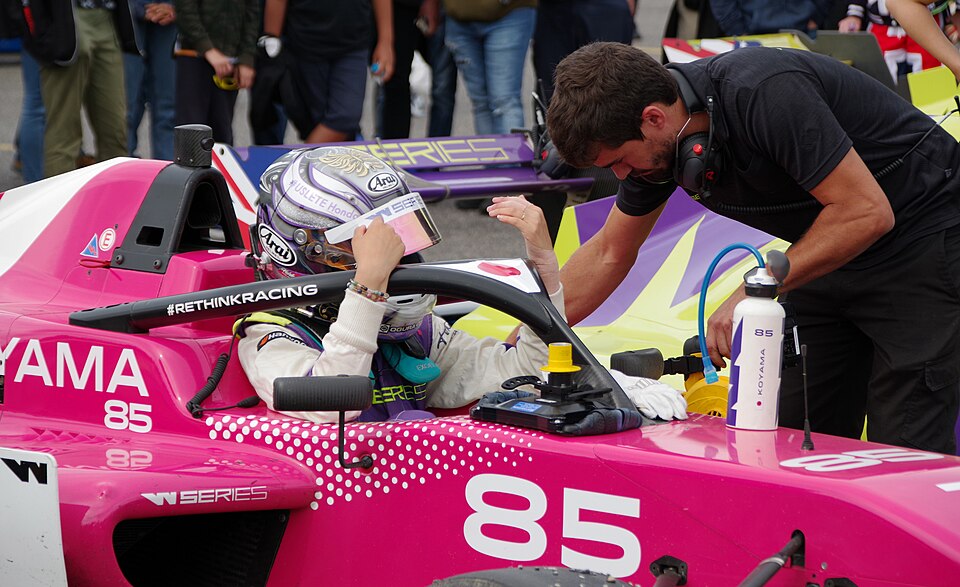
The W Series was a groundbreaking motorsport championship designed specifically to provide opportunities for women in professional racing. Founded on October 10, 2018, by Catherine Bond Muir, the series aimed to address the significant gender imbalance in motorsport by creating a pathway for female drivers to compete at the highest levels without the financial barriers that traditionally prevented women from entering the sport. The championship represented a bold experiment in motorsport governance, combining elite competition with social impact objectives to create measurable change in an industry where women comprised less than 5% of professional drivers.
Founding and Mission: Breaking Financial Barriers
The W Series was built on a revolutionary “free-to-race” model that covered all costs for participating drivers, including cars, travel, accommodation, and support staff. This approach directly tackled the primary obstacle preventing women from pursuing professional racing careers – the enormous financial investment required to compete at elite levels. Catherine Bond Muir, a former motorsport executive with experience in team management and commercial operations, established the championship with the specific goal of creating opportunities for women who had the talent but lacked the financial resources to progress through traditional racing pathways.
The selection process was rigorous and transparent, with 18-20 drivers chosen from over 50 applicants through comprehensive testing programs. In 2019, for example, 61 drivers were evaluated across multiple testing venues to select the final 18 competitors.
This ensured that only the most talented and dedicated female racers earned spots in the championship, maintaining high competitive standards while providing unprecedented access to professional racing opportunities. The testing criteria included objective performance metrics, physical fitness assessments, and media training to prepare drivers for the commercial demands of professional motorsport — Sarah Moore Racing.
The series’ founding came at a critical moment in motorsport history, when growing awareness of gender inequality in the sport created both pressure and opportunity for change. Muir’s vision was to create a sustainable model that could demonstrate women’s capabilities in single-seater racing while building commercial value that would attract sponsors and media partners. The “free-to-race” concept was particularly innovative, as it removed the traditional pay-to-drive model that had dominated junior motorsport categories and often excluded talented drivers based on financial resources rather than ability.
How Did the W Series Operate and Evolve?
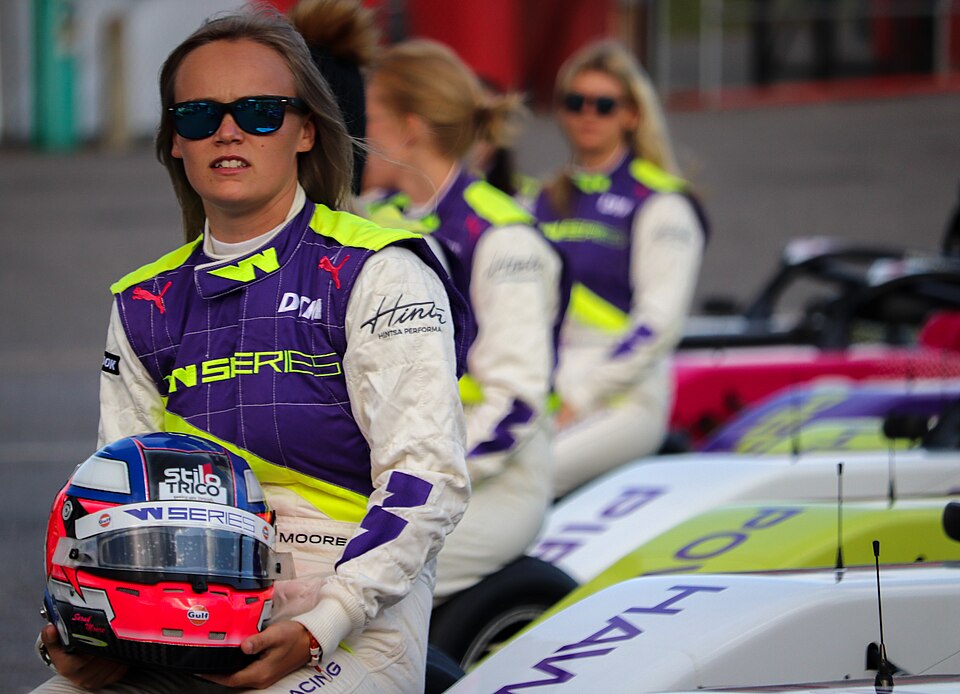
The W Series operated as a single-seater championship at Formula 3 level, using identical Tatuus-Alfa Romeo F3 T-318 cars to ensure fair competition based purely on driver skill. The series evolved significantly across its four seasons, expanding its reach and improving its structure to maximize both competitive racing and promotional impact for women in motorsport. Each season brought new challenges and opportunities, from navigating the COVID-19 pandemic to securing prestigious race support slots that elevated the championship’s profile.
Race Format and Championship Structure
-
2019 Season: Six European rounds supporting the Deutsche Tourenwagen Masters (DTM) championship, establishing the series’ initial footprint with races at iconic circuits including Hockenheim, Zolder, and Assen. This inaugural season featured Jamie Chadwick’s dominant championship victory, winning four of six races and establishing her as the series’ first star.
-
2020 Season: Shortened to three rounds due to COVID-19 pandemic disruptions, demonstrating adaptability during global challenges while maintaining competitive integrity. The condensed season still produced compelling racing and allowed the series to fulfill contractual obligations to partners despite unprecedented circumstances.
-
2021-2022 Seasons: Expanded to eight rounds as a support series for Formula 1 races, significantly increasing global exposure and prestige. This strategic positioning placed W Series drivers on the same bill as the world’s top racing series, providing invaluable experience and visibility. The 2021 season saw Jamie Chadwick claim her second title in dramatic fashion, while 2022 featured intense competition with multiple race winners.
-
Car Specifications: All drivers used identical Tatuus-Alfa Romeo F3 T-318 cars, eliminating equipment advantages and focusing competition on driver ability. The cars featured 1.8-liter turbocharged engines producing approximately 230 horsepower, with Dallara-built chassis optimized for the specific demands of the W Series calendar.
-
Prize Structure: $500,000 awarded to the season champion, providing substantial financial support for drivers’ future careers. The prize money represented one of the most significant financial rewards in junior single-seater racing, offering winners resources to advance to higher racing categories or pursue other professional opportunities.
-
Team Structure Evolution: The series transitioned from an individual entry format in 2019-2020 to a centralized team structure in 2021-2022, with professional race engineers and strategists supporting each driver. This change improved the quality of competition and provided drivers with experience in team-based racing environments similar to those found in higher-level championships.
Why Did the W Series End in 2023?
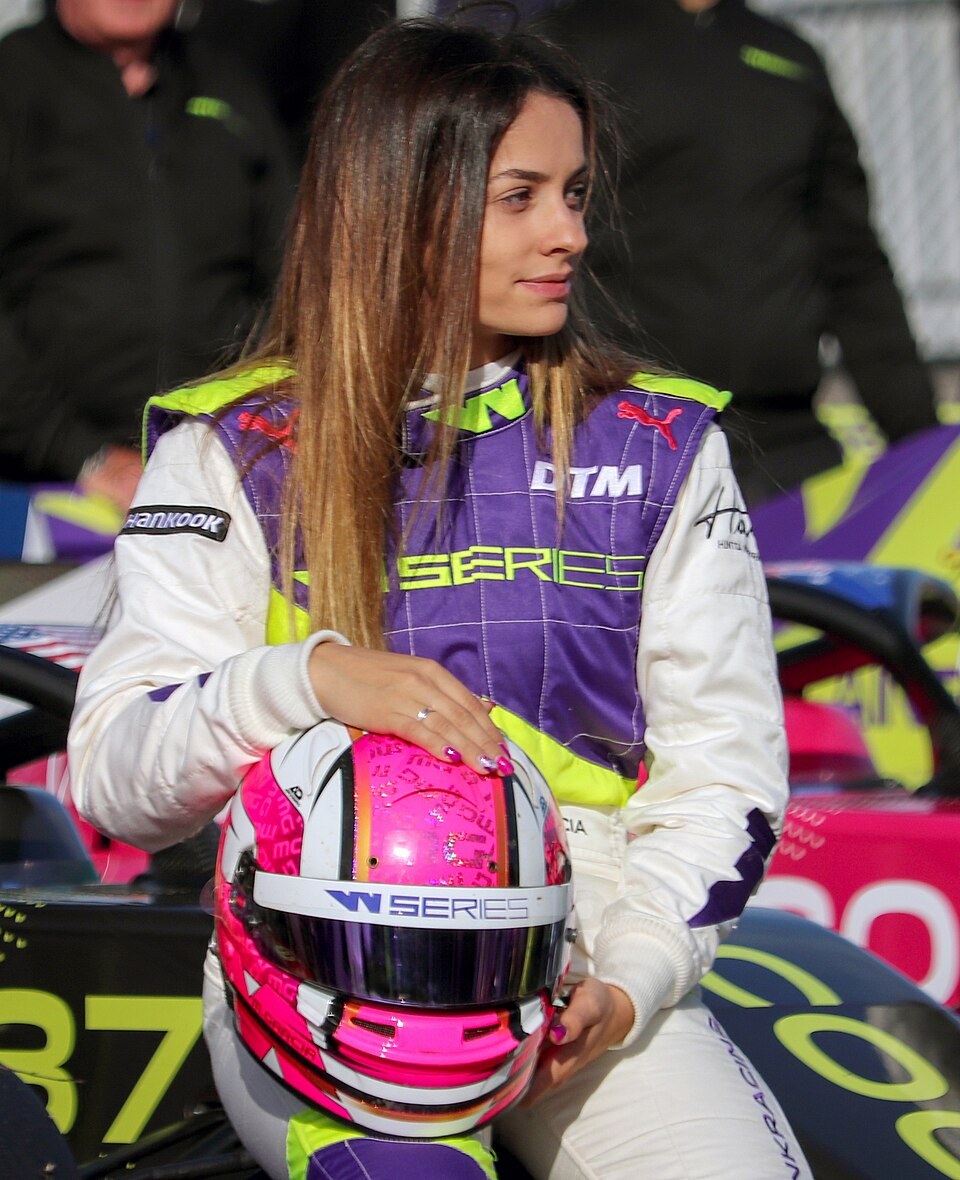
The W Series’ sudden closure in June 2023 came as a shock to the motorsport community, ending a promising initiative that had shown significant progress in promoting women’s participation in professional racing. The series’ administration highlighted the ongoing financial challenges facing specialized motorsport initiatives, even those with strong competitive foundations and growing audiences. The collapse raised important questions about the sustainability of niche racing series and the broader challenges of achieving gender diversity in professional motorsport.
Administration and Legacy Impact
The W Series entered administration in June 2023 due to funding issues, with the organization unable to secure sustainable financial backing for continued operations. This closure occurred despite the series’ success in showcasing female talent and building a dedicated following within the motorsport community. The financial collapse demonstrated the persistent challenges of establishing and maintaining specialized racing series in an already competitive and expensive motorsport landscape, where even well-supported initiatives can struggle to achieve long-term viability.
Despite its relatively short lifespan, the W Series left a significant legacy in women’s motorsport. Over four seasons, the championship provided competitive opportunities for more than 50 female drivers, many of whom have gone on to achieve success in other racing categories.
The series’ most prominent graduate, Jamie Chadwick, won all three full seasons (2019, 2021, 2022) and has since progressed to compete in Indy NXT and the World Endurance Championship, demonstrating the effectiveness of the W Series as a development platform. Other graduates have found success in categories ranging from GT racing to endurance events, validating the championship’s mission of identifying and nurturing female racing talent.
The W Series also inspired the creation of F1 Academy, a similar all-female racing series launched in 2023, ensuring that the mission of promoting women in motorsport continues through alternative channels. This succession highlights how the W Series’ impact extended beyond its operational lifespan, creating lasting change in how the motorsport industry approaches gender diversity and talent development. The new series builds on lessons learned from the W Series experience, potentially offering a more sustainable model for achieving the same objectives of increasing female participation in professional racing.
The most surprising aspect of the W Series’ story is how quickly it collapsed despite showing clear progress in just four seasons – proving that even successful initiatives need sustainable business models. The series demonstrated that removing financial barriers can unlock tremendous female talent in motorsport, with drivers like Jamie Chadwick achieving championship success and progressing to higher-level competitions. For aspiring female racers today, the W Series legacy lives on through F1 Academy and other development programs, offering concrete pathways to professional racing careers that didn’t exist before 2018.
