In 2026, supercar driving experiences will emphasize high-performance technology, data-driven coaching, and increased accessibility. Expect advanced vehicle telemetrics to track performance, with opportunities to learn from experienced instructors, similar to techniques taught by professionals like ARDS A-grade instructor and racer Sarah Moore. These Supercar Experience Days: What to expect from high-performance driving have evolved significantly, offering participants professional-level instruction previously reserved for competitive racers.
Key Takeaway
-
2026 supercar experiences will feature advanced vehicle telemetry and data logging for performance tracking
-
Professional instruction from certified racing instructors will focus on technical skills like weight transfer management
-
High-performance technology and data-driven coaching will make experiences more accessible to enthusiasts
-
Expect to learn high-speed handling techniques similar to those used by professional drivers like ARDS A-grade instructor Sarah Moore
What Makes 2026 Supercar Experiences Different from Previous Years
Advanced Vehicle Telemetry and Data Logging Systems
-
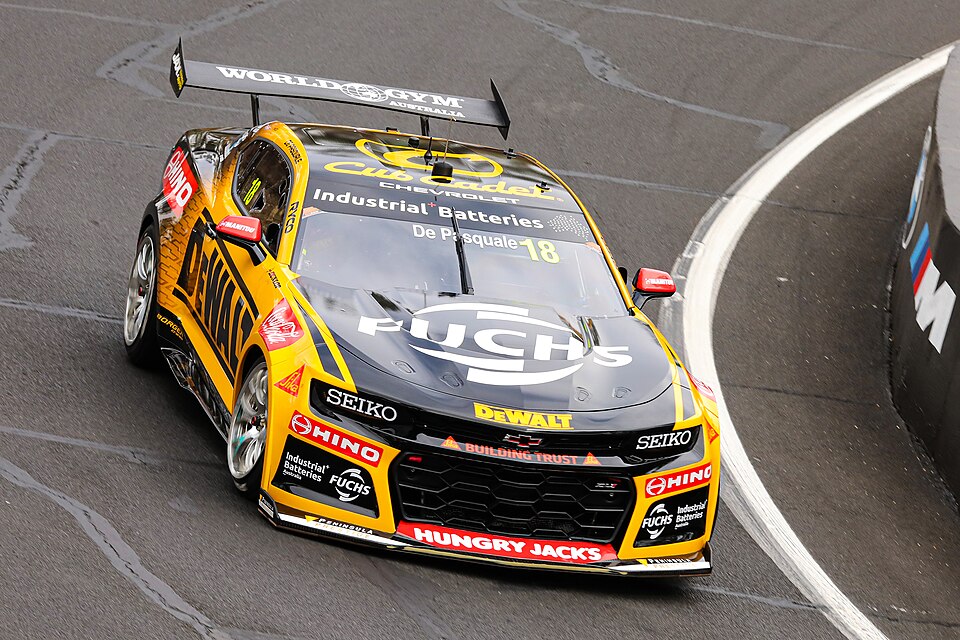
Real-time performance tracking through advanced vehicle telemetrics that monitor speed, G-forces, and lap times with precision previously available only to professional racing teams. These systems provide instant feedback on every aspect of your driving, from acceleration rates to cornering G-forces, allowing for immediate adjustments and improvements.
-
Data logging systems that record braking points, throttle application, and cornering speeds, allowing drivers to review their performance and identify areas for improvement. The data is typically available within seconds of completing a session, displayed on tablets or mobile apps for immediate analysis.
-
Professional-grade analysis tools similar to those used by ARDS A-grade instructor Sarah Moore, providing insights that accelerate the learning curve for high-performance driving. These tools can overlay multiple laps, highlight inconsistencies in driving lines, and suggest optimal racing lines based on collected data.
-
Mobile app integration that lets participants view their data immediately after sessions, compare runs, and track progress over multiple experiences. Many facilities now offer cloud-based storage where drivers can access their performance data from anywhere, building a comprehensive driving portfolio over time.
-
Predictive analytics that suggest optimal racing lines and braking points based on collected data, helping drivers understand the theoretical best approach to each track. These systems use machine learning algorithms to analyze thousands of data points and provide personalized recommendations for improvement.
Professional Coaching Evolution in 2026
The coaching methods in 2026 have evolved significantly from traditional track instruction. Professional instructors now utilize data-driven feedback systems that analyze every aspect of a driver’s performance, from braking efficiency to cornering technique. This approach, similar to Sarah Moore’s driver coaching methodology, focuses on measurable improvements rather than subjective assessments.
Instructors certified through programs like ARDS A-grade training bring 25+ years of racing experience to their coaching, translating complex racing techniques into understandable lessons for enthusiasts. The emphasis has shifted from simply completing laps to understanding the technical aspects of weight transfer, vehicle dynamics, and high-speed handling.
This comprehensive approach accelerates the learning curve, allowing participants to progress from basic driving to understanding how to properly handle high-downforce, high-power vehicles in just a few sessions. Many instructors have backgrounds in Driver Development Programs: From Karting to professional racing, giving them unique insights into the progression of driving skills.
Modern coaching incorporates virtual reality simulations before track sessions, allowing drivers to familiarize themselves with track layouts and practice techniques in a risk-free environment. Instructors use augmented reality headsets during sessions to provide real-time guidance, highlighting optimal racing lines and warning of upcoming corners. The integration of these technologies creates a more immersive and effective learning experience that was unavailable in previous years.
Technical Skills You’ll Learn in Modern Supercar Experiences
Weight Transfer Management and Vehicle Dynamics
-
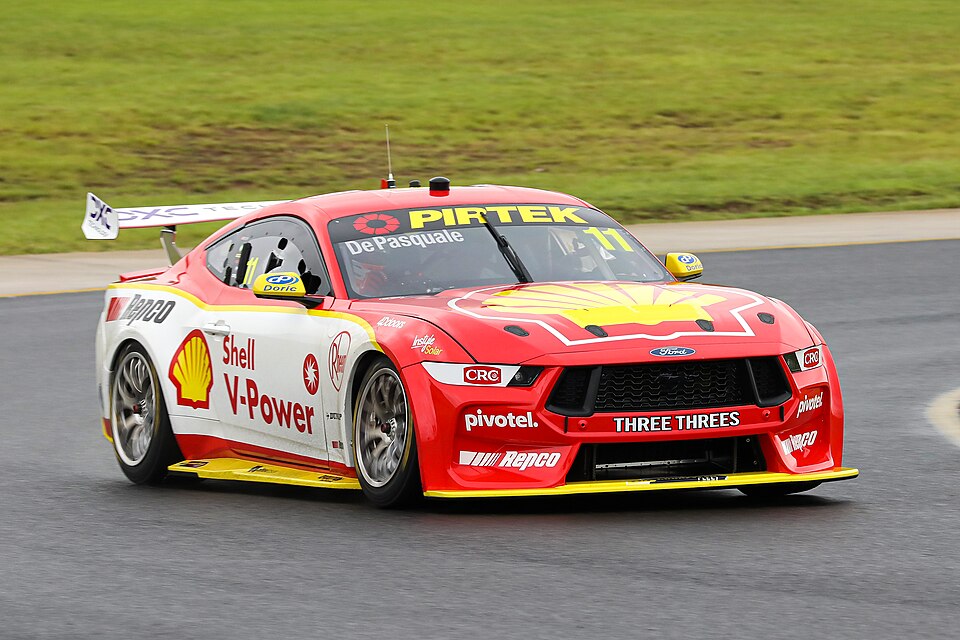
Understanding weight distribution during acceleration, braking, and cornering, which affects tire grip and vehicle stability at high speeds. Participants learn how weight shifts between wheels affects traction, with instructors explaining the physics behind understeer and oversteer conditions.
-
Load transfer principles that explain how weight shifts between wheels during different driving maneuvers, impacting traction and control. This includes understanding how aggressive acceleration can cause rear-wheel slip and how trail braking affects front-end grip during corner entry.
-
Throttle control techniques for managing weight transfer, particularly important in high-powered vehicles where aggressive acceleration can cause instability. Drivers learn to modulate throttle input to maintain optimal weight distribution and maximize traction throughout acceleration phases.
-
Braking strategies that account for weight transfer to the front wheels, allowing for later braking points and improved lap times. Participants practice trail braking techniques that maintain front-end grip while gradually releasing brake pressure through corner entry.
-
Cornering techniques that balance weight transfer to maintain optimal tire contact and prevent understeer or oversteer in high-performance vehicles. This includes learning proper line selection, apex clipping, and throttle application timing to maximize corner exit speed.
High-Speed Handling and Precision Control
The progression from basic to advanced driving techniques represents a fundamental shift in how supercar experiences are structured. Participants begin with fundamental car control skills but quickly advance to high-speed handling techniques that were once reserved for professional racing drivers. This includes learning precise steering inputs, optimal line selection, and throttle modulation at speeds exceeding 150 mph.
Modern supercar experiences teach the technicalities of transitioning from everyday driving to handling vehicles with advanced aerodynamics and sophisticated electronic systems. Drivers learn to work with features like traction control, stability management, and active aerodynamics, understanding when to rely on technology and when to override it for maximum performance. The focus is on developing the muscle memory and decision-making skills that professional drivers use to extract maximum performance from high-powered vehicles while maintaining control in challenging conditions.
Advanced techniques include learning to read track conditions, understanding how temperature and surface changes affect grip levels, and developing the ability to adapt driving style to different vehicle characteristics. Participants practice emergency maneuvers, learning how to recover from slides and maintain control in unexpected situations. The comprehensive skill development ensures drivers not only perform well on the track but also develop safer driving habits for everyday situations.
Who Will Be Teaching You: The Evolution of Racing Instructors
Certified Racing Instructors and Their Expertise
-
ARDS A-grade certification representing the highest standard in racing instruction, requiring extensive experience and demonstrated teaching ability. This certification ensures instructors have both the technical knowledge and pedagogical skills to effectively teach high-performance driving techniques.
-
Professional racing backgrounds with instructors often having competed in championships like the Ginetta Junior Championship, Britcar Endurance Championship, or W Series. Their competitive experience provides real-world examples of racing techniques and the mental approach required for high-performance driving.
-
Multi-disciplinary experience covering various racing formats from single-seaters to endurance racing, providing comprehensive understanding of different vehicle dynamics. This diverse background allows instructors to adapt their teaching to different vehicle types and track conditions.
-
Data analysis expertise allowing instructors to interpret telemetry data and provide specific, actionable feedback rather than general advice. They can identify patterns in driving behavior and suggest targeted improvements based on objective performance metrics.
-
Communication skills developed through years of coaching, enabling them to explain complex technical concepts in accessible terms. Effective instructors can break down advanced techniques into manageable steps, ensuring participants understand and can implement the concepts.
The Role of Professional Drivers in Coaching
Professional racing drivers bring invaluable experience to coaching roles, having competed at the highest levels of motorsport. Their techniques, refined through years of competition, provide the foundation for modern supercar instruction.
For example, Sarah Moore’s approach to driver development emphasizes understanding the physics of vehicle behavior rather than simply memorizing racing lines. This Racing Driver Coaching: How Professional methodology has transformed how enthusiasts learn high-performance driving techniques.
The coaching methodology has evolved to incorporate data logging systems that professional drivers use to analyze their own performance. This data-driven approach helps identify specific areas for improvement, whether it’s braking points, throttle application, or cornering technique.
Professional instructors can demonstrate how small adjustments in driving technique can result in significant performance gains, teaching participants to think like race car drivers rather than simply driving fast. The evolution of coaching has also seen increased representation from female racing driver instructors who bring unique perspectives to driver development.
Their experience from multiple championships and racing series provides context for understanding how different vehicles behave and how to adapt driving style accordingly. Professional instructors share insights about race craft, including overtaking strategies, defensive driving techniques, and the importance of consistency in lap times. This comprehensive approach ensures participants develop not just speed, but the complete skill set required for high-performance driving.
The most surprising finding is that supercar experiences in 2026 have become remarkably similar to professional racing driver training programs, with advanced telemetry, data-driven coaching, and technical instruction that was once exclusive to professional teams now available to enthusiasts. To make the most of your supercar experience, research the qualifications of your instructors and the technology available at your chosen facility before booking, as these factors significantly impact the quality of instruction and the skills you’ll develop.
Frequently Asked Questions About Supercar Driving Experience Packages
What technical skills will I learn in modern supercar experiences?
You'll learn precision braking, cornering techniques, and throttle control. Modern experiences focus on track-specific skills like racing lines and apex timing to maximize performance and safety in high-powered vehicles.
Who teaches supercar driving experiences in 2026?
Professional racing instructors with competitive backgrounds lead sessions. Many are former racers or certified performance driving coaches who've evolved from traditional teaching to specialized supercar instruction using advanced telemetry and feedback systems.
How do 2026 supercar experiences differ from previous years?
2026 packages feature newer models with hybrid/electric options, enhanced telemetry systems for performance tracking, and more personalized coaching. Experiences now include virtual reality integration and expanded track time compared to earlier years.
