
Race Start Strategies for 2026: Getting Ahead from the Grid
The 2026 Formula 1 season revolutionizes race start techniques, requiring drivers to manage turbo lag without MGU-H and adapt to a new blue grid panel pre-start warning, while optimizing battery harvesting via super-clipping. With 50% of power from electric motors and a 30kg car weight reduction, starts are more technical and critical for position gains than ever. Sarah Moore, a pioneering driver coach, shares how to master these changes.
The elimination of the MGU-H (Motor Generator Unit – Heat) means turbos no longer spin continuously, creating a significant lag that drivers must overcome through precise rev control. The new pre-start warning provides a five-second window to build turbo pressure, but executing a perfect launch still demands flawless clutch control and energy management. Meanwhile, active aerodynamics replace the familiar DRS zones, offering Straight and Corner modes that must be selected strategically from the very first lap.
Finally, the increased reliance on electrical power—now 50% of the total—requires drivers to actively harvest battery charge via super-clipping to ensure they have enough energy for overtaking maneuvers. This article breaks down each component of the 2026 race start, providing drivers with actionable techniques to gain positions from the grid. Sarah Moore’s coaching insights, drawn from her experience as a trailblazing driver and instructor, offer a holistic approach to mastering these complex new procedures under pressure.
- The 2026 F1 regulations eliminate the MGU-H, requiring drivers to manage turbo lag through high RPM rev-building before starts.
- A new pre-start warning with blue grid panels gives drivers five seconds to build turbo revs before the standard red light sequence.
- Active aerodynamics replace DRS, with Overtake Mode allowing increased electrical energy deployment when within one second of a rival.
- Battery harvesting via “super-clipping” at full throttle on straights is essential for maintaining energy for the next lap.
- Sarah Moore’s coaching emphasizes mental preparation and technical simulation to help drivers adapt to these 2026 changes.
2026 Race Start Techniques: Mastering Turbo Lag and New Procedures
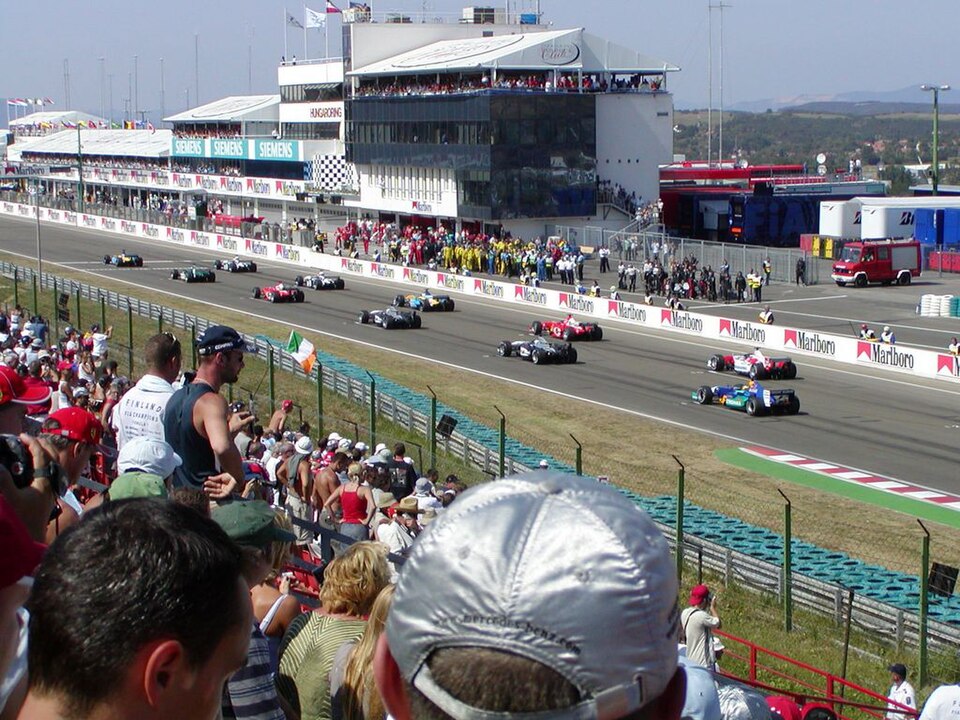
Managing Turbo Lag Without MGU-H: High RPM Rev-Building Strategy
Turbo lag occurs when the turbocharger is not spinning at optimal speed, causing a delay between pressing the throttle and the delivery of power. In previous Formula 1 cars, the MGU-H (Motor Generator Unit – Heat) kept the turbocharger spinning even when the driver was off the throttle, eliminating most lag. The 2026 regulations remove the MGU-H entirely, reintroducing significant turbo lag as a major factor in race starts.
Without the MGU-H, the turbo relies solely on exhaust gases to spool up, which only happens when the engine is revving high. Therefore, drivers must build high RPM revs during the pre-start phase to ensure the turbo is already spinning at maximum speed before the lights go out. If the turbo is not sufficiently spooled, the car will experience a sluggish getaway, losing valuable positions instantly.
The technique involves holding the engine at a specific high RPM—typically between 12,000 and 14,000 revs—while managing the clutch bite point. This rev range keeps exhaust flow strong enough to maintain turbo spool without over-revving or overheating the engine. The driver must balance this with clutch control to avoid wheel spin or stalling.
The 50% electric power split means the electric motors can provide immediate torque, partially masking turbo lag, but the combustion engine still needs to be in its power band. Additionally, the 30kg weight reduction in car weight makes the car more agile but also more sensitive to clutch engagement; too much torque can cause wheel spin, while too little results in a slow start. Mastering this high RPM revs strategy is essential for any driver aiming to gain positions in 2026.
New Pre-Start Warning Procedure: Blue Grid Panels and Five-Second Countdown
The new pre-start warning procedure is detailed in the 2026 technical regulations and is a direct response to the turbo lag challenge. The five-second blue grid panel flash gives drivers a dedicated window to build and stabilize turbocharger revs before the traditional red light sequence. This allows the turbo to reach optimal spool speed, ensuring that when the clutch is released, the engine delivers immediate power without the typical lag associated with a cold turbo.
Drivers can use this time to hold the engine at the required high RPM, fine-tune their clutch bite point, and mentally prepare for the launch. The procedure essentially creates a standardized rev-building phase, reducing the variability that previously led to inconsistent starts.
This change makes 2026 starts more technical because it adds a new layer of timing and precision. Drivers must now judge exactly when to start building revs during the blue flash—too early and they risk overheating or wasting battery; too late and the turbo won’t be fully spooled. The five-second countdown also introduces a psychological element: the sudden shift from blue to red lights creates a heightened sense of urgency, requiring drivers to maintain composure while executing complex clutch and throttle inputs.
With the car’s weight reduced by 30kg and power more evenly split between combustion and electric sources, the margin for error is smaller than ever. A perfect launch can gain multiple positions on the first corner, while a poor one can drop a driver into the midfield before turn one. Consequently, teams are investing heavily in simulator training for drivers to practice the new procedure thousands of times, building muscle memory for the exact timing of rev buildup and clutch release.
| Stage | Old Procedure | New Procedure | Driver Action |
|---|---|---|---|
| Pre-start | No warning | Blue panels flash for 5 seconds | Build turbo revs, prepare clutch |
| Start sequence | 5 red lights (random interval) | 5 red lights after blue flash | Release clutch at optimal RPM |
| Post-start | Normal race start | Normal race start | Manage battery, deploy energy strategically |
Active Aerodynamics and Overtake Mode: Replacing DRS with Straight/Corner Modes
Active aerodynamics in 2026 replace the Drag Reduction System (DRS) with driver-selectable modes that can be used on any lap, not just in designated zones. The system offers three primary configurations:
- Straight Mode: This setting minimizes drag by adjusting front and rear wing angles, allowing the car to achieve higher top speeds on straights. It is essential for maximizing velocity on straights but reduces downforce, making the car less stable in corners.
- Corner Mode: Conversely, Corner Mode maximizes downforce for optimal grip and stability during cornering. This setting increases drag but is necessary for maintaining high cornering speeds.
- Overtake Mode: When a driver is within one second of the car ahead, they can activate Overtake Mode, which combines a low-drag Straight Mode configuration with a boost in electrical energy deployment. This provides a temporary power increase, helping the chasing driver to complete a pass.
These modes are available from the very first lap, fundamentally changing race start strategy. Unlike DRS, which was only active after the start line on specific laps, active aerodynamics can be used immediately after the start. Drivers must decide whether to prioritize Straight Mode for the initial sprint to the first corner or Corner Mode for better traction through the early corners.
The availability of Overtake Mode on lap 1 means that drivers who can get within one second of a rival right after the start have an immediate tool to attempt a pass. This creates a complex decision matrix: do you sacrifice some straight-line speed for cornering stability to avoid contact, or do you go for maximum velocity to gain positions before the first turn?
The ability to switch modes on the fly adds a new dimension to the opening lap, rewarding drivers who can quickly assess track conditions and adapt their aerodynamic settings. This is particularly relevant in sprint race formats where the first lap is even more critical for track position.
Battery Harvesting via Super-Clipping: Maximizing Energy for Lap Starts
Super-clipping is a technique that involves charging the battery at full throttle at the end of straights, typically just before braking for a corner. In 2026, with 50% of power from electric motors, managing battery state of charge (SOC) becomes as critical as fuel management was in the past.
The electric energy store has limited capacity, and drivers must actively harvest energy to replenish it during the lap. Super-clipping achieves this by using the combustion engine’s power to spin the MGU-K (Motor Generator Unit – Kinetic) at full throttle, converting kinetic energy into electrical energy with high efficiency.
The technique is essential for race starts because the opening lap places unusual demands on the battery. The first lap often involves multiple overtaking attempts, heavy braking, and acceleration from low speeds, all of which drain the battery quickly. If a driver starts with a low SOC, they may lack the electrical boost needed for Overtake Mode or for defending against attacks.
Therefore, drivers must begin the race with a sufficiently charged battery, but the regulations require that the battery be largely depleted at the end of the lap to meet energy flow limits. This creates a delicate balance: harvest too much and you risk exceeding the allowed energy flow; harvest too little and you run out of power before the end of the lap.
Super-clipping must be practiced extensively in simulators to perfect the timing—applying full throttle just as the driver reaches the end of a straight, then immediately braking for the corner. The technique also influences start strategy: drivers may choose to sacrifice a slightly slower exit from the first corner to ensure they can super-clip effectively on the main straight, thereby preserving energy for the next lap’s overtaking opportunities.
Ultimately, mastery of super-clipping is what separates drivers who can consistently launch well and maintain aggressive early-lap pace from those who fall behind. Understanding the tire compound strategy is also important, as aggressive harvesting can increase tire wear and affect grip.
Sarah Moore’s Coaching Insights for 2026 Race Starts
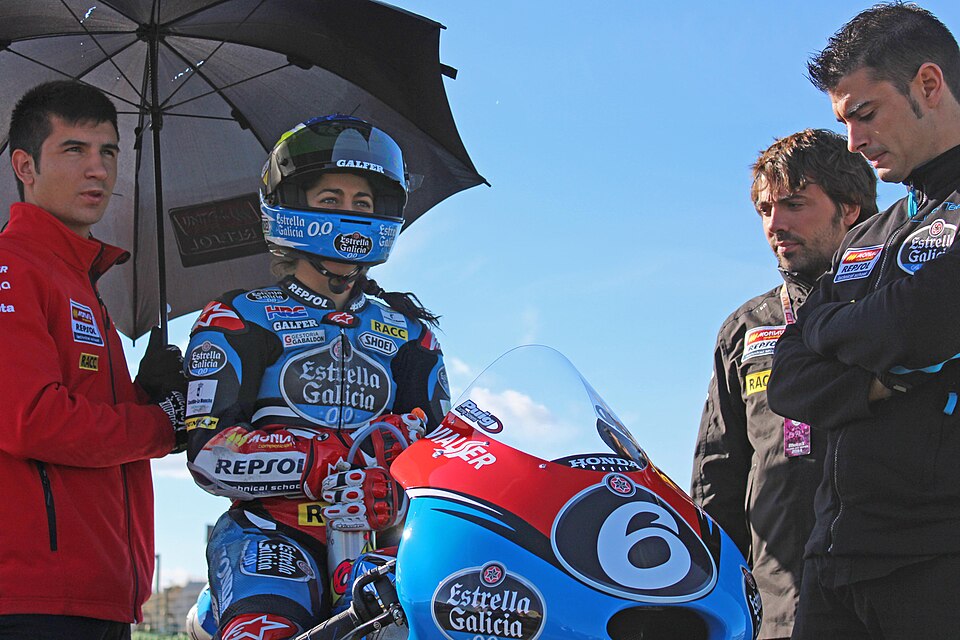
Mental Preparation and Holistic Coaching Approach
Sarah Moore’s coaching philosophy centers on a holistic approach that integrates mental, physical, and technical development. Having competed at the highest levels—including becoming the first female to win the Ginetta Junior Championship in 2009 and the Britcar Endurance Championship in 2018—Moore understands that success in 2026 requires more than just car control.
The new start procedures introduce unprecedented pressure: drivers must execute precise rev-building, clutch control, and energy management while the field piles into the first corner. Mental preparation techniques such as visualization, breath control, and stress inoculation training are therefore core components of her coaching.
Moore works with drivers through the More Than Equal programme, which aims to develop the first female Formula 1 world champion. She emphasizes building confidence through repeated simulation of the new start scenarios. For example, drivers practice the five-second blue panel warning in simulators, learning to anticipate the exact moment to increase revs and engage the clutch.
This mental rehearsal helps reduce the cognitive load during actual race conditions, allowing the driver’s muscle memory to take over. Additionally, Moore incorporates sports psychology to help drivers manage the anxiety of potential early-race chaos. She teaches techniques to maintain focus amidst the noise and vibration of a packed grid, ensuring that drivers can execute their plan regardless of external distractions.
The holistic approach also addresses physical readiness: core strength for clutch control, neck conditioning for high-G forces, and nutrition for sustained concentration during long race weekends. By treating the driver as a complete athlete, Moore ensures that her protégés are not only technically proficient but also mentally resilient enough to handle the heightened demands of 2026 race starts. This comprehensive preparation is what gives her drivers an edge when it matters most—the moments after the lights go out.
Moore’s own experience as the first openly LGBTQ+ driver to stand on a podium at a Formula 1 Grand Prix weekend (2021 W Series) informs her understanding of performing under scrutiny. She helps young drivers develop a strong sense of self-belief, which is crucial when executing novel techniques in front of teams and media. Through regular feedback sessions and video analysis, she guides drivers to refine their mental scripts, turning nervous energy into focused determination.
Technical Expertise and the More Than Equal Programme
Sarah Moore’s technical expertise stems from her ARDS Grade A instructorship and years of competitive experience across multiple series, including the W Series where she was a multiple race winner. As a driver coach for the More Than Equal programme, she translates this expertise into structured training that prepares drivers for the specific challenges of 2026. The programme combines simulator work, on-track sessions, and classroom education to build a deep understanding of the new regulations.
Moore uses state-of-the-art simulators to replicate the exact feel of the 2026 car, including the turbo lag characteristics, active aerodynamics, and battery management systems. Drivers practice the pre-start warning procedure repeatedly, learning to modulate the clutch while maintaining the required high RPM revs during the blue panel flash.
She also teaches the super-clipping technique in a controlled environment, allowing drivers to experiment with different throttle and braking points to maximize energy harvest without compromising lap time. These simulator sessions are complemented by real-world tests in lower formula cars that mimic the 2026 power delivery, giving drivers a physical feel for the torque surge from electric motors.
Beyond technique, Moore educates drivers on the strategic implications of the new rules. For instance, she explains how the 30kg weight reduction affects car balance during the launch phase, requiring adjustments to clutch bite point settings. She also covers the optimal use of active aerodynamics on the first lap: when to switch to Straight Mode for the initial drag to turn one, and when to activate Overtake Mode for an early pass.
This technical depth ensures that drivers are not just following instructions but understanding the ‘why’ behind each action, enabling them to adapt when conditions change. The 2026 regulations also include a budget cap that limits development costs, making driver skill even more crucial for competitive success.
The More Than Equal programme’s holistic pipeline—from karting to Formula 1—benefits immensely from Moore’s involvement. She acts as a mentor who bridges the gap between raw talent and professional race craft, passing on the winning edge that she developed throughout her career.
Her unique position as a trailblazer who has broken gender barriers adds an inspirational dimension, showing young drivers that mastery of these new 2026 techniques is within reach. Drivers seeking to gain an advantage should connect with her through Sarah Moore Racing to access personalized coaching that blends mental resilience with technical precision.
The 2026 race start revolution will be defined not by who has the fastest car, but by who can best adapt their driving style to the new technical demands. The elimination of the MGU-H, the introduction of blue grid panels, active aerodynamics, and the critical need for battery harvesting create a perfect storm of complexity.
Drivers who rely solely on instinct will struggle; those who combine mental resilience with precise technical execution will thrive. The most surprising insight is that the chaos expected in early 2026 races will actually reward drivers who can stay calm and execute their training under pressure—a skill that can be learned with the right coaching.
For any driver serious about gaining positions from the grid in 2026, the action step is clear: engage with expert coaches like Sarah Moore in 2025 to build muscle memory before the season begins. Specifically, focus on simulating the new pre-start warning procedure: practice holding high RPM revs during the five-second blue flash, then releasing the clutch at the optimal bite point. Work on super-clipping technique in simulators to understand how full-throttle application at the end of straights affects battery SOC.
And develop a mental routine to manage the heightened stress of the new start sequence. Moore’s programmes through More Than Equal and Sarah Moore Racing offer tailored sessions that address these exact needs.
By investing time in 2025, drivers can arrive at the first 2026 race already ahead of the competition, turning the new regulations from a challenge into an opportunity. Learning from other series, such as NASCAR pit stop strategies, can also provide insights into rapid decision-making under pressure, but the core focus must remain on mastering the unique 2026 start procedures through dedicated, expert-led practice.
