
The Formula 1 Sprint is a ~100km, 30-minute Saturday race awarding points to the top eight finishers. Introduced to add competitive action, this format reshapes championship strategies. This guide explains the sprint format, its qualifying structure, points system, and impact on standings.
You’ll learn about Sprint Qualifying stages, the 2026 calendar with six events, and how sprints affect driver development in professional racing. We also examine championship implications and driver opportunities. The sprint format’s unique demands are changing how teams approach race weekends.
- The sprint race is a ~100km, 30-minute Saturday race with points for top 8 finishers (8-7-6-5-4-3-2-1).
- Sprint Qualifying uses a three-stage format (SQ1:12min, SQ2:10min, SQ3:8min) to set the grid.
- Six sprint events in 2026 offer extra championship points and strategic complexity.
What Is the Formula 1 Sprint Race? Format and Rules Explained
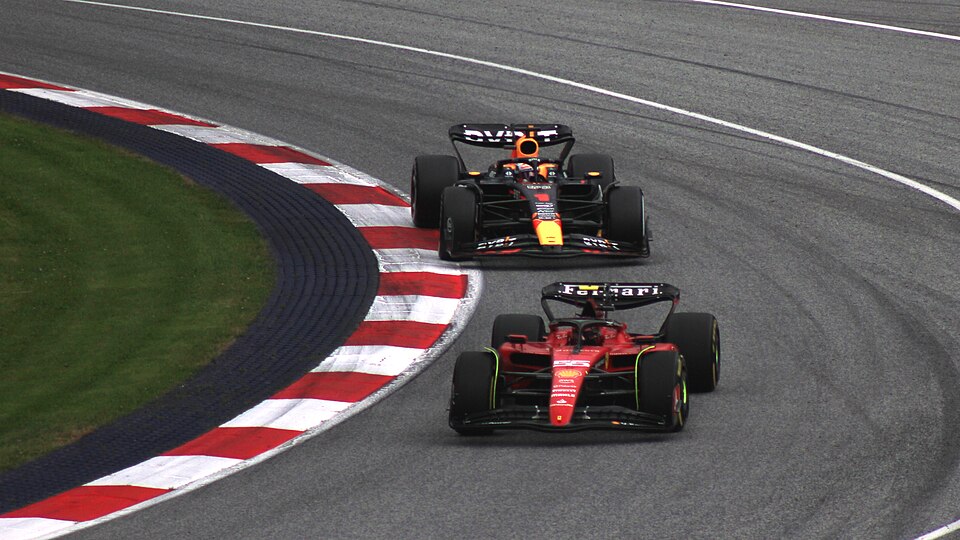
Sprint Race Distance and Duration: 100km in 30 Minutes
- Distance: Approximately 100 kilometers, roughly one-third of a full Grand Prix distance. This shorter length ensures the race can be completed within a single session without refueling.
- Duration: About 30 minutes of green-flag racing. The time limit fits neatly into the Saturday schedule and maintains viewer engagement.
- No mandatory pit stops: Unlike Grand Prix races, sprints do not require pit stops. Teams can run the entire distance on a single set of tyres, eliminating strategic variables.
- Flat-out intensity: With such a short distance, drivers push to the absolute limit from the first corner. There is no room for conservation; every lap is a qualifying lap.
- Tyre strategy: While not mandatory to pit, teams may still stop if needed for damage or changing conditions. However, the short duration often makes stops unnecessary, focusing purely on race pace.
- Points incentive: The top eight finishers earn championship points, making every position valuable and increasing racing intensity.
- Grid setting: The sprint grid is determined by Sprint Qualifying, creating a separate competitive session.
- No fuel concerns: Cars start with enough fuel to complete the distance, so fuel management is not a factor.
- For a comprehensive look at Formula 1 racing basics, see our detailed guide.
Weekend Structure: How Sprints Replace Traditional Practice
The traditional Formula 1 weekend featured two practice sessions on Friday, a third on Saturday morning, followed by qualifying for the Grand Prix, and the race on Sunday. The introduction of the sprint format altered this structure significantly. In a sprint weekend, the schedule is reorganised to accommodate the additional race while maintaining the core elements.
A typical sprint weekend now includes: Friday – one practice session (FP1) and the traditional Grand Prix qualifying (which sets the grid for Sunday’s race). Saturday – Sprint Qualifying (SQ) to determine the sprint grid, followed by the Sprint Race itself. Sunday – the Grand Prix proceeds as usual.
The sprint replaces the second practice session (FP2), reducing the total practice time available to teams. This change means teams have less track time to fine-tune car setups, making the Sprint Qualifying session even more critical.
It also creates a busier Saturday with two competitive sessions, increasing the workload for drivers and engineers. The compressed schedule demands greater efficiency and adaptability from all participants, and it interacts closely with the Formula 1 power unit technology in the 2026 technical regulations that define car performance parameters.
2026 Sprint Calendar: Six Events Across the Season
- Six sprint weekends: The 2026 FIA Formula One World Championship features six sprint events, an increase from previous seasons, reflecting the format’s popularity and success (FIA, 2024).
-
Extra points at stake: Each sprint awards points to the top eight finishers (8-7-6-5-4-3-2-1). The winner gains 8 points—nearly a third of a Grand Prix victory (25 points).
Across six sprints, up to 48 additional points are available.
- Strategic placement: Sprint events are scheduled at circuits known for close racing, such as those with high-speed corners and overtaking opportunities, to maximise spectacle.
- Season impact: With six extra races, the total competitive sessions rise from 22 to 28, intensifying demands on teams while providing more entertainment for fans.
- Championship dynamics: By spreading sprints throughout the season, the FIA ensures the title race remains unpredictable, as a single sprint win can dramatically alter standings.
- Team adaptation: Teams must adjust their strategies for sprint weekends, including different tyre allocations and setup compromises between the sprint and the Grand Prix.
Sprint Qualifying (SQ): Structure, Stages, and Key Differences
SQ Stages and Timing: 12, 10, and 8 Minutes
| Stage | Duration |
|---|---|
| SQ1 | 12 minutes |
| SQ2 | 10 minutes |
| SQ3 | 8 minutes |
The decreasing times create a crescendo of pressure. In SQ1, drivers have 12 minutes to set a lap time that keeps them safe from elimination. The fastest progress to SQ2, where they have 10 minutes to improve.
The final session, SQ3, lasts only 8 minutes and decides the top grid positions for the sprint. Each stage shortens the window, forcing drivers to push early and often. A single mistake or traffic incident can end a session prematurely.
The format rewards drivers who can quickly find rhythm and deliver lap after lap at the limit. Teams must strategize when to send their drivers out, balancing track evolution with the risk of congestion. The final SQ3 determines pole position for the sprint, with the fastest driver earning a clean track at the start.
The three-stage structure mirrors traditional qualifying but with compressed timescales. SQ1 gives drivers 12 minutes, which may seem generous but is actually quite tight when considering that each driver typically needs multiple laps to get tyres into the optimal window and avoid traffic. In SQ2, the 10-minute duration intensifies the pressure; drivers who progressed from SQ1 must immediately switch to a new set of tyres and find time again.
SQ3, at just 8 minutes, is a sprint within a sprint—drivers have time for perhaps two flying laps, making every corner count. The decreasing times mean that the importance of the first out-lap increases; drivers often push on their first attempt to avoid being caught out by a red flag or unexpected slowdown. The knockout nature adds drama: one missed lap can mean elimination.
This format tests not only raw speed but also consistency and mental fortitude. Compared to traditional qualifying, where Q1 might be 18 minutes, the SQ stages are significantly shorter, leaving less time to compensate for errors. The result is a high-stakes, action-packed session that directly sets the grid for the sprint race, which itself awards championship points (FIA, 2024).
How SQ Differs from Traditional Qualifying
- Purpose: SQ sets the grid for the Sprint Race, not the Grand Prix. Traditional qualifying determines the starting order for Sunday’s main event.
-
Timing: SQ occurs on Saturday morning, following Friday’s Grand Prix qualifying.
Traditional Q is usually held on Friday afternoon.
- Duration: SQ stages are shorter (12, 10, 8 minutes) compared to traditional Q stages (typically 18, 15, 12 minutes), increasing pressure on drivers.
- Elimination format: Both use a three-stage knockout system, but the compressed times in SQ make each lap more critical and leave less margin for error.
- Points connection: While SQ itself doesn’t award points, the sprint race that follows does, adding significance to the grid positions earned.
- Practice time: Teams have less overall track time before SQ due to the reduced number of practice sessions, making SQ the first real competitive session on Saturday.
- Tyre allocation: Sprint weekends have a different tyre allocation (12 sets of slicks) compared to standard Grand Prix weekends (13 sets), affecting how teams approach SQ and the sprint race.
The Elimination Process: Progression Through Stages
In Sprint Qualifying, drivers must progress through each stage by setting fast enough lap times. The slowest competitors are eliminated at the end of SQ1, narrowing the field to the fastest drivers. Those who advance to SQ2 face another short, intense session where the grid for the sprint is further reduced.
Finally, SQ3 features the top drivers battling for pole position and the best starting spots. The elimination process ensures that only the quickest cars over a single lap reach the front, creating a spectacle of pure speed. Drivers cannot afford to have a single bad lap; they must be consistently fast from the moment the session starts.
The pressure is amplified by the short durations, as there is little time to recover from traffic or errors. This knockout format rewards bravery and precision, and it often leads to dramatic moments as drivers push beyond their limits to avoid elimination.
Teams must carefully manage their drivers’ out-laps and in-laps to maximise the number of flying attempts, while also monitoring track evolution and competitor times. The result is a high-stakes, high-drama session that sets the stage for the sprint race.
How Does the Sprint Format Affect Championship Standings and Driver Opportunities?
Points System: 8 for First, 1 for Eighth – Maximizing Championship Points
| Position | Points |
|---|---|
| 1st | 8 |
| 2nd | 7 |
| 3rd | 6 |
| 4th | 5 |
| 5th | 4 |
| 6th | 3 |
| 7th | 2 |
| 8th | 1 |
These points count toward both the Drivers’ and Constructors’ Championships. A driver can earn up to 8 extra points per sprint weekend, in addition to the points from the Grand Prix (25 for a win). Over a season with six sprints, that’s a maximum of 48 additional points available.
In a closely contested championship, a single sprint win can be the difference between winning and losing the title. For example, recent championships have been decided by margins of less than 20 points, highlighting how even a small points swing from a sprint can be decisive. The points also count for the Constructors’ Championship, meaning both drivers in a team can contribute, increasing the strategic importance of sprint weekends for teams.
For drivers lower in the standings, the sprint provides an extra opportunity to score points, potentially allowing them to gain positions in the championship that would be harder to achieve in just the Grand Prix. The 8-point award for a sprint win is equivalent to finishing fourth in a regular race, making it a substantial prize (Formula 1, 2025).
Strategic Implications: Aggressive Racing, Risks, and Car Setup
The sprint format’s short, flat-out nature forces aggressive driving and increases collision risk. With no mandatory pit stops, car setup becomes critical and must balance sprint performance with Sunday’s race. Teams face a compromise: a sprint-optimised setup may hinder Grand Prix pace, especially regarding tyre degradation.
The high stakes also mean drivers push beyond limits, raising penalty and damage risks that can carry over to the main event. Additionally, the reduced tyre allocation (12 sets vs 13) forces teams to manage tyres carefully across both sessions. These factors require dedicated sprint strategies that maximise points while protecting Sunday’s campaign.
A single incident can cost points in both races, making risk management essential. The Formula 1 tire compound strategy becomes even more crucial on sprint weekends, as teams have fewer tyre sets and must optimise usage across SQ and the sprint race.
Can Female Drivers Compete in F1 with Men? The Current Landscape
Women are allowed to compete in Formula 1 with no gender restriction. Historically, only five women have started a Grand Prix, with Lella Lombardi the sole points-scorer, finishing sixth in the 1975 Spanish Grand Prix. No woman has competed in F1 since 1992 (Motorsport Magazine, 2015).
Despite this, female participation in junior series has grown significantly, and initiatives like F1 Academy aim to create a pathway to the top. The sprint format could benefit female drivers by providing an additional competitive session where they can demonstrate skill and earn points, helping to overcome biases. However, substantial barriers remain: physical demands, lack of funding, and team preferences.
The sprint’s extra points and seat time may help, but systemic change is needed for true gender equality. According to Formula 1 (2025), female viewership has risen from 20% in 2019 to 40% in 2022, indicating growing interest that could translate into more support for female drivers. Programs like Sarah Moore’s driver development program are working to nurture the next generation of diverse talent, providing coaching and opportunities that could eventually produce the first female F1 driver in the modern era.
Is Formula 4 Mixed Gender? The Role of Sprint Races in Development Series
Yes, Formula 4 championships are mixed-gender, allowing both male and female drivers to compete together. Recent data shows a significant increase in female participation: global female participation in mixed-gender F4 rose by 29% in 2025, with 57 female drivers contesting at least one round, the highest number ever recorded (Motorsport Week, 2024). This growth is partly due to initiatives like F1 Academy, which supports female drivers in feeder series.
The sprint format, or similar short-race formats, is common in junior categories, including F4, where races are often shorter than full-length events. These sprint-style races prepare drivers for the demands of F1’s sprint format by teaching them to perform under pressure, manage tyres quickly, and make decisive overtakes using techniques like NASCAR drafting techniques. Female drivers succeeding in these mixed-gender series demonstrate that given equal equipment, they can compete at the highest levels.
The sprint format, or similar short-race formats, is common in junior categories, including F4, where races are often shorter than full-length events. These sprint-style races prepare drivers for the demands of F1’s sprint format by teaching them to perform under pressure, manage tyres quickly, and make decisive overtakes using techniques like NASCAR drafting techniques. Female drivers succeeding in these mixed-gender series demonstrate that given equal equipment, they can compete at the highest levels.
The success of drivers like Bianca Bustamante in F1 Academy highlights the talent pipeline that could eventually feed into F1, where sprint races may provide additional opportunities for diverse drivers to prove themselves. Unlike the sprint format in F1, which eliminates mandatory pit stops, NASCAR pit stop strategies rely heavily on stops to gain track position, showcasing a different approach to short-race competition.
One surprising finding is that a single sprint win (8 points) equals nearly a third of a regular race win (25 points). With six sprint events on the 2026 calendar, up to 48 extra points are available—almost two full race wins. This can dramatically shift championship outcomes, especially in close seasons where title margins are often under 20 points.
Teams should analyze sprint data separately and develop dedicated sprint weekend strategies. This includes optimizing car setup for the single-lap pace required in Sprint Qualifying, managing the reduced tyre allocation (12 sets vs 13), and balancing the risk of aggressive driving with the need to preserve the car for Sunday. Drivers should train specifically for the flat-out, high-pressure sprint environment to maximize points and minimize errors.
