
Downforce and drag are the two fundamental aerodynamic forces that shape Formula 1 performance. Downforce pushes the car onto the track, increasing tire grip for faster cornering, while drag is air resistance that limits straight-line speed.
For 2026, F1 introduced active aerodynamics allowing drivers to switch between high-downforce Z-mode and low-drag X-mode, and reduced overall downforce by 15-40% to promote closer racing. Sarah Moore, a groundbreaking British driver who won the 2009 Ginetta Junior Championship, now coaches young talent through More Than Equal and advocates for LGBTQ+ inclusion as Racing Pride ambassador.
- Downforce pushes the car onto the track, increasing cornering grip and stability.
- Drag is the air resistance that limits top speed; F1 2026 reduces drag for closer racing.
- Active aerodynamics in 2026 allow drivers to switch between high-downforce Z-mode and low-drag X-mode.
- Sarah Moore, a pioneering female driver, now coaches young talent through More Than Equal and advocates for LGBTQ+ inclusion.
- Inclusion initiatives like Racing Pride are making F1 more welcoming for diverse participants.
What Are Downforce and Drag in Formula 1 Aerodynamics?
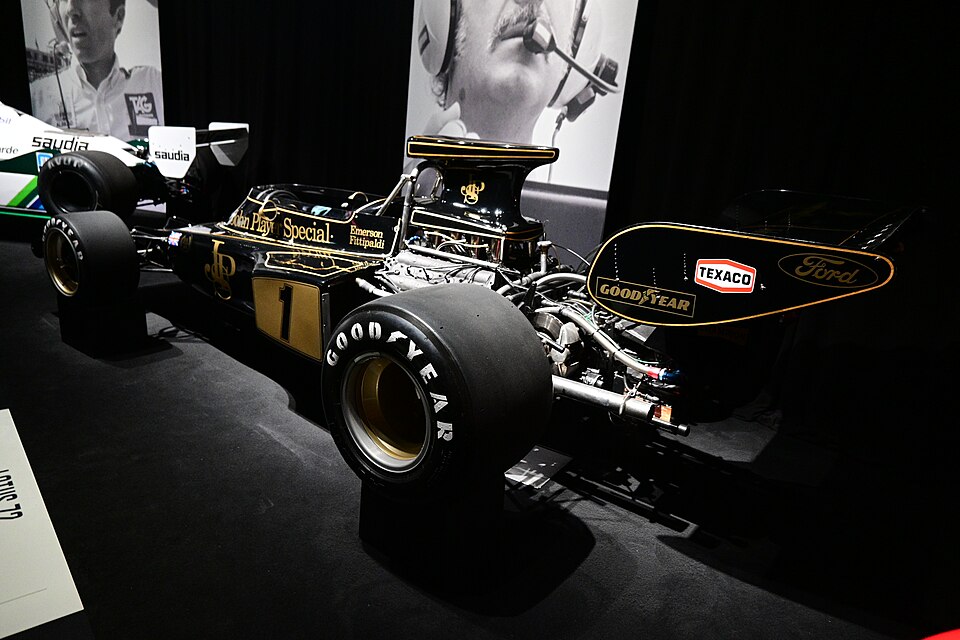
Downforce: The Key to Cornering Grip
Downforce is the downward pressure that pushes a Formula 1 car onto the track surface, dramatically increasing tire grip and allowing much higher cornering speeds. It is generated by aerodynamic surfaces like the front and rear wings and the diffuser, which create a low-pressure zone above the car and high pressure below. This downward force can exceed the car’s weight, producing lateral forces of over 5g in high-speed corners—meaning the driver experiences forces five times their body weight.
However, generating downforce inevitably increases drag, creating a critical engineering trade-off. For circuits with many high-speed turns, teams prioritize downforce; for power circuits with long straights, they reduce it.
The 2026 technical regulations address this balance by reducing overall downforce levels by 15-40% across the grid. This change aims to make cars less sensitive to dirty air, allowing closer following and more overtaking, while still maintaining sufficient grip through active aerodynamic systems that can adapt during a race.
Drag: The Speed Limiter on Straights
Drag is the aerodynamic resistance that opposes a car’s forward motion, becoming most significant on long straights where it limits top speed. It increases with the square of velocity, so at Formula 1 speeds—often exceeding 300 km/h—drag forces are enormous. More downforce typically means more drag, forcing teams to find the optimal balance for each circuit.
For example, Monaco’s tight corners demand high downforce despite the drag penalty, while Monza’s long straights favor low-drag setups. The 2026 aerodynamic overhaul specifically targets drag reduction through simpler front wing designs and the removal of the beam wing, cleaning up airflow. Most importantly, active aerodynamics give drivers control: they can activate X-mode on straights to minimize drag, then switch back to Z-mode for cornering.
This flexibility helps maintain high average speeds without sacrificing raceability, a key goal of the latest regulations. Teams also adjust setups based on tire compound strategies that affect grip levels and drag requirements.
How Key Aerodynamic Components Generate Downforce and Reduce Drag
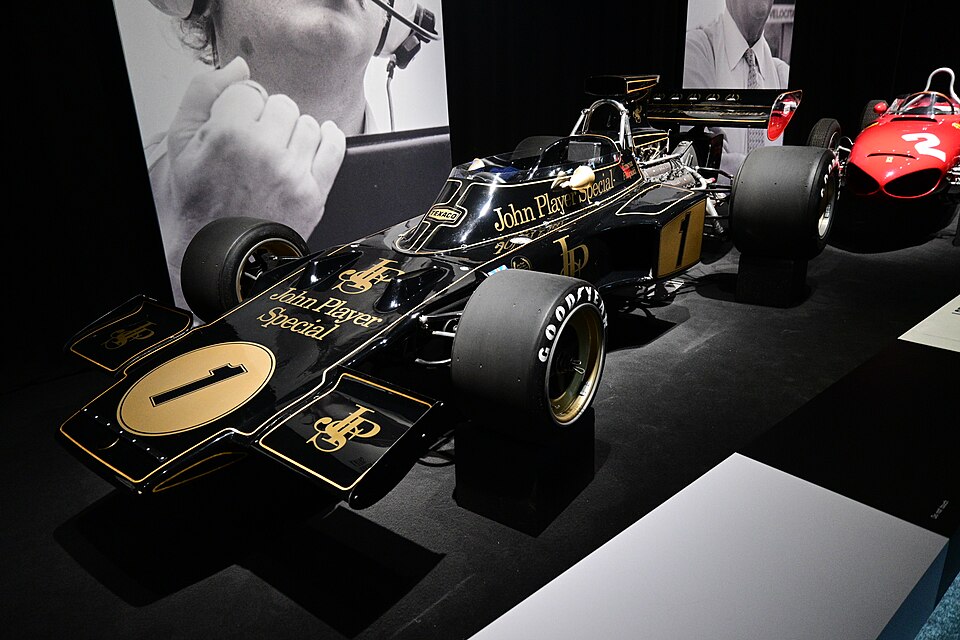
Front and Rear Wings: Shaping Airflow and Downforce
Front wing and rear wing are the primary downforce generators, each with distinct functions that together manage the car’s aerodynamic balance.
- Downforce via Angle of Attack: Wings are angled to deflect air downward, creating a low-pressure zone above and high pressure below, which pushes the car onto the track.
- Front Wing Role: Manages airflow to the rest of the car, generating local downforce and directing air around the sidepods toward the diffuser.
- Rear Wing Role: Provides the majority of downforce; in 2026 it features active elements with three positions for Z-mode (maximum downforce) and X-mode (minimum drag).
- 2026 Changes: Front wings are narrower, reducing their downforce contribution; the lower beam wing is removed entirely for cleaner, simpler airflow.
- Active Aero Modes: Drivers can manually toggle between Z-mode and X-mode via steering wheel controls, adapting to track conditions in real time. These systems are integrated with the 2026 hybrid power unit architecture to manage energy deployment efficiently.
Diffusers and Bargeboards: Underbody and Sidepod Airflow Management
Under the car, the diffuser and sidepod devices accelerate airflow and manage turbulence to enhance downforce efficiency.
- Diffuser Acceleration: The diffuser expands the airflow passage at the rear underbody, accelerating the air and creating a low-pressure zone that effectively sucks the car downward.
- Bargeboard Airflow Cleaning: These vertical fins intercept turbulent air from the front tires and guide it smoothly to the diffuser and floor, increasing downforce.
- 2026 Evolution: Traditional bargeboards were banned in 2022; 2026 cars use integrated sidepod vortex generators and floor edge devices to achieve similar airflow management without complex appendages.
- Smaller Diffuser: The 2026 diffuser is revised to be smaller, reducing overall downforce levels and lessening dirty air for following cars.
- Integrated Design: The combination of these features simplifies the aerodynamic concept while still allowing significant downforce through active systems.
Sarah Moore’s Impact: Diversity, Coaching, and the Future of F1
Who is the LGBTQ driver in F1? Sarah Moore’s historic podium and advocacy
Sarah Moore made history in 2021 as the first openly LGBTQ+ driver to stand on a podium during a Formula One Grand Prix weekend, finishing second in a W Series support race. This milestone highlighted the importance of representation in motorsport. As an ambassador for Racing Pride, Moore actively promotes LGBTQ+ inclusion, working to create a more welcoming environment for all participants.
Her advocacy extends to her role as a driver coach for the More Than Equal program, launched in 2024 to develop young female racing talent alongside figures like Jordan King and David Coulthard. Moore’s career—from winning the 2009 Ginetta Junior Championship to competing in the W Series from 2019 to 2022—demonstrates her commitment to breaking barriers. She believes visibility and mentorship are key to diversifying F1, and her work with More Than Equal provides practical engineering and mental training to help the next generation reach the highest levels of the sport.
Are Toto Wolff and his wife still together? F1’s inclusive ecosystem and support networks
Yes, Toto Wolff and Susie Wolff remain married since 2011, living in Monaco. Susie Wolff, a former racing driver, serves as managing director of F1 Academy, the all-female single-seater series launched in 2023 to nurture female talent. Their partnership exemplifies how F1’s leadership supports diversity initiatives.
The Wolffs’ influence extends to programs like More Than Equal, where Sarah Moore works as a driver coach, helping young women develop the skills needed for professional racing. This interconnected network—from F1 Academy to More Than Equal and Racing Pride—shows a growing commitment to inclusion across the sport.
Such collaborations provide clear pathways for underrepresented groups, from karting to Formula 1, and signal a shift toward a more diverse and equitable future for motorsport. Moore now shares her expertise through coaching programs at professional racing, helping young drivers understand both the technical and mental demands of the sport.
One surprising insight is how 2026’s active aerodynamics give drivers direct control over the downforce-drag balance, a radical shift from previous static setups. This puts the driver’s skill and judgment at the heart of performance optimization. For readers inspired by Sarah Moore’s journey, the most actionable step is to explore the coaching programs at More Than Equal (sarahmooreracing.com/professional-racing), which offer engineering insights and mental training for aspiring racers.
Understanding these aerodynamic principles—whether you’re a fan, student, or future engineer—opens the door to appreciating the science behind F1’s thrilling speed and the inclusive community driving its future. The 2026 changes also aim to reduce the ‘dirty air’ problem that makes following cars difficult, a challenge addressed by the sprint race format which promotes closer competition. For more on how F1’s technical and financial frameworks shape the sport, explore the budget cap guidelines.
