

NASCAR employs four distinct qualifying formats in 2026, each specifically designed for different track types: ovals over 1.022 miles use single-car, one-lap sessions; short tracks under 1.022 miles use a best-of-two-lap format; superspeedways implement a two-round, one-lap system; and road courses feature group qualifying with multiple cars on track for 20 minutes. These variations balance safety, competition, and efficiency across the diverse track types on the NASCAR circuit.
- NASCAR uses four distinct qualifying formats in 2026, each tailored to track type and size.
- Groups for qualifying are determined by a weighted formula: owner standings (35%), previous race driver finish (25%), previous race car owner finish (25%), and fastest lap time (15%).
- Qualifying is open to all drivers; eligibility is based on performance metrics, not gender or other demographics.
NASCAR Qualifying Formats by Track Type in 2026
Track Type Comparison: Formats for Ovals, Short Tracks, Superspeedways, and Road Courses
| Track Type | Track Length | Qualifying Format | Number of Rounds | Key Details |
|---|---|---|---|---|
| Ovals (Non-Superspeedway) | > 1.022 miles | Single-car, one-lap session | 1 round | Each car takes one timed lap alone; fastest time sets position |
| Short Tracks | < 1.022 miles | Single-car, two-lap session (best lap counts) | 1 round | Drivers complete two laps; fastest of the two counts; allows warm-up lap |
| Superspeedways | Daytona/Talladega/Atlanta | One-lap, two-round format | 2 rounds | Round 1: all cars take one lap; top 10 fastest advance to Round 2 for top 10 positions |
| Road Courses | Watkins Glen, Sonoma | Group qualifying | 1 session | Multiple cars (5-6) on track simultaneously for 20 minutes; fastest lap sets position |
The different formats exist primarily due to track characteristics and logistical needs. Superspeedways require the two-round system to create excitement for the front row while managing the high speeds and drafting packs that make single-car runs less meaningful. Road courses use group qualifying because the longer lap times and limited track time make single-car sessions inefficient; the group format allows more drivers to complete meaningful laps within a reasonable timeframe.
Short tracks use two laps to give drivers a warm-up lap, as the tight confines make a single-lap mistake more costly. Standard ovals maintain the traditional single-car, one-lap format as it provides a pure speed test without drafting complications.
All formats share the same ultimate goal: to determine starting positions through a combination of driver skill, car performance, and strategy while balancing the need for television entertainment and operational efficiency.
Short Tracks Under 1.022 Miles: Best of Two Lap Times
At short tracks like Martinsville Speedway (0.526 miles) and Bristol Motor Speedway (0.533 miles), NASCAR uses a single-car format where each driver completes two laps alone, with only the fastest of the two laps counting toward qualifying position. The procedure allows drivers to take a warm-up lap to get tires up to temperature and scrub off any debris before their official timed lap. This two-lap approach reduces the impact of a single mistake or traffic issue, as drivers have a second chance to post a competitive time.
The format remains single-car rather than group qualifying because the tight track dimensions and close proximity of walls make drafting or pack racing during qualifying dangerous and unpredictable. The result is a pure speed test that rewards consistency and the ability to quickly adapt to track conditions.
Superspeedways: Two-Round Format Determines Top 10
Daytona International Speedway, Talladega Superspeedway, and Atlanta Motor Speedway use a unique two-round qualifying format specifically designed for superspeedways. In the first round, all cars take a single timed lap. The ten fastest drivers from that round then advance to a final round where they each take another single lap to determine the top ten starting positions.
The remaining field (positions 11 onwards) is set based on the first-round times. This format creates heightened excitement for the front row and pole position while acknowledging that superspeedway racing heavily involves drafting.
The two-round system ensures the fastest cars in isolation earn the best starting spots, but the single-lap nature prevents teams from using drafting tricks that would distort pure speed measurement. The format also provides compelling television content with the final round featuring only the top contenders.
Road Courses: Group Qualifying with 20-Minute Sessions
Road courses such as Watkins Glen International and Sonoma Raceway employ group qualifying, where multiple cars (typically 5-6) are on track simultaneously for a 20-minute session. Drivers complete as many laps as possible within that timeframe, and their fastest single lap determines their qualifying position. This format resembles Formula 1’s qualifying structure and is necessary because road course lap times are longer (often 1-2 minutes), making single-car sessions too time-consuming for a full field.
The group format allows more drivers to post competitive times within a manageable window. However, it introduces elements of traffic management, drafting, sometimes blocking, as drivers navigate slower cars and attempt to get clear air.
NASCAR officials monitor the sessions closely to prevent dangerous driving or deliberate impediment. The fastest lap, regardless of when it’s set during the 20 minutes, counts toward grid position.
How NASCAR Determines Qualifying Groups in 2026
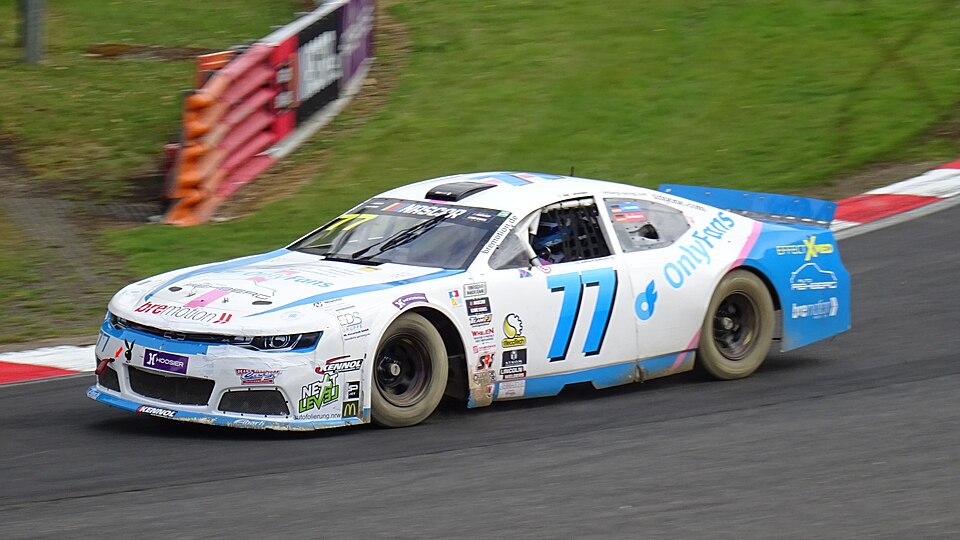
Owner Standings Account for 35% of Group Selection
The group selection formula for NASCAR qualifying in 2026 allocates:
- Owner standings: 35%
- Previous race driver finish: 25%
- Previous race car owner finish: 25%
- Fastest lap time in previous race: 15%
Owner standings carry the highest weight at 35%, meaning teams with consistent performance over the season benefit in group placement. The metric favors organizations that have accumulated points through strong finishes across multiple races, not just recent results. This weighting encourages overall competitiveness and rewards teams that maintain high performance throughout the season.
The calculation uses the current season’s owner points standings to split the field into two groups for qualifying sessions where group format applies (primarily road courses). The top half of owners based on points typically comprises Group A, while the lower half comprises Group B, though the exact split may vary by track and specific event rules.
Previous Race Finishes: Driver and Owner Results at 25% Each
The previous race’s finishing positions contribute 25% each for the driver and the car owner, creating a 50% combined weight on recent performance. This dual metric accounts for both the driver’s individual result and the team’s overall performance with that car number. For example, if a driver finishes 5th in the previous race and the car owner (team) had their best result with that car at 3rd place, both figures feed into the group selection calculation.
This rewards teams that show immediate form while also considering the team’s broader operational consistency. The 25% weight each means these results significantly influence group assignment but do not dominate the calculation, leaving room for season-long performance and raw speed factors.
Fastest Lap Time: The 15% Performance Factor
The fastest lap time recorded during the previous race counts for 15% of the group selection metric. This element rewards pure speed even if a driver or team experienced a poor finish due to mechanical issues, NASCAR pit stop strategies, or incidents. A driver who set the fastest lap but finished 20th due to a late crash still gains qualifying advantage from that speed demonstration.
This factor ensures that cars with high ultimate pace but inconsistent results receive some recognition in group placement. The 15% weight is substantial enough to matter but not so high that it overwhelms actual finishing positions. This component particularly benefits teams that show strong race pace but struggle with reliability or strategy execution, giving them a slightly better qualifying group as compensation for their speed potential.
Is NASCAR Qualifying Gender-Separated?
No. NASCAR qualifying is not separated by gender or any demographic category. All drivers compete together in the same qualifying sessions based solely on their performance metrics and the group selection formula.
Eligibility to participate in qualifying depends on holding a valid NASCAR license and being entered in the event, not on gender, race, or any other characteristic. The group assignment system uses objective data—owner standings, previous race finishes, and fastest lap times—to determine which group a driver qualifies in. This merit-based approach applies equally to all drivers.
NASCAR has featured female drivers throughout its history, including notable names like Danica Patrick and Katherine Legge, who qualified and raced alongside male competitors without separate categories. The sport’s structure treats all drivers as professionals competing under the same rules.
British Female Drivers in NASCAR: Katherine Legge
Katherine Anne Legge, born July 12, 1980, is a British professional racing driver who has competed in NASCAR’s Xfinity Series and Cup Series. Legge’s career spans multiple top-level motorsport disciplines, including IndyCar Series and IMSA SportsCar Championship, making her one of the most versatile British female drivers in American racing. She first competed in NASCAR’s national series in 2013 and has made occasional starts since then, often with smaller teams or as a road course specialist.
Legge represents the pathway for international drivers to enter NASCAR, bringing experience from open-wheel and sports car racing. While she has not achieved regular full-time competition in NASCAR’s top series, her participation demonstrates that British female drivers can and do compete at NASCAR’s highest levels when opportunities arise.
The surprising insight about NASCAR qualifying in 2026 is that owner standings carry more weight (35%) than a driver’s previous race finish (25%) or even the combined previous race results of driver and owner (50% total). This means a team’s entire season performance influences qualifying groups more than any single race’s outcome, which can disadvantage new teams or those with limited schedules. To see these formats in action, visit NASCAR.com’s qualifying page to watch live sessions and observe how the group selection formula plays out at upcoming races across different track types.
Frequently Asked Questions About NASCAR Qualifying Formats Across Tracks
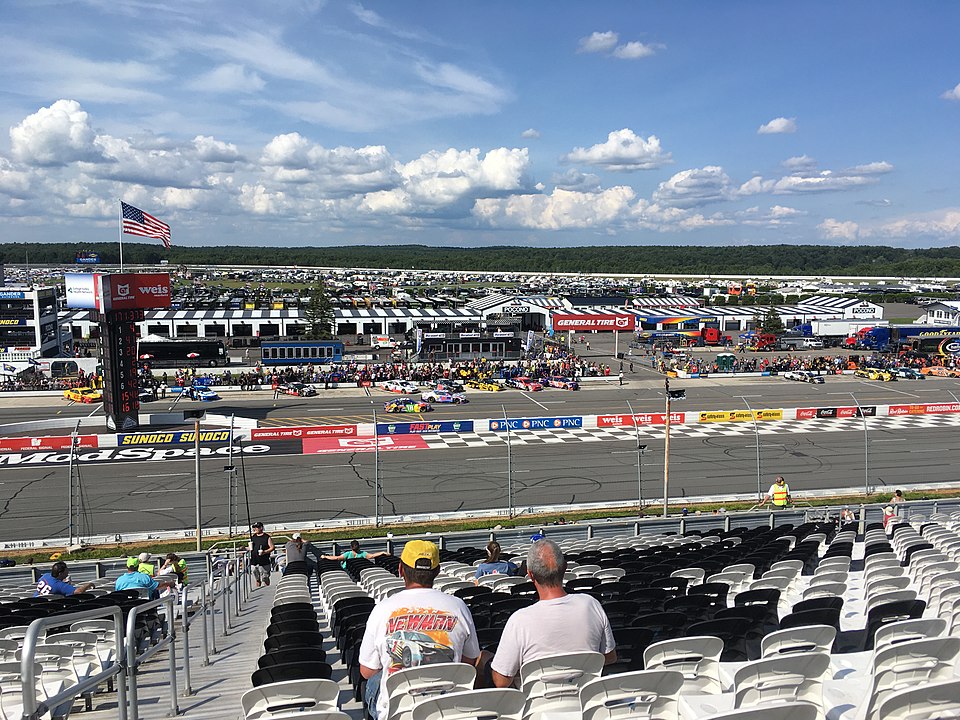
What is the NASCAR qualifying format for ovals longer than 1
Single-car, one-lap session with 1 round. Each car takes one timed lap alone; fastest time sets position.
How does NASCAR qualifying work on short tracks under 1.022 miles?
Single-car, two-lap session (best lap counts) with 1 round. Drivers complete two laps; fastest of the two counts; allows warm-up lap.
What is the superspeedway qualifying format for Daytona, Talladega, and Atlanta?
One-lap, two-round format with 2 rounds. Round 1: all cars take one lap; top 10 fastest advance to Round 2 for top 10 positions.
