
NASCAR pit crews consist of exactly five over-the-wall members who execute pit stops in under 10 seconds through precise synchronization. These specialized athletes perform lightning-fast tire changes and refueling, with each position playing a critical role in the team’s success. The coordination required is immense, as all five members must act simultaneously rather than sequentially.
This synchronized effort, combined with rigorous training, allows top crews to complete stops in as little as 9 seconds. Understanding the responsibilities of the jackman, tire changers, carriers, and fueler reveals how NASCAR achieves such remarkable efficiency in professional racing.
- NASCAR pit crews consist of exactly five over-the-wall members who perform all work during a pit stop.
- Top-tier pit stops complete four tire changes and refueling in under 10 seconds through perfect synchronization.
- Pit crew members train 4-5 days per week with specialized drills mimicking the 10-12 second burst of activity.
The Five Core Pit Crew Positions
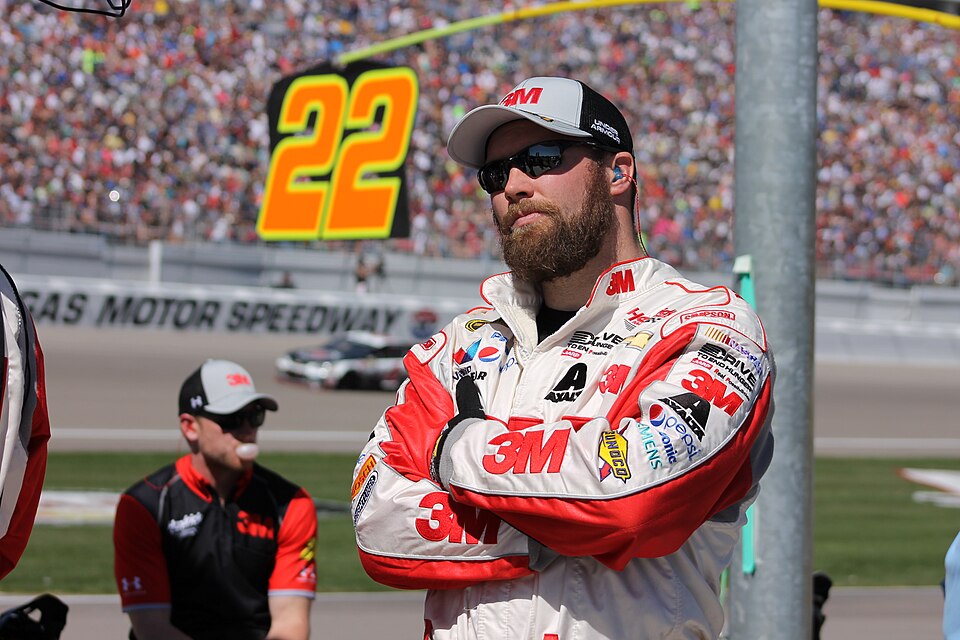
The Jackman: Lifting a 3,400-lb Car with a 35-lb Jack
The jackman operates the heavy-duty jack that lifts one side of the car. This critical piece of equipment weighs only 35 pounds but must raise a 3,400-pound vehicle in a single, rapid motion. The jackman uses a single-pump technique, which requires explosive strength to lift the car high enough for tire changes.
Once the car is elevated, the jackman assists in swapping tires if needed and signals the driver when it is safe to drop the car. This role demands precise timing and power, as any delay affects the entire pit stop duration. The jackman’s action is the first physical step in the stop and must be executed flawlessly to allow the tire changers to work efficiently.
Tire Changers: Pneumatic Air Guns and Single Lug Nuts
- Pneumatic Air Wrench Operation: Tire changers use pneumatic air wrenches to remove and tighten the single lug nut on each wheel, completing the task in seconds.
- Single Lug Nut Configuration: NASCAR’s single-lug-nut system simplifies the process compared to multi-lug-nut designs, but requires flawless execution to ensure wheel safety.
Tire changers are responsible for removing the old tire and securing the new one.
Front and rear tire changers work simultaneously on opposite sides of the car, each focusing on their assigned wheels. Their speed is crucial, as they must complete both lug nut removal and tightening within the tight timeframe. The pneumatic guns are calibrated for quick operation, and changers practice extensively to develop muscle memory.
They must also inspect the wheel studs and ensure proper torque, all while wearing fire-retardant gear in a high-stress environment. The single lug nut design is a NASCAR-specific feature that differentiates it from many other racing series.
Tire Carriers and Fueler: Complementary Roles
- Tire Carrier Duties: Responsible for bringing new tires over the wall and helping secure the car, while also clearing away old tires to keep the pit box organized.
- Fueler’s High-Pressure Refueling: Operates the fuel can to fill the car with gasoline (up to 20 gallons) and often clears debris from the windshield during the stop.
Tire carriers have a dual responsibility: they bring new tires over the wall and help secure the car, while also clearing away old tires.
They must be strong enough to handle the heavy tires (each weighs about 40 pounds) and quick on their feet to avoid collisions. The fueler operates the high-pressure fuel can to fill the car with gasoline, typically up to 20 gallons during a stop. This job requires shoulder endurance to hold the nozzle steady for the entire refueling period.
Additionally, fuelers often clear debris from the driver’s windshield, adding another task to their demanding role. The tire carriers’ overhead lifts and quick movements are essential for maintaining a smooth workflow, while the fueler’s steady hand prevents spills and ensures accurate fuel delivery.
How Pit Stops Execute in Under 10 Seconds
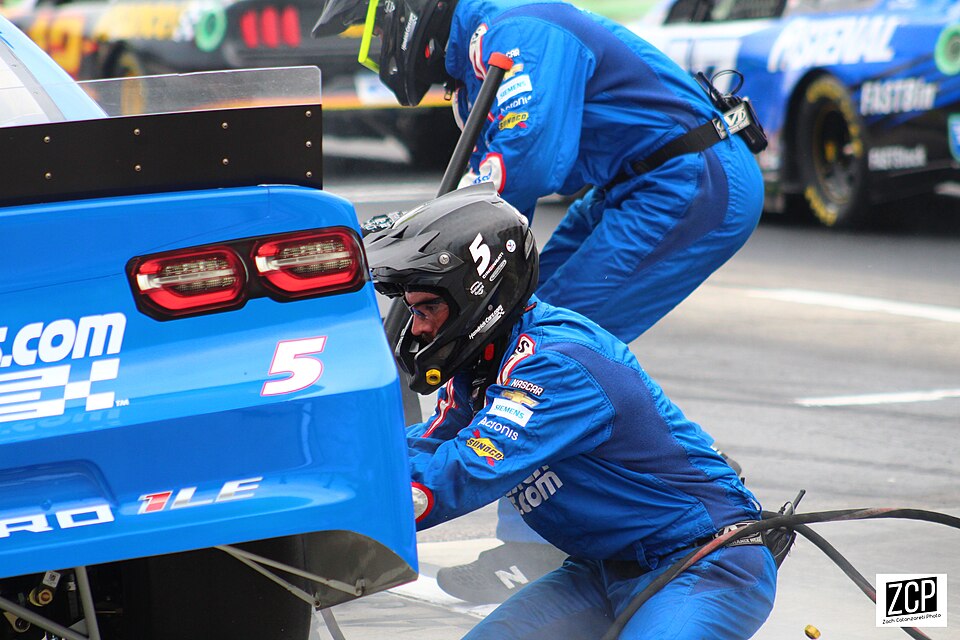
Synchronized Efforts: The Key to Lightning-Fast Stops
Pit stops require synchronized efforts from all five members, who coordinate their actions simultaneously rather than sequentially. As soon as the car enters the pit box, the jackman begins lifting, tire changers start on the lug nuts, tire carriers move into position with new tires, and the fueler prepares the nozzle. Each member’s action overlaps with others’, creating a choreographed sequence that maximizes efficiency.
Top crews aim for times under 9 seconds, and any misalignment can add precious tenths of a second. This teamwork is more important than individual speed; a perfectly synchronized average crew will outperform a group of faster individuals who are out of sync. The synchronized nature of pit stops is what makes them so remarkably fast.
Step-by-Step: A Typical Pit Stop Sequence
- Car enters pit box, driver kills engine.
- Jackman lifts car with single pump.
- Tire changers remove lug nuts and old tires.
- Tire carriers bring new tires and remove old ones.
- Fueler begins refueling.
- All members signal completion, driver restarts and exits.
Throughout this process, crew members perform safety checks: ensuring no tools are left under the car, verifying that all lug nuts are tight, and confirming the fuel nozzle is disconnected. The driver also checks mirrors for a clear path before accelerating out. The entire sequence, from stop to exit, is designed to be as efficient as possible, with each member’s role clearly defined and practiced to perfection.
The choreography is so precise that crews can achieve sub-10-second stops consistently, a testament to their training and coordination. For a deeper analysis of how teams optimize these strategies, see NASCAR pit stop strategies.
The Rigorous Training Behind the Speed
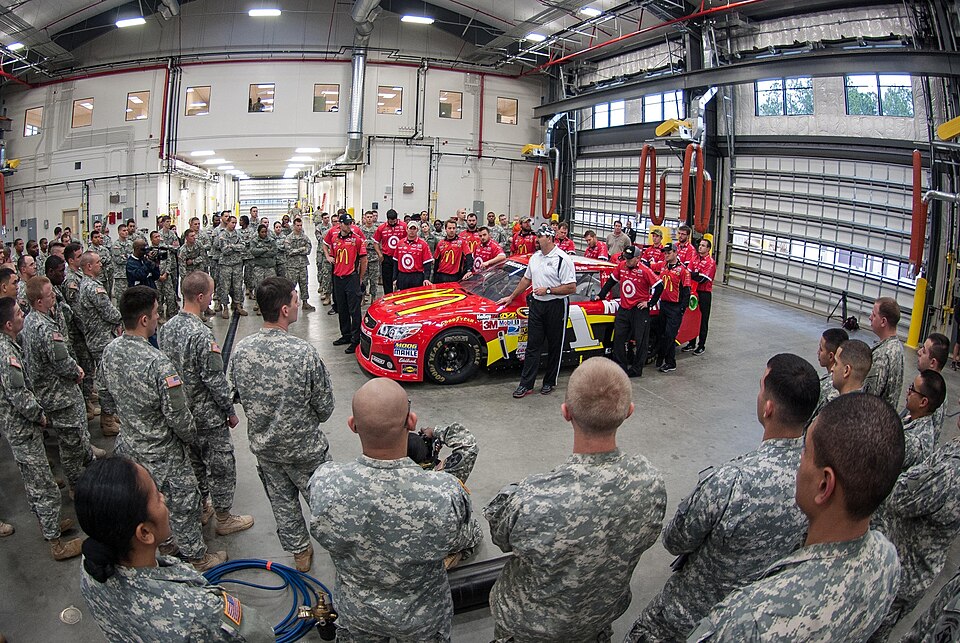
2026 Training Regimen: 4-5 Days Weekly Routine
Pit crew members follow a demanding training schedule of 4-5 days per week, combining heavy lifting, metabolic conditioning, and specialized mobility work. The focus is on explosive movement—plyometrics, box jumps, and sprint drills—to mimic the 10-12 second burst of activity during a pit stop. A significant trend in 2025 and 2026 is heat acclimation, where athletes train in heated environments to manage the high heart rates experienced while wearing fire-retardant gear.
This comprehensive approach builds the strength, endurance, and resilience needed to perform under pressure. Training programs are often developed with sports scientists to optimize performance and reduce injury risk. The physical demands are comparable to those in other high-performance motorsports, such as the strength needed for Formula 1 power unit technology governed by Formula 1 technical regulations for 2026.
Position-Specific Drills and Conditioning
| Position | Primary Training Focus | Key Drills |
|---|---|---|
| Jackman | Explosive one-pump movement | Single-pump jack lifts, box jumps, plyometrics |
| Tire Changers | Fast-paced gun drills | Repeated air gun operation, lug nut simulation |
| Tire Carriers | Overhead strength | Plate lifts, overhead presses, tire tossing |
| Fueler | Shoulder endurance | Sustained weight holding, core stability exercises |
These drills replicate the exact movements needed during a pit stop, building muscle memory and reducing fatigue. For example, tire carriers practice overhead plate lifts to simulate tossing tires over the wall, while changers perform rapid-fire gun drills to shorten their reaction times. Jackmen focus on generating maximum power in a single motion, and fuelers develop the stamina to hold heavy nozzles steady for extended periods.
The position-specific approach ensures that each crew member is optimally prepared for their unique responsibilities. The investment in such training is significant, with teams navigating budget caps that affect resource allocation across the organization.
The most surprising aspect of NASCAR pit crews is the complete synchronization—all five members act simultaneously, not sequentially. This requires immense practice and trust, as each person’s timing depends on the others. For anyone interested in professional racing, observing a live pit stop is breathtaking.
To learn more about the strategies behind these stops, explore detailed guides on pit stop tactics. Additionally, understanding how tire compound strategy and sprint race formats influence race planning can enhance your appreciation of the sport. Take action today: watch a NASCAR race and focus on the pit crew during a stop to witness this incredible teamwork in action.
