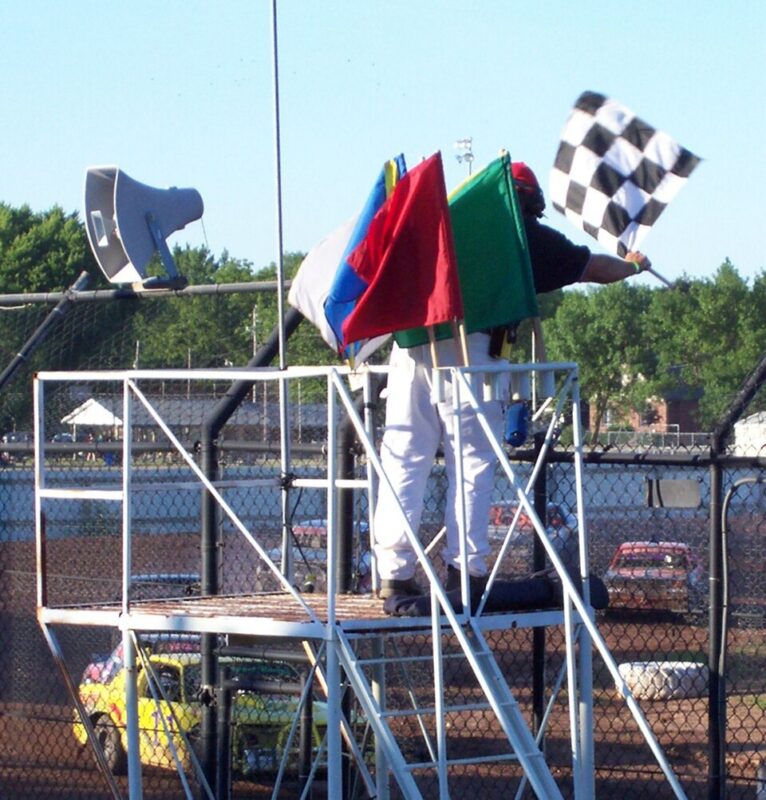
Racing flags serve as the universal visual language of motorsport, conveying vital track information to drivers through standardized signals. In 2026, the FIA defines 11 core racing flags, each with specific meanings and required driver actions to maintain safety and fair competition.
Misinterpreting these flags can result in penalties, accidents, or disqualification. For drivers pursuing professional racing, understanding flags is fundamental to success and safety on track.
- The FIA standardizes 11 core racing flags, each with distinct meanings and required driver actions (Source: FIA 2026 regulations).
- Flag violations incur strict penalties: 12 penalty points in 12 months result in a race ban, and ignoring blue flags three times triggers an automatic drive-through (Source: FIA 2026 Regs).
- Modern racing integrates digital light panels and in-car displays alongside traditional flags for enhanced track communication (Source: Formula 1 2026 technical standards).
What Are Racing Flags and Signals?
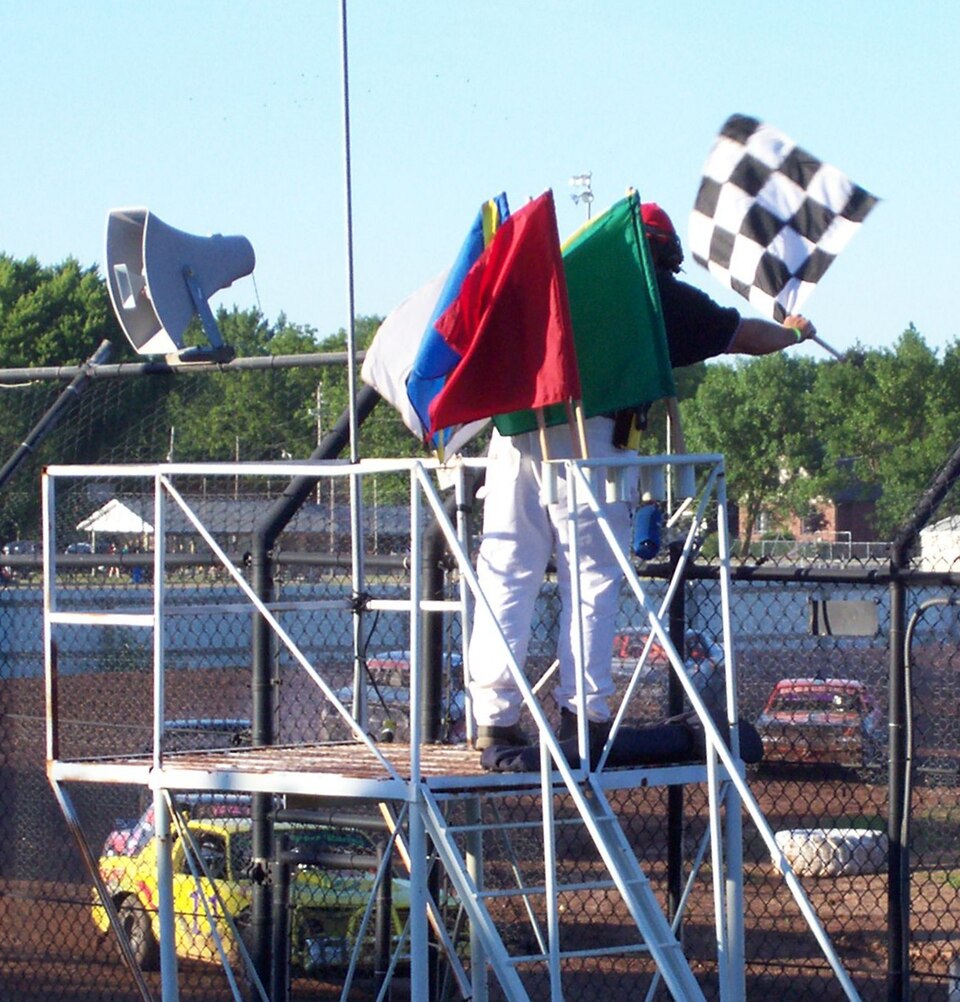
The 11 Standard FIA Racing Flags: Meanings and Visual Guide
| Flag Color/Pattern | Visual Description | Official Meaning | Required Driver Action |
|---|---|---|---|
| Green | Solid green flag | Start or resume racing | Accelerate to race pace; passing allowed |
| Yellow | Solid yellow flag | Caution: hazard on track | Reduce speed; no passing. If waved, prepare to stop immediately |
| Red | Solid red flag | Stop immediately | Slow down, proceed to pits or designated area; race halted |
| Blue | Solid blue flag | Faster car approaching | Yield to faster car within one lap; no defensive moves |
| Checkered | Black and white squares | Race end | Cross finish line; gradually slow down |
| White | White flag | Slow vehicle ahead (e.g., ambulance) | Exercise caution; do not pass unless instructed |
| Black | Black flag | Disqualification or pit for violation | Proceed to pits immediately; serve penalty or DQ |
| Black/White | Black flag with white cross | Unsportsmanlike behavior warning | No immediate action; avoid further infractions |
| Yellow/Red Striped | Yellow and red vertical stripes | Slippery track or debris | Reduce speed drastically due to hazardous surface |
| Black/Orange | Black flag with orange circle | Mechanical issue requiring attention | Proceed to pits for inspection/repair |
| Blue and White Checkered | Blue and white checkered pattern | End of practice or qualifying session | Return to pits; session concluded |
The Yellow/Red Striped flag is frequently mistaken for a standard yellow caution flag, but it specifically indicates a slippery track surface due to oil, water, or debris. Drivers must reduce speed significantly more than under a yellow flag to avoid loss of control. The Black/Orange flag, often called the “meatball Flag,” signals a mechanical problem that could endanger the driver or others.
Ignoring this flag leads to immediate disqualification, as safety takes precedence over race continuity. These specialty flags are critical for hazard communication but are often misunderstood by less experienced drivers.
Flag Conditions: Stationary vs. Waving and Double Yellow Protocols
In motorsport, the manner in which a flag is displayed changes its meaning dramatically. A stationary flag indicates a general caution or condition, while a waving flag signals an immediate danger requiring urgent action. For example, a stationary yellow flag warns of a hazard somewhere on the track, but a waved yellow flag means the danger is directly ahead and drivers must be prepared to stop instantly.
The double yellow flag protocol mandates a full-course yellow: all drivers must slow down, maintain no passing, and be ready to halt if necessary. According to FIA standards, a single stationary yellow flag requires drivers to reduce speed to approximately 70% of their normal track pace (Source: racelucky.com PDF).
In contrast, a waved yellow flag, as emphasized by Hendrick Motorsports in 2026, means drivers must prepare to stop immediately, often by reducing speed even further and staying alert for marshals or stopped vehicles. This distinction is crucial; many penalties arise from drivers treating a waved yellow as merely a stationary caution.
Driver Response Protocols: How to React to Each Flag on Track
- Green flag: Accelerate to racing speed; passing allowed. No restrictions.
-
Yellow flag: Reduce speed substantially; no overtaking.
If waved, be prepared to stop immediately.
- Red flag: Slow down carefully, proceed directly to the pits or designated safe area. Racing is halted.
- Blue flag: Yield to the faster car attempting to overtake within one lap. Avoid defensive maneuvers.
- Checkered flag: Cross the finish line to complete the race; gradually slow down afterward.
- White flag: Exercise extreme caution due to a slow vehicle ahead (e.g., ambulance, tow truck). Do not pass unless instructed.
- Black flag: Proceed to the pits without delay to serve a penalty or address a disqualification.
- Black/White flag: This is a warning for unsportsmanlike conduct; no immediate action required, but further infractions will result in a black flag.
- Yellow/Red Striped flag: Reduce speed drastically due to slippery conditions (oil, water, debris). Treat as high-risk.
- Black/Orange flag: Immediately head to the pits for mechanical inspection or repair; continuing on track risks disqualification.
- Blue and White Checkered flag: Indicates the end of a practice or qualifying session; return to the pits promptly.
Incorrect responses to any flag can lead to penalties, as outlined in the next section. Drivers must internalize these protocols through repeated practice and simulation to ensure instant, correct reactions during high-stress race conditions.
Penalties for Flag Violations: Time Additions, Drive-Throughs, and Race Bans
The FIA enforces a strict penalty system for flag violations to ensure driver compliance. Under the 2026 regulations, drivers accumulate penalty points for infractions; reaching 12 points within a 12-month period results in an automatic race ban (Source: FIA 2026 Regs, mintlify.com/TracingInsights). Common penalties include time additions of 5 to 10 seconds to the race duration, drive-through penalties (driving through the pit lane at a minimum speed without stopping), and stop-go penalties (entering the pits, stopping, and then rejoining).
A specific rule targets blue flag violations: ignoring three blue flags in a race triggers an automatic drive-through penalty, as noted in F1 and iRacing forums (Source: F1, redbull.com 2023). These penalties are designed to promote respect for flag signals and enhance safety for all participants. Teams often strategize around potential flag-related penalties, especially under the Formula 1 budget cap, where financial fair play considerations make avoiding sanctions even more critical.
Racing Flag Variations: Series Differences and Digital Technology
NASCAR vs. FIA: Key Differences in Flag Rules and Procedures
| Flag/Procedure | FIA Meaning | NASCAR Meaning |
|---|---|---|
| Black flag | Disqualification or pit for violation | Not used; black flag with white cross indicates disqualification |
| Black/White flag | Unsportsmanlike warning | Not used |
| Yellow/Red Striped flag | Slippery track/debris | Not used; yellow flag covers general caution |
| Blue flag | Yield to faster car | Used to indicate a car is about to be lapped, but often a light rather than a flag |
| Finish procedure | Checkered flag ends race | Green-White-Checkered finish for overtime |
| Special session flag | Blue and White Checkered for session end | No equivalent |
Note: Some flags have identical meanings but may differ visually; however, the core differences lie in the black flag usage and the overtime finish procedure. NASCAR’s pit stop strategies often adapt to these flag variations, especially during Green-White-Checkered finishes.
Digital Flag Systems: Light Panels and In-Car Displays in Modern Racing
Modern motorsport increasingly integrates digital technology to augment traditional flag signals. In Formula 1, digital light panels are installed around the circuit, displaying flag colors and messages to supplement marshals’ visibility. These panels ensure drivers receive clear signals even in poor weather or at high-speed sections where physical flags might be hard to see.
Additionally, steering wheel displays in contemporary F1 cars provide real-time flag alerts directly to the driver, reducing reliance on visual scanning. According to Formula 1 technical standards from 2026, these systems are becoming mandatory in top-tier series, though traditional flags remain the primary communication method.
This hybrid approach enhances safety by providing redundant signaling channels. The integration of digital systems also aligns with advancements in Formula 1 power unit technology, where data streams support multiple vehicle functions.
The Green-White-Checkered Finish: Understanding NASCAR’s Overtime Rule
- When invoked: The rule is applied when the scheduled race distance ends under caution (yellow flag), ensuring a green-flag finish for spectators.
- Sequence: The race restarts with a green flag, then the white flag signals the final lap, and finally the checkered flag marks the finish.
- Implications: Drivers must be prepared for a sudden shift from caution to full racing, often leading to intense last-lap battles and strategic pit decisions.
- 2026 updates: NASCAR may limit the number of overtime attempts to prevent excessive race extensions and manage safety risks, typically allowing one or two attempts before ending under caution.
This procedure adds excitement but requires drivers to remain alert for rapid flag changes, especially in the final moments of a race. Series like Formula 1, with its sprint race format, have different finish protocols, highlighting the importance of understanding series-specific rules.
Many drivers underestimate the critical difference between a stationary yellow flag (requiring a 70% speed reduction) and a waved yellow flag (demanding immediate stopping preparation). This misunderstanding frequently causes avoidable penalties, especially in high-pressure situations. To build accurate reflexes, practice flag recognition in sim racing platforms, focusing on rapid, correct responses to waved yellows and blue flags.
Consistent training helps embed proper reactions, reducing errors on real tracks. For a deeper dive into professional racing standards, explore the comprehensive professional racing guide. Additionally, reviewing Formula 1 technical regulations clarifies how flag protocols integrate with broader sport governance.
Understanding tire compound strategy also aids in interpreting slippery track flags. For NASCAR-specific tactics, consult NASCAR pit stop strategies.
The interplay between flag rules and sprint race formats or budget cap considerations further demonstrates the complexity of modern motorsport management. Finally, advancements in power unit technology support the digital flag systems that are reshaping driver communication.
