
Oxford Brookes University is the top-ranked undergraduate motorsport engineering program in the UK for 2026, with a proven track record of placing graduates in professional racing roles at Formula 1 teams (grandprix247.com, Jun 2025). Its location in Motorsport Valley gives students direct access to F1 team partnerships and hands-on curriculum. This guide ranks the best worldwide universities based on facilities, industry ties, and career outcomes for aspiring motorsport engineers.
- UK universities lead globally due to Motorsport Valley’s proximity to F1 teams, with Oxford Brookes and Cranfield setting the standard.
- Top programs combine wind tunnels, CFD labs, and Formula Student competitions for hands-on learning.
- Industry internships and direct pipelines to F1 and NASCAR teams are critical for graduate employability.
Top Motorsport Engineering Universities: The 2026 Global Rankings
The Top 10: Oxford Brookes, Cranfield, and International Leaders
| University | Country | Key Strength | Notable Fact |
|---|---|---|---|
| Oxford Brookes University | UK | F1 placements | Top-ranked undergraduate program with strong F1 graduate pipeline (grandprix247.com, Jun 2025) |
| Cranfield University | UK | World-class facilities | MSc program includes advanced simulators and dedicated motorsport labs (cranfield.ac.uk, 2026) |
| University of Hertfordshire | UK | Motorsport Valley location | Part of the UK’s F1 talent cluster with direct industry access |
| UNC Charlotte | USA | NASCAR pipeline | Produces significant NASCAR engineering talent (Key Points) |
| Purdue University | USA | NASCAR focus | Specialized coursework and capstone projects for NASCAR careers (Key Points) |
| Monash University | Australia | Global standout | Leading motorsport program in the Southern Hemisphere (Key Points) |
| Loughborough University | UK | Strong engineering | Excellent overall engineering reputation with motorsport specializations |
| University of Michigan | USA | Top automotive | EduRank Automotive 2026: globally (edurank.org, Mar 2026) |
| MIT | USA | Top general engineering | QS Mech/Aero Eng 2026: 97.6 score, globally (topuniversities.com) |
| Tsinghua University | China | Top automotive | EduRank Automotive 2026: globally (edurank.org, Mar 2026) |
32 universities worldwide offer dedicated motorsport engineering degrees according to 2026 data (hotcoursesabroad.com, 2026). The global landscape shows clear regional specialization: UK programs dominate F1 placements through Motorsport Valley proximity, while US programs focus on NASCAR pipelines.
Australia’s Monash represents the strongest Southern Hemisphere option. General engineering rankings like QS 2026 (MIT 97.6, Stanford next) and EduRank Automotive 2026 (Tsinghua #1, Michigan #2) provide proxies when dedicated motorsport rankings don’t exist.
Choosing the Right Program: Beyond the Rankings
Rankings provide a starting point, but the best program depends on your specific career goals. Facility quality matters significantly—look for wind tunnels, CFD labs, and 4-post rigs that mirror industry tools. Hands-on opportunities like Formula Student competitions differentiate top programs; these projects build real-world skills employers value.
Industry connections vary by region: UK universities excel in F1 placements via Motorsport Valley (reddit.com/r/formula1), while US schools like UNC Charlotte and Purdue have direct NASCAR pipelines. Location creates opportunity clusters—proximity to Motorsport Valley or NASCAR hubs enables easier internships and networking. The right program aligns with your target series: F1-focused, NASCAR-oriented, or general automotive engineering.
What Facilities and Hands-On Learning Do Premier Motorsport Engineering Programs Offer?
Core Facilities: Wind Tunnels, CFD Labs, and 4-Post Rigs
- Wind tunnels: Test aerodynamic performance at various speeds; essential for downforce optimization and drag reduction. Full-scale tunnels allow real-car testing, while smaller models serve early development phases.
- CFD labs: Computational Fluid Dynamics software simulates airflow without physical testing. Modern programs use industry-standard CFD packages for virtual prototyping, reducing development time and costs.
- 4-post rigs: Simulate road surfaces and suspension behavior in controlled lab settings. These systems test handling, durability, and ride comfort without track time.
These industry-standard tools appear across top programs’ facilities lists. Access to such equipment during undergraduate studies gives graduates immediate workplace readiness. Wind tunnels and CFD labs particularly distinguish premier programs—they enable the iterative design process motorsport demands.
Students learn to validate simulations with physical tests, a core engineering skill. 4-post rigs offer suspension tuning experience applicable to both racing and road car development. The combination creates a comprehensive vehicle dynamics education.
Formula Student and SAE: The Real-World Racing Experience
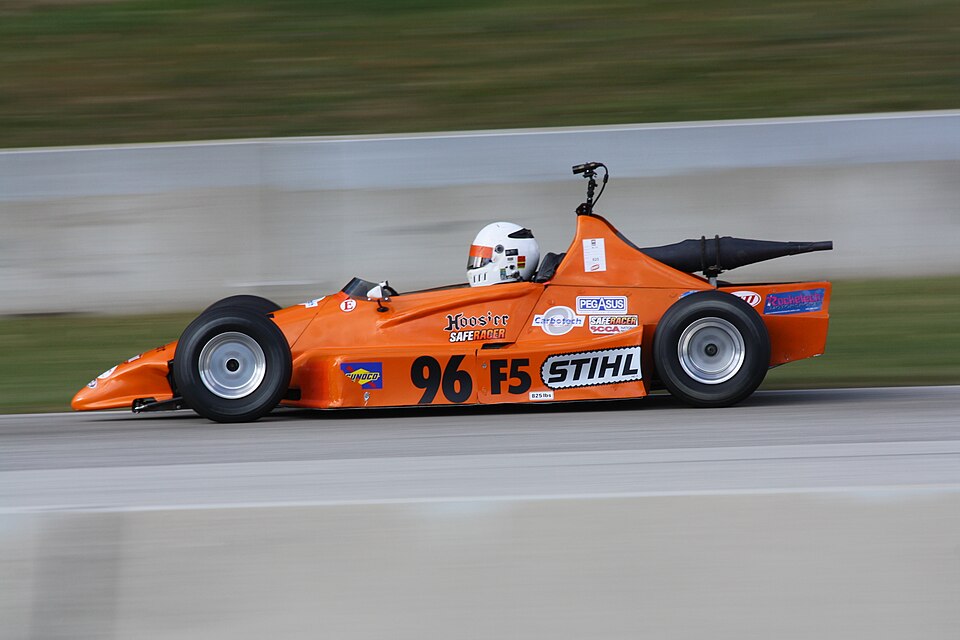
Formula Student and SAE competitions form the hands-on backbone of motorsport engineering education. Students design, build, and race formula-style cars against international competition. This process teaches vehicle integration—balancing aerodynamics, suspension, powertrain, and electronics within rule constraints.
Teams manage budgets, timelines, and sponsorships, developing project management skills alongside technical knowledge. Top employers actively recruit from these competitions; they serve as extended interviews where students demonstrate practical engineering judgment.
Programs emphasizing Formula Student/SAE produce graduates with proven teamwork experience and tangible project portfolios. The competitions mirror professional motorsport’s collaborative, deadline-driven environment, making participants job-ready upon graduation.
How Do Industry Connections Drive Motorsport Engineering Career Success?
Motorsport Valley: The UK’s F1 Talent Pipeline
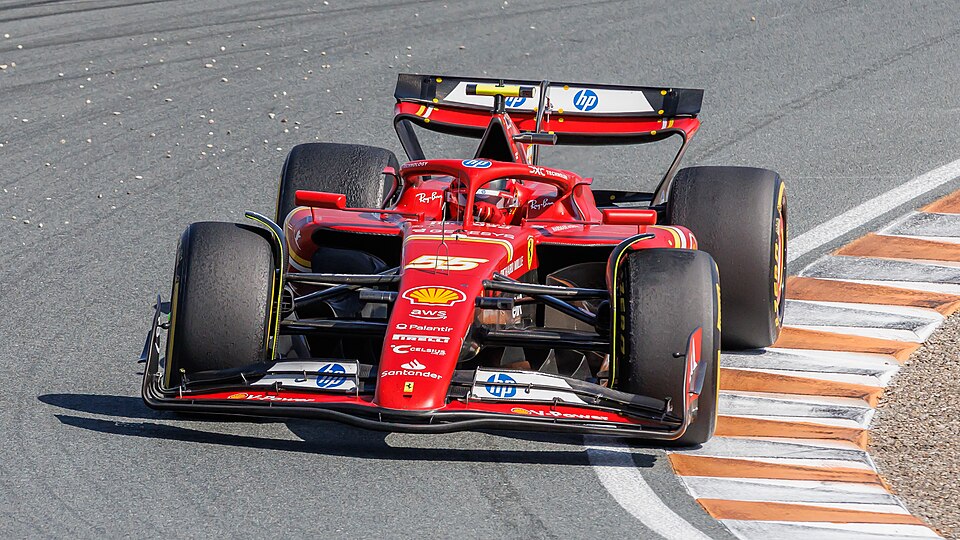
Motorsport Valley refers to the high-performance engineering cluster centered around Northamptonshire and Oxfordshire, UK, housing most Formula 1 teams and motorsport suppliers. This geographic concentration creates unmatched university-industry synergy. Oxford Brookes, Cranfield, and Hertfordshire leverage their Valley locations for guest lectures, facility tours, and sponsored projects.
Students attend F1 team recruitment events on campus rather than traveling to distant hubs. The pipeline flows naturally: university projects attract industry attention → summer internships → graduate placements. UK universities excel in F1 placements through this ecosystem (reddit.com/r/formula1).
Oxford Brookes specifically reports strong graduate placement in F1 roles (grandprix247.com, Jun 2025). The Valley’s density means multiple team recruiters visit the same campuses, creating competitive hiring environments that benefit students.
NASCAR’s College Recruitment: US Programs and the Sport’s Talent Pipeline
US motorsport engineering programs developed specialized professional racing pipelines focused on NASCAR, distinct from the UK’s F1 focus. UNC Charlotte and Purdue lead this approach through:
- Specialized coursework: Vehicle dynamics tailored to oval racing, stock car aerodynamics, and NASCAR-specific regulations
- Direct internships: Structured programs placing students with NASCAR Cup Series and Xfinity teams during summers
- Capstone projects: Real problems from NASCAR teams, often resulting in immediate job offers
- Faculty with NASCAR experience: Professors who previously worked as team engineers provide insider knowledge and connections
- Specialized coursework: Vehicle dynamics tailored to oval racing, stock car aerodynamics, and NASCAR-specific regulations
- Direct internships: Structured programs placing students with NASCAR Cup Series and Xfinity teams during summers
- Capstone projects: Real problems from NASCAR teams, often resulting in immediate job offers
- Faculty with NASCAR experience: Professors who previously worked as team engineers provide insider knowledge and connections
These programs understand NASCAR’s technical needs—durability over extreme downforce, restrictor plate aerodynamics, and cost-control engineering. Graduates enter teams familiar with the series’ unique demands. UNC Charlotte’s reputation for producing NASCAR engineers (Key Points) demonstrates this pipeline’s effectiveness.
Purdue’s engineering rigor combined with motorsport focus creates candidates valued by both NASCAR and automotive OEMs. The US model emphasizes applied engineering for production-based racing, contrasting with F1’s cutting-edge prototype development.
The most surprising insight: no dedicated global ranking exists for motorsport engineering programs. Students must rely on general engineering rankings (QS, EduRank) and program reputations built through industry placement records.
Prospective students should prioritize universities with strong industry ties and hands-on facilities, verify current placement records through admissions offices, and consider location advantages like Motorsport Valley or NASCAR hubs for networking access. The best program aligns with your target racing series—F1, NASCAR, or other—and provides the specific tools and connections that series demands.
