
The 2026 motorsport calendar features 24 Formula 1 races, 17 IndyCar events, and major endurance championships, with new venues like Madrid and Phoenix returning. This guide provides a curated list of the most important upcoming racing events in 2026, including key dates, series highlights, and what fans can expect from each competition.
- Formula 1 expands to a 24-race season in 2026, introducing the new Madrid street circuit and continuing sprint races and Saturday night events in Azerbaijan and Las Vegas.
- IndyCar returns to Phoenix Raceway after an absence, with a 17-race schedule starting in St. Petersburg on February 27.
- The 24 Hours of Le Mans remains the pinnacle of endurance racing, scheduled for June 10-14, 2026, as part of the FIA WEC.
2026 Motorsport Calendar: Comprehensive Event List
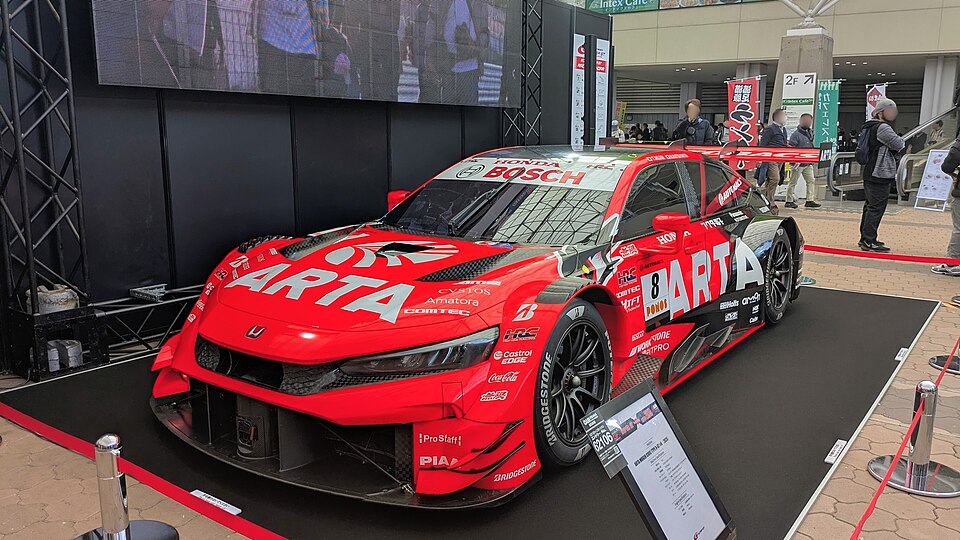
Complete 2026 Racing Schedule by Month
| Date | Series | Event | Location | Notes |
|---|---|---|---|---|
| Feb 27-Mar 1 | IndyCar | Firestone Grand Prix of St. Petersburg | St. Petersburg, Florida | Season opener |
| March 1 | NASCAR | Race at Texas Motor Speedway | Texas | Early season Cup Series event |
| March 2 | MotoGP | Thailand Grand Prix | Thailand | Season start |
| March 6-8 | Formula 1 | Australian Grand Prix | Melbourne | F1 season opener |
| March 7 | IndyCar | Phoenix Raceway | Arizona | Return to venue after absence |
| March 13-15 | F1 Academy | Shanghai Round | China | With Chinese GP weekend |
| March 22-23 | FIA WEC | Qatar Prologue | Qatar | Pre-season test event |
| March 27-29 | GT World Challenge America | Sonoma Raceway | California | Season opener |
| March 29 | IndyCar | Barber Motorsports Park | Alabama | Road course race |
| April 17-19 | F1 Academy | Jeddah Round | Saudi Arabia | With Saudi Arabian GP |
| May 8-10 | GT World Challenge America | Sebring International | Florida | Endurance event |
| May 22-24 | F1 Academy | Montreal Round | Canada | With Canadian GP |
| May 31 | IndyCar | Streets of Detroit | Michigan | Street circuit |
| June 7 | IndyCar | World Wide Technology Raceway | Illinois | Oval track event |
| June 10-14 | FIA WEC | 24 Hours of Le Mans | France | Prestige endurance race |
| June 21 | IndyCar | Road America | Wisconsin | Road course championship |
| July 3-5 | F1 Academy | Silverstone Round | UK | With British GP |
| August 28-30 | GT World Challenge America | Road America | Wisconsin | Late summer endurance |
| November 16 | MotoGP | Valencia Grand Prix | Spain | Season finale |
| December 4-6 | Formula 1 | Abu Dhabi Grand Prix | UAE | F1 season finale |
The 2026 racing schedule shows a concentrated burst of activity from February through June, with major series launching their seasons simultaneously. This creates a particularly exciting period for fans who can follow multiple championships during this timeframe.
The summer months maintain steady activity with events like Le Mans in June and Road America races across series. The season concludes with F1’s Abu Dhabi finale in December, providing a year-round motorsport calendar with minimal downtime between major events.
New Venues and Format Changes to Watch
- Madrid Street Circuit (Formula 1): The addition of a Spanish Grand Prix in Madrid’s city center marks a significant expansion of F1’s street circuit portfolio. This new venue brings the sport to Spain’s capital for the first time, joining iconic city-based races like Monaco and Singapore. Fans can expect a challenging temporary layout through Madrid’s urban landscape, likely featuring tight corners and high-speed straights that test driver skill and car performance in a unique environment.
- Phoenix Raceway Return (IndyCar): After a multi-year absence, IndyCar’s return to Phoenix Raceway on March 7 reconnects the series with a historic American racing venue. The one-mile oval provides a different challenge compared to the street circuits and road courses that dominate the early season. Phoenix’s distinctive dogleg front straight and tight corners offer close racing and multiple overtaking opportunities, making it a fan favorite when previously on the calendar.
- Sprint Races (Formula 1): The inclusion of sprint races in the 2026 F1 format introduces a shorter, high-stakes race that determines the grid for the main Grand Prix. This format adds an extra competitive session during race weekends, giving drivers and teams more opportunities to score points and creating additional strategic variables. Sprint races typically feature reduced distances and no mandatory pit stops, resulting in more aggressive racing and less tire degradation concerns.
-
Saturday Night Races (Azerbaijan and Las Vegas): The shift to Saturday evening main events at the Azerbaijan and Las Vegas Grands Prix transforms the traditional weekend schedule. These night races under floodlights create a spectacular visual atmosphere and accommodate different broadcast time zones, making F1 more accessible to global audiences.
The urban settings of Baku and Las Vegas provide stunning backdrops for these primetime events, enhancing the entertainment value for both spectators and television viewers.
Early Season Races: February Through April
The first four months of the 2026 racing season deliver an intense concentration of championship launches across multiple disciplines. IndyCar sets the pace with its season opener at the Firestone Grand Prix of St. Petersburg
from February 27 to March 1, bringing the action to a temporary street circuit that traditionally produces exciting, unpredictable races. Just one week later, Formula 1 commences its 24-race campaign with the Australian Grand Prix in Melbourne from March 6-8, marking the first time fans see the new 2026 car regulations in competition.
The momentum continues with F1 Academy’s Shanghai round from March 13-15, running alongside the Chinese Grand Prix weekend and providing a platform for emerging female talent in single-seater racing. Mid-March features the FIA WEC’s Qatar Prologue on March 22-23, a crucial pre-season test that sets the tone for the endurance championship. The month concludes with GT World Challenge America’s Sonoma Raceway event from March 27-29, bringing North American GT racing to the scenic California road course.
April begins with F1 Academy’s second round in Jeddah from April 17-19, supporting the Saudi Arabian Grand Prix and giving fans another opportunity to watch developing drivers compete on one of F1’s fastest circuits. This packed early-season schedule means motorsport enthusiasts can follow multiple series simultaneously, with several weekends featuring overlapping events that create a continuous racing narrative from February through April.
Formula 1 2026: The Premier Racing Series
24-Race Season: From Australian GP to Abu Dhabi GP
The 2026 FIA Formula One World Championship represents the 77th running of the premier open-wheel racing series, contested over twenty-four Grands Prix held across five continents (Formula 1, 2026). The season begins in March with the Australian Grand Prix in Melbourne and concludes in early December with the Abu Dhabi Grand Prix at Yas Marina Circuit. This 24-race calendar spans approximately nine months, with races typically occurring every two weeks during the European summer and featuring longer breaks for the summer shutdown and logistical travel between continents.
The global nature of the F1 calendar requires teams and drivers to operate as traveling road crews, transporting equipment between venues that range from purpose-built facilities like Bahrain’s Sakhir circuit to historic street courses such as Monaco and the newly added Madrid circuit. Each Grand Prix weekend follows a standard format with practice sessions on Friday, qualifying on Saturday, and the main race on Sunday, though sprint race weekends modify this structure with additional competitive sessions. The championship points system awards 25 points for a race win, with additional points for fastest lap and sprint race victories, creating multiple pathways to the World Drivers’ and Constructors’ titles.
Madrid Street Circuit: A New Spanish Grand Prix
- Venue Type: Temporary street circuit through Madrid’s city center
- Significance: First time F1 races in Spain’s capital city
- Context: Part of F1’s strategic expansion into iconic global cities
- Fan Experience: Spectators will see cars racing through urban landmarks, similar to Monaco and Singapore formats
The Madrid Grand Prix represents Formula 1’s continued strategy of bringing racing to major metropolitan centers, following successful street races in cities like Miami, Singapore, and Baku. Unlike permanent racing facilities, street circuits present unique challenges: temporary barriers and curbs, limited overtaking opportunities, and the constant threat of incidents that can bring out safety cars.
The circuit design will likely incorporate Madrid’s most recognizable landmarks while meeting FIA’s strict safety standards for temporary venues. This addition expands F1’s presence in Spain, which already hosts the Spanish Grand Prix at Barcelona’s Circuit de Barcelona-Catalunya, creating two Spanish races on the 2026 calendar and tapping into the country’s passionate motorsport fanbase.
Sprint Races and Saturday Night Events: Format Innovations
The 2026 Formula 1 season maintains the sprint race format introduced in previous years, with selected Grands Prix featuring a shorter 100km race on Saturday that determines the grid for Sunday’s main event. This format creates two competitive sessions with championship points at stake, increasing the weekend’s action and providing teams with additional strategic variables. Sprint races use standard race tires but typically require no mandatory pit stops, resulting in more aggressive driving and less tire management concern over the shorter distance.
Saturday night races at the Azerbaijan and Las Vegas Grands Prix shift the main event to evening hours under floodlights, creating dramatic visual spectacles and accommodating broadcast schedules for global audiences. These night races alter the traditional weekend rhythm: practice and qualifying move to Thursday and Friday, with the sprint race (if scheduled) on Friday evening and the main Grand Prix on Saturday night. This format particularly benefits European viewers watching North American races and Asian audiences following European events, as the primetime scheduling maximizes live viewership across time zones.
F1 Academy: Supporting Series on F1 Weekends
The F1 Academy continues its integration with Formula 1 weekends in 2026, running four confirmed rounds as support categories at selected Grands Prix. This arrangement provides emerging female drivers with valuable track time on the same circuits where F1 competes, allowing them to gain experience on world-class layouts in front of larger audiences. The 2026 schedule includes:
– Shanghai (March 13-15): Running with the Chinese Grand Prix, marking F1 Academy’s return to Shanghai after previous seasons.
– Jeddah (April 17-19): Supporting the Saudi Arabian Grand Prix at the high-speed Jeddah Corniche circuit.
– Montreal (May 22-24): Partnering with the Canadian Grand Prix on the challenging Circuit Gilles Villeneuve.
– Silverstone (July 3-5): Appearing at the historic British Grand Prix, one of motorsport’s most prestigious venues.
Each F1 Academy round follows a standard weekend format with practice, qualifying, and two races, providing substantial competitive mileage for drivers. The series serves as a crucial development step for women aiming for higher single-seater categories, with the 2026 season featuring identical Tatuus F4-T421 chassis and spec engines to ensure close, cost-controlled competition.
Beyond Formula 1: What Other Racing Series Can You Watch in 2026?
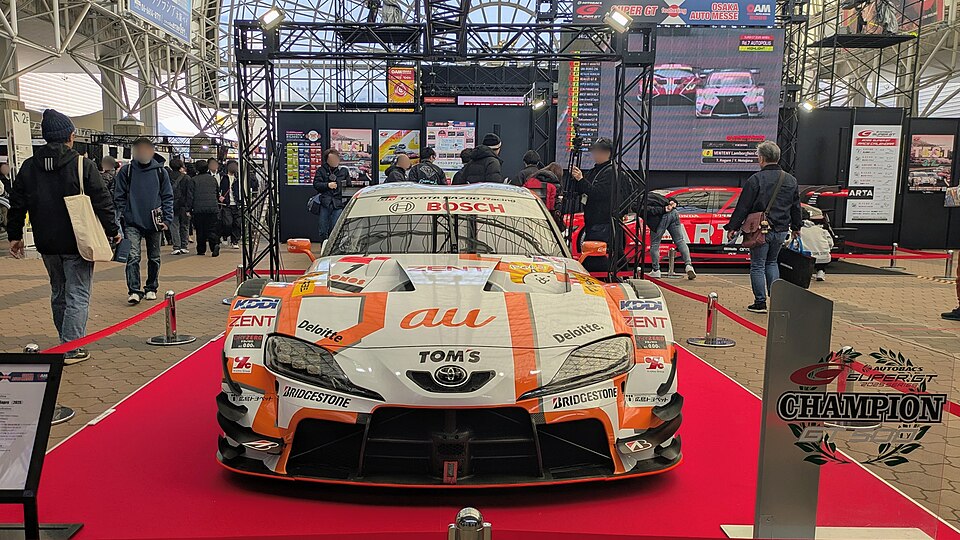
IndyCar Series: 17 Races Including Phoenix Return
The 2026 NTT IndyCar Series delivers a 17-race schedule that blends American oval racing with international street circuits and road courses. The season launches with the Firestone Grand Prix of St. Petersburg
from February 27 to March 1, a temporary street circuit that traditionally produces exciting, unpredictable races with multiple overtaking opportunities. The series’ return to Phoenix Raceway on March 7 after a multi-year absence reconnects IndyCar with a historic one-mile oval that offers close racing and a distinctive dogleg front straight.
The early season continues with Barber Motorsports Park on March 29, a flowing road course in Alabama that tests driver precision and car mechanical grip. May brings the Streets of Detroit on May 31, another temporary circuit that winds through the city’s downtown area and provides a unique challenge with its concrete surfaces and tight corners. June features two significant events: World Wide Technology Raceway on June 7, an oval in Madison, Illinois, and the Road America round on June 21 at the scenic Elkhart Lake circuit, which often produces the most competitive races of the season with its long straights and challenging corners.
The series maintains its diverse mix of venue types: permanent road courses like Mid-Ohio and Laguna Seca, temporary street circuits in St. Petersburg, Detroit, and Long Beach, and high-speed ovals including Indianapolis Motor Speedway, Texas Motor Speedway, and the returning Phoenix. This variety ensures that IndyCar drivers must master multiple disciplines within a single season, making the championship a true test of all-around driving ability.
NASCAR Cup Series: Early Season Schedule
- Texas Motor Speedway: March 1, 2026 – A 1.5-mile quad-oval known for high speeds and pack racing
- Martinsville Speedway: March 8, 2026 – The shortest track at 0.526 miles, offering tight, physical racing
- Daytona 500: Date not specified in current research – The season’s most prestigious event at Daytona International Speedway
- Coca-Cola 600 (World 600): Part of the schedule – The longest race on the calendar at Charlotte Motor Speedway
The NASCAR Cup Series begins its 2026 campaign with early March races at Texas and Martinsville, two iconic venues that showcase different aspects of stock car racing. Texas represents the high-speed, aerodynamic-dependent racing of intermediate ovals, while Martinsville’s paperclip shape produces close quarters combat and frequent bump-and-run tactics.
The full schedule includes the legendary Daytona 500, NASCAR’s premier event held at Daytona International Speedway, and the Coca-Cola 600 at Charlotte Motor Speedway, a 600-mile endurance test that forms part of the sport’s crown jewel events. While the complete 2026 calendar contains approximately 36 points races plus exhibition events, these early dates confirm the series’ traditional pattern of starting in the southern United States before expanding across the country.
MotoGP: Global Season from Thailand to Valencia
The 2026 MotoGP World Championship represents the 78th season of the premier motorcycle road racing world championship, beginning on March 2 in Thailand and concluding on November 16 in Valencia, Spain. This nearly nine-month season spans 20+ races across Europe, Asia, the Americas, and Oceania, making it one of the most geographically diverse motorsport championships. The Thailand Grand Prix at the Chang International Circuit typically serves as the Asian season opener, taking advantage of the region’s favorable weather conditions in early March.
The calendar features iconic venues such as the Circuit de Barcelona-Catalunya for the Catalan Grand Prix, Mugello Circuit for the Italian Grand Prix, and the mountainous layout of the Red Bull Ring for the Austrian Grand Prix. The Americas GP, traditionally held at Circuit of the Americas in Austin, Texas, provides North American fans with a premier motorcycle racing event each spring.
The season finale in Valencia at the Circuit Ricardo Tormo often decides the championship in dramatic fashion, with the tight, technical layout favoring close racing and multiple lead changes. The 2026 season also marks the final year of 1000cc engine regulations before the switch to 850cc engines and Pirelli tires in 2027, adding extra significance to this year’s competition.
Endurance Racing: Le Mans and GT World Challenge
Endurance racing distinguishes itself from sprint-based formats through extended race durations that test machine reliability, driver stamina, and team strategy over periods ranging from three hours to 24 hours. The FIA World Endurance Championship (WEC) leads this discipline with its marquee event, the 24 Hours of Le Mans, scheduled for June 10-14, 2026. This race at the Circuit de la Sarthe represents motorsport’s ultimate test of endurance, where cars cover distances exceeding 5,000 kilometers over a single day and night, with driver changes, mechanical failures, and changing weather conditions creating unpredictable drama.
The WEC season begins with the Qatar Prologue on March 22-23, a two-day pre-season test that allows teams to prepare their cars for the championship campaign. This test occurs at the Lusail International Circuit, a modern facility that will host its first WEC race in subsequent seasons. The GT World Challenge America series provides North American endurance racing with events at Sonoma Raceway (March 27-29), Sebring International Raceway (May 8-10), and Road America (August 28-30).
These three-hour sprint races feature GT3-spec cars from manufacturers like Ferrari, Lamborghini, Porsche, and Mercedes-AMG, with professional driver lineups competing in classes based on car performance. The prestige of Le Mans attracts factory teams from major manufacturers, while GT World Challenge events offer more accessible viewing with shorter formats and closer competition between similar machinery.
The most surprising finding is the incredible density of major racing events in early 2026. Within just the first three months, fans can witness the launches of F1, IndyCar, F1 Academy, WEC, and GT World Challenge America, with multiple series often racing on the same weekends. This creates a unique opportunity for motorsport enthusiasts to experience a wide variety of racing disciplines in a short period.
Action step: Mark your calendar for the March 6-8 weekend when the Australian GP, F1 Academy Shanghai round, and WEC Qatar Prologue all occur—consider planning a trip to catch multiple series live. For deeper insights into how drivers prepare for such demanding schedules, explore racing knowledge for junior drivers and how racing knowledge enhances fan experience. The global nature of modern motorsport connects to broader international motorsports series that span continents and disciplines.
The most surprising finding is the incredible density of major racing events in early 2026. Within just the first three months, fans can witness the launches of F1, IndyCar, F1 Academy, WEC, and GT World Challenge America, with multiple series often racing on the same weekends. This creates a unique opportunity for motorsport enthusiasts to experience a wide variety of racing disciplines in a short period.
Action step: Mark your calendar for the March 6-8 weekend when the Australian GP, F1 Academy Shanghai round, and WEC Qatar Prologue all occur—consider planning a trip to catch multiple series live. For deeper insights into how drivers prepare for such demanding schedules, explore racing knowledge for junior drivers and how racing knowledge enhances fan experience. The global nature of modern motorsport connects to broader international motorsports series that span continents and disciplines.
Understanding the technical and safety requirements behind these events highlights the importance of the role of racing knowledge in safety, while data-driven performance improvements demonstrate racing knowledge and technology integration. For those interested in the business and organizational aspects, international motorsports licensing requirements provide essential context for competitor pathways. The comprehensive world racing landscape continues to evolve with these diverse championships offering something for every motorsport fan.
