
In 2026, the international motorsports landscape features 14 manufacturers in the FIA WEC Hypercar class and 60-car grids in IMSA WeatherTech, showcasing the depth beyond Formula 1. While Formula 1 remains the most visible series, a vast ecosystem of international motorsports offers competitive racing, cutting-edge technology, and inclusive programs for drivers and fans.
This guide explores major world championships like WEC, IMSA, WRC, and Formula E, examines diversity initiatives led by figures such as Sarah Moore, and outlines pathways for emerging drivers through junior formulas and manufacturer development programs. Whether you’re a fan seeking immersive experiences or an aspiring racer, understanding these opportunities is essential for engaging with the sport in 2026.
Key Takeaway
- Diversity initiatives are expanding: The IMSA Diverse Driver Scholarship selected 12 finalists for 2026-27 (racer.com, Mar 2025), and Sarah Moore continues to break barriers as an openly LGBTQ+ ambassador and Racing Pride representative (sarahmooreracing.com).
- Junior formulas remain critical: Ginetta Junior and Britcar Endurance championships have produced champions like Sarah Moore, who won both in 2018 (ginettacars; motorsportweek.com, Feb 2024), while W Series provides a global platform for female drivers.
- Beyond F1, series like WEC (14 manufacturers) and IMSA (60 cars) offer robust grids and fan experiences including AI-driven engagement and on-track experiences at 18 NASCAR locations (mane.co.uk, Feb 2026; imsa.com, Oct 2025).
Beyond Formula 1: Major International Series for Drivers and Fans
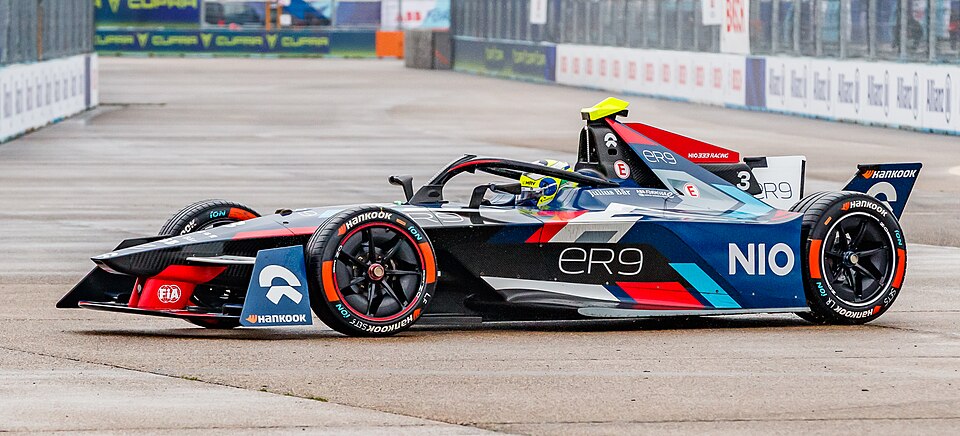
2026 Premier World Championships: WEC, IMSA, WRC, and Formula E
| Series | Manufacturers/Entries | Grid Size/Events | Notable 2026 Debuts or Tech | Key Stats |
|---|---|---|---|---|
| FIA World Endurance Championship (WEC) | 14 manufacturers in Hypercar and LMGT3 classes | Variable per class; Hypercar grids typically 8-10 cars per manufacturer | Genesis debut in Hypercar; continued manufacturer competition | 14 manufacturers (mane.co.uk, Feb 2026) |
| IMSA WeatherTech SportsCar Championship | Full 60-car grids across GTP, LMP2, GTD Pro, GTD | 60 cars total per event | Aston Martin Valkyrie debut at Rolex 24 Daytona | 60-car standard (imsa.com, Oct 2025) |
| World Rally Championship (WRC) | Manufacturer teams with Rally1 cars; privateers also compete | 14 events on calendar | 500hp hybrid Rally1 cars; Lancia Ypsilon Rally2 return | 14 events, hybrid powertrains (mane.co.uk, Feb 2026) |
| Formula E | 11 teams (22 drivers) | 16-18 races per season | GEN3 Evo car final season; third China event added | GEN3 Evo final year (blackbookmotorsport.com, 2026) |
These four series represent the pinnacle of their disciplines, with WEC and IMSA leading sports car racing, WRC dominating rally, and Formula E pioneering electric street racing. The 2026 season features unprecedented manufacturer involvement, particularly in WEC where 14 brands compete, and consistently full grids in IMSA, ensuring competitive depth and technical diversity. Innovations such as hybrid powertrains in WRC and the final iteration of Formula E’s GEN3 Evo car highlight the sport’s evolution.
Geographically, these series span all continents, offering fans a global calendar that includes iconic endurance races, rally stages in varied conditions, and urban circuits, making motorsport accessible year-round. For drivers, these championships present clear pathways from junior formulas, while fans can engage through multiple touchpoints, from trackside attendance to digital platforms.
Fan Engagement and On-Track Experiences
- AI/digital engagement: Partnerships like Rahal-Spark Compass 5G provide fans with real-time data and enhanced viewing experiences through advanced connectivity.
- Esports integration: Series such as Porsche Coanda connect virtual racing to real-world competition, allowing fans to compete on simulated versions of professional tracks.
- Fan clubs and community: Dedicated fan clubs at venues like Road Atlanta foster community engagement through meet-and-greets, behind-the-scenes tours, and exclusive content.
- On-track experiences: The NASCAR Racing Experience offers driving opportunities at 18 locations across North America, letting fans handle actual race cars under professional guidance, with safety protocols rooted in the role of racing knowledge in safety.
- Immersive events: Endurance races like Road America’s 6-hour event provide extended on-site activities, including garage access and driver Q&A sessions.
- Regional series: Super GT in Japan, MotoGP’s return to Madrid, and IndyCar/NASCAR’s adoption of hybrid powertrains and new tracks expand the global fan calendar with diverse racing styles.
Fan engagement has evolved far beyond traditional spectating. Digital innovations like AI-driven data platforms and esports series create interactive experiences that bring fans closer to the action, as detailed in how racing knowledge enhances fan experience. Physical opportunities, from driving real race cars to immersive event packages, cater to those seeking hands-on involvement.
Regional series complement the world championships by offering localized racing cultures that require navigating global racing environments, and schedules, ensuring that motorsport enthusiasts have year-round content. This multi-faceted approach strengthens fan loyalty and broadens the sport’s appeal across demographics, while also supporting the commercial viability of teams and series.
What Diversity and Inclusion Initiatives Are Shaping International Motorsport?
Sarah Moore’s Trailblazing LGBTQ+ Representation
In 2021, Sarah Moore made history as the first openly LGBTQ+ driver to stand on a Formula One Grand Prix podium (sarahmooreracing.com). This milestone was more than a personal achievement; it signaled a shift toward greater visibility and acceptance in motorsport, a traditionally conservative environment. Moore’s subsequent roles as a Racing Pride ambassador and coach for More Than Equal have amplified her impact, mentoring drivers and advocating for inclusive cultures across all levels of racing.
Her career, from winning the Ginetta Junior Championship in 2009 to claiming the Britcar Endurance title in 2018, demonstrates that diversity and elite performance are not mutually exclusive, inspiring a new generation of racers from underrepresented backgrounds. Through her work with Sarah Moore Racing, she continues to break barriers and promote equality.
Scholarships and Organizations Driving Change
Structured programs are essential for advancing underrepresented groups in motorsport. The IMSA Diverse Driver Scholarship selected 12 finalists for the 2026-27 season (racer.com, Mar 2025), providing financial support, mentorship, and professional development opportunities. Organizations like Racing Pride and More Than Equal work across the sport to promote LGBTQ+ inclusion and gender equality, offering resources, networking events, and advocacy.
Drivers seeking to benefit from these initiatives can apply for scholarships, participate in workshops, or connect with these groups to access opportunities that might otherwise be out of reach. Such programs not only support individual careers but also drive systemic change within the industry, often collaborating with educational platforms like racing knowledge for junior drivers to prepare applicants for the demands of professional racing.
Emerging Drivers Beyond F1: Pathways and Opportunities
Junior Formulas: Ginetta, Britcar, W Series, and Formula Regional
- Ginetta Junior Championship: Sarah Moore became the first female winner in 2018 (ginettacars), establishing a proven pathway for young talent to progress into professional racing.
- Britcar Endurance Championship: Moore’s 2018 championship win (motorsportweek.com, Feb 2024) highlighted the series’ role in developing endurance racing skills and professional resilience.
- W Series: Provides a global platform exclusively for female drivers, with Sarah Moore as a prominent figure, offering high-profile competition and visibility to advance careers.
- Formula Regional: The 2026 introduction of the updated Tatuus T-326 chassis aligns with FIA standards, preparing drivers for higher formulas with modern machinery.
These junior formulas form the backbone of driver development pipelines. Ginetta Junior and Britcar Endurance have produced champions like Sarah Moore, who transitioned from karting to professional racing through these series. W Series addresses gender disparity by creating a dedicated platform, while Formula Regional’s technical updates ensure drivers gain experience with contemporary single-seaters.
Together, they build essential race craft, physical conditioning, and professional readiness, serving as critical stepping stones to international series, where understanding international motorsports licensing requirements is crucial. These series are part of a broader world racing ecosystem that includes development programs and global championships.
Manufacturer and Team Development Programs
- Porsche Juniors: This factory program identifies young talent and provides opportunities to compete in WEC and IMSA, bridging the gap from junior formulas to top-tier sports car racing.
- Mustang one-make series: Global expansion in 2026 offers affordable, competitive racing with identical cars, allowing drivers to focus on skill development without technical disparities.
- Endurance feeder series: Initiatives like the inclusion of 8 junior drivers at the 2026 Daytona 24 Hours give emerging racers hands-on experience in major events, often leading to full-season drives.
Manufacturer programs complement junior formulas by offering direct routes to professional ranks. Porsche Juniors leverages factory support and technical resources, while Mustang’s one-make concept reduces costs and emphasizes driver ability. These programs often integrate racing knowledge and technology integration to optimize performance.
Endurance feeder series provide real-world experience in iconic races, exposing drivers to professional team environments and media obligations. These pathways ensure a steady influx of talent into international motorsport, often with the backing of manufacturers seeking to develop future stars who can compete at the highest levels.
The most surprising finding is the sheer scale of international motorsports beyond F1, with 14 manufacturers in WEC and 60-car IMSA grids revealing a thriving ecosystem often overlooked by mainstream media. For fans and drivers alike, the opportunity lies in exploring these series—whether through attending events, engaging with digital platforms, or pursuing development programs.
Action step: Pick one series from this guide, such as WEC or IMSA, and watch a race or attend a fan event this year. Use the engagement opportunities listed, from AI-driven platforms to on-track experiences, to deepen your connection with the sport.
