
The 2025-26 Formula E season, known as Season 12, introduces the revolutionary Gen3 Evo car—the fastest-accelerating FIA single-seater ever built, capable of 0-60 mph in just 1.82 seconds. This comprehensive guide covers the technical innovations, record-breaking 18-race calendar, and confirmed team lineups that define the 2026 electric racing championship.
- Gen3 Evo is the fastest-accelerating FIA single-seater with 0-60 mph in 1.82 seconds.
- The season features a record 18 races across 12 global venues from December 2025 to July 2026.
- All 11 teams have confirmed their driver lineups for the 2025-26 season.
Why Is the Gen3 Evo the Fastest-Accelerating FIA Single-Seater?
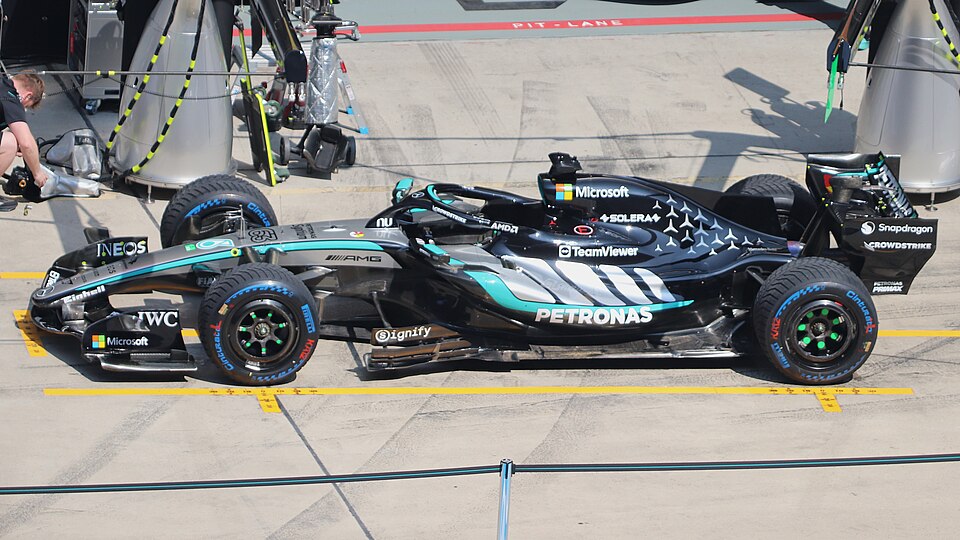
All-Wheel Drive System: A First for Formula E
- AWD activation periods: The Gen3 Evo’s all-wheel drive system engages specifically during qualifying duels, race starts, and when drivers activate ATTACK MODE. This targeted deployment maximizes performance benefits while managing energy consumption.
- Superior acceleration: The combined rear powertrain (standard on Gen3) plus the new front powertrain delivers immediate torque to all four wheels. This configuration enables the car to launch from 0-60 mph in 1.82 seconds, a benchmark for any FIA single-seater.
- Enhanced control: AWD provides superior traction during critical race moments. The system helps drivers maintain optimal racing lines through corners and prevents wheel spin during hard acceleration out of tight turns.
- Strategic advantage: The AWD system’s selective activation creates new strategic dimensions. Drivers must decide when to conserve energy versus when to deploy AWD for overtaking maneuvers or qualifying advantage.
- Energy management integration: The AWD system works in conjunction with the 600 kW regenerative braking capacity, allowing drivers to recapture energy while maintaining vehicle stability under deceleration.
Performance Metrics: 0-60 mph in 1.82 Seconds
The Gen3 Evo’s acceleration figures are unprecedented in Formula E history. The car reaches 0-60 mph in 1.82 seconds (0-100 km/h in 1.86 seconds), making it the fastest-accelerating vehicle in the FIA single-seater category. Its top speed stands at 200 mph (320 km/h), providing the necessary velocity for high-speed circuits like Monaco and Berlin.
Compared to the standard Gen3 platform, the Evo version delivers approximately a 2% overall performance gain. This seemingly small percentage translates to roughly 2-second faster lap times on technical circuits such as Monaco, where every millisecond counts. The performance improvement stems from the AWD system, refined aerodynamics, and optimized Hankook iON tires that offer 5-10% more grip.
The car’s maximum race power output is 350 kW, but during qualifying and GENBETA mode, drivers can access up to 400 kW. This power differential creates a clear separation between race and qualifying performance, adding another strategic layer to the championship.
Technical Specifications Comparison: Gen3 Evo vs Standard Gen3
| Specification | Gen3 Evo | Standard Gen3 |
|---|---|---|
| Acceleration (0-60 mph) | 1.82 seconds | ~2.5 seconds (estimated) |
| Top Speed | 200 mph (320 km/h) | ~180 mph (290 km/h) |
| Maximum Race Power | 350 kW | 350 kW |
| Qualifying Power (GENBETA) | 400 kW | Not available |
| Total Regenerative Braking | 600 kW (250 kW front + 350 kW rear) | 350 kW rear only |
| Drivetrain | Rear + Front (AWD on demand) | Rear only |
| Tires | Hankook iON with 35% recycled materials, 5-10% more grip | Earlier Hankook compound |
| Bodywork | Recycled carbon fiber, more robust, aerodynamic | Standard carbon fiber |
The specifications reveal that the most transformative changes are the AWD system, increased regenerative capacity, and tire development. The 600 kW total regeneration (versus 350 kW rear-only on standard Gen3) allows drivers to recapture significantly more energy under braking, reducing the need for hydraulic rear brakes. The brake-by-wire system integrates regeneration with friction braking seamlessly.
The 2% performance gain, while appearing modest, fundamentally alters race dynamics. Teams must adapt their energy management strategies, suspension setups, and driver coaching—leveraging technology integration in racing—to exploit the AWD advantages without compromising battery longevity over the full race distance.
Sustainable Design: Net-Zero Carbon Engineering
The Gen3 Evo is engineered as a net-zero carbon vehicle, representing Formula E’s commitment to sustainable motorsport. The car’s body kit is constructed from recycled carbon fiber, reducing the environmental footprint of manufacturing while maintaining structural integrity and aerodynamic efficiency.
Sustainability extends to the battery lifecycle, with a focus on “cradle-to-grave” thinking. The batteries are designed for second-life applications and eventual recycling, ensuring minimal waste. The Hankook iON tires incorporate 35% recycled and sustainable materials, aligning with the series’ carbon-neutral goals.
This holistic approach means every component—from the recycled carbon fiber chassis to the energy recovery systems—contributes to a reduced carbon impact. The Gen3 Evo demonstrates that high-performance racing and environmental responsibility can coexist, setting a benchmark for future automotive development — Sarah Moore Racing.
2025-26 Season Calendar: 18 Races Across 12 Global Venues
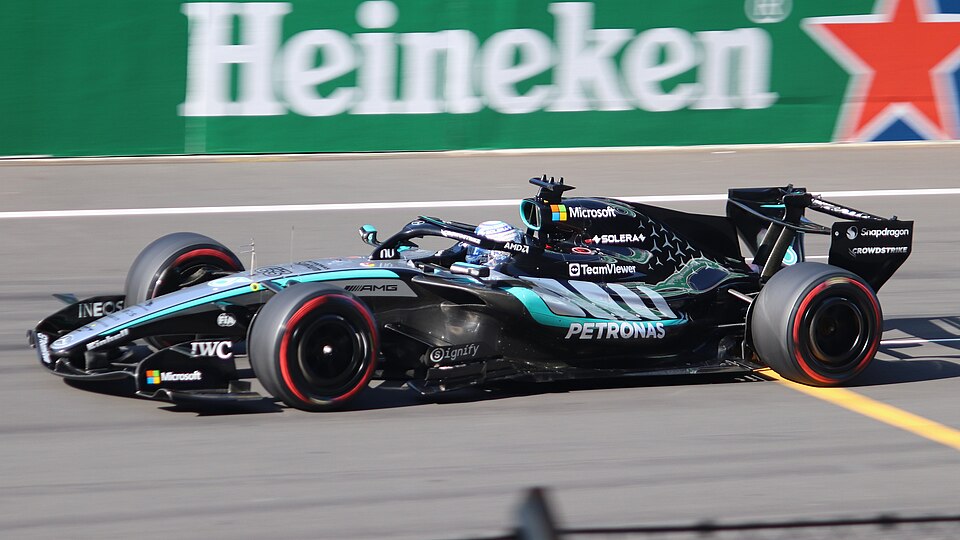
Record-Breaking 18-Race Schedule from December 2025 to July 2026
The 2025-26 Formula E season features an unprecedented 18 races, the most in series history, spanning from December 6, 2025, to July 25, 2026. This extended calendar covers approximately 8 months, providing sustained global visibility and more competitive opportunities for teams and drivers.
The record-breaking schedule reflects Formula E’s growth and increasing demand from host cities. With 12 distinct venues hosting events, the series maintains its status as the world’s most geographically diverse racing championship. The season structure includes six double-header weekends, where two races occur at the same venue on consecutive days, maximizing competition while managing logistical complexity.
This expanded calendar also aligns with the FIA World Championship status, elevating Formula E to the highest echelon of international motorsport alongside Formula 1, World Endurance Championship, and World Rally Championship.
Global Race Venues: São Paulo, Mexico City, Miami, and Beyond
- São Paulo, Brazil (December 6, 2025): Season opener on a challenging street circuit that tests car durability and driver skill with its high-altitude conditions and passionate local fanbase.
- Mexico City, Mexico (January 10, 2026): High-altitude racing at the Autódromo Hermanos Rodríguez, where thinner air affects both battery cooling and aerodynamics, creating unique strategic challenges.
- Miami, USA (January 31, 2026): The American round returns to the streets of Miami, offering a glamorous backdrop and attracting significant corporate interest from the United States market.
- Jeddah, Saudi Arabia (February 13-14, 2026): A double-header event on the stunning corniche circuit, featuring high-speed corners and dramatic seaside setting that showcases electric performance.
- Madrid, Spain (March 21, 2026): New addition to the calendar, bringing Formula E to Spain’s capital with a purpose-built street circuit that emphasizes technical sections and overtaking opportunities.
- Berlin, Germany (May 2-3, 2026): The traditional European hub, known for its passionate fanbase and the series’ longest-running venue, typically hosting a double-header weekend.
- Monaco, Monaco (May 16-17, 2026): The prestigious street circuit where precision outweighs power; the Gen3 Evo’s 2-second lap time advantage will be particularly evident on this technical layout.
- Sanya, China (June 20, 2026): Return to the tropical resort city with its seaside circuit, offering a unique climate challenge and growing Asian audience engagement.
- Shanghai, China (July 4-5, 2026): The iconic Shanghai circuit provides a contrast to Sanya with its modern facilities and challenging layout, likely hosting a double-header to maximize Asian market exposure.
- Tokyo, Japan (July 25, 2026): Season finale in the bustling Japanese capital, marking Formula E’s first race in Tokyo and promising a dramatic championship showdown with city-center racing.
Double-Header Events and Season Structure
With 18 races distributed across 12 venues, six locations will host double-header weekends. Historically, Monaco, Berlin, and Shanghai have consistently featured two races per event due to their logistical efficiency and strong local support. Jeddah’s 2026 schedule already confirms a double-header, while New York City (absent from 2026 calendar) previously hosted double-headers before its omission.
The double-header format reduces travel costs and environmental impact while providing fans with two days of racing action. Teams must optimize car setup and energy management across consecutive races, with limited time for repairs and adjustments between events. This structure intensifies the championship battle, as a single weekend can yield maximum 50 points for a driver who wins both races.
The season’s extended span from December to July allows for proper rest periods and strategic breaks, particularly after the challenging early-season events in South America and before the European summer swing. This pacing supports team sustainability and maintains competitive freshness throughout the championship.
The most surprising technical revelation is that the Gen3 Evo’s AWD system is not permanently active but strategically deployed only during qualifying duels, race starts, and ATTACK MODE—a nuanced approach that balances performance with energy conservation. For fans wanting to experience the full spectacle, attending a double-header weekend in Berlin or Monaco offers the most concentrated racing action, with two full races showcasing the Gen3 Evo’s capabilities on iconic circuits. Follow the official Formula E website for ticket releases and schedule updates.
