
The 2026 FIA World Endurance Championship is the fourteenth season of premier sports car racing, featuring eight rounds including the 24 Hours of Le Mans from June 10-14, 2026. This season represents a mature and stable era for the championship, which has grown into the world’s foremost series for both prototype and grand touring competition.
The 2026 campaign introduces notable calendar adjustments, including a postponed Qatar race and a new season finale in Bahrain, while welcoming new manufacturer entries and witnessing some withdrawals. This guide covers the season format, the two distinct racing classes, key schedule changes, and the outlook for the year ahead, providing a comprehensive overview of what makes this season significant in the history of endurance racing.
- The 2026 WEC marks the 14th season of the FIA and ACO-organized championship, establishing it as a mature premier series.
- Two distinct classes compete: Hypercar (prototype) with 8 manufacturers and LMGT3 (production-based) with 9 manufacturers, creating diverse competition. (Source: Data & Stats)
- The calendar spans eight races across four continents, with the 24 Hours of Le Mans (June 10-14) as its centerpiece, and features notable changes including a postponed Qatar race and new Bahrain finale. (Source: Calendar data)
What is the 2026 World Endurance Championship Season Format?
The 14th Season: Championship Context and Organization
The 2026 FIA World Endurance Championship (WEC) marks the fourteenth season of this premier sports car racing series, organized by the Fédération Internationale de l’Automobile (FIA) and the Automobile Club de l’Ouest (ACO). The championship succeeded the Intercontinental Le Mans Cup in 2012 and has since become the highest platform for endurance racing worldwide. It features world champion titles for drivers and manufacturers across its classes, with the 24 Hours of Le Mans serving as the crown jewel event.
The series is recognized for its highly competitive, closely contested racing throughout each event, with sustained overtaking and aggressive competition at all stages. This 2026 season underscores the championship’s evolution into a stable, globally respected series that attracts top manufacturers and teams.
2026 Race Calendar: Eight Rounds Across Four Continents
The 2026 WEC calendar consists of eight official rounds, spanning four continents and including the iconic 24 Hours of Le Mans, a centerpiece of the world of racing. The season begins with a Prologue test session and concludes with a new finale. Below is the complete chronological schedule:
| Round | Date | Race Name | Location |
|---|---|---|---|
| Prologue | March 22-23 | Official Prologue | Lusail, Qatar |
| 1 | April 19 | 6 Hours of Imola | Imola, Italy |
| 2 | May 9 | 6 Hours of Spa-Francorchamps | Spa, Belgium |
| 3 | June 10-14 | 24 Hours of Le Mans | Le Mans, France |
| 4 | July 12 | 6 Hours of São Paulo | São Paulo, Brazil |
| 5 | September 6 | Lone Star Le Mans | Austin, USA |
| 6 | September 27 | 6 Hours of Fuji | Oyama, Japan |
| 7 | November 7 | 8 Hours of Bahrain | Sakhir, Bahrain |
The calendar showcases the championship’s global reach, with events in Europe, the Americas, Asia, and the Middle East. Each race presents unique challenges, from the high-speed corners of Spa to the night racing in Bahrain.
Schedule Changes: Qatar Postponement and New Bahrain Finale
Two major calendar adjustments define the 2026 season. First, the Qatar 1812km race, originally scheduled for March 28, was postponed to October due to geopolitical tensions in the Middle East. This shift elevated the 6 Hours of Imola to the role of season-opening race on April 19.
Second, Bahrain hosts the new season finale on November 7, replacing the traditional final round and introducing an 8-hour race format. These changes reflect the championship’s adaptability in response to global events and its commitment to maintaining a balanced global footprint. The postponement of Qatar underscores how external factors can impact even the most established racing calendars, while the new Bahrain finale adds a distinct night-race challenge to close the season.
The Two-Class System: Hypercar and LMGT3 Explained
Hypercar Class: LMH and LMDh Regulations and Top Manufacturers
The Hypercar class represents the pinnacle of sports prototype racing, featuring cars built under two complementary regulations: Le Mans Hypercar (LMH) and Le Mans Daytona h (LMDh). These are purpose-built racing machines with manufacturer-specific designs, allowing brands to showcase their engineering prowess through racing technology integration, with cars that often resemble flagship road models. The class attracts factory works teams and is where overall race victories and the primary manufacturer championships are decided.
- Hypercar Manufacturers (2026): Aston Martin, Alpine, BMW, Cadillac, Ferrari, Genesis, Peugeot, Toyota.
- Regulations: LMH (manufacturer-unique prototypes) and LMDh (standardized hybrid system with manufacturer bodywork).
- Role: Top-tier class; competes for overall wins and world titles.
This diverse lineup of eight manufacturers ensures a wide technical variety, from Toyota’s proven hybrid system to the new Genesis Magma Racing entry.
LMGT3 Class: Grand Touring Competition and Manufacturer Lineup
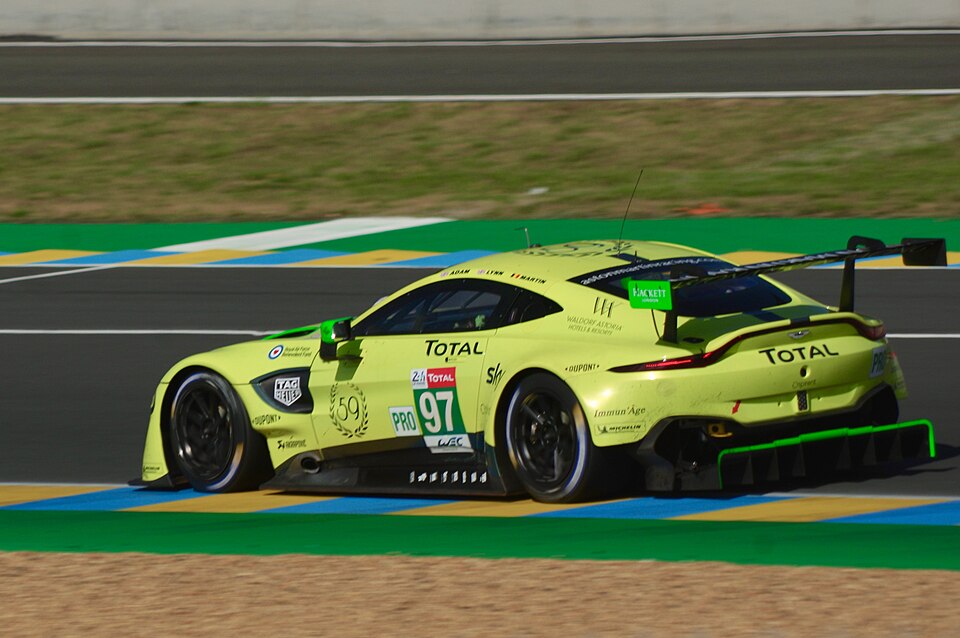
The LMGT3 class serves as the grand touring category, using FIA GT3-specification cars based on production models. This provides a more accessible platform for privateer and customer teams, with machinery that closely resembles road-going vehicles. The class awards its own separate driver and manufacturer trophies, creating exciting competition among a broad field of teams.
- LMGT3 Manufacturers (2026): Aston Martin, BMW, Corvette, Ferrari, Ford, Lexus, McLaren, Mercedes-AMG, Porsche.
- Regulations: FIA GT3 standards with cost-control measures.
- Role: Support class; focuses on GT-specific championships and intense manufacturer rivalries.
With nine manufacturers, LMGT3 offers one of the most competitive GT fields in world motorsport, featuring iconic brands like Porsche and Ferrari alongside newer entries like Ford and Lexus.
Class Differentiation: Prototype vs. Production-Based Racing
The contrast between Hypercar and LMGT3 is fundamental to the WEC’s appeal. Hypercar represents the cutting edge of prototype technology, while LMGT3 celebrates production-based racing. The following table highlights key differences:
| Feature | Hypercar | LMGT3 |
|---|---|---|
| Car Type | Purpose-built prototype | Production-based grand tourer |
| Regulations | LMH / LMDh | FIA GT3 |
| Performance | Higher top speed, more downforce, hybrid systems allowed | Slightly lower performance, closer to road-car dynamics |
| Manufacturer Approach | Works teams, factory programs | Primarily customer teams, privateer entries |
| Role in Championship | Title contenders, overall race winners | Support class, GT-specific trophies |
This dual-class structure allows the WEC to showcase both technological innovation and relatable, brand-focused competition. Hypercar captures headlines with its futuristic prototypes, while LMGT3 delivers door-to-door racing with recognizable car models. The coexistence of these classes makes each WEC event a rich, multi-layered spectacle.
2026 Season Outlook: New Entrants, Withdrawals, and Le Mans Focus
Genesis Magma Racing: New Hypercar Challenger for 2026
Genesis Magma Racing enters the WEC in 2026 as a new manufacturer in the Hypercar class, marking the first time a Korean brand competes at the top level of endurance racing. Genesis, the luxury division of Hyundai, brings fresh investment and a distinctive design philosophy to the championship. This expansion increases the Hypercar grid to eight manufacturers and underscores the growing global appeal of the series.
Genesis’s involvement also highlights the trend of luxury automotive brands using endurance racing as a platform for technological development and brand elevation. Their debut will be closely watched as they develop their LMH or LMDh machinery and build a driver lineup to compete against established giants like Toyota and Ferrari.
Porsche Penske Motorsport Withdrawal: Impact on Hypercar Field
Porsche Penske Motorsport has withdrawn its works team from the Hypercar class for 2026, a significant shift after a strong debut season with the Porsche 963 in 2023. While the factory effort is exiting, customer teams such as Proton Competition may continue running the 963, ensuring Porsche’s technology remains on track. This withdrawal reduces the number of full factory entries in Hypercar and could alter the competitive balance, potentially opening opportunities for other manufacturers like Cadillac or Genesis.
Porsche’s decision reflects the financial and strategic pressures even top brands face in top-tier motorsport. However, Porsche’s continued presence through customer programs maintains its visibility in the championship while allowing the company to redirect resources, possibly toward other series like Formula 1 or its electric racing ventures.
24 Hours of Le Mans 2026: The Crown Jewel Event
The 24 Hours of Le Mans, scheduled for June 10-14, 2026, at the Circuit de la Sarthe, remains the ultimate test of endurance and the most prestigious race on the WEC calendar. First held in 1923, Le Mans is part of the Triple Crown of Motorsport and attracts hundreds of thousands of spectators annually. The race challenges man and machine over a grueling 24-hour period on a circuit that combines public roads with dedicated racing sections.
For manufacturers, victory at Le Mans carries immense historical weight and marketing value. In the WEC context, Le Mans awards double points toward the championships, making it a pivotal event for title contenders. The 2026 edition will continue this legacy, with Hypercar and LMGT3 classes battling for overall and class honors respectively, under the iconic French summer skies.
São Paulo, Fuji, and Bahrain: Other Key 2026 Rounds
Beyond Le Mans, the 2026 calendar features several other significant events that round out the global challenge:
- 6 Hours of São Paulo (July 12): Returns to Brazil after a recent absence, bringing WEC to the enthusiastic South American fans at the Interlagos circuit, known for its undulating layout and passionate crowds.
- Lone Star Le Mans (September 6): Held at the Circuit of the Americas in Austin, Texas, this event showcases modern American motorsport facilities and has become a staple of the WEC’s Americas swing.
- 6 Hours of Fuji (September 27): The Japanese round offers a scenic setting with views of Mount Fuji and a challenging circuit that often features unpredictable weather, testing teams’ adaptability.
- 8 Hours of Bahrain (November 7): The new season finale takes place under the floodlights of the Sakhir circuit in the desert, providing a dramatic night-race conclusion to the championship.
Each of these races contributes to the championship’s diverse character, with varying circuit types, climates, and logistical challenges that truly test endurance across the season.
The most surprising development in the 2026 preview is the postponement of the Qatar 1812km due to geopolitical tensions in the Middle East—a rare instance of world events directly reshaping a major motorsport calendar. This underscores how the WEC operates within a global context where stability cannot be taken for granted.
The most surprising development in the 2026 preview is the postponement of the Qatar 1812km due to geopolitical tensions in the Middle East—a rare instance of world events directly reshaping a major motorsport calendar. This underscores how the WEC operates within a global context where stability cannot be taken for granted.
For fans wanting to experience the pinnacle of prototype racing, the specific action step is to visit the official FIA WEC website (fiawec.com) to view the full updated calendar, purchase tickets for the 24 Hours of Le Mans, and follow the progress of new entrants like Genesis Magma Racing and defending champions Toyota throughout the season. The championship’s blend of cutting-edge technology, global venues, and historic prestige makes it a must-follow series for any motorsport enthusiast, providing a gateway to international motorsports beyond F1.
