
Holistic training for racing drivers is a comprehensive program that integrates physical conditioning, mental acuity, technical skill development, and optimal nutrition into a unified development plan. In 2026, this approach is recognized by top motorsport teams and coaching programs as essential for peak performance, moving beyond isolated fitness to create well-rounded racers who can withstand extreme physical demands, make split-second decisions, and continuously improve through data. The most successful drivers no longer rely on raw talent alone; they build a synergistic system where each training pillar reinforces the others.
- Integrated methodology: Combines physical, mental, technical, and nutritional elements into one cohesive program.
- Physical foundation: Includes cardiovascular endurance (running, cycling), strength training (core, neck), heat acclimatization (hot/cold plunges), and mobility work.
- Mental edge: Techniques like visualization, reaction drills, mental focusing (“mental bubble”), and mindfulness (4-7-8 breathing) build cognitive resilience.
- Technical mastery: Telemetry review with engineers and simulator work turn data into driving improvements.
- Nutrition critical: In-car hydration systems, electrolytes, and high-protein diets fuel performance and recovery.
What Is Holistic Training for Racing Drivers? An Integrated Approach to Peak Performance
The core philosophy of holistic training is that a race car driver’s performance cannot be optimized by focusing on any single element in isolation. Historically, driver development often prioritized physical fitness and basic car control. Modern holistic programs, however, explicitly integrate four pillars: physical conditioning, mental/cognitive training, technical/data analysis, and nutrition. The goal is to create a driver whose physical stamina supports sustained mental focus, whose technical understanding is sharpened by cognitive preparation, and whose nutritional strategy ensures consistent energy and recovery. This comprehensive model is now considered the industry standard for drivers aiming for professional careers, as it addresses the multifaceted demands of contemporary motorsport where cockpit temperatures can exceed 130°F and G-forces test both muscular endurance and cognitive clarity.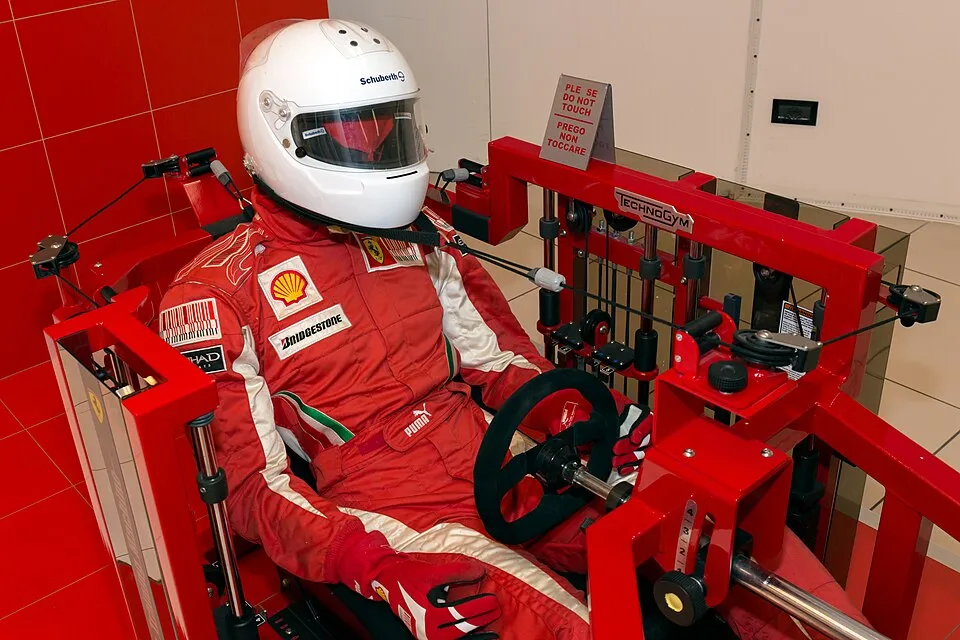 Defining the Holistic Training Paradigm
Benefits of a Unified Development Program
A unified holistic program delivers tangible, measurable advantages that isolated training cannot achieve. The primary benefits include:
- Enhanced physical resilience to G-forces and heat: A structured strength and heat acclimation regimen allows drivers to maintain precise control and cognitive function when their body is under extreme stress, preventing physical fatigue from degrading lap times.
- Improved mental focus and stress management during races: Specific mental conditioning techniques, such as developing a “mental bubble,” enable drivers to filter out race-day distractions and maintain a calm, flow-state mindset, leading to fewer unforced errors under pressure.
- Faster technical skill acquisition through data-driven feedback: Regular telemetry review transforms subjective feelings about car handling into objective data, accelerating the learning curve for braking points, racing lines, and car setup optimization.
- Better overall health and longevity in the sport: A holistic focus on nutrition, recovery, and balanced physical training reduces injury risk, supports long-term athletic development, and helps drivers sustain competitive performance across multiple seasons.
Emerging Trends: Neurotechnology and Embodied Approaches
The frontier of holistic driver training in 2026 is defined by two emerging trends. First, the “ecological and embodied approach” is gaining traction. This philosophy emphasizes the functional coupling of perception and action, training the driver’s entire sensorimotor system to react instinctively to visual, auditory, and vestibular cues.
It moves beyond conscious technique drills to building subconscious, embodied responses that are faster and more reliable under fatigue. Second, neurotechnology is moving from concept to application. Cutting-edge teams and researchers are exploring EEG-equipped helmets that monitor a driver’s mental state—focus, stress, cognitive load—in real-time during laps.
This data provides unprecedented insight into the mental demands of different tracks or conditions, allowing for precise mental training interventions. While not yet mainstream due to cost and integration complexity, these technologies signal the next evolution of the holistic model, where mental metrics become as quantifiable as lap times.
Physical Conditioning and Nutrition: Building the Driver’s Body
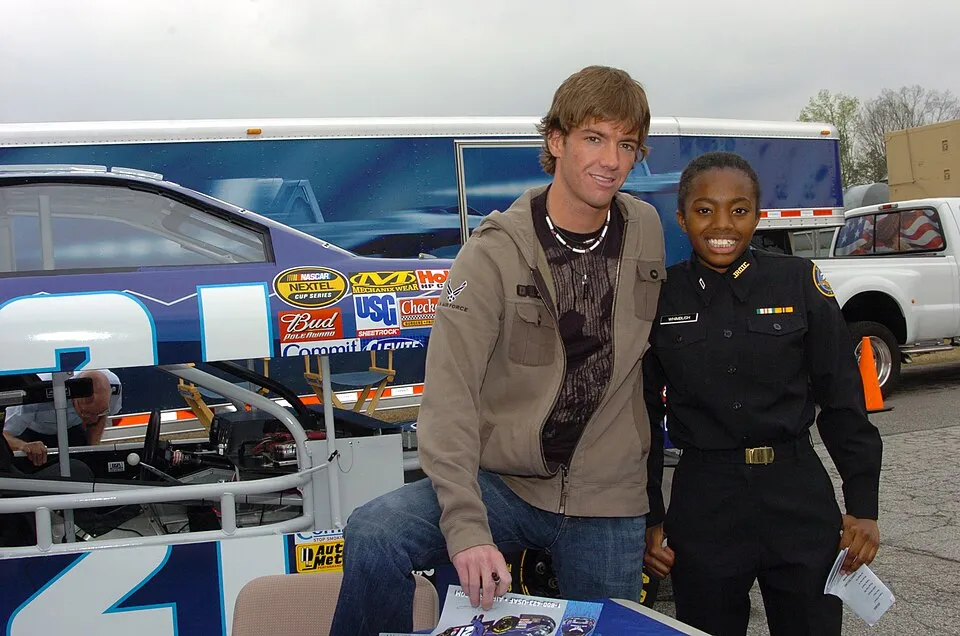
The demanding nature of motorsport requires a robust physical foundation that can withstand prolonged exposure to high G-forces, extreme cockpit heat, and sustained concentration. Physical conditioning is not about general fitness; it is targeted training that mimics the specific stresses of racing.
This pillar must be seamlessly integrated with nutrition and hydration strategies to ensure the body is both prepared to perform and equipped to recover. Neglecting this foundation directly compromises the effectiveness of mental and technical training, as physical discomfort or fatigue rapidly degrades cognitive resources.
The Four Pillars of Physical Conditioning
Effective driver physical training is built on four interconnected components. Each addresses a specific physiological challenge of racing.
| Training Component | Example Activities | Primary Benefit |
|---|---|---|
| Cardiovascular Endurance | Running, cycling, rowing, swimming | Builds stamina to maintain peak performance and focus throughout lengthy races without cardiovascular fatigue. |
| Strength and Core Stability | Core workouts, neck exercises, upper body power training | Withstands high lateral and braking G-forces, prevents injury, and provides stability for precise control inputs. |
| Heat Acclimatization | Alternating hot tubs and cold plunges, sauna sessions | Improves the body’s thermoregulation, allowing drivers to maintain cognitive clarity and physical composure in >130°F cockpits. |
| Mobility and Flexibility | Dynamic stretching, mobility drills, yoga | Prevents injury, maintains full range of motion for pedal and steering operation, and ensures cockpit comfort over long stints. |
These components do not function in isolation; they create a synergistic physical system. Heat acclimatization, for instance, directly supports mental focus by preventing the cognitive decline associated with overheating. A strong core and neck allow a driver to physically hold a correct racing line under high G-loads without muscle fatigue, which in turn allows technical skills to be applied consistently.
Conversely, neglecting any single pillar creates a performance bottleneck. A driver with excellent cardiovascular fitness but poor neck strength will see their physical endurance compromised as neck muscles fatigue, forcing them to relax their grip and lose precious tenths. Similarly, without mobility work, stiffness can limit the range of motion needed for aggressive heel-and-toe downshifts or rapid steering corrections.
Nutrition and Hydration Strategies for Race Day
Nutrition is the fuel that powers the physical and mental engine. A haphazard diet undermines even the most rigorous training. Modern racing nutrition focuses on consistency, energy availability, and gastrointestinal comfort under stress.
- In-car hydration systems: Drivers use systems like Camelbaks or custom-mounted drink bottles to consume fluids during races. This combats significant sweat loss (drivers can lose 2-3 liters per hour in a hot cockpit) and prevents dehydration-induced cognitive decline.
- Electrolyte consumption: Sweat loss includes critical electrolytes like sodium and potassium. Drivers consume electrolyte-enhanced drinks or supplements before and during events to maintain nerve and muscle function, preventing cramps and maintaining reaction speed.
- High-protein diet: A diet rich in lean protein supports constant muscle repair from intense training and racing. It also helps stabilize blood sugar, providing sustained energy and, critically, reducing the risk of stomach issues that can be exacerbated by G-forces.
- Meal timing: The standard practice is to eat a substantial, balanced meal 2-3 hours before a race session. This provides available energy while allowing enough time for digestion, avoiding discomfort or nausea during high-G maneuvers. Post-session nutrition within the “anabolic window” (30-60 minutes) is equally vital for recovery.
Mental and Technical Training: The Cognitive and Analytical Edge
While the physical body is the instrument, the mind is the pilot. Mental and cognitive training provides the competitive edge that separates good drivers from great ones.
It builds the resilience to manage pressure, the focus to execute complex sequences, and the mental stamina to make flawless decisions late in a race when fatigue sets in. This pillar is deeply intertwined with technical training; data analysis provides objective feedback, but the mental capacity to process that data, learn from mistakes without ego, and implement changes under pressure is what turns information into improvement.
Mental Conditioning Techniques for Race Focus
Mental training is a disciplined practice, not just positive thinking. Drivers use specific, actionable techniques to build cognitive resilience.
- Visualization: This is not passive daydreaming. Drivers conduct detailed, sensory-rich mental rehearsals of entire laps, specific overtakes, or recovery from spins. They imagine the track layout, car feedback, gear shifts, and even potential errors. This creates and strengthens neural pathways, making the actual execution feel familiar and reducing the cognitive load during the real event.
- Reaction drills: Using specialized tools—from simple light-based reaction trainers to more complex simulator-based scenarios—drivers practice improving their raw reaction times to visual cues. The key is to perform these drills under simulated physical stress (e.g., after a hard cardio set) to mimic the depleted state of a late-race situation, training the mind to react quickly even when the body is tired.
- The “mental bubble”: This is a focused attention strategy. Drivers are trained to intensely concentrate on a narrow set of controllable factors: their own braking points, apexes, throttle application, and the specific feedback from their car. They consciously filter out uncontrollable factors: competitors’ positions, race strategy of others, crowd noise, or potential outcomes. This prevents mental energy from being wasted on anxiety about things they cannot directly influence.
- Mindfulness and stress management: Techniques like the 4-7-8 breathing method (inhale for 4 seconds, hold for 7, exhale for 8) are used pre-race and during brief moments on track (e.g., behind the safety car) to actively reduce heart rate, lower cortisol, and regain a calm, focused “flow state.” Brain endurance training, a specific subset, targets the mind’s resistance to mental fatigue through prolonged cognitive tasks.
Technical Skill Development Through Data Analysis
Technical training in a holistic framework is deeply collaborative and data-informed. It moves beyond seat time to a cycle of performance, analysis, and adaptation. The process involves regular, structured telemetry review sessions with engineers.
After a practice session or race, the driver and engineer compare the driver’s lap data (throttle position, brake pressure, steering input, speed traces) against a benchmark lap—often the team’s fastest driver or an ideal “perfect lap.” The goal is to identify specific, objective discrepancies, particularly in braking techniques (e.g., braking 5 meters later at Turn 3), cornering speed, and throttle application. This turns subjective feelings (“the car felt loose here”) into actionable data points. The driver then returns to the track with a precise, single-point objective for the next session.
This iterative loop of data-driven feedback is what accelerates technical skill acquisition far beyond what seat time alone can achieve. It integrates the mental aspect by requiring the driver to process complex information, accept constructive criticism, and mentally encode the corrected technique.
Training Tools: Simulators and Neurocognitive Drills
Several tools facilitate the integration of mental and technical training outside the race car.
- Simulator work: Advanced, motion-capable simulators are used to learn new tracks, practice specific race scenarios (like restart procedures or wet-weather conditions), and test new setups, helping drivers master cornering techniques without the cost or risk of real-world track time. This builds procedural memory and reduces the cognitive load of learning on track, freeing mental resources for pure performance.
- Neurocognitive drills: These are specialized exercises, often delivered via tablet or computer-based platforms, designed to improve specific cognitive functions like peripheral vision awareness, decision-making speed, and resilience to mental fatigue. They are typically used in conjunction with physical exertion to simulate the combined demands of a race.
- Simulator work: Advanced, motion-capable simulators are used to learn new tracks, practice specific race scenarios (like restart procedures or wet-weather conditions), and test new setups without the cost or risk of real-world track time. This builds procedural memory and reduces the cognitive load of learning on track, freeing mental resources for pure performance.
- Neurocognitive drills: These are specialized exercises, often delivered via tablet or computer-based platforms, designed to improve specific cognitive functions like peripheral vision awareness, decision-making speed, and resilience to mental fatigue. They are typically used in conjunction with physical exertion to simulate the combined demands of a race.
Closing
Holistic training for racing drivers represents a paradigm shift from fragmented conditioning to a synergistic program where mental rehearsal sharpens physical execution, and data analysis refines technical skill. The most surprising insight is that neglecting any single component—like skipping mental training or ignoring nutrition—can undermine the entire development effort. A driver with peak physical fitness but poor mental focus will make errors; a technically skilled driver without physical endurance will fade late in races.
To start building your holistic program, audit your current routine: ensure you’re dedicating equal focus to visualization, strength training, telemetry review, and hydration strategies. Seek out racing coaching programs that explicitly integrate all four pillars, such as those offered by ARDS-certified instructors who combine modern telemetry analysis with mindfulness techniques. Understanding how these elements interconnect is the key to unlocking sustained peak performance in the demanding world of motorsport, and racing coaching can provide the structured guidance to integrate these elements effectively.
