
Cultural differences in international motorsports significantly impact team cohesion, fan engagement, and on-track behavior, with communication styles varying from direct in the US to indirect in Asia (thementalgame.me, 2024). These nuances affect team performance in global events. Navigating this landscape requires understanding licensing requirements (licensing requirements) and leveraging cultural intelligence.
Success depends on adapting to diverse environments, from NASCAR’s community-focused circuits to F1’s high-pressure paddocks. This guide examines how cultural differences shape team dynamics, fan interactions, and racing etiquette across major motorsport regions, with insights from pioneers like Sarah Moore, a key figure in world racing.
- Communication styles vary: direct in US/Australia vs. indirect in Asia for harmony (thementalgame.me, 2024).
- Fan cultures differ: NASCAR’s blue-collar loyalty vs. F1’s post-2021 social media toxicity (buzzradar.com, undated).
- Racing etiquette contrasts: expressive Italian vs. polite Japanese driving styles (medium.com/leaders-tank, undated).
Cultural Differences in Team Dynamics: Communication, Hierarchy, and Work Ethic
Communication Styles and Hierarchical Structures
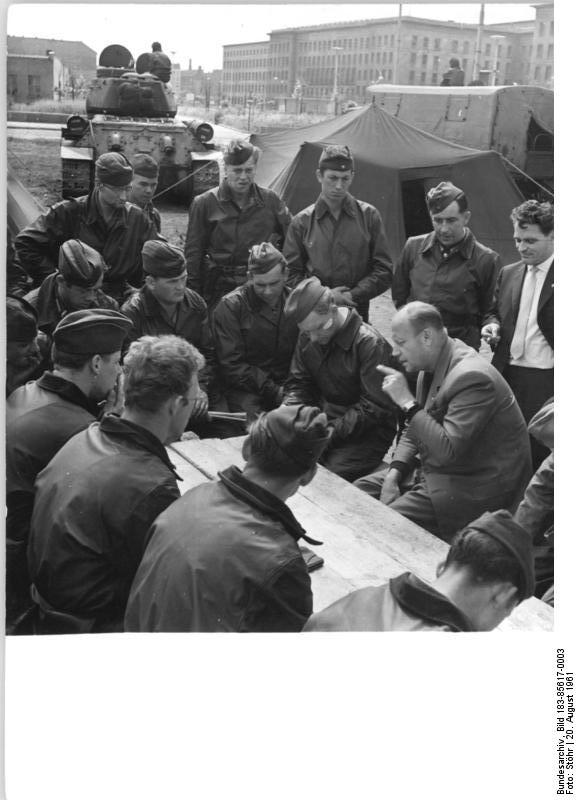
In international motorsport teams, communication styles differ dramatically across cultures. Teams in the US and Australia tend to use direct, blunt feedback, where engineers and drivers speak openly about performance issues. In contrast, Asian teams often employ indirect communication to maintain harmony and avoid confrontation, using subtle hints or group consensus (thementalgame.me, 2024).
Hierarchical structures also vary: some European teams maintain strict, top-down command chains where senior engineers make final decisions, while American teams may adopt a more collaborative approach, valuing input from all crew members (jalopnik.com, undated). These differences can cause misunderstandings; for example, a direct critique from an American engineer might be seen as disrespectful by an Asian driver, leading to reduced trust.
Effective teams recognize these patterns and adapt their management style, ensuring clear communication channels and respecting cultural norms to maintain cohesion and make swift, inclusive decisions. When hierarchies are too rigid, valuable insights from junior staff may be lost, whereas overly flat structures can create ambiguity during critical moments.
Work Ethic Differences and the Role of Cultural Intelligence
- Work Ethic Contrast: European motorsport teams emphasize precision, technical perfection, and meticulous preparation, instilling these values from racing knowledge for junior drivers programs onward. American teams, particularly in NASCAR, adopt a more relaxed, spectacle-focused approach, balancing performance with entertainment value and fan engagement (jalopnik.com, undated).
-
Cultural Intelligence (CQ): CQ is the ability to understand and adapt to different cultural contexts.
In multicultural racing teams, high CQ helps bridge communication gaps, manage conflicts, and harness diverse perspectives for innovation while maintaining team cohesion (PMC10766013, 2023).
- Performance Data: Research shows that high-diversity teams outperform homogeneous ones when cultural differences are actively managed, as varied viewpoints lead to creative problem-solving and better strategic decisions (PMC10100611, undated).
-
Case Study – Sarah Moore: As a pioneering LGBTQ+ driver with an 18-year career, Sarah Moore broke barriers by becoming the first female TOCA-sanctioned race winner and the first openly LGBTQ+ driver on an F1 podium in 2021 (nationalmotormuseum.org.uk, Mar 2025).
Her success underscores how inclusion and cultural awareness drive individual and team achievement. Explore her journey at Sarah Moore Racing.
Cultural Differences in Fan Engagement: NASCAR, F1, and Asian Motorsport
NASCAR’s Blue-Collar Community vs F1’s Social Media-Fueled Fan Wars
NASCAR’s fanbase is deeply blue-collar and community-driven, with traditions like camping at tracks, tailgating, and close access to drivers fostering intense loyalty (youtube.com/watch?v=17aWizvN5ZA). Fans often attend races as multi-day events, building relationships with fellow supporters and teams. In contrast, Formula 1’s audience has shifted from elite to predominantly youthful since Netflix’s Drive to Survive launched in 2021, but this growth has sparked intense social media ‘fan-wars’ and rising toxicity (buzzradar.com, undated).
F1 fans engage globally through online platforms, debating team strategies and driver performances, sometimes leading to hostile exchanges. While NASCAR’s engagement is rooted in in-person community and local identity, F1’s is digital and often polarized, with fan loyalty driven more by star drivers and team rivalries than regional ties. Understanding these cultural differences helps teams tailor their fan interactions effectively.
NASCAR drivers frequently participate in fan meet-and-greets and autograph sessions, reinforcing approachability. F1 drivers, due to tighter schedules and higher security, have less direct access, fueling a more distant but intensely debated fan dynamic.
The diversity of fan cultures across international motorsports series requires tailored engagement strategies. Teams can learn to enhance fan experience through similar strategies, as detailed in guides on how racing knowledge enhances fan experience.
Asian Tech Innovation Focus and Global Fan Toxicity Trends
| Region/Series | Key Characteristics | Notable Trends |
|---|---|---|
| Asia (Formula E) | Fans emphasize technology, data analytics, and environmental innovation. High engagement with real-time telemetry and battery tech discussions. | Growing interest in electric vehicle tech spillover to consumer markets; strong social media engagement focused on engineering breakthroughs. |
| Global (F1/IndyCar) | F1 fanbase shows rising toxicity post-2021, with online discourse becoming increasingly aggressive and polarized. | Predictions indicate similar toxicity trends may emerge in IndyCar as its digital presence grows (buzzradar.com, undated). |
The table highlights how Asian motorsport fans prioritize technological advancement, particularly in series like Formula E, while Western series face challenges with fan toxicity.
Teams entering these markets must adapt their engagement strategies: in Asia, highlighting technical partnerships and sustainability efforts resonates; in F1, managing online communities and promoting respectful dialogue is becoming essential for long-term fan health. To capitalize on this tech-focused fanbase, teams should integrate advanced data analytics and sustainability messaging, as explored in technology integration in racing.
How Do Cultural Differences Shape Racing Etiquette and On-Track Behavior?
Driving Style and Track Type: Regional Preferences
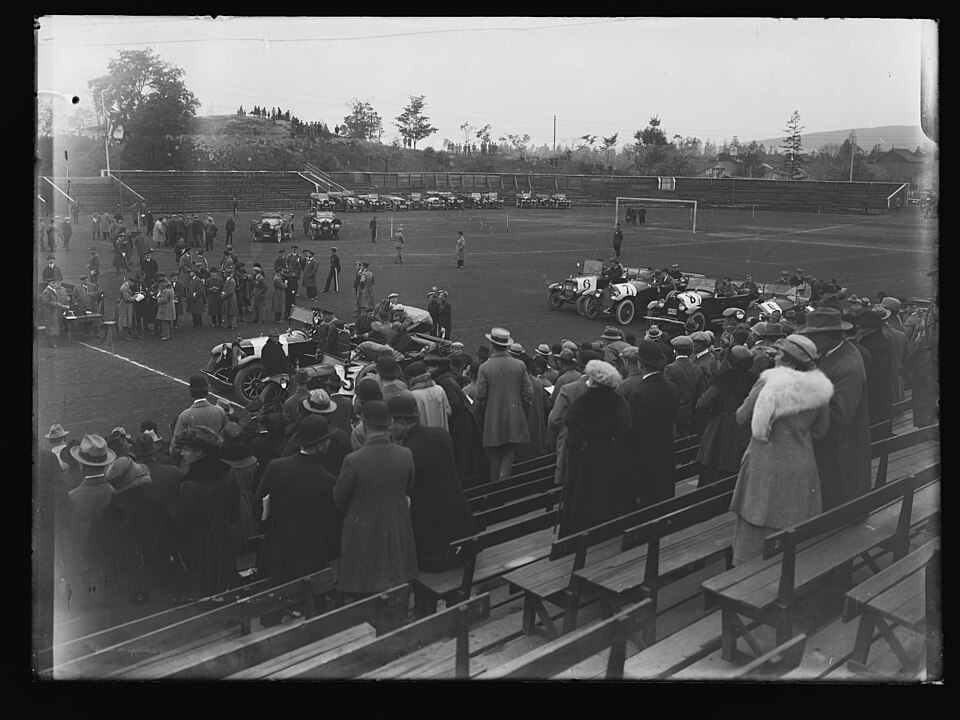
Driving styles reflect cultural norms: Italian drivers are often expressive and flamboyant, using aggressive moves and dramatic overtakes, while Japanese drivers tend to be polite and precise, emphasizing clean passes and respect for competitors (medium.com/leaders-tank, undated). These styles influence on-track behavior, with Italian drivers more likely to take risks in tight situations. Track design also varies by region: European circuits like those in Formula 1 feature smooth asphalt, technical corners, and emphasis on aerodynamic precision, encouraging calculated, consistent driving.
American ovals, especially in NASCAR, are high-banked and promote close, bumper-to-bumper racing where drivers must be aggressive and comfortable with physical contact. These regional preferences shape driver expectations; a European driver might find American oval racing excessively rough, while an American might view European circuits as too sterile.
Understanding these differences is crucial for drivers competing internationally, as adapting to local etiquette can prevent conflicts and improve performance. For example, in endurance racing like the WEC, which combines European and American tracks, drivers must switch between smooth and aggressive styles, requiring high adaptability.
Unwritten Overtaking Rules: Sources of Friction in International Fields
Unwritten overtaking rules differ across cultures and can cause significant friction in international series. In some European traditions, it’s considered unsportsmanlike to overtake a teammate unless absolutely necessary, preserving team orders. In contrast, American racing often encourages drivers to fight for every position, viewing team-mate battles as acceptable competition.
These conflicting expectations lead to disputes when drivers from different backgrounds share a grid. For instance, in Formula 1, clashes between drivers from collectivist cultures (who prioritize team results) and individualist cultures (who prioritize personal success) have sparked controversies over team orders and on-track aggression. Such friction not only affects race outcomes but also team morale.
Recognizing these cultural nuances helps teams establish clear pre-race agreements and mediate conflicts, ensuring smoother operations in multicultural championships. These unwritten rules often lead to on-track incidents, underscoring the importance of racing safety knowledge in preventing accidents. The lack of standardized overtaking protocols means that what one driver sees as fair racing, another may view as reckless, highlighting the need for cultural sensitivity briefings in international teams.
Perhaps the most surprising finding is that cultural intelligence (CQ) is more critical than technical skill for success in multicultural racing teams. While engineering excellence is vital, the ability to navigate communication styles, work ethics, and fan expectations ultimately determines long-term performance. Teams should implement CQ training and diverse recruitment to leverage cultural differences as a source of innovation.
Start by assessing your team’s cultural awareness, provide cross-cultural communication workshops, and create inclusive policies that respect diverse perspectives. By doing so, you’ll transform cultural challenges into competitive advantages, much like Sarah Moore’s advocacy has shown.
