Engine mapping for 2026 racing focuses on balancing performance, reliability, and fuel efficiency under new F1 regulations. The FIA’s 2026 rules reduce fuel flow to approximately 75kg/h and bring back selectable engine maps, allowing drivers to switch modes for strategic overtaking.
With the mandate of 100% sustainable drop-in fuels, teams must remap engines to handle new combustion characteristics, making precise ECU tuning more critical than ever. This guide explains the step-by-step process, how 2026 rules change strategy, and how to protect your engine from common risks.
- 2026 F1 regulations reduce fuel flow to ~75kg/h and mandate 100% sustainable drop-in fuels, forcing remapping for efficiency (FIA, 2026).
- Lean AFR tuning (16:1+) can save fuel but risks EGT spikes and engine damage; proper sensor calibration (wideband O2, MAP, EGT) is critical (Motorsport Calibrations, 2025).
- Multiple engine maps (e.g., Map 1 full power, Map 7 lean economy) allow drivers to switch modes for qualifying vs. race, with mapping tricks returning for strategic overtakes (TheParcFerme.com, 2026).
The Engine Mapping Process for 2026 Racing: A Step-by-Step Guide
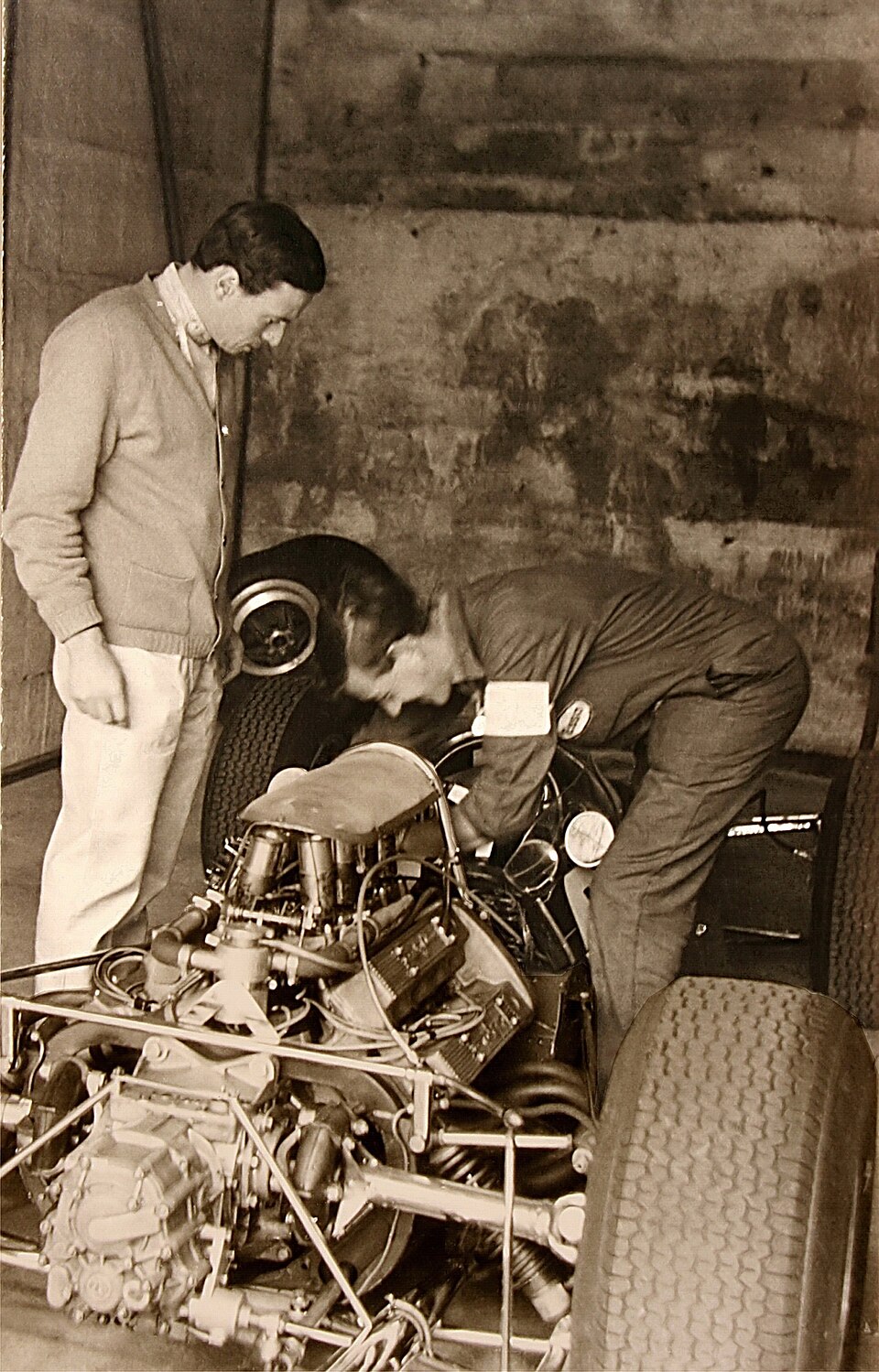
Creating effective engine maps for 2026 racing starts with a systematic dyno-based process. Teams use dynamometers to simulate track loads and collect comprehensive data across all engine operating points. This data feeds into modern ECU software to build three-dimensional fuel and ignition maps.
The goal is a baseline that delivers peak power when needed while preserving reliability under the stricter 75kg/h fuel flow limit. For 2026, this process must also account for the unique properties of 100% sustainable fuels, which may burn at different rates and require adjusted ignition timing.
3D Fuel/Ignition Maps: Using Dyno Data to Model RPM vs. Load
- Dyno testing collects data: Engines are run on load-bearing dynamometers that simulate real-world conditions. Sensors record performance at various RPM and load combinations, from low-speed cornering to full-throttle straights.
-
3D map creation: ECU software interpolates this data into three-dimensional surfaces.
The X-axis is engine speed (RPM), the Y-axis is load (typically manifold pressure or throttle position), and the Z-axis represents the value being mapped—such as fuel injection duration or ignition advance angle.
- Parameters adjusted: Key maps include fuel delivery (injector pulse width), ignition timing (degrees before top dead center), and throttle response curves. For 2026, additional maps may control MGU-K deployment and sustainable fuel enrichment strategies.
- Modern ECU precision: Today’s Formula 1 ECUs allow adjustments in 0.1% increments for fuel and 0.1-degree steps for ignition, enabling extremely fine optimization around the 75kg/h fuel flow ceiling.
This 3D mapping creates a flexible foundation. Teams then develop multiple map versions—one for qualifying with maximum power, another for race efficiency with leaned-out AFRs.
The process is iterative: initial dyno runs, track testing, telemetry analysis, and repeated dyno refinement. For 2026, the return of selectable maps means teams must create several distinct map sets that drivers can switch between during a race, each optimized for different strategic scenarios while staying within the sustainable fuel constraints.
Lean AFR Tuning: Achieving 16:1+ for Fuel Savings Without Engine Damage
Lean air-fuel ratio (AFR) tuning is central to 2026 fuel efficiency. The stoichiometric ratio for gasoline is 14.7:1 (perfect combustion).
Leaning out to 16:1 or higher means more air, less fuel, which directly reduces fuel consumption—critical under the 75kg/h limit. Direct injection engines can theoretically run as lean as 20:1–25:1, but racing applications typically target 16:1–18:1 for a safe margin.
The process involves gradually reducing fuel in specific RPM/load zones on the dyno while monitoring exhaust gas temperatures (EGT) and knock sensors. A 1% fuel reduction might save 0.5% fuel flow but could raise EGT by 25°C–50°C. The risk is catastrophic: prolonged high EGT melts pistons and valves; knock (detonation) can shatter pistons or damage cylinder walls.
For 2026’s sustainable fuels, which may have different energy densities and burn rates, lean tuning requires even more caution. Teams use wideband oxygen sensors and multiple EGT probes to create safe lean zones, often limiting lean operation to mid-corner and high-speed sections where engine load is moderate. The most successful teams combine lean maps with driving techniques like lift-and-coast and short-shifting, which can yield greater net fuel savings than aggressive lean tuning alone without increasing failure risk.
How Do 2026’s New Rules Change Your Mapping Strategy?
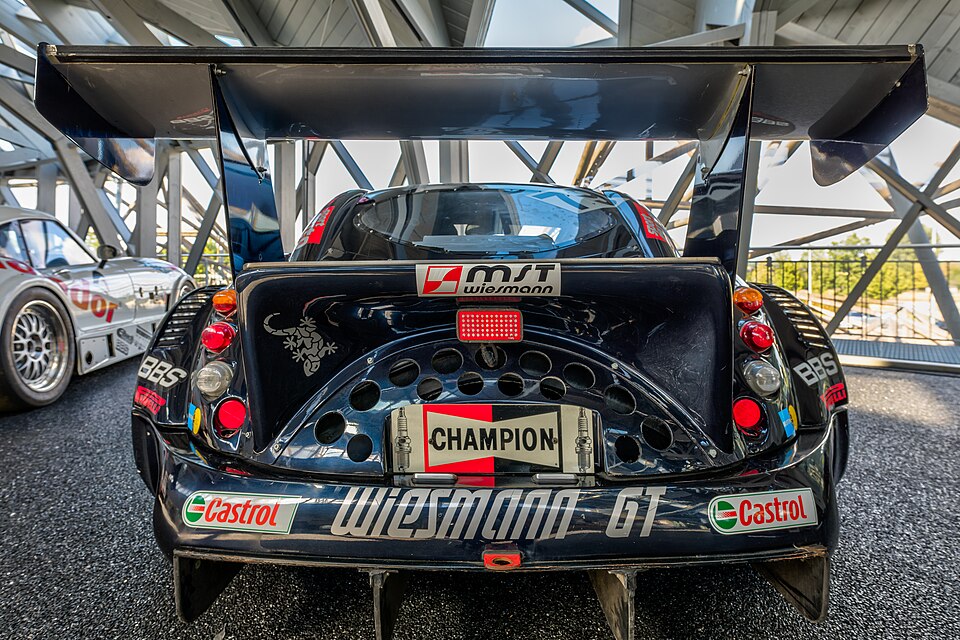
The 2026 Formula 1 technical regulations overhaul power unit requirements, forcing a complete rethink of engine mapping strategy. The 25% reduction in fuel flow—from 100kg/h to 75kg/h—means every milligram of fuel must produce maximum work. Simultaneously, the mandatory use of 100% sustainable drop-in fuels introduces new combustion characteristics that require recalibrated ignition timing and injection events.
Perhaps most significantly, the return of selectable engine maps after a decade-long ban gives drivers tactical tools to manage fuel flow dynamically during a race. Teams must now design multiple map profiles that balance immediate performance needs with long-term energy conservation, all while navigating the constraints of the new MGU-K system and active aerodynamics.
Selectable Engine Maps: Strategic Mode Switching for Overtakes and Defense
- Return of selectable maps: After being banned since 2014, 2026 F1 rules allow drivers to switch between pre-programmed engine maps via steering wheel controls. This reintroduces a strategic layer lost during the frozen engine era.
-
Qualifying vs. race modes: Typical map numbering: Map 1 delivers absolute maximum power for qualifying, often with aggressive ignition advance and rich mixtures for cooling.
Map 7 might be a lean economy map for race laps, prioritizing fuel conservation.
- Strategic overtaking: “Mapping tricks” refer to temporary switches to high-power maps for overtaking maneuvers, then immediate reversion to lean maps to recover fuel budget. This allows brief bursts of extra power without exceeding the average fuel flow limit.
- Team usage examples: Mercedes, Audi, and Red Bull Powertrains are known to use advanced mapping to convert fuel energy into electric power via the MGU-K, effectively using the hybrid system to supplement ICE power during map switches (GPBlog, Dec 2025).
This tactical flexibility changes race dynamics. A driver can defend position by briefly activating a high-power map on a straight, then switch back to lean for the following corners to stay within fuel limits.
Teams must simulate countless race scenarios to determine optimal map-switch points and durations. The psychological aspect also returns: drivers must judge when to use their “overtake map” for maximum effect, knowing they have a limited number of activations per race based on fuel budget. This contrasts sharply with the previous uniform map strategy where all laps were run with the same calibration.
Fuel Flow and Sustainable Fuels: Mapping Within 75kg/h with 100% Drop-in
| Parameter | 2025 (pre-2026) | 2026 |
|---|---|---|
| Fuel flow limit (kg/h) | 100 | ~75 |
| Sustainable fuel requirement | Not mandated (conventional fuels allowed) | 100% drop-in sustainable fuel |
| Typical AFR range for efficiency | 14.7–15.5 (near stoichiometric) | 16:1+ (lean burn for conservation) |
The 25% fuel flow reduction is the most dramatic constraint. Teams cannot simply lean out existing maps; they must redesign power delivery to extract more work per kilogram of fuel. Sustainable fuels, while marketed as “drop-in,” often have different energy densities, octane ratings, and vaporization characteristics.
Some bio-components may require richer mixtures during cold starts or different ignition advance curves to avoid knock. Mapping teams run extensive dyno tests with the actual 2026 fuel spec to identify these nuances. The result is a family of maps that might enrich slightly during acceleration to protect the engine but lean aggressively during steady-state cornering.
The 75kg/h limit is an average over a lap, so teams use predictive software to allocate fuel flow: higher flow on straights for overtakes, minimal flow in corners where aerodynamic drag dominates. This level of tactical mapping was unnecessary under the previous 100kg/h regime.
Critical Risks in Racing Engine Mapping: Protecting Your 2026 Engine
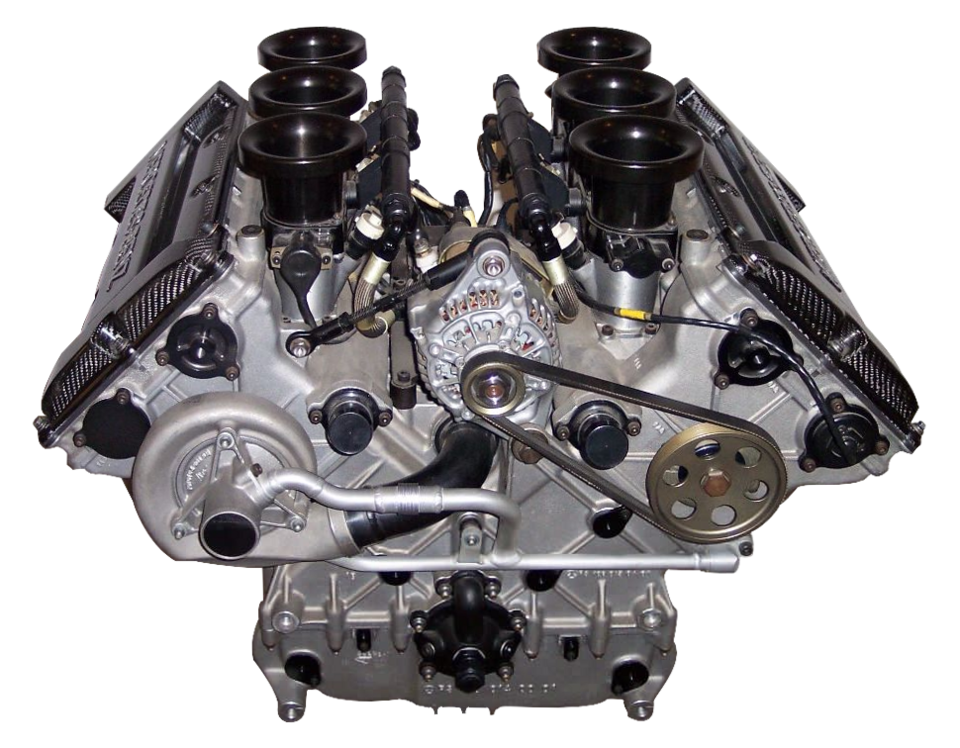
Aggressive engine mapping for 2026’s tight constraints introduces significant failure risks. The push for fuel efficiency through lean burn and high ignition advance can quickly lead to engine destruction if not carefully managed. Exhaust gas temperatures (EGT) become the primary limiter—sustained temperatures above 950°C can melt aluminum pistons and degrade exhaust valves.
Engine knock, caused by premature combustion, produces pressure spikes that can fracture pistons or bend connecting rods. For 2026 engines with their higher thermal loads from sustainable fuels and reduced fuel cooling, these risks are amplified. Proper sensor calibration and conservative tuning margins are essential to survive a full race distance or a multi-race engine allocation under the new 4-ICE-per-season rule.
EGT and Knock: The Dangers of Lean Burn and How to Monitor Them
Lean AFR increases combustion temperatures because there is less fuel to absorb heat. This raises exhaust gas temperatures, which can exceed the design limits of turbochargers, wastegates, and exhaust systems. More critically, high EGT radiates back into the combustion chamber, increasing the chance of auto-ignition (knock).
Knock occurs when the air-fuel mixture ignites from heat and pressure before the spark plug fires, creating a shockwave that damages pistons, rings, and bearings. Symptoms include a metallic pinging sound, sudden power loss, and rapid EGT rise. In 2026’s high-efficiency environment, a slightly lean map might save 0.2kg/h fuel but increase EGT by 80°C—a trade that could end an engine’s life in three laps.
Mitigation relies on real-time sensor data. Modern F1 ECUs use multiple EGT sensors (typically one per cylinder bank) and accelerometer-based knock sensors. When EGT approaches a threshold (e.g., 900°C), the ECU can automatically enrich the mixture or retard ignition timing.
For 2026, teams set these protection thresholds lower due to sustainable fuels’ different thermal properties. Telemetry systems alert engineers to rising EGT or knock events, allowing them to instruct the driver to switch to a safer map.
The most successful teams design maps with built-in safety margins—targeting 16:1 AFR but allowing the ECU to enrich to 15.5:1 if EGT exceeds 850°C, for example. Without this layered protection, catastrophic failure is almost certain under race conditions.
Sensor Calibration and Professional Tuning: Avoiding Costly Mistakes
-
Critical sensors: Wideband oxygen sensors provide precise AFR readings (±0.1 accuracy). MAP (manifold absolute pressure) sensors measure engine load; for 2026’s higher boost pressures, 5-bar sensors may replace older 3-bar units. EGT sensors (type K thermocouples) track exhaust temperatures.
Knock sensors detect detonation vibrations.
-
Fuel trim limits: Short-term fuel trims should remain within ±5% of the base map. Trims consistently above +10% indicate the map is too lean; negative trims suggest over-fueling or sensor error.
Long-term trims outside ±8% require map revision.
- MAP sensor rescaling: Upgrading to a 5-bar MAP sensor (for higher boost levels in 2026) necessitates recalibrating the ECU’s voltage-to-pressure conversion. An uncalibrated 5-bar sensor read as 3-bar will cause severe over-boosting or lean conditions.
-
Professional dyno tuning: DIY mapping risks immediate engine damage. Professional tuners use load-controlled dynos with extensive sensor suites to safely explore the edges of performance. For 2026 engines with tighter fuel and thermal constraints, this expertise is non-negotiable.
Teams like Mercedes-AMG and Red Bull Powertrains employ dedicated calibration engineers who spend months developing 2026 maps before the season starts.
Sensor calibration is the foundation of safe mapping. A misreading wideband O2 sensor could cause the ECU to run 1.0 AFR leaner than commanded, instantly melting pistons.
MAP sensor errors might trigger excessive boost, over-stressing the engine beyond its 2026 component limits. Professional tuners verify sensor accuracy against laboratory standards before any mapping begins. They also account for sustainable fuel variations—different batches might require slight AFR adjustments.
The cost of a professional dyno session is minimal compared to an engine failure, which under 2026 rules could mean missing four races due to the ICE component limit. For any team serious about 2026 competition, investing in sensor calibration and expert tuning is the first step, not an optional expense.
The most surprising finding in 2026 engine mapping is the return of selectable maps after a 12-year ban, enabling tactical mode switches for overtakes that were previously impossible. This strategic layer, combined with the 75kg/h fuel flow limit and sustainable fuels, makes mapping more complex than ever. Action step: Begin with dyno testing to establish a safe, conservative baseline map that protects the engine under all conditions.
Only after this foundation is solid should you experiment with lean AFR zones or multiple map sets. Monitor EGT and knock sensors continuously during all tests, and keep fuel trims within ±5%. For those in professional racing, mastering these mappings is essential to compete under the new regulations—consider linking to our comprehensive guide on professional racing for broader career insights.
Additionally, the interplay between engine mapping and other 2026 changes—such as Formula 1 technical regulations, power unit technology, and tire compound strategy—requires a holistic approach. Even series like NASCAR, where pit stop strategies incorporate fuel mapping, can learn from these developments. As the season progresses, teams that balance innovation with reliability in their mapping will gain the decisive advantage.
