
Formula 1 power units are 1.6-liter V6 turbocharged hybrid systems producing around 1,000 horsepower, representing the pinnacle of motorsport engineering. These complex machines combine internal combustion with advanced energy recovery to deliver extraordinary performance on the world’s fastest circuits. They integrate six key components working as a unified system, with energy recovery systems like MGU-K and MGU-H boosting efficiency and power.
Understanding how these power units operate reveals the technological brilliance behind modern F1 racing and the engineering challenges teams face each season. The current regulations, in place since 2014, emphasize thermal efficiency and energy management, making F1 power units the most efficient racing engines in the world.
- F1 power units integrate six components: ICE, turbocharger, MGU-H, MGU-K, energy store, and control electronics, working as a unified system.
- The MGU-K alone can contribute up to 160 horsepower by recovering kinetic energy during braking, significantly boosting total output.
- These hybrid engines rev to 15,000 RPM while achieving exceptional thermal efficiency, making them the pinnacle of motorsport engineering.
The 1.6-Liter V6 Turbocharged Hybrid Engine: Core of F1 Power Units
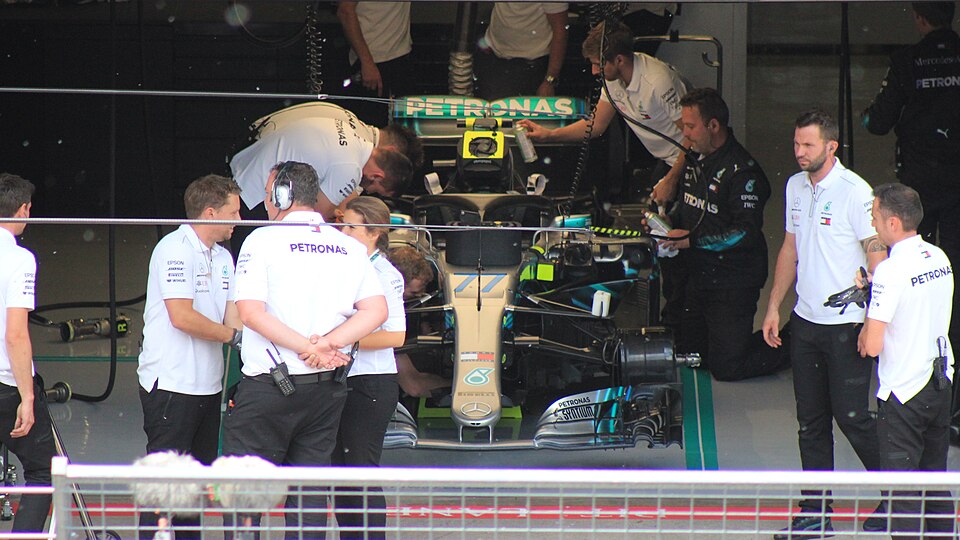
The Six Integrated Components: ICE, Turbocharger, MGU-H, MGU-K, Energy Store, and Control Electronics
- Internal Combustion Engine (ICE): A 1.6-liter 90-degree V6 engine that burns fuel to generate primary power.
- Turbocharger (TC): Uses exhaust gas to drive a turbine, forcing more air into the engine to increase power.
- Motor Generator Unit – Heat (MGU-H): Extracts thermal energy from exhaust gases and connects the turbocharger to the electric motor, eliminating turbo lag.
- Motor Generator Unit – Kinetic (MGU-K): Recovers kinetic energy during braking and contributes up to 160 horsepower to the drivetrain.
- Energy Store (ES): High-performance batteries that store electrical energy for later use.
- Control Electronics (CE): The ‘brain’ that manages power flow between all components.
These six components work together as a unified system. The control electronics coordinate their operation, ensuring seamless transitions between combustion and electric power. This integration allows F1 power units to achieve both immense power and exceptional efficiency, meeting the demanding requirements of Grand Prix racing.
For example, during acceleration, the MGU-K can provide immediate torque while the turbocharger spools, and the MGU-H can keep the turbo spinning even when the engine is at low RPM. This synergy is what makes modern F1 power units so effective. For a deeper dive into the 2026 hybrid systems, see the dedicated guide on 2026 F1 power unit technology.
Technical Specifications: 1.6-Liter Displacement, 90-Degree V6 Configuration
Formula 1 regulations mandate a 1.6-liter displacement limit for the internal combustion engine, a rule introduced in 2014 to promote efficiency and reduce costs. The V6 configuration, with cylinders arranged in a V shape at a 90-degree angle, offers an optimal balance between power and packaging. The 90-degree angle provides inherent balance, reducing vibrations and allowing for a lower center of gravity.
These engines can rev up to 15,000 RPM, made possible by a short stroke design and advanced materials like titanium alloys. However, such high revs come with significant trade-offs: increased fuel consumption and reduced engine life. The FIA sets the rev limit to control costs and improve reliability, as pushing beyond 15,000 RPM would exponentially increase development expenses and failure rates.
The combination of these specifications results in an engine that is both a marvel of engineering and a tightly regulated component of the sport. The 1.6-liter limit forces teams to maximize power through forced induction and energy recovery, rather than simply increasing displacement.
This has led to unprecedented levels of thermal efficiency, with current power units achieving over 50% efficiency compared to around 30% for typical road car engines. These specifications are set by the FIA to balance performance and cost; the 2026 updates will further refine these limits (see 2026 F1 technical regulations).
How the Hybrid System Works: Combining Combustion and Electric Power
Energy flows through the power unit in a continuous cycle. Fuel enters the internal combustion engine (ICE), where it combusts to produce mechanical power. The exhaust gases, instead of being wasted, drive the turbocharger to force more air into the ICE, boosting its output.
Simultaneously, the MGU-H extracts thermal energy from those hot exhaust gases, converting it into electricity. This electricity can either be stored in the energy store or used to power the MGU-H’s motor function, which spins the turbocharger independently to eliminate lag. When the driver brakes, the MGU-K acts as a generator, converting kinetic energy from the wheels into electricity, which is then stored.
During acceleration, the stored energy can be deployed by the MGU-K as a motor, adding up to 160 horsepower to the drivetrain. The control electronics constantly monitor and orchestrate this entire process, ensuring optimal energy management and seamless transitions between power sources. The driver experiences a smooth, powerful delivery without any noticeable interruptions.
How Do Energy Recovery Systems Boost Efficiency and Power?
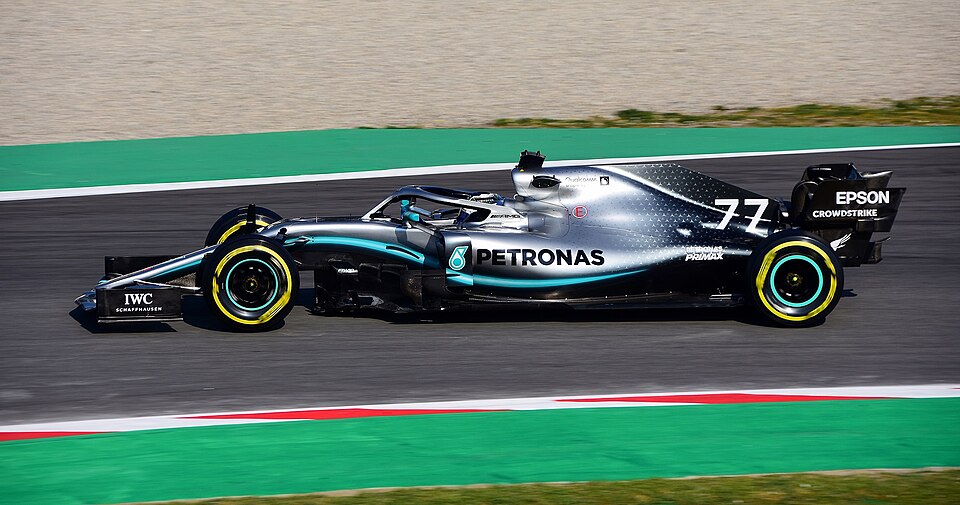
MGU-K (Motor Generator Unit – Kinetic): Recapturing Braking Energy, Up to 160 hp
The Motor Generator Unit – Kinetic (MGU-K) is a key energy recovery system that captures kinetic energy during braking. When the driver applies the brakes, the MGU-K functions as a generator, converting the car’s momentum into electrical energy. This process, known as regenerative braking, would otherwise see that energy dissipated as heat in the brake discs.
The generated electricity is stored in the energy store or can be used immediately to power the MGU-K as an electric motor, assisting the ICE during acceleration. The MGU-K can contribute up to 160 horsepower to the drivetrain, providing a significant power boost. This not only improves performance but also enhances overall efficiency by recycling energy that would be lost.
Under current regulations, the MGU-K can recover up to 2 megajoules of energy per lap, though this limit may change in future updates. The system’s ability to harvest and deploy energy makes it a critical component in F1’s hybrid era, allowing cars to maintain high speeds while managing fuel consumption. The introduction of sprint races has influenced how teams manage energy recovery over a race weekend (sprint race format impact).
The MGU-K is located at the front of the engine and is directly connected to the crankshaft, enabling efficient energy transfer. Its operation is seamless to the driver, who simply brakes and accelerates as usual while the system automatically manages energy flow.
MGU-H (Motor Generator Unit – Heat): Harvesting Exhaust Energy, Eliminating Turbo Lag
- Extracts thermal energy from exhaust gases: The MGU-H captures heat from the high-temperature exhaust exiting the ICE, converting it into electrical energy.
- Drives the turbocharger to eliminate lag: By using its motor function, the MGU-H can spin the turbocharger independently, providing immediate boost even when the engine is at low RPM. This eliminates turbo lag, a common issue in turbocharged engines.
- Generates additional electricity: The MGU-H can operate as a generator, producing electricity that supplements the MGU-K’s recovery and can be stored or used to power other systems.
- Improves overall efficiency: By harvesting waste energy and enhancing turbo response, the MGU-H increases the power unit’s thermal efficiency and throttle responsiveness.
These functions work together to make the turbocharger more effective and to recover energy that would otherwise be lost.
The MGU-H’s ability to spool the turbo independently means that drivers experience immediate power delivery without the delay traditionally associated with turbocharged engines. This technology has been pivotal in achieving the high power outputs and efficiency required in modern F1.
Additionally, the electricity generated by the MGU-H supports the MGU-K and other onboard systems, reducing the load on the ICE and further improving fuel economy. The control electronics’ sophistication rivals that of aerospace systems, and their development is closely monitored under the budget cap to ensure financial fairness.
Energy Store and Control Electronics: The Battery and Brain of the System
The Energy Store (ES) consists of high-performance lithium-ion batteries capable of rapid charging and discharging. These batteries are designed to withstand the extreme vibrations and temperatures of an F1 car while storing up to several megajoules of energy. The Control Electronics (CE) are the sophisticated computers that manage the entire power unit.
They monitor dozens of parameters—including battery state, engine speed, throttle position, and track conditions—and make split-second decisions on when to harvest or deploy energy. The CE ensures that energy is used optimally per lap, balancing immediate performance needs with long-term energy conservation. For example, it might instruct the MGU-K to recover more energy during braking zones on a particular lap, or to deploy a burst of electric power for an overtake.
This intelligent management is crucial, as teams have limited energy recovery per lap under regulations. The CE also communicates with other car systems, such as the gearbox and differential, to integrate the hybrid power delivery seamlessly.
Performance Specifications: 1,000 Horsepower, 15,000 RPM, and the Human Element
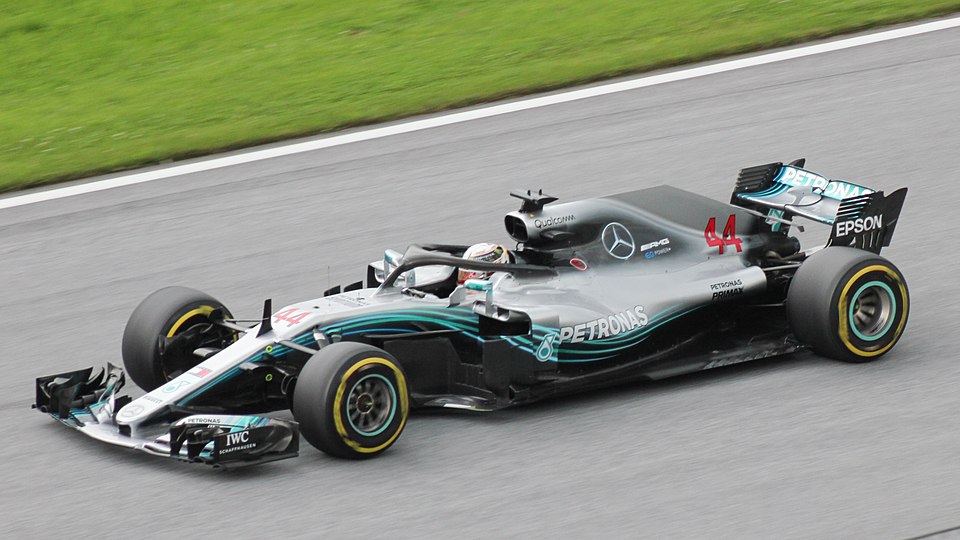
Total Power Output: Approximately 1,000 Horsepower from Combined Sources
| Power Source | Approximate Horsepower |
|---|---|
| Internal Combustion Engine (ICE) | ~840 hp |
| MGU-K | ~160 hp |
| Total | ~1000 hp |
The total power output of approximately 1,000 horsepower is the sum of the ICE and MGU-K contributions. The ICE alone produces around 840 hp, while the MGU-K adds up to 160 hp when fully deployed. The MGU-H also contributes indirectly by improving turbo efficiency and generating electricity, but its power is typically factored into the ICE’s output.
The exact distribution varies from lap to lap and track to track, depending on energy recovery opportunities and deployment strategies. For instance, at a high-speed circuit like Monza, teams might use more electric boost on the long straights, while at a twisty track like Monaco, they focus on recovering energy during frequent braking zones. This dynamic energy management is a key tactical element in F1 racing.
These power figures are achieved in conjunction with tire compounds that maximize grip; Pirelli’s allocation strategy plays a key role (tire compound strategy). The power unit’s ability to deliver such immense power while weighing under 100 kg is a testament to advanced materials and engineering. The power-to-weight ratio exceeds that of any production sports car, enabling F1 cars to accelerate from 0 to 60 mph in under 2 seconds and reach top speeds over 220 mph on suitable circuits.
Maximum Revs: 15,000 RPM and Its Impact on Engine Design
Formula 1 engines can rev up to 15,000 RPM, a figure that seems extraordinary compared to road cars that typically redline around 6,000-7,000 RPM. This high-revving capability is achieved through a short stroke design—where the piston travels a shorter distance within the cylinder—allowing for faster reciprocation and higher speeds. Advanced materials like titanium alloys for valves and connecting rods, along with sophisticated lubrication systems, enable these engines to withstand the extreme stresses.
However, running at such high RPMs comes with significant trade-offs: fuel consumption increases dramatically, and engine life is severely limited. An F1 power unit is designed to last only a few race weekends before requiring replacement, with each engine costing millions of pounds. The FIA imposes the 15,000 RPM limit to control costs and improve reliability.
Without this limit, teams would push revs even higher in pursuit of marginal power gains, leading to skyrocketing development costs and frequent failures. The rev limit thus represents a balance between performance and sustainability in the sport. The 15,000 RPM limit reflects a compromise between performance and reliability, similar to how NASCAR teams balance engine durability with pit stop efficiency (NASCAR pit stop strategies).
Physical Demands on Drivers: G-Forces, Acceleration, and Gender Considerations
Driving an F1 car imposes extreme physical stresses. Lateral G-forces in corners can reach up to 6g, meaning drivers feel six times their body weight pressing them into the seat. This requires exceptional neck and core strength to maintain head control.
Heavy braking demands up to 150 kg of force on the pedal, testing leg muscles. Cockpit temperatures often exceed 50°C, leading to significant fluid loss—drivers can lose up to 3 kg of body weight per race. These demands are intense but not inherently gender-specific.
Women are allowed to compete in Formula 1; there is no rule barring them. Historically, only five women have started a Grand Prix, with Lella Lombardi being the last in 1976. However, Sarah Moore’s achievements demonstrate that female drivers can excel in high-level motorsport.
She was the first female to win a TOCA-sanctioned race and the first to win a junior mixed-gender national series (2009 Ginetta Junior Championship). In 2021, she became the first openly LGBTQ+ driver to stand on a Formula One Grand Prix weekend podium.
Her success in mixed-gender series proves that with proper training and opportunity, gender is not a barrier to competing at the highest levels. Sarah Moore’s success in mixed-gender series, such as winning the 2009 Ginetta Junior Championship and standing on the podium at a Formula One Grand Prix weekend in 2021, demonstrates that gender is not a barrier to excellence in professional racing.
The Development Pathway: Formula 4’s Mixed-Gender Format and Its Role
Formula 4 serves as the entry point for many aspiring professional racers and is a mixed-gender series where male and female drivers compete together. In 2025, female participation reached a record high: 57 female drivers contested at least one round in a mixed-gender F4 championship, a 29% increase from previous years. This growth is partly due to the F1 Academy, an all-female single-seater series launched in 2023 to develop female talent.
All 10 Formula 1 teams have renewed their commitment to F1 Academy for 2024, providing liveries and driver opportunities. The pathway typically sees drivers progress from F4 to F3, then F2, with the ultimate goal of an F1 seat.
While no female driver currently competes in F1, the increasing numbers in F4 and the support from F1 teams suggest a more diverse grid may emerge in the coming decade. Programs like More Than Equal, where Sarah Moore serves as a coach, aim to identify and nurture young female drivers, addressing systemic barriers and providing the training needed to reach the top.
The most surprising fact is that the MGU-K alone can contribute up to 160 horsepower—equivalent to an entire engine from the naturally aspirated era—simply by recapturing braking energy. This highlights how far hybrid technology has advanced in F1. For those inspired by the engineering brilliance of power units and the drivers who pilot these machines, the path to professional racing is more accessible than ever.
Sarah Moore’s work with More Than Equal and her advocacy for LGBTQ+ inclusion show that motorsport is evolving. To explore opportunities and learn about breaking barriers in the sport, visit her professional racing page for resources and development programs.
The future of F1 power units looks toward even greater sustainability, with 2026 regulations set to increase electrical energy recovery and mandate 100% sustainable fuels. Staying informed about these changes is key for any enthusiast or aspiring engineer.
Frequently Asked Questions About Formula 1 Power Units Explained
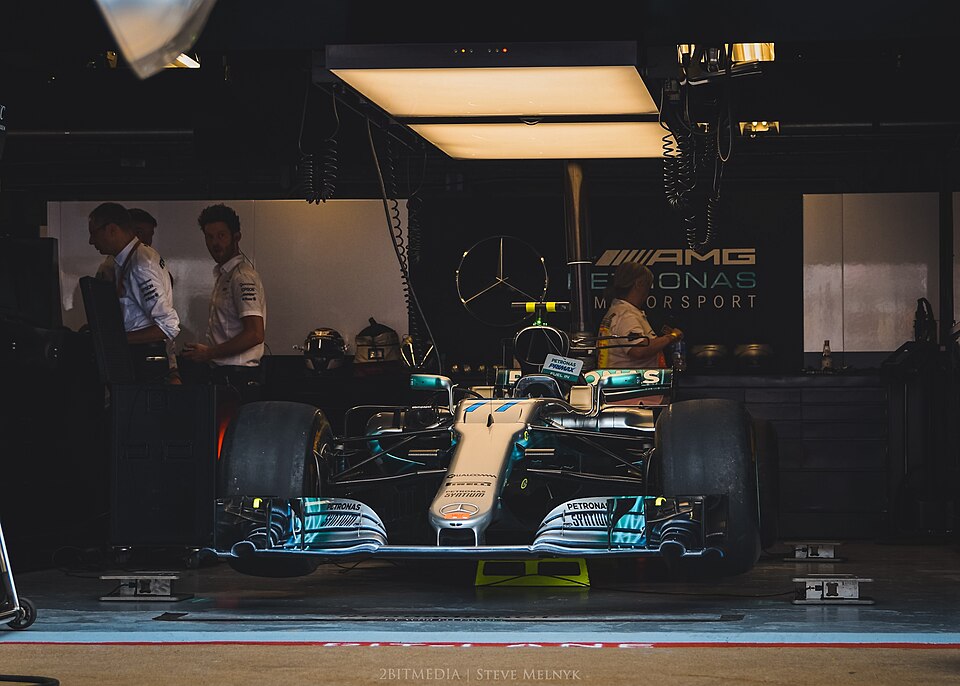
What is the total horsepower output of a Formula 1 power unit?
Approximately 1000 hp. This total power combines the internal combustion engine's output and energy recovery systems.
How much horsepower does the internal combustion engine (ICE) produce in an F1 car?
Approximately 840 hp. The 1.6-liter V6 turbocharged engine forms the core of the power unit.
What is the horsepower contribution of the MGU-K in an F1 power unit?
Approximately 160 hp. The MGU-K (Motor Generator Unit – Kinetic) is part of the energy recovery system that boosts overall efficiency and power.
What is the maximum engine speed (RPM) for Formula 1 power units?
Up to 15,000 RPM. This high-revving capability is a key performance specification of the current power units.
How do energy recovery systems enhance F1 power unit efficiency?
Energy recovery systems, like the MGU-K, capture waste energy to convert into additional power, contributing to the total output of around 1000 hp.
