
The 2026 global racing calendar delivers an unprecedented combination of expansion and innovation, highlighted by Formula 1’s 24-race season featuring a debut Madrid street race on September 11-13 and the inaugural FIM Women’s Circuit Racing World Championship starting March 27 in Portugal. This comprehensive guide outlines the key dates and series that define the upcoming motorsport year, from the pinnacle of single-seater racing to historic car championships and groundbreaking new series.
- Formula 1 launches a 24-race season on March 6-8 in Australia, with a new Madrid street circuit added on September 11-13 and a revamped regional schedule to reduce travel.
- The FIM Women’s Circuit Racing World Championship, a new global series, begins March 27-29 at Portugal’s Autódromo Internacional do Algarve.
- BOSS GP Racing Series, featuring former Formula 1 cars, starts in May at Hockenheimring with six weekends at top European circuits.
2026 Global Motorsport Calendar: Key Dates and Events
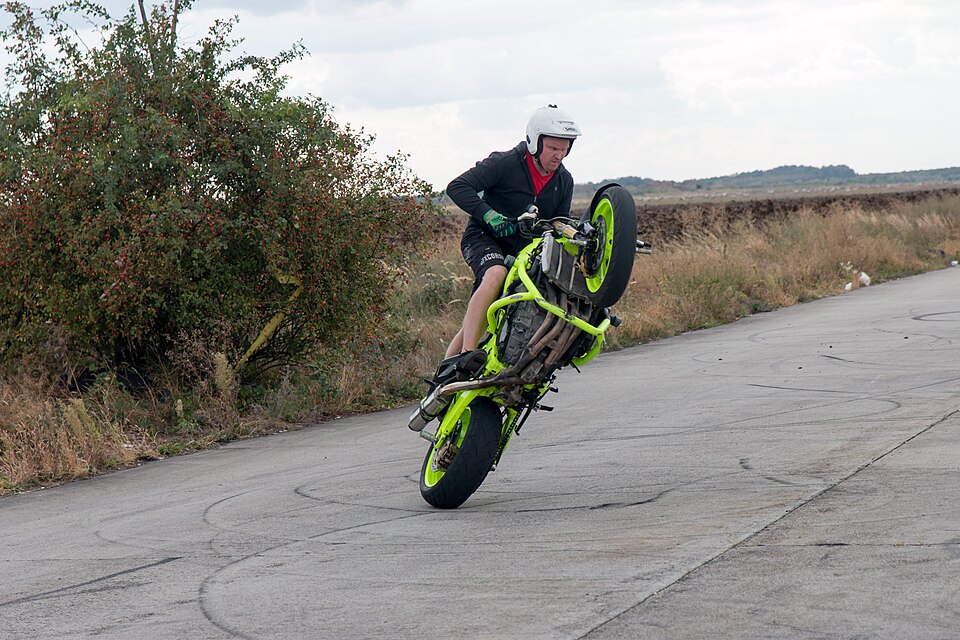
The 2026 motorsport season stands out for its remarkable diversity, spanning elite single-seater competitions, historic racing series, and landmark new championships that expand opportunities across the sport. This calendar reflects a year of both tradition and transformation, with Formula 1 extending its reach to 24 races, the introduction of a dedicated women’s motorcycle world championship, and the continued appeal of niche series like BOSS GP that celebrate racing history. Fans can plan ahead for a year that offers everything from street races in major cities to serene circuits in the European countryside, ensuring there is always a compelling event to watch or attend.
The variety also mirrors the broader growth of motorsport globally, with series deliberately expanding into new markets and demographics. For those looking to explore beyond the mainstream, exploring international motorsports series reveals even more hidden gems across the racing landscape.
Formula 1: 24-Race Season with Australian and Chinese Openers
- Australian Grand Prix: Melbourne, March 6-8, 2026
- Chinese Grand Prix: Shanghai, March 13-15, 2026
These opening rounds confirm Formula 1’s continued commitment to the Asia-Pacific region, with back-to-back races that require significant team travel but offer massive audiences in two of the world’s largest markets. The Australian GP traditionally marks the season’s start, while the return to China after several years’ absence signals F1’s strategic push into Asian sponsorship and fan engagement. Both events are confirmed, while the remaining 22 races on the 24-race schedule await final FIA approval.
This early cluster demonstrates the new regional scheduling approach, grouping geographically proximate races to minimize transcontinental flights. For fans, these dates provide a reliable anchor to begin planning their 2026 race calendar, whether attending in person or watching broadcasts. The consecutive weekends also mean teams must quickly adapt to different circuit characteristics and time zones, testing their resilience from the very first race.
FIM Women’s Circuit Racing World Championship: Season Begins March 27 in Portugal
- Series Launch: FIM Women’s Circuit Racing World Championship (WorldWCR)
- Opening Round: Autódromo Internacional do Algarve, Portugal
- Date: March 27-29, 2026
- Format: Races held alongside selected World Superbike Championship events
The inaugural FIM Women’s Circuit Racing World Championship represents a watershed moment for female motorcycle racers, providing a dedicated global platform that runs in support of the established World Superbike series. Starting at Portugal’s Algarve International Circuit—a modern facility known for its challenging layout and scenic coastal location—this three-day opening round sets the tone for a season that will travel to multiple continents. The decision to pair WorldWCR events with World Superbike weekends ensures exposure to large existing audiences and leverages shared operational resources, while all participants must comply with international motorsports licensing requirements for the 2026 season.
This series addresses a long-standing gap in women’s two-wheeled motorsport, offering a clear pathway for riders to compete at the highest level without relying on mixed-gender categories. The choice of Algarve, a circuit that has hosted MotoGP and World Superbike rounds, underscores the championship’s serious intentions from day one.
BOSS GP Racing Series: Six-Weekend Schedule Starting in May
- Series: BOSS GP (Big Open Single Seaters)
- Season Start: May 2026 at Hockenheimring, Germany
- Race Weekends: Six weekends at top European circuits
- Notable Circuits: Spa-Francorchamps, Monza, Red Bull Ring
- Cars: Vintage Formula 1 and IndyCar machines
BOSS GP offers a unique blend of nostalgia and raw speed, featuring former Formula 1 and IndyCar chassis that once competed at the highest levels of single-seater racing. The 2026 season commences at Hockenheimring in May, with a six-weekend schedule that includes legendary tracks like Spa-Francorchamps in Belgium, Monza in Italy, and the Red Bull Ring in Austria. These circuits provide the perfect backdrop for cars that may have been driven by champions like Michael Schumacher or Ayrton Senna, now piloted by privateers and historic racing enthusiasts.
The series appeals to fans who want to hear the scream of V10 engines and see the aggressive aerodynamics of early-2000s F1 cars in action. Each event weekend typically includes multiple races, allowing spectators to enjoy close competition where driver skill can overcome machinery disparities. BOSS GP maintains motorsport’s living history while delivering thrilling on-track action that feels dramatically different from modern, regulated series.
Formula 1 2026 Season: Schedule, New Madrid Race, and Regional Changes
Formula 1’s 2026 season marks a pivotal evolution in how the championship is structured and presented, balancing traditional venues with bold new initiatives. The expansion to 24 Grands Prix—the most in a decade—reflects the sport’s commercial growth and its strategy to cement presence in emerging markets. Alongside this quantitative increase, the introduction of a Madrid street race and a revamped regional schedule demonstrate F1’s responsiveness to logistical challenges and fan experience concerns.
These changes come as the sport enters a new technical era with 2026 power unit regulations, a testament to the ongoing racing knowledge and technology integration that drives innovation, though the calendar itself focuses on operational and geographical shifts. The confirmed early-season dates provide a foundation, while the pending full schedule will reveal how F1 integrates its new Spanish venue and optimizes travel flows across continents. For dedicated followers, this season promises more racing than ever before, but also requires careful planning to follow the championship across its expanded footprint.
The 24-Race Formula 1 Schedule: A Look at All Events
- Total Races: 24 Grands Prix (most in a decade)
- Confirmed Early Season: Australian GP (Melbourne, March 6-8), Chinese GP (Shanghai, March 13-15)
- Pending Announcement: 22 additional races including Monaco, Silverstone, Monza, and the new Madrid Grand Prix
- Season Span: March to December 2026
The 24-race structure represents a significant step up from recent seasons, which typically featured 22 or 23 races. This increase allows F1 to revisit markets that have hosted races intermittently, such as China, while also exploring new destinations like Madrid. The confirmed Australian and Chinese opening rounds set a clear early-season focus on the Asia-Pacific region, a strategic choice that maximizes television viewership in these critical markets.
The remaining 22 races will almost certainly include all the traditional European classics—Monaco, Silverstone, Spa, Monza—as well as long-standing venues in the Americas and Middle East. The new Madrid round will replace or supplement an existing European date, maintaining the overall season length while adding a second Spanish Grand Prix alongside Barcelona.
This expanded schedule offers fans more opportunities to attend live races locally or internationally, but it also intensifies the logistical burden on teams, who must manage longer periods away from their factories and increased freight costs. The FIA and F1 management have indicated that the full calendar will be finalized in the coming months, allowing teams and promoters to prepare for the unprecedented season length.
Madrid Street Circuit Debut: What to Expect on September 11-13
The new Madrid Grand Prix, scheduled for September 11-13, 2026, represents F1’s latest foray into urban street racing, following the success of events in Miami, Singapore, and Las Vegas. The planned temporary circuit will weave through the Spanish capital’s historic city center, likely featuring iconic landmarks such as the Royal Palace, Plaza Mayor, and perhaps the Prado Museum as backdrops. A street race in Madrid adds a second Spanish venue to the calendar, acknowledging Spain’s deep motorsport heritage and passionate fan base while expanding F1’s Iberian footprint beyond the permanent Circuit de Barcelona-Catalunya.
The September date positions the race within the European summer season, avoiding the extreme heat of July and August and fitting into the regional block that will likely include other European rounds. For local tourism, the event promises a massive economic boost, drawing international visitors and showcasing Madrid’s architecture and culture to a global audience.
While the exact circuit layout remains subject to city approval and detailed design work, the firm date confirms F1’s commitment to this project. Street circuits often produce unpredictable racing due to tight confines and limited overtaking opportunities, which could lead to dramatic moments and strategic variety that fans relish.
Revamped Regional Schedule: How F1’s New Format Improves Efficiency
F1’s shift to a “regional schedule” for 2026 addresses one of the sport’s most persistent logistical challenges: the punishing transcontinental travel that strains team personnel and increases carbon footprint. The new approach groups races by geography, so teams can remain in one region for multiple consecutive weekends before moving to another continent. For example, the early season may cluster Asia-Pacific races—Australia, China, Japan, Singapore—before a longer European stretch that includes the new Madrid round, followed by a final block in the Americas covering Miami, Austin, Mexico City, and São Paulo.
This reduces the number of times teams must pack up and ship equipment across the globe, cutting freight costs and giving engineers and mechanics more time at their home bases. The “more efficient” descriptor used in research notes captures this operational improvement, which also benefits the environment by lowering emissions from air freight and team travel. For fans, the regional grouping makes travel to multiple races more feasible, as they can plan a road trip through Europe or the Americas without intercontinental flights between each event.
The Madrid race fits neatly into the European block, likely following or preceding other Western European rounds like Spa and Monza, creating a cohesive tour for European spectators. This scheduling philosophy may also lead to more consistent race weekend operations, as teams can better anticipate weather conditions and circuit characteristics within a single region.
Closing
The 2026 global racing calendar reveals a sport in dynamic transition, simultaneously expanding its traditional flagship series while launching innovative new championships that broaden participation. The dual trends of F1’s 24-race growth and the introduction of the FIM Women’s Circuit Racing World Championship signal a commitment to both scale and inclusion, ensuring motorsport appeals to a wider audience than ever before. For aspiring drivers and fans alike, this calendar offers countless entry points, from watching historic F1 cars at BOSS GP to following emerging female talent in the new women’s motorcycle series.
To stay current with all updates, bookmark the official Formula 1 calendar at formula1.com and the FIM calendar at fim-moto.com. For those interested in the development pathways that feed into these global series, following AJ Racing on social media provides insight into how young drivers, particularly women, progress from karting to higher categories.
Additionally, exploring resources on racing knowledge for junior drivers can deepen your appreciation of the sport’s technical and strategic dimensions. The 2026 season is not just a list of dates; it’s a roadmap to the most exciting year of world racing in recent memory, and initiatives continue to push the boundaries of what motorsport can achieve.
