Title: Overtaking Techniques in Professional Racing: 2026 Best Practices
Meta Description: Master overtaking techniques for 2026 professional racing. Learn slipstream passes, side drafting, and timing strategies from NASCAR’s latest aero changes. Step-by-step guide.
Slug: overtaking-techniques-racing-2026
Tags: [“NASCAR”, “Drafting”, “Aerodynamics”, “2026 Regulations”, “Next Gen Car”, “Slipstream”, “Side Drafting”]
Keywords: [“overtaking techniques”, “professional racing”, “2026 best practices”, “slipstream passes”, “side drafting”, “pack tactics”, “NASCAR drafting”, “slingshot pass”]
In professional racing, overtaking is the ultimate test of driver skill and car control. For 2026, new aerodynamic regulations and power outputs have reshaped how drivers pass competitors, making slipstreaming, side drafting, and precise timing more critical than ever.
This guide breaks down the essential overtaking techniques for 2026, with specific data on drag reduction, speed gains, and pack tactics to help you master the art of the pass. Professional drivers like Sarah Moore, a championship-winning racer with 18 years of experience and an ARDS Grade A instructor, stress that understanding these dynamics is non-negotiable for competitive success.
- Slipstreaming reduces trailing car drag by 20-30%, enabling slingshot passes with 5+ mph speed advantage (SimScale, 2024).
- 2026 NASCAR rules boost drafting: 750 HP on short tracks plus a 3-inch spoiler and reduced diffuser strakes increase slipstream effectiveness (NASCAR.com, 2025).
- Next Gen cars require staying within 0.5 seconds of the leader to maintain the draft—twice as tight as previous generations (iRacing, 2023).
- Small organized groups of 4-5 cars outperform chaotic mega-packs, and using 5th gear with drag-brake technique maximizes pack speed (ResearchGate CFD, 2020).
Step 1: Mastering Slipstream Aerodynamics for 2026 Overtaking — 20-30% Drag Reduction
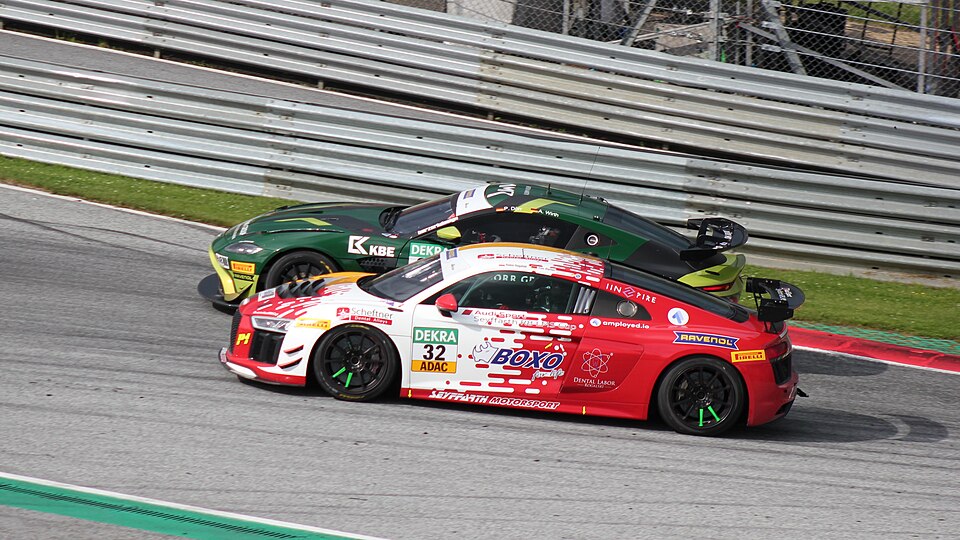
The slipstream is the cornerstone of all overtaking techniques; understanding its aerodynamic principles is the first step to executing passes in 2026.
20-30% Drag Reduction in Slipstreams — Overtaking Technique
When a car follows closely behind another, it enters the low-pressure wake created by the leader’s car. This region of reduced air pressure significantly decreases aerodynamic drag on the trailing vehicle. According to SimScale’s 2024 aerodynamic analysis and HowStuffWorks, the drag reduction can reach 20-30% depending on proximity and track conditions.
This drag reduction translates directly into higher straight-line speeds, giving the trailing car a critical advantage when it’s time to pass. The effect is most pronounced on high-speed circuits where aerodynamic forces dominate. Professional drivers learn to position their car precisely within this slipstream to conserve energy and prepare for an overtaking maneuver.
5-Second Draft Window — Next Gen Car Requirement
In previous generations, drivers could afford to be up to 1 second behind the car ahead and still benefit from the draft. However, the Next Gen car used in NASCAR since 2022, especially with 2026 updates, has tightened this window dramatically. Recent simulation data from iRacing (2023) shows that the effective draft window is now only 0.5 seconds.
If a trailing car falls more than half a second behind, it quickly loses the aerodynamic tow and must expend extra fuel and tires to catch up. This precision requirement means drivers must maintain much tighter gaps than before, demanding constant concentration and smooth driving. Missing this window by even a few tenths can mean the difference between a successful pass and being left behind.
Short Track and Road Course Dynamics — 2026 Aero Changes
The 2026 NASCAR season introduces specific aerodynamic adjustments for short tracks (under 1.5 miles) and road courses. These include a 3-inch rear spoiler and reduced diffuser strakes, as reported by NASCAR.com in November 2025. Combined with the 750 horsepower package (racer.com, March 2026), these changes increase the drafting potential on these circuits.
The reduced downforce makes cars more sensitive to aerodynamic turbulence, but also enhances the slipstream effect, allowing trailing cars to get closer and execute side-by-side racing. However, the lower grip levels demand precise car control, as the reduced mechanical grip can lead to instability when exiting corners. Drivers must adapt their lines and braking points to these new conditions, using the draft to compensate for the loss of mechanical grip.
Step 2: Executing Slingshot Passes with the 2026 750 HP Package — 5+ mph Gains
The slingshot pass leverages the slipstream’s momentum to achieve a decisive speed advantage, and the 2026 power and aero changes make this technique more potent than ever.
5+ MPH Speed Advantage — Slingshot Pass Technique
The slingshot is a classic overtaking maneuver where the trailing car waits until the last moment to pull out of the slipstream and surge past the leader. SimScale’s analysis from April 2024 quantifies this advantage: a well-executed slingshot can provide 5+ mph of additional speed at the moment of the pass. This extra velocity is often enough to clear the leader before the braking zone, especially on circuits with long straights.
The technique requires patience—drivers must resist the urge to pass too early and instead use the draft to build momentum. At the critical moment, the driver pulls the car out of the slipstream, using the stored kinetic energy to rocket forward. The sudden appearance of the car alongside can also unsettle the leader, increasing the chance of a mistake.
Timing Your Exit — Maximizing Momentum Transfer
The exact moment to exit the slipstream depends on corner geometry and the leader’s braking point. SimScale’s 2024 analysis also shows that the optimal strategy is to pull out just before the braking zone or at corner exit, allowing the car to use the momentum surge while still having enough track length to complete the pass. Drivers must anticipate the leader’s actions and position their car on the inside or outside accordingly.
A premature exit wastes the draft’s potential, while a late exit may not give enough time to pass before the next corner. Sim racing data from iRacing (2023) indicates that practicing this timing in simulation significantly improves real-world execution. The key is to treat the slingshot as a coordinated dance: you are using the leader’s energy to amplify your own.
750 HP Package Amplifies Slingshot Effectiveness — 2026 Power Gains
The 2026 regulations increase horsepower to 750 HP on short tracks and road courses (racer.com, March 2026). This power boost, combined with the aerodynamic changes, makes the slingshot pass even more effective. The higher horsepower allows the trailing car to accelerate faster after exiting the slipstream, converting the momentum advantage into a rapid gain in track position.
Additionally, the increased power helps mitigate the drag penalty that sometimes occurs when a car leaves the draft. Drivers can now execute slingshot passes from greater distances, as the extra power compensates for any loss of suction. However, this also means that leaders must be more vigilant about defending their position, as the window for a successful pass has widened.
Step 3: Mastering Side Drafting and Pack Tactics for 2026 — Small Groups Outperform Mega-Packs
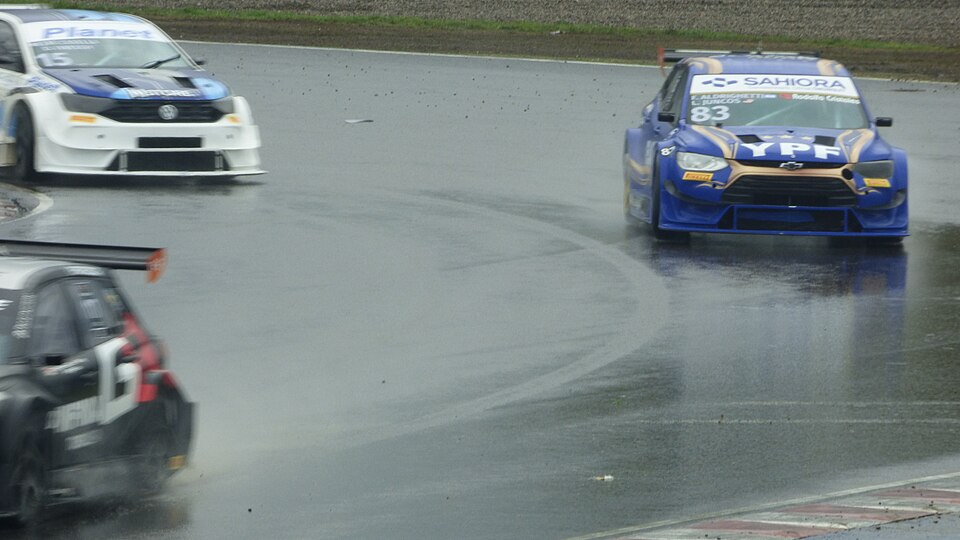
When cars are nose-to-tail, side drafting and pack management become the keys to gaining positions, and 2026’s rules favor strategic small-group moves over chaotic pack racing.
Side Drafting — Disrupting the Leader’s Airflow Safely
Side drafting is a technique where the trailing car pulls alongside the leader’s rear quarter, using its own spoiler to disrupt the airflow over the leader’s car. This can cause the leader to lose rear grip, especially in corners, making it easier to complete the pass. Unlike bump drafting, which was banned in 2014 due to safety concerns, side drafting is a safe and legal method to unsettle an opponent.
SimScale’s 2024 studies show that even a slight offset in the trailing car’s position can significantly affect the leader’s aerodynamic stability. The key is to match the leader’s speed and position the car just outside their wake, then apply gentle steering input to maximize the airflow disruption. This technique is particularly effective on intermediate ovals and road courses where aerodynamic forces are high.
4-5 Car Groups vs. Mega-Packs — Pack Strategy for 2026
Research using computational fluid dynamics (CFD) from ResearchGate (2020) and sim racing data from iRacing (2023) reveals a counterintuitive insight: small organized groups of 4-5 cars outperform chaotic mega-packs in both speed and safety. In a mega-pack, the leading car faces intense aerodynamic turbulence, while trailing cars suffer from severe “dirty air” that reduces downforce and grip. This leads to instability and increased crash risk.
In contrast, a small group can maintain a more stable aerodynamic environment, with each car benefiting from a partial slipstream without the extreme turbulence. Drivers in small groups can coordinate drafting swaps, allowing each participant to take turns at the lead and conserve equipment. This strategy is especially effective in the 2026 season, where the A-post flaps and tighter yellow line rules make large pack crashes more dangerous.
5th Gear and Drag-Brake Technique — Maximizing Pack Speed
Within a pack, gear selection and braking technique dramatically affect overall speed. The same CFD and sim studies show that prioritizing 5th gear over lower gears helps maintain momentum through corners and reduces speed fluctuation. Additionally, the “drag-brake” technique—applying full throttle while lightly touching the brake—can help stabilize the car during caution periods or sudden decelerations, preventing the loss of the draft.
This method is superior to simply lifting off the throttle, which causes a greater speed drop and can break the aerodynamic connection with the car ahead. By using drag-brake, drivers can keep the engine in its power band while shedding speed smoothly, allowing for quicker acceleration when the pack moves again. Mastering these subtle techniques can gain several positions over a race distance without requiring a single bold overtaking move.
The most surprising insight from 2026’s data is that small groups of 4-5 cars actually outperform massive packs in both speed and safety—a direct reversal of traditional pack-racing wisdom. This means that rather than aiming for the back of a huge draft, savvy drivers should seek out a compact, organized group where they can share the aerodynamic load and minimize turbulence. For those looking to implement these techniques immediately, a highly effective training method is to use sim racing platforms like iRacing, which accurately model the Next Gen car’s 0.5-second draft window and aerodynamic behavior.
Spend focused sessions practicing slipstream positioning and side drafting in a controlled environment; the skills transfer directly to the real track. Additionally, reviewing telemetry from 2026 NASCAR races can reveal how champions execute these moves under pressure.
To deepen your understanding of professional racing dynamics, study the Formula 1 technical regulations for 2026, which explain how aerodynamic principles vary across series. For insights into tire management, a critical component of overtaking strategy, see our guide to Pirelli’s tire allocation system.
Finally, for a comprehensive resource covering all aspects of professional racing, from overtaking to pit stops, consult NASCAR pit stop strategies. By combining data-driven practice with real-world study, you can master the techniques that define success in 2026.
