
Race car engineering success depends on optimizing vehicle performance within strict technical constraints, a principle demonstrated by Sarah Moore’s championship victories in 2009 and 2018. As a British professional driver with 18 years of experience, Moore combines championship-winning driving with ARDS Grade A certification to teach engineering concepts that transform driver performance.
Her unique expertise bridges the gap between driver intuition and engineering precision. This guide explores core race car engineering principles through her career lens, revealing how setup optimization, durability engineering, and cross-series adaptation create competitive advantages.
- Race car engineering success comes from optimizing within constraints — Sarah Moore’s 2009 Ginetta Junior win in a spec series proves this.
- Endurance racing engineering focuses on reliability and consistency, as shown by her 2018 Britcar championship as first female champion.
- The best driver-engineer relationships use precise feedback loops, a skill Sarah teaches through her ARDS Grade A certification.
- Future racing champions need both driving skill and engineering knowledge, which programs like More Than Equal provide.
Race Car Engineering Fundamentals: Lessons from Sarah Moore’s Championship Career
The 2009 Ginetta Junior Championship: Engineering Excellence in a Spec Series
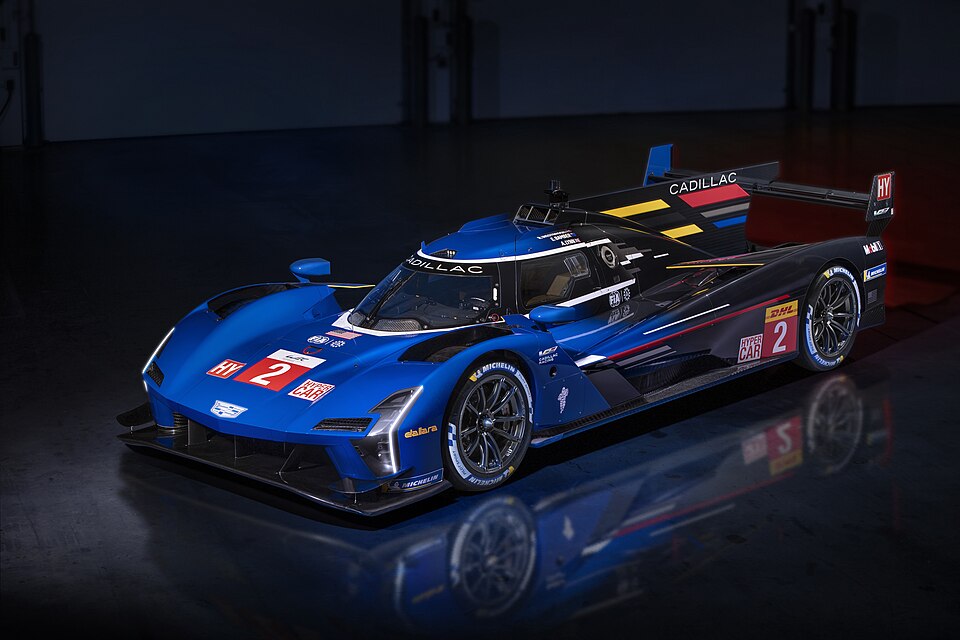
In a spec series like Ginetta Junior, all competitors use identical cars, eliminating car development as a variable. Victory depends entirely on engineering optimization of setup parameters within the technical regulations. Sarah Moore’s 2009 championship as the first female winner exemplifies this principle—her success came from extracting maximum performance through precise suspension tuning, tire management, and driver feedback integration.
Key setup areas in spec racing include suspension geometry (camber, toe, caster), aerodynamic balance (front/rear wing adjustments), and power train mapping (throttle response, gear ratios). With identical cars, a 0.5% improvement in cornering speed through optimal setup can translate to significant lap time gains over a race distance. Moore’s achievement demonstrates that engineering expertise in setup optimization can overcome any equipment parity, creating opportunities for drivers who master technical details.
The Ginetta Junior’s technical regulations limit aerodynamic development, forcing engineers to focus on mechanical grip and weight distribution. Moore’s team would have optimized tire pressures, spring rates, and anti-roll bar settings to maximize contact patch and minimize weight transfer. This meticulous approach to setup engineering—testing each variable systematically and recording data—creates compound advantages where small improvements accumulate into race-winning performance.
The 2018 Britcar Endurance Championship: Durability and Consistency Engineering
Endurance racing engineering prioritizes durability and consistency over peak performance, a philosophy that contrasts sharply with sprint racing’s focus on ultimate lap times. In the 2018 Britcar Endurance Championship, Sarah Moore’s victory as the first female champion required mastering these endurance-specific engineering challenges.
Key durability engineering areas include component reliability (engines, gearboxes, brakes lasting full race distance), tire wear management across multiple stints, fuel efficiency to minimize pit stops, cooling system optimization to prevent overheating during extended runs, and driver comfort adjustments for multi-driver changes. These requirements demand engineering solutions that sacrifice some peak performance for longevity—a trade-off sprint racers rarely make.
Where sprint racing engineers optimize for maximum downforce and power output regardless of component life, endurance engineers balance performance with preservation. Moore’s championship demonstrates that success in multi-class endurance series requires this holistic engineering mindset, where consistent lap times and strategic pit stops outweigh single-lap speed. This engineering philosophy translates directly to road car development, where reliability and efficiency are equally critical.
The 2021 F1 Podium and Beyond: Adapting Engineering Across Racing Series
| Series | Car Type | Key Engineering Focus | Sarah’s Achievement |
|---|---|---|---|
| Ginetta Junior | Spec formula car | Setup optimization within constraints | 2009 Championship (first female winner) |
| Britcar Endurance | GT cars | Durability and consistency engineering | 2018 Championship (first female champion) |
| W Series | Single-seater | Sprint performance and aerodynamics | 2019-2022 competitor |
| Indian Racing League | Touring cars | Adaptation to new series and car types | 2023 first female winner |
| Formula 1 podium | Hybrid power unit F1 car | Extreme performance integration | 2021 first openly LGBTQ+ driver on podium |
This table illustrates how Sarah Moore adapted her engineering approach across diverse racing platforms. Despite varying technical regulations and car types, core principles remained constant: understanding weight distribution effects on handling, optimizing aerodynamic balance for specific circuits, and managing power delivery to maximize tire utilization.
The engineering focus shifted from setup optimization in spec series to durability in endurance racing to extreme performance in F1, where hybrid power unit technology defines performance margins. Moore’s career demonstrates that mastering these fundamental engineering principles, alongside understanding series-specific regulations such as the Formula 1 Technical Regulations: 2026 Updates Explained, enables success across any racing discipline, provided the driver can adapt their application to each series’ unique technical constraints.
How Does Sarah Moore’s Technical Instruction Bridge the Driver-Engineer Gap?

ARDS Grade A Certification: The Foundation of Professional Engineering Instruction
The ARDS (Association of Racing Driver Schools) Grade A certification represents the highest level of professional racing instruction in the United Kingdom. This rigorous qualification demands comprehensive mastery of vehicle dynamics, car setup theory, and advanced teaching methodologies. Sarah Moore’s ARDS Grade A status establishes her credibility as an engineering educator who can translate complex technical concepts into practical driver instruction.
The certification curriculum covers fundamental physics including weight transfer dynamics during acceleration, braking, and cornering; tire compound behavior and temperature management; suspension geometry effects on handling; and aerodynamic principles influencing downforce and drag. Instructors must demonstrate ability to diagnose car behavior issues and prescribe precise setup changes.
Moore’s engineering instruction bridges the driver-engineer gap by teaching drivers the ‘why’ behind car behavior. When a driver understands that understeer results from front tire saturation due to excessive speed or improper setup, they can communicate more effectively with engineers and make better decisions behind the wheel.
This dual literacy—driving skill combined with engineering understanding—creates champions who can extract maximum performance from any car. Her coaching through driver development programs makes this engineering education accessible to aspiring racers.
Simulator Training: Modern Tools for Engineering-Optimized Driver Development
- Safe experimentation environment: Simulators allow drivers to test extreme setup changes—such as aggressive aerodynamic configurations or suspension modifications—without risking physical damage to race cars or personal injury, enabling exploration of engineering boundaries.
- Repeatable data collection: Each lap can be replicated exactly with identical conditions, providing precise data on how specific setup changes affect lap times, tire wear, and handling characteristics.
- Cost-effective variable testing: Engineers can test multiple setup combinations in hours rather than days, accelerating the optimization process while minimizing track time expenses.
- Real-time telemetry integration: Simulators link driver inputs (steering, throttle, brake) directly to car behavior metrics, helping drivers understand how their actions translate into engineering outcomes like tire slip angles or suspension load.
- Feedback skill development: Drivers learn to articulate car sensations using engineering terminology, improving communication with real-world engineers during actual race weekends.
Simulator training bridges the gap between driver intuition and engineering precision, similar to how Formula 1 sprint race formats require drivers to adapt quickly to changing conditions. Drivers experience firsthand how engineering trade-offs manifest—increasing downforce improves cornering but reduces straight-line speed, softer suspension enhances comfort but degrades aerodynamic stability. This experiential learning builds the technical vocabulary and analytical mindset needed for effective engineer-driver collaboration, turning subjective sensations into actionable data points.
From Driver Feedback to Engineering Solutions: The Communication Loop
The driver-engineer communication loop transforms subjective driving sensations into objective engineering adjustments through a structured process. First, the driver experiences specific car behavior—understeer in slow corners, oversteer on exit, balance shifts with fuel load. Without engineering knowledge, feedback remains vague: “the car understeers.” With technical training, feedback becomes precise: “front tires lose grip at 50 mph in medium-speed corners due to insufficient front aerodynamic balance.”
Sarah Moore’s ARDS-certified coaching teaches drivers to articulate sensations using engineering terminology that directly informs setup changes. Instead of saying “the car feels loose,” a trained driver specifies “rear tire slip angles exceed 6 degrees in corner exit, suggesting differential locking is too aggressive.” This precision enables engineers to adjust specific parameters—wing angles, suspension geometry, or differential settings—targeting the exact issue.
The loop then repeats: engineer implements changes, driver tests, provides refined feedback. This iterative process, grounded in shared technical language, rapidly converges on optimal setup. Moore’s championship success proves that drivers who master this engineering dialogue extract consistently higher performance from their equipment.
Building Future Engineers: How Driver Development Programs Teach Technical Skills
More Than Equal: Integrating Engineering Principles into Female Driver Training
- Classroom vehicle dynamics education: Structured sessions covering physics fundamentals—weight transfer, tire mechanics, aerodynamic principles—providing the theoretical foundation for engineering decision-making.
- Telemetry data analysis workshops: Drivers learn to interpret real-time performance data, identifying how setup changes affect lap times, tire temperatures, and suspension loads, transforming raw numbers into engineering insights.
- Simulation-based setup optimization: Participants practice adjusting wing angles, suspension settings, and differential configurations in virtual environments, seeing immediate engineering trade-offs between downforce, drag, and mechanical grip.
- Engineering professional mentorship: Access to working race engineers provides real-world perspective on how technical decisions are made under pressure during actual race weekends.
- Track sessions with engineering focus: On-track testing isn’t just about lap times—it’s about validating engineering hypotheses, with drivers required to document setup changes and resulting performance changes.
Sarah Moore’s coaching within More Than Equal brings championship-winning perspective to this curriculum. Her experience across spec series, endurance racing, and international competition provides concrete examples of how engineering principles apply in different contexts. The program specifically addresses the gender gap in motorsport engineering by ensuring female drivers receive the same technical education traditionally accessible only through male-dominated team networks.
By integrating engineering literacy into driver development from the start, More Than Equal creates racers who can compete not just on talent but on technical understanding—a critical advantage in modern motorsport where engineering margins determine victory. Programs like More Than Equal are essential for developing complete racing engineers.
Early Engineering Education: The Karting Foundation (Starting at Age 4)
Starting karting at age four provided Sarah Moore with an unparalleled foundation in vehicle dynamics through direct, unmediated experience. Karting’s mechanical simplicity—no power steering, minimal aerodynamics, raw chassis feedback—isolates fundamental engineering principles that later scale directly to race cars.
Young drivers intuitively learn weight transfer effects during acceleration and braking, feel tire grip limits at the limit of adhesion, and experience cornering forces that teach suspension geometry’s impact on handling. Basic kart setup adjustments—changing gear ratios, tweaking chassis balance, modifying tire pressures—provide immediate, tangible feedback about engineering trade-offs.
This early exposure builds muscle memory and instinctive understanding of vehicle behavior that pure engineers lack. When Moore later studied advanced concepts like aerodynamic downforce or hybrid power unit mapping, she could map them onto the fundamental principles mastered in karting. The intuitive foundation from early karting creates drivers who don’t just operate cars but understand them as engineered systems—a critical advantage for anyone pursuing race car engineering or professional driving.
Inclusive Engineering: How Diversity and Inclusion Drive Technical Innovation
As a Racing Pride ambassador, Sarah supports Racing Pride initiatives that promote inclusive environments in engineering teams.
These efforts connect to broader LGBTQ+ racing community support resources, ensuring diverse talent can thrive in motorsport engineering. Research consistently demonstrates that diverse teams outperform homogeneous ones because varied perspectives generate more creative solutions and identify blind spots others miss. In racing engineering, where milliseconds determine victory, this diversity of thought translates to measurable competitive advantage.
Inclusive cultures retain engineering talent from underrepresented groups who might otherwise leave due to non-inclusive environments. This retention preserves institutional knowledge and brings fresh approaches to technical challenges. When engineers approach problems from different life experiences—whether related to gender identity, cultural background, or neurodiversity—they consider design possibilities that conventional thinking overlooks.
Moore’s 2021 achievement as the first openly LGBTQ+ driver on an F1 podium proves that performance, not identity, defines success when engineering excellence meets opportunity. Her advocacy demonstrates that inclusive environments don’t just advance social goals—they create technical advantages by ensuring the best talent, regardless of background, can contribute fully to engineering innovation. Teams embracing this reality gain both moral and competitive high ground.
The most successful race car engineers often begin as drivers, like Sarah Moore, because they understand the human-machine interface in ways pure engineers may miss. This dual perspective—knowing what the car feels like and how to fix it—creates innovations that resonate with drivers and yield track performance. For aspiring engineers or drivers, the specific action is clear: pursue ARDS-certified instruction or explore professional racing programs that integrate engineering education with driving skill.
Alternatively, start with karting at a local track to build foundational vehicle dynamics intuition through hands-on experience. The future of racing belongs to those who master both the steering wheel and the engineering notebook.
