
Mastering weight transfer is the key to better cornering, and it involves controlling the car’s balance through precise braking, steering, and throttle inputs to maximize tire grip. This article covers essential race car handling tips for weight transfer, including trail braking, throttle management, and setup optimization like 50% cross-weight.
You’ll also learn from Sarah Moore’s coaching expertise, with insights from her groundbreaking career and inclusive approach to driver development. Understanding how weight shifts during braking, acceleration, and cornering allows you to manipulate the car’s balance for faster, more stable laps.
- Weight transfer mastery requires precise control of braking, steering, and throttle to maximize tire grip and maintain car balance.
- Trail braking and smooth throttle application are key techniques that use weight transfer to improve cornering speed and stability.
- A 50% cross-weight setup ensures balanced handling in both left and right corners, a critical factor for consistent performance.
Mastering Weight Transfer: Essential Techniques for Better Cornering
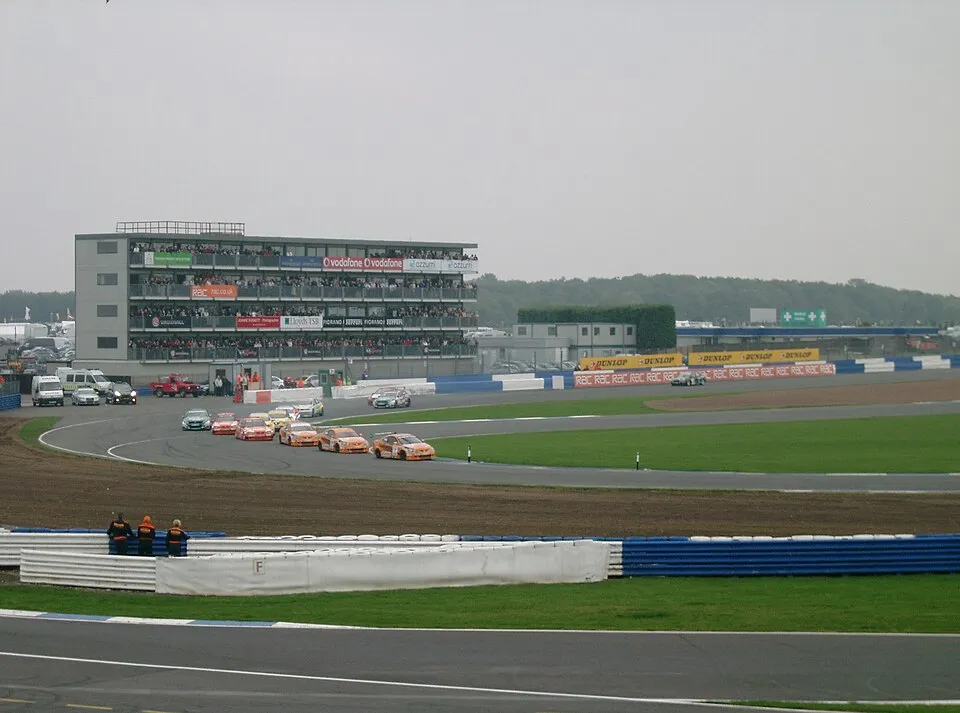
Trail Braking: Keep Light Brake Pressure to Maintain Front Grip
- Definition: Trail braking is the technique of maintaining light brake pressure while turning into a corner, keeping weight over the front tires to maximize steering grip.
- Physics: Braking shifts weight forward. Trail braking prevents weight from transferring away from the front too early during turn-in.
- Execution Steps: 1. Brake firmly in a straight line before the corner. 2. As you begin steering input, gradually release brake pressure but keep it light. 3. Continue until the apex, then fully release and apply throttle.
- Key Benefit: Maintains front-end grip, allowing higher cornering speeds and better stability.
Smoothness is essential when trail braking. Abrupt brake release can cause a sudden weight shift that overwhelms the front tires, leading to understeer. Practice this technique with gradual inputs to build confidence.
Driving coaches consistently highlight trail braking as a fundamental skill for faster cornering. For a deeper dive into braking methods, see our guide on braking techniques for racing.
Throttle Management: Gradual Application for Rear Traction on Exit
- Principle: Gradually applying throttle when exiting a corner transfers weight to the rear tires, enhancing traction.
- Risk of Sudden Throttle: Sudden acceleration can cause weight to shift too quickly, leading to rear-wheel loss of grip (oversteer).
- Execution: After passing the apex, gently press the throttle pedal, increasing pressure smoothly as you straighten the steering wheel.
- Outcome: Smooth throttle application moves weight to the rear on exit, reducing body roll and improving acceleration out of the corner.
Controlling throttle application is as important as braking for weight transfer management. A smooth transition from brake to throttle ensures the car remains balanced.
Instructors advise drivers to focus on progressive pedal work to maintain stability throughout the corner. Sudden throttle inputs not only risk oversteer but also disrupt the car’s balance, making it harder to control on corner exit.
Weight Transfer Dynamics: Braking Front, Acceleration Rear, Cornering Outside
| Driving Phase | Weight Transfer Direction | Primary Benefit |
|---|---|---|
| Braking | Shifts weight to the front tires | Enhances steering grip and stability |
| Acceleration | Shifts weight to the rear tires | Increases rear traction for faster exits |
| Cornering | Shifts weight to the outside tires | Maximizes overall grip through the turn |
Understanding these dynamics allows drivers to anticipate and control weight movement. By coordinating braking, steering, and throttle, you can optimize the car’s balance for each phase of a corner. For example, trail braking leverages the front-weight shift during braking while turning, and gradual throttle uses rear-weight shift on exit.
Mastering these interactions is key to consistent lap times. The core principle is that weight transfer is not something to fight but to harness through precise inputs.
Smoothness: Avoiding Abrupt Movements That Overwhelm Tires
Smooth steering and pedal inputs are foundational to effective weight transfer management. Abrupt movements cause sudden weight shifts that can exceed the tires’ grip limits, resulting in instability or loss of control. When you jerk the steering wheel or slam the throttle, the weight transfers too quickly, overwhelming the tires’ ability to maintain contact with the road surface.
This can lead to understeer, oversteer, or even spin. Smooth inputs, on the other hand, allow weight to transfer gradually, keeping the tires within their optimal grip range.
This principle applies to all aspects of driving: braking, accelerating, and turning. Professional drivers emphasize that smoothness is not about slowness but about precision—each input is deliberate and controlled, maximizing the car’s potential without upsetting its balance.
Sarah Moore’s Coaching Expertise: From Track to Instruction
Historic Achievements: First Female Winner in Ginetta Junior and Britcar
Sarah Moore’s remarkable career establishes her as a credible coach for drivers at all levels. She made history in 2009 as the first woman to win the Ginetta Junior Championship, a prestigious UK series for young drivers. In 2018, she became the first female winner of the Britcar Endurance Championship, demonstrating her skill in long-distance racing.
Moore also broke barriers as the first female driver to win a TOCA-sanctioned race and the first to win a junior mixed-gender, national-level series in the UK. Her impact extends beyond gender; in 2021, she became the first openly LGBTQ+ driver to stand on the podium at a Formula One Grand Prix weekend, highlighting her role as a trailblazer for inclusion in motorsport. These achievements provide her with deep insights into high-performance driving, which she translates into effective coaching.
Coaching Credentials: ARDS Grade A Instructor and More Than Equal Coach
- Formal Qualifications: Sarah Moore holds an ARDS Grade A certification, the highest level of racing instruction accreditation in the UK. She is also a Level 2 Qualified Motorsport Coach.
-
More Than Equal Program: Moore serves as a coach for More Than Equal, an initiative dedicated to developing young talent.
She emphasizes technical expertise, particularly weight transfer dynamics, to help drivers transition from karting to high-performance cars.
- Practical Experience: Her coaching portfolio includes working with Moh Ritson in the BritCar Endurance Championship and GT4 South European Series, as well as Joe Wheeler in the JSCC. This hands-on experience allows her to tailor advice to real-world racing scenarios.
-
Teaching Focus: Moore’s coaching philosophy centers on precise car control, with weight transfer as a core component.
She helps drivers understand how to manipulate the car’s balance through braking, steering, and throttle inputs to maximize grip and speed, using personalized racing coaching to tailor this development.
Her ARDS Grade A status ensures she meets rigorous standards, while her work with More Than Equal demonstrates a commitment to nurturing future champions.
Drivers seeking to improve their cornering can benefit from her structured approach to weight transfer mastery via racing coaching. Sarah Moore’s racing coaching programs focus on these exact techniques, helping drivers of all levels master weight transfer and car control.
Inclusive Advocacy: Racing Pride Ambassador for LGBTQ+ Drivers
- Racing Pride Ambassador: Moore is an official ambassador for Racing Pride, an organization promoting LGBTQ+ inclusion in motorsports. Her visibility as an openly LGBTQ+ driver helps advance this mission.
- Historic Milestone: Her 2021 podium at an F1 Grand Prix weekend marked the first time an openly LGBTQ+ driver stood on the podium, symbolizing progress in the sport’s inclusivity.
-
Coaching Environment: Moore’s advocacy ties into her coaching philosophy, where she strives to create supportive environments for all drivers, regardless of background.
She believes that confidence and technical skill grow best in inclusive settings.
- Impact: By championing diversity, Moore helps broaden participation in racing, bringing new talent into the sport and enriching the community.
Inclusion is not just a social goal but a performance enhancer. When drivers feel accepted and supported, they can focus more fully on technical development.
Moore’s dual role as coach and advocate exemplifies this holistic approach to driver growth. Her work with Racing Pride ensures that motorsport becomes a welcoming space for LGBTQ+ participants, which in turn fosters a healthier, more talented driver pool.
How to Achieve 50% Cross-Weight for Balanced Handling?
The 50% Cross-Weight Rule: Balanced Handling for Left and Right Turns
| Setup Parameter | Target Value | Purpose |
|---|---|---|
| Cross-Weight Percentage | 50% | Ensures equal handling in left and right turns |
| Formula | (Left Front + Right Rear) = (Right Front + Left Rear) | Balances weight distribution diagonally |
Cross-weight refers to the diagonal weight distribution of the car. At 50%, the sum of the left front and right rear wheel weights equals the sum of the right front and left rear. This balance means the car will have similar turning characteristics in both clockwise and counter-clockwise circuits.
If cross-weight is off, the car may pull to one side or require different driving techniques for left versus right corners, reducing consistency. Achieving 50% cross-weight is a fundamental setup goal for race cars, as it provides a neutral baseline that drivers can adjust from based on track conditions.
Suspension Tuning: Springs and Anti-Roll Bars for Weight Transfer Control
- Stiffer Springs: Increasing spring stiffness reduces body roll during cornering, which helps control the rate of weight transfer. However, overly stiff springs can reduce tire contact on rough surfaces, so a balance is needed.
-
Anti-Roll Bars: These bars connect opposite wheels and resist body roll.
Stiffer anti-roll bars limit weight transfer to the outside tires during cornering, keeping the car flatter and more predictable.
- Adjustment Impact: Changing spring rates or anti-roll bar stiffness directly affects how quickly weight moves around the car. Faster weight transfer can make the car feel more responsive but also more abrupt; slower transfer can increase stability but reduce ultimate grip.
-
Setup Optimization: For weight transfer mastery, suspension should be tuned to match the driver’s style and track characteristics.
A well-tuned setup ensures weight transfers smoothly and at the right moment, maximizing tire grip.
Suspension tuning is where theory meets practice.
Drivers should work with engineers or use data logging to understand how weight transfer behaves on track. Small adjustments to spring rates or anti-roll bars can significantly alter handling, so changes should be made incrementally and tested thoroughly. Proper suspension setup complements driving techniques like trail braking and throttle management, creating a cohesive system for optimal cornering.
The most surprising insight about race car handling is that smoothness trumps aggression. Many drivers believe that harsh inputs yield faster times, but precise, gradual control of weight transfer actually maintains higher average speeds by keeping tires in their optimal grip range. For an immediate improvement, book a track day and focus on trail braking: choose a familiar corner, approach at a moderate speed, and practice maintaining light brake pressure as you turn, releasing gradually as you steer.
Feel how the car stays balanced and stable. This simple exercise builds the muscle memory needed for faster, more consistent lap times.
Consider investing in professional holistic training for racing drivers to develop both technical skill and mental resilience. Additionally, budgeting for motorsports training wisely can ensure you have the resources to practice these techniques regularly and safely.
