
Racing classes are the distinct categories of motorsport competition, each defined by unique car designs, technical rules, and racing formats. These classes generally fall into three primary groups: open-wheel racing with exposed wheels, production-based racing using modified sedans or stock cars, and endurance or specialized formats like sports car endurance, rally, drag, and dirt track racing.
For instance, British driver Sarah Moore has competed across multiple classes, as detailed in her professional racing career, from single-seaters in the Ginetta Junior Championship to endurance racing in the Britcar Endurance Championship and later in the W Series, showing how drivers often move between categories. Her career illustrates the crossover potential between different racing classes.
- Open-wheel racing features exposed wheels and high aerodynamics, with Formula 1 as the global pinnacle and feeder series like F2/F3 below it.
- Production-based racing includes touring cars (modified sedans in BTCC/DTM) and stock cars (NASCAR’s oval-focused machines).
- Endurance and specialized classes cover multi-class sports car races (Hypercar, GT3), rally stages (WRC), drag strips (NHRA), and dirt ovals (DIRTcar).
What Is Open-Wheel Racing?
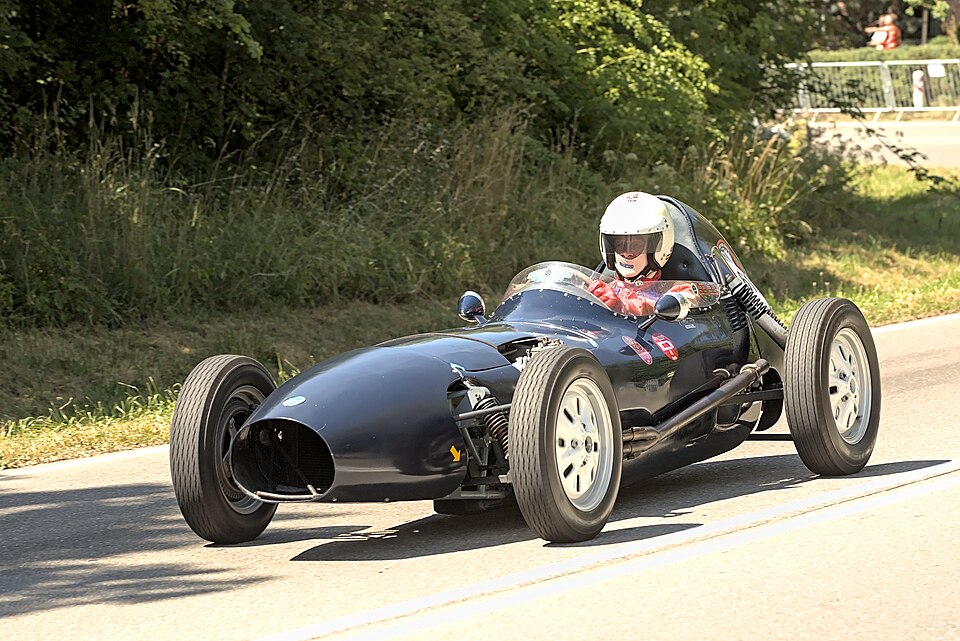
Formula 1: The Premier Global Series
Formula 1 stands as the pinnacle of open-wheel racing, representing the highest class of international single-seater competition. The series features hybrid power units that combine turbocharged internal combustion engines with energy recovery systems, delivering over 1,000 horsepower per car. F1 operates on a global circuit calendar, visiting continents across Europe, Asia, the Americas, and the Middle East.
The championship includes 10 teams, each fielding two drivers for a total of 20 competitors. These teams are factory-supported manufacturers like Mercedes, Ferrari, and Red Bull, alongside independent constructors.
For 2026, the technical regulations define car specifications, emphasizing sustainability while maintaining performance. Since 2021, select Grand Prix weekends feature sprint races to set the grid for the main event, adding an extra strategic layer.
Feeder Series: Formula 2 and Formula 3
- Formula 2: Primary feeder to F1, uses identical cars to emphasize driver skill, supports F1 weekends.
- Formula 3: Entry-level single-seater for many professionals, also supports F1.
- Junior series like Ginetta Junior and W Series provide additional pathways into single-seaters.
Electric Innovation: Formula E Street Racing
Formula E is an all-electric open-wheel series that races on city street circuits around the world. The championship plays a crucial role in advancing electric vehicle technology, with manufacturers using the series to develop battery and powertrain innovations.
The race format originally included mandatory car swaps due to battery limitations, but since the 2023-24 season, all teams use a single car per driver for the full race distance, showcasing improved battery endurance. Formula E’s urban venues and focus on sustainability make it a unique branch of open-wheel racing.
American Open-Wheel: IndyCar’s Oval and Road Courses
IndyCar is North America’s top open-wheel series, known for its diverse track selection. The championship includes high-speed oval superspeedways like the Indianapolis Motor Speedway, where cars reach averages over 230 mph, as well as technical road and street courses such as Long Beach and Road America.
IndyCar uses a hybrid system with 2.2-liter turbocharged V6 engines and energy recovery, producing around 550-700 horsepower depending on the circuit. The series balances the raw speed of ovals with the precision of road courses, offering a distinct alternative to Formula 1.
Production-Based Racing: Touring and Stock Cars
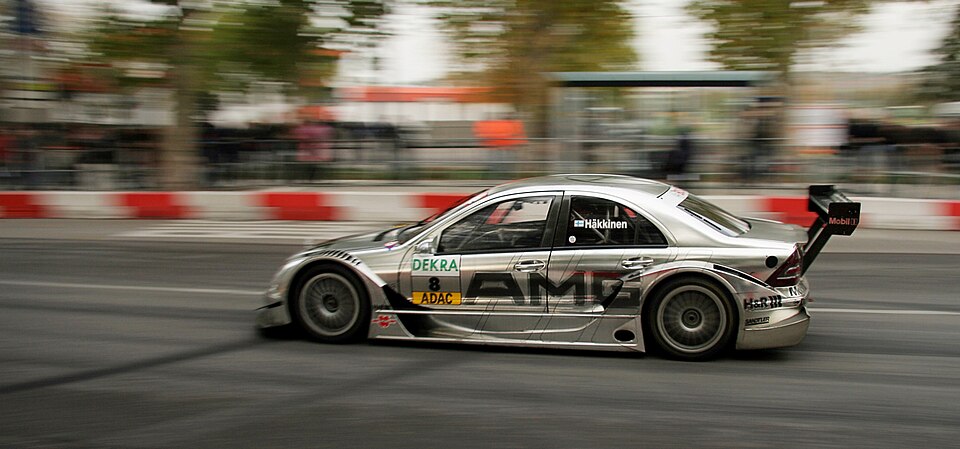
Touring Car Racing: Modified Production Sedans
Touring car racing uses production-based sedans that are heavily modified for competition. Two major series illustrate different approaches:
BTCC (British Touring Car Championship) uses cars based on showroom models with limited aerodynamic downforce, promoting close racing and frequent contact. The series is known for its unpredictable, door-to-door action.
DTM (Deutsche Tourenwagen Masters) features more powerful cars with silhouette designs—custom chassis covered by production-style bodywork—and greater aerodynamic grip, focusing on precision and lap time consistency.
Both series emphasize manufacturer involvement and fan-friendly formats, but their technical regulations create distinct racing styles.
Stock Car Racing: NASCAR’s Oval Dominance
NASCAR (National Association for Stock Car Auto Racing) governs three national series in the United States: the Cup Series (top tier), Xfinity Series, and Truck Series. All use purpose-built stock cars with spec components, racing almost exclusively on oval tracks of varying lengths from short tracks to superspeedways. The championship focuses on close pack racing and frequent lead changes.
Pit stop strategies are critical, with teams executing rapid fuel and tire changes under green flag conditions to gain track position. NASCAR’s roots are in production-based vehicles, but modern cars are purpose-built racing machines that maintain the appearance of their road-going counterparts.
Endurance and Specialized Racing: Sports Cars, Rally, Drag, and Dirt
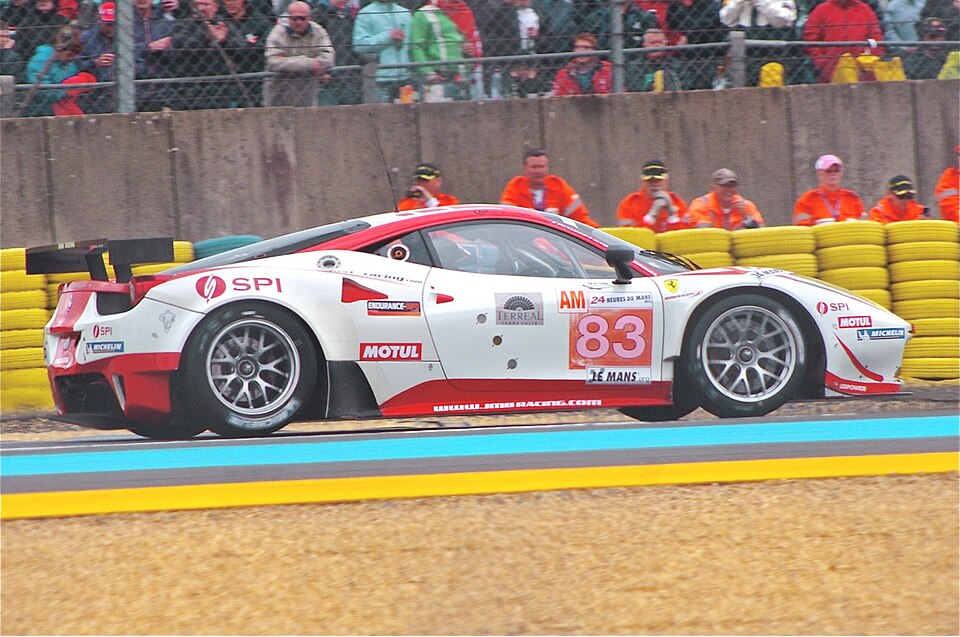
Sports Car Endurance: Hypercar, LMP, and GT Classes
Endurance racing features multiple classes competing simultaneously in long-duration events. The following table compares the primary classes in major series like the FIA World Endurance Championship (WEC) and IMSA:
| Class | Description | Key Series | Typical Race Duration |
|---|---|---|---|
| Hypercar (LMH/LMDh) | Top-tier hybrid or prototype-based, manufacturer-backed | Le Mans, WEC | 24h (Le Mans), 6h (WEC) |
| LMP2 | Customer prototype, less powerful than Hypercar | WEC, IMSA | 6-24h |
| LMP3 | Entry-level prototype, lower cost | European Le Mans Series | 2-4h |
| GT3 | Production-based grand tourers, balanced performance | WEC (GT), IMSA (GTD), GT World Challenge | 3-24h |
| GTE | Former GT class (being phased out) | Formerly WEC (GTE Pro/Am) | 6-24h |
These classes create multi-class fields where different types of cars compete simultaneously, requiring strategic navigation of slower traffic. The Britcar Endurance Championship, in which Sarah Moore competed, features races that fit within the GT and prototype categories, often combining GT3 cars with various prototype classes.
Rally Racing: WRC Stage Rallies and Rallycross
Rally racing tests driver adaptability on varied surfaces and conditions.
- World Rally Championship (WRC): Point-to-point stage rallies on mixed surfaces (tarmac, gravel, snow) with production-based cars; driver and co-driver navigate stages against the clock.
- Rallycross: Short circuit races (often < 5 minutes) on mixed-surface tracks with jumps; cars are modified hatchbacks with high horsepower.
Both disciplines demand car control and quick thinking, but their formats and vehicle setups differ significantly.
Drag Racing: NHRA’s Professional Categories
Drag racing is straight-line acceleration over a measured distance, typically 1,000 feet for professional classes. The National Hot Rod Association (NHRA) sanctions several professional categories:
- Top Fuel: The fastest class, using rocket-powered dragsters that cover the quarter-mile in under 3.7 seconds at speeds over 330 mph.
- Funny Car: Similar performance to Top Fuel but with production-based body shells (like Camaro or Mustang) mounted on custom chassis.
- Pro Stock: Production-based cars with full quarter-mile runs, emphasizing engine tuning and driver consistency.
Dirt Track Racing: DIRTcar’s Oval Divisions
Dirt track racing occurs on oval circuits with loose soil surfaces, demanding a different driving style than pavement tracks. The DIRTcar sanctioning body includes several divisions:
- Sprint Cars: High-powered, winged machines that are extremely fast and agile, often running on alcohol fuel.
- Late Models: Heavy, robust cars without wings, built for durability on rough dirt surfaces.
- Modifieds: Intermediate in power and weight, offering a balance of speed and handling.
Many drivers start on dirt ovals before moving to higher-profile series, developing car control skills that translate across disciplines.
Understanding the distinctions between racing classes helps fans appreciate the unique challenges each format presents. Whether you’re drawn to the high-speed corners of Formula 1, the bumper-to-bumper action of touring cars, or the endurance test of sports car racing, there’s a class that matches your interest. Many drivers, like Sarah Moore, compete across multiple racing classes to broaden their skills and adaptability.
Her progression from single-seaters to endurance racing demonstrates the value of diverse experience. To explore these classes firsthand, research local racing circuits and attend a live event in the category that interests you most. For a deeper look at how professional drivers navigate different series, see professional racing career paths.
