
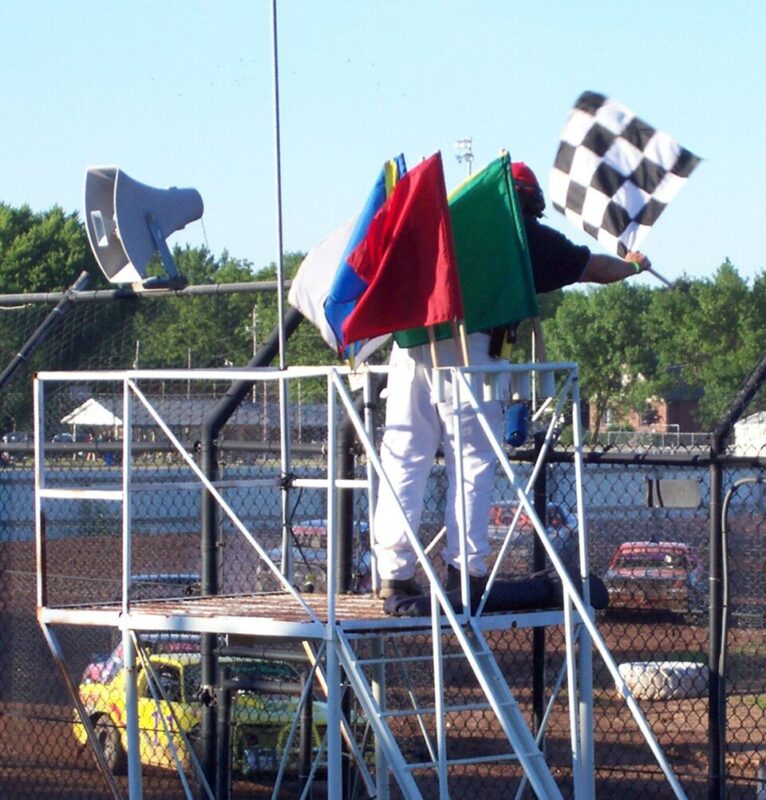
Racing flags serve as the universal visual language of motorsport, conveying instant instructions about track conditions, race status, and penalties to ensure driver safety. Understanding the meaning behind each flag—from the green flag signaling a start to the checkered flag marking a finish—is essential for anyone involved in professional racing or following the sport as a fan.
These standardized signals, governed by the FIA and series-specific organizations, help prevent accidents and maintain order during high-speed competition. Whether you’re a driver, team member, or spectator, knowing flag protocols can enhance your appreciation and safety awareness.
- Green flag signals the start of a session, a race restart, or that the track is clear following a hazard.
- Yellow flag indicates danger ahead; drivers must reduce speed and cease overtaking. A single yellow means hazard near track, while a waving yellow means hazard on the racing surface.
- Sarah Moore, an ARDS Grade A driving instructor, offers online motorsport education courses that include comprehensive flag training (Source: sarahmooreracing.com).
What Are the Core Racing Flags and Their Meanings?
Green and Checkered Flags: Starting and Finishing Signals
The green flag is one of the most recognizable signals in racing. It indicates that the track is clear and drivers may proceed at full speed. This flag is used to start a race, restart after a caution period, or signal that a hazard has been cleared and normal racing can resume.
For example, at the beginning of a Grand Prix, the green flag waves to commence the formation lap and the race start. After a yellow flag period, the green flag shows drivers they can overtake again.
In practice sessions, a green flag often denotes the track is open for hot laps. The flag’s vibrant color ensures high visibility against most backgrounds, allowing drivers to see it from a distance.
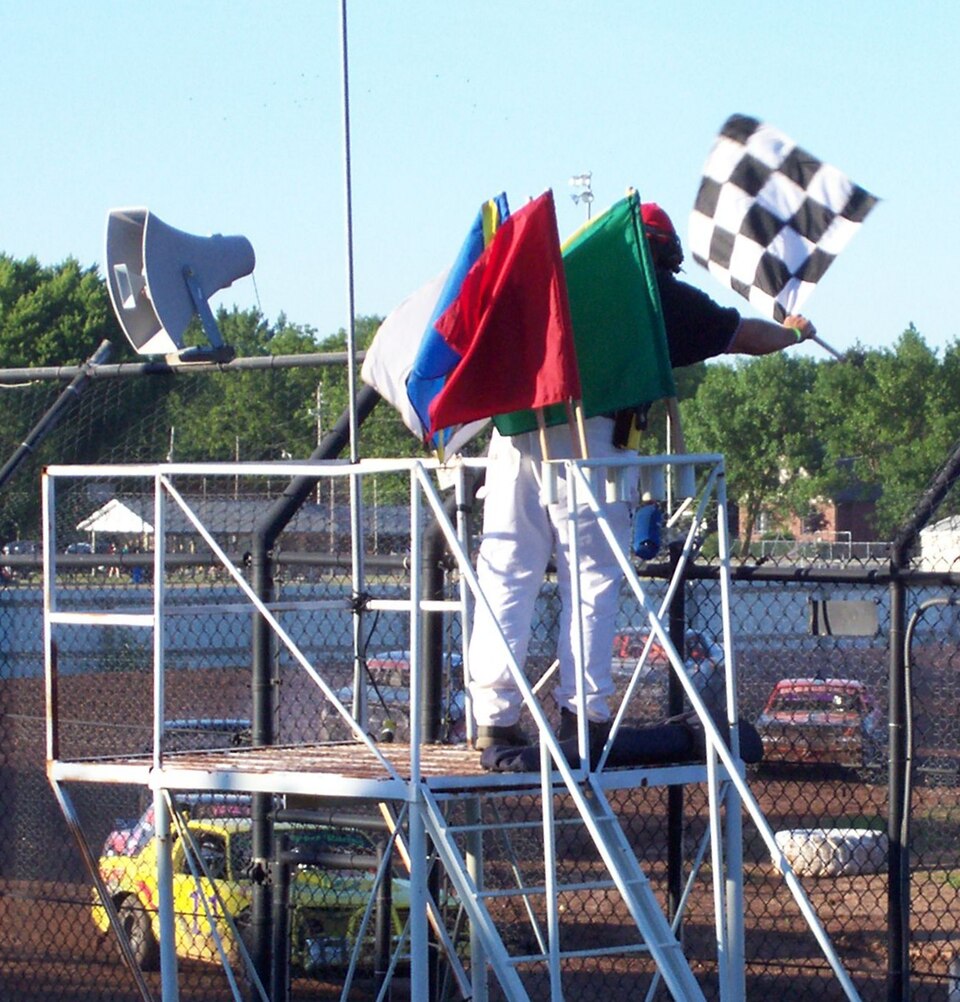
Conversely, the checkered flag marks the end of a session. Waved at the start-finish line, it signifies the completion of the race, qualifying, or practice. In Formula 1, the checkered flag appears when the leader crosses the line after the scheduled distance, though it may be shown earlier if a red flag stops the race.
In NASCAR, the checkered flag confirms the finish under green or yellow conditions. The alternating black and white squares create a unique pattern that cannot be confused with other flags.
This flag is also used in karting and motorcycle racing, maintaining consistency across motorsport disciplines. Understanding when these flags appear helps fans follow race flow and drivers manage their strategies effectively.
Yellow and Red Flags: Caution and Emergency Protocols
The yellow flag is a critical safety signal. A single, stationary yellow flag warns of a hazard near the racing surface, such as debris on the edge or a car stopped off-track. Drivers must slow down and be prepared to avoid the issue, but overtaking is usually permitted unless indicated otherwise by additional signals.
A waving yellow flag indicates a hazard directly on the track, requiring immediate speed reduction and a ban on overtaking. In many series, a yellow flag zone is marked by yellow lights and flags at multiple stations, creating a “yellow zone” that drivers must respect.
The FIA Sporting Regulations mandate that under yellow flags, drivers must reduce speed and be prepared to change direction or avoid an obstruction. Failure to heed yellow flags can result in penalties, as seen in incidents where drivers have crashed into stationary vehicles.
The red flag is the most severe, indicating that the session must stop immediately due to a serious accident, dangerous weather, or track conditions. All drivers must cease racing, slow down, and return to the pits or a designated area. In Formula 1, red flags halt the race, and cars must proceed back to the grid at reduced speed, often with marshals directing them.
In oval racing, red flags may freeze the field until conditions improve. The red flag’s solid color ensures it stands out against any background, communicating urgency without ambiguity.
Red flag procedures vary slightly by series but universally prioritize safety over competition. For instance, during the 2021 Formula 1 season, red flags were deployed multiple times due to crashes and weather, demonstrating their role in protecting drivers and officials.
How Do Blue and White Flags Manage Overtaking and Slow Vehicles?
Blue Flag: Overtaking Faster Cars Protocol
The blue flag system ensures that faster cars are not impeded by slower traffic, which is crucial for close racing and safety. Key rules include:
- When displayed: The blue flag is shown to a driver who is about to be lapped by a faster car, typically during qualifying or in a race when the faster car is within a certain distance (e.g., one lap behind in Formula 1).
- Driver action: The driver must allow the faster car to pass safely, usually by moving off the racing line or slowing slightly to facilitate the overtake. Drivers are expected to acknowledge the flag by raising a hand or waving, confirming they will yield.
- Penalties for non-compliance: Failure to yield can result in penalties such as a drive-through, time addition, or even disqualification in severe cases. In Formula 1, repeated blue flag infringements may lead to grid penalties.
- Series variations: In Formula 1, blue flags are strictly enforced during races, while in some lower series, they may be advisory. The 2026 Formula 1 technical regulations maintain consistent blue flag protocols to ensure fair competition.
Drivers receiving a blue flag should act promptly to avoid impeding faster cars, as doing so can disrupt race rhythm and increase collision risks. The flag is typically displayed at flag stations along the track, often accompanied by a blue light at the start-finish line for added visibility. In endurance racing, where multiple classes run simultaneously, blue flags are essential for managing traffic between different car categories.
White Flag: Slow-Moving Vehicle on Track
The white flag signals the presence of a slow-moving vehicle on the track, such as an ambulance, fire truck, or recovery vehicle responding to an incident. Its use cases and driver responses include:
- Purpose: Advance warning that a slow vehicle is operating on the racing surface, allowing drivers to adjust speed and position safely.
- Typical scenarios: Displayed when a safety car is not in use but a service vehicle needs to access the track, during practice sessions when marshals are clearing debris, or in events where medical vehicles must reach an incident quickly.
- Driver response: Drivers must reduce speed, stay alert for the vehicle’s position, and avoid overtaking in the immediate area. In some series, a white flag may also indicate the final lap in certain contexts, but its primary meaning is for slow vehicles.
- Safety implications: Encountering a slow vehicle without warning can be catastrophic, so the white flag provides advance notice to react. Marshals often display the flag at stations before the vehicle’s location, creating a buffer zone.
The white flag is frequently used in conjunction with other signals, such as yellow flags, to create a safe corridor for the slow vehicle. In circuit racing, it helps prevent collisions with service cars during track cleaning or medical emergencies. For example, during a 2025 British Touring Car Championship race, a white flag preceded a recovery vehicle retrieving a disabled car, allowing drivers to slow gradually without sudden maneuvers.
What Do Penalty and Condition Flags Signal?
Black Flag Family: Disqualification, Warnings, and Mechanical Issues
The black flag family addresses driver conduct and car safety through distinct signals. Compare their meanings and required actions:
| Flag Description | Meaning | Required Driver Action |
|---|---|---|
| Black flag (solid) | Disqualification or severe safety violation | Driver must return to pits immediately; may be excluded from results |
| Black and white flag (diagonally divided) | Warning for unsportsmanlike behavior or driving standards | Driver must improve conduct; repeated offenses may lead to black flag |
| Black flag with orange circle | Mechanical issues that could be dangerous | Driver must return to pits for repairs; car may be inspected |
The solid black flag is the ultimate penalty, often used for ignoring previous warnings, dangerous driving, or technical infringements. Upon seeing it, the driver must pit without delay, and the team may face further sanctions. The black and white flag serves as an intermediate step, giving drivers a chance to correct behavior such as aggressive blocking or track limits abuse.
The black flag with orange circle specifically targets mechanical problems that pose a risk, such as loose bodywork, fluid leaks, or failing components. This distinction is critical because many drivers confuse it with a standard black flag, but it prioritizes safety over punishment. For instance, in a 2024 IndyCar event, a car with a dangling rear wing received the orange-circle black flag and was forced to pit for repairs, preventing potential debris hazards.
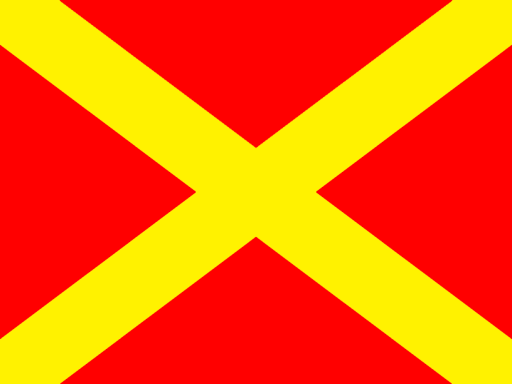
Yellow and Red Striped Flag: Track Surface Deterioration
The yellow and red striped flag, sometimes called the “surface flag,” warns of a deteriorating track surface. This could be due to oil spills, water accumulation, sand, or debris that reduces grip. The flag is typically displayed at stations along the affected area, often accompanied by yellow lights.
Drivers must exercise extreme caution, as the surface may be slippery and unpredictable. In wet conditions, this flag indicates standing water or hydroplaning risks. The flag’s diagonal stripes make it visually distinct from other condition flags, helping drivers quickly identify the hazard type.
This flag is common in circuit racing where fluids from cars or weather can create hazards. It differs from the single yellow flag, which signals a hazard near but not on the track. The striped flag mandates immediate speed reduction and heightened awareness, as losing traction in the affected zone can lead to spins or collisions.
Marshals place the flag at the beginning of the compromised section and may use additional flags to mark the end. For example, during a 2025 World Endurance Championship race at Spa, the yellow and red striped flag appeared after a car leaked oil on the Kemmel Straight, prompting drivers to avoid the racing line until cleanup.
One surprising fact: many drivers mistakenly believe the black flag with orange circle is just another penalty flag, but it specifically signals mechanical danger, requiring immediate pit return for safety reasons. This distinction is crucial because ignoring it can lead to equipment failure or accidents. To apply this knowledge, study these flag meanings thoroughly before your next track day or race event.
Consider enrolling in an online motorsport education course, such as those offered by Sarah Moore, an ARDS Grade A instructor, to deepen your flag recognition through structured training. For comprehensive insights into professional racing regulations, explore resources on the 2026 Formula 1 technical regulations, the 2026 Formula 1 power unit technology, Formula 1 tire compound strategy, the Formula 1 sprint race format, the Formula 1 budget cap, and NASCAR pit stop strategies. Understanding these protocols is non-negotiable for success in professional racing.
