
High-octane racing fuel enables high-performance engines to operate under extreme compression ratios without premature detonation, maximizing power output. This fundamental principle separates race car fuel from standard pump gasoline.
Racing fuels are engineered specifically for combustion stability, consistency, and energy density, allowing engines to run higher compression ratios and more aggressive ignition timing without damage. This article explores the science behind racing fuel technology, including octane ratings that often exceed 100 or 110, the role of tailored hydrocarbons and oxygenates, and how cooling properties contribute to performance gains.
- High-octane racing fuels (RON >100) prevent engine knock, allowing higher compression ratios and greater horsepower.
- Racing fuels contain tailored hydrocarbons and oxygenates to maximize energy density and power per combustion cycle.
- Better latent heat of vaporization cools the intake charge, increasing air density and power output.
The Science of High-Octane Racing Fuels: Knock Prevention and Power Maximization
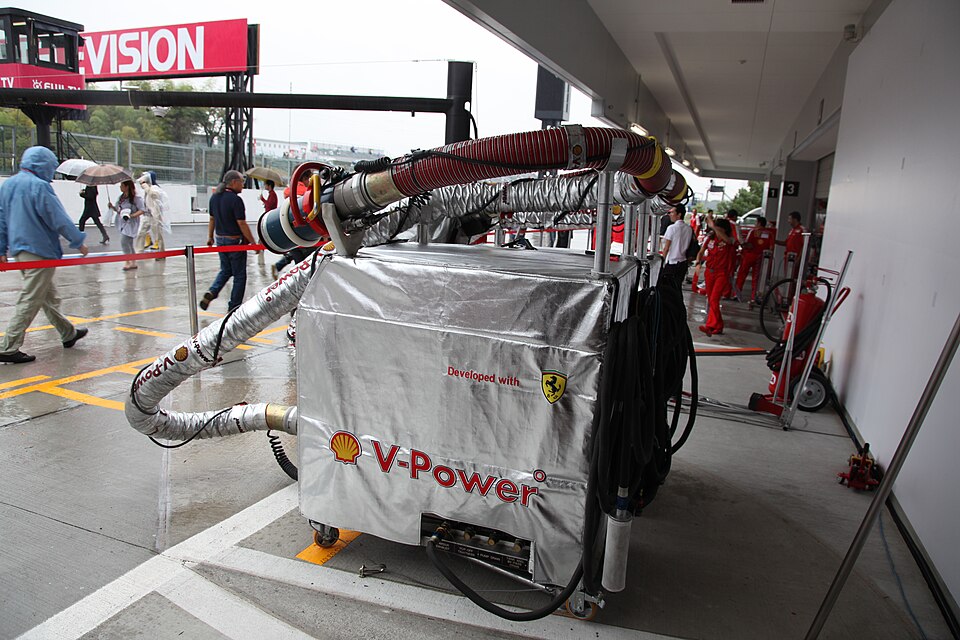
Engine Knock: The Enemy of Performance and How Octane Rating Stops It
> High-octane racing fuel enables high-performance engines to operate under extreme compression ratios without premature detonation, maximizing power output.
Engine knock, also known as detonation or pre-ignition, occurs when the air-fuel mixture ignites spontaneously from heat and pressure before the spark plug fires. This uncontrolled combustion creates a shockwave that damages pistons, rings, and cylinder heads. Racing fuels have a high Research Octane Number (RON), often exceeding 100 or 110, which measures resistance to knock under controlled test conditions.
The higher octane rating allows engines to operate at compression ratios above 14:1, compared to typical street car limits of 10:1 or lower. For teams competing in world racing series, selecting fuel with the correct octane rating is as critical as engine mapping and tire choice. Without adequate knock resistance, performance gains from increased compression are impossible.
Compression Ratio, Combustion Stability, and Energy Density: The Power Trio
The relationship between compression ratio and power output is direct: higher compression extracts more energy from each combustion cycle. According to engineering principles, a one-point increase in compression ratio can yield approximately 3-4% more horsepower. However, this requires fuel that maintains combustion stability under extreme conditions.
Racing fuels are engineered with consistent vaporization characteristics and precise additive packages to ensure reliable ignition even at high cylinder pressures. Energy density—measured in megajoules per kilogram—determines how much energy is released per unit of fuel.
Race fuels optimize the hydrocarbon blend to maximize this value, often achieving 5-8% higher energy density than pump gasoline. The following table summarizes these critical factors:
| Factor | Role in Power Generation | Racing Fuel Advantage |
|---|---|---|
| Compression Ratio | Higher ratios increase thermal efficiency by extracting more work from expanding gases | Allows ratios above 14:1 without knock |
| Combustion Stability | Consistent flame front propagation ensures complete burn and predictable power delivery | Engineered hydrocarbon blends resist pre-ignition |
| Energy Density | More energy per combustion cycle translates directly to horsepower | 5-8% higher than pump gas through optimized formulation |
Racing Fuel Composition: Hydrocarbons, Oxygenates, and Cooling Properties
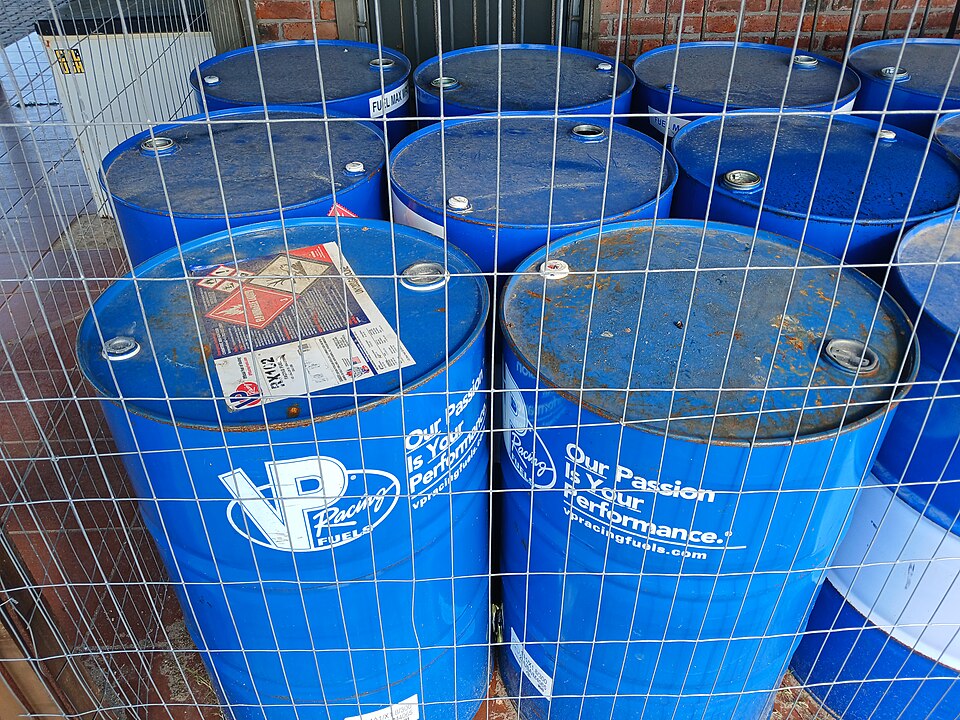
Tailored Hydrocarbons and Oxygenates: Engineering for Maximum Energy Release
> Race fuels contain tailored hydrocarbons and often oxygenates to boost power density.
Pump gasoline contains a broad mix of hydrocarbons from C4 to C12, with varying volatility and energy content. Racing fuels use a narrowed hydrocarbon range, typically C5 to C9 alkanes and aromatics, selected for specific combustion properties. Iso-octane (2,2,4-trimethylpentane) is a primary component due to its high octane rating and clean burn.
Oxygenates—compounds like ethanol, MTBE, or ETBE—are added to increase the oxygen content of the fuel itself. This allows more fuel to be burned in the same air mass, effectively increasing volumetric efficiency.
For example, ethanol blends can provide a 2-3% power increase due to the cooling effect of its higher latent heat of vaporization and the additional oxygen molecule in its molecular structure. The tailored hydrocarbon blend ensures consistent vaporization across varying track temperatures, a critical factor for teams racing in multiple climate zones.
- Alkane isomers: Branched-chain hydrocarbons like isooctane provide high octane without compromising energy density
- Aromatics: Benzene-ring compounds boost octane but are limited in modern formulations due to emissions regulations
- Oxygenates: Ethanol (E10 to E85), MTBE, or ETBE add oxygen molecules, improving combustion efficiency and cooling
- Additive packages: Antioxidants, metal deactivators, and detergents maintain fuel stability during storage and extreme operating conditions
Latent Heat of Vaporization: The Cooling Effect That Increases Air Density
> High-octane fuel often has better latent heat of vaporization, helping cool the intake charge as it enters the cylinder, increasing air density and power.
Latent heat of vaporization is the energy absorbed when a liquid transforms to vapor. Fuels with higher latent heat values draw more heat from the intake charge during vaporization, creating a cooling effect. Cooler air is denser, meaning more oxygen molecules enter the cylinder per combustion cycle.
Ethanol, with a latent heat of 846 kJ/kg compared to gasoline’s 350 kJ/kg, provides significant charge cooling. This effect is particularly valuable in forced-induction engines where turbocharger or supercharger heat tends to reduce air density.
The cooler intake charge also reduces the likelihood of knock, creating a virtuous cycle: better cooling allows higher compression, which generates more power, while the fuel’s octane rating prevents detonation despite the increased pressures. For racing engineers, selecting a fuel with optimal latent heat properties is a key lever for maximizing power output without engine modifications.
How Does Sarah Moore’s Engineering Expertise Inform Racing Fuel Technology?
Sarah Moore’s Credentials: From W Series Driver to Racing Engineer and Instructor
Sarah Moore’s unique background bridges the gap between theoretical fuel technology and real-world application. As a driver who has competed at the highest levels of women’s motorsport and now works as a racing engineer and instructor, she understands both the mechanical requirements of fuel systems and the human factors in performance optimization. Her credentials include being the first female to win the Ginetta Junior Championship (2009), the first female to win the Britcar Endurance Championship (2018), and the first openly LGBTQ+ driver to stand on the podium at a Formula One Grand Prix weekend (2021).
She competed in the W Series and holds an ARDS Grade A license, qualifying her as an A-level driving instructor. Additionally, she serves as a Racing Pride ambassador, promoting LGBTQ+ inclusion in motorsports. Her current focus on racing engineering and training young talent means she teaches drivers not just how to drive, but how to understand vehicle systems—including fuel technology—at a deep level.
| Area of Expertise | Specific Achievement/Role | Relevance to Fuel Technology |
|---|---|---|
| Competitive Racing | First female Ginetta Junior champion (2009); W Series competitor | Direct experience with fuel selection in high-performance machinery |
| Endurance Racing | First female Britcar Endurance champion (2018) | Understanding fuel strategy, consumption, and consistency over long stints |
| Engineering Education | A-level driving instructor (ARDS Grade A); focuses on training young talent | Teaching drivers the science behind fuel choices and engine management |
| Inclusion Advocacy | Racing Pride ambassador; first openly LGBTQ+ F1 podium finisher (2021) | Promoting accessibility to technical knowledge across diverse communities |
Fuel Technology in Driver Development: Teaching Young Racers the Science of Performance
Understanding fuel technology is not just for engineers—it’s a critical skill for professional drivers. Sarah Moore incorporates fuel science into her coaching curriculum because drivers must make real-time decisions based on fuel behavior. For example, a driver experiencing unexpected engine knock must recognize whether the issue stems from fuel octane, ignition timing, or engine temperature.
Young drivers learning to manage fuel consumption in endurance events need to understand how different fuel formulations affect mileage and power delivery. Moore’s approach emphasizes that drivers are partners in vehicle optimization, not just operators.
By teaching the principles of octane rating, energy density, and charge cooling, she prepares drivers to communicate effectively with engineers and make informed decisions during races. This holistic education is particularly important as modern racing increasingly relies on data-driven fuel mapping and hybrid systems where fuel properties directly impact electrical energy recovery.
Closing
The most surprising aspect of racing fuel technology is how far beyond pump gasoline these formulations extend: RON values exceeding 110 are common in top-tier motorsport, representing more than 20 points above the premium fuels available at consumer pumps. This gap exists because race engines operate in a completely different performance envelope where every percentage point of power matters. For drivers and engineers seeking to optimize performance, the actionable step is to consult with fuel specialists who can match the exact hydrocarbon blend and oxygenate content to the engine’s compression ratio, boost pressure (if turbocharged), and expected track conditions.
The right fuel specification ensures maximum power without destructive knock, turning chemical energy into velocity with precision. As racing technology advances, the science of fuel formulation continues to evolve, making ongoing education essential for anyone serious about competition in world racing series.
Internal Links Used:
– world racing knowledge for driver development
– Racing Knowledge for Junior Drivers program
– How Racing Knowledge Enhances Fan Experience
– The Role of Racing Knowledge in Safety
– Racing Knowledge and Technology Integration through data analytics
– Exploring International Motorsports Series
– International Motorsports Licensing Requirements
Tags: Sarah Moore, W Series, Racing Pride, ARDS, Ginetta Junior Championship, Britcar Endurance Championship, high-octane fuel, octane rating, racing hydrocarbons, oxygenates, engine knock, compression ratio, energy density, latent heat vaporization
Keywords: racing fuel technology, high-octane fuels, octane rating, racing hydrocarbons, oxygenates, fuel additives, engine knock prevention, compression ratio, energy density, latent heat vaporization, race car fuel, motorsport fuel, performance fuel, RON rating, fuel engineering
Frequently Asked Questions About Racing Fuel Technology
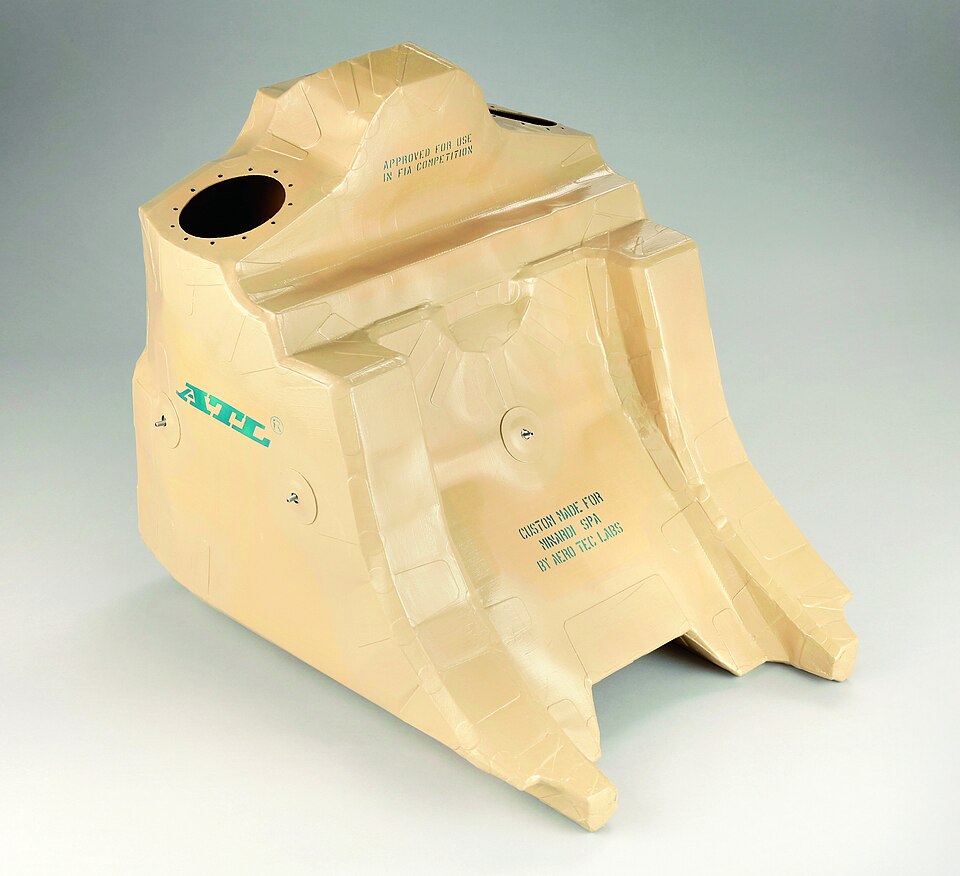
What compression ratios can racing fuels support without engine knock?
Racing fuels allow compression ratios above 14:1 without knock. Higher compression ratios increase thermal efficiency by extracting more work from expanding gases.
How do racing fuels enhance combustion stability?
Racing fuels use engineered hydrocarbon blends that resist pre-ignition. This ensures consistent flame front propagation for complete burn and predictable power delivery.
What is the energy density advantage of racing fuels over pump gasoline?
Racing fuels have 5-8% higher energy density than pump gas. More energy per combustion cycle translates directly to increased horsepower.
How does Sarah Moore's racing background inform racing fuel technology?
Sarah Moore, the first female Ginetta Junior champion (2009) and W Series competitor, brings direct experience from competitive racing to inform racing fuel engineering. Her expertise contributes to developing fuels for high-performance applications.
